Let's get one thing straight. Backpacking Asia isn't just a trip; it's a crash course in adaptability, a masterclass in budget management, and a sensory overload in the best way possible. Most guides tell you to "find yourself" on a beach. I'm here to tell you how to not lose your mind, your money, or your passport while having the time of your life. After a decade of routes from Istanbul to Tokyo, I've made the mistakes so you don't have to. This isn't about ticking boxes. It's about crafting a journey that's uniquely yours, without the classic rookie errors.
Your Quick Navigation
Step 1: Planning & The Real Budget
Forget the "$20 a day" myths from 2010. Asia is more developed, and so are your expectations. A realistic budget is your foundation.
Here's the breakdown for Southeast Asia, where most journeys begin:
- Rock Bottom ( Dorm beds in basic hostels, street food for every meal, free walking tours, overnight buses. Possible, but exhausting long-term.
- Comfortable Backpacker ($30-$50/day): This is the sweet spot. You get air-conditioned dorms in great hostels (more on those later), can afford the occasional private room, eat fantastic local food plus some Western treats, join paid day trips, and take a mix of trains and budget flights.
- Flashpacker ($50-$80/day): Private rooms in hostels or guesthouses, more internal flights for speed, guided tours, and no stress about splurging on a fancy cocktail bar with a view.
Step 2: Choosing Your Route (3 Proven Itineraries)
Don't try to see "all of Asia." Pick a region and go deep. Here are three routes based on time and travel style.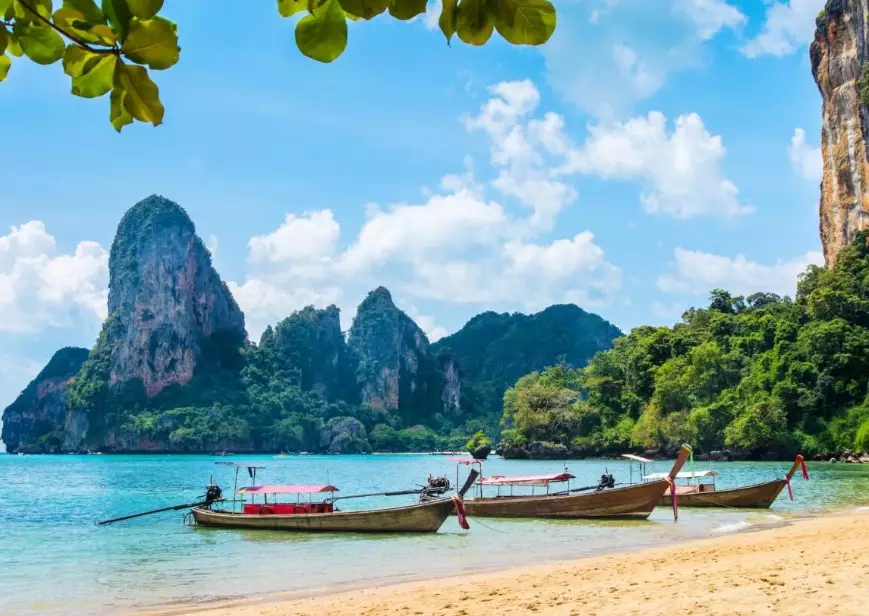
| Route Name | Core Countries | Ideal Duration | Vibe & Highlights |
|---|---|---|---|
| The Classic Banana Pancake Trail | Thailand, Laos, Vietnam, Cambodia | 8-12 weeks | The intro route. Perfect infrastructure, social hostels, iconic sights (Angkor Wat, Ha Long Bay), and endless party/nature balance. Easy for first-timers. |
| The Deep Culture Dive | Indonesia (beyond Bali), Malaysia, Myanmar | 10-14 weeks | For those wanting to get further off the beaten path. Think ancient temples in Bagan (Myanmar), jungle treks in Sumatra (Indonesia), and the incredible food fusion of Penang (Malaysia). Requires more patience. |
| The Epic North & East Challenge | Japan, South Korea, Taiwan | 6-9 weeks | Higher budget, impeccable order, mind-blowing food, and cutting-edge cities mixed with serene hikes. Less about beach parties, more about urban exploration and efficiency. Hostels are pristine. |
My personal favorite? A hybrid. Start with the Classic Trail to find your feet, then dip into the Deep Culture Dive. Fly from Bangkok to Yangon. The contrast is exhilarating.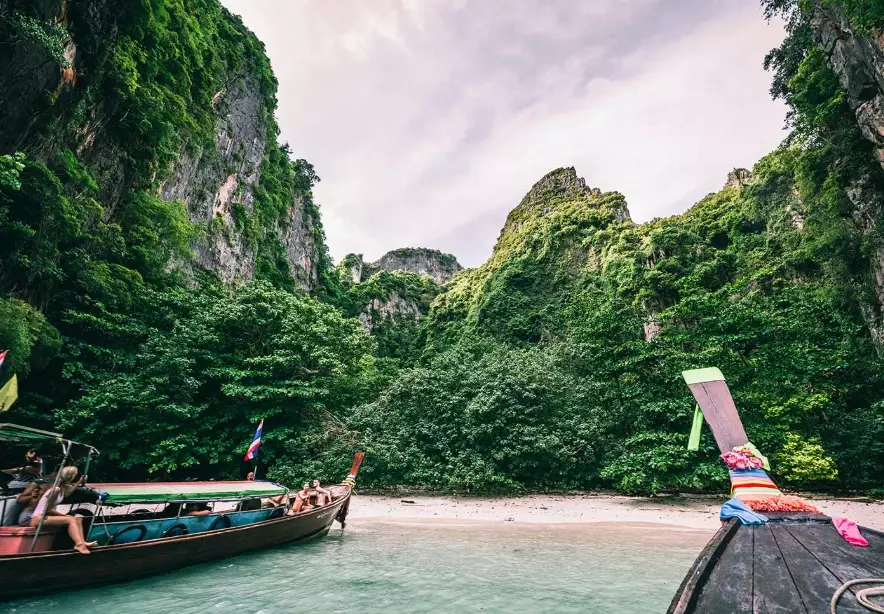
Building Your Itinerary: The 3/4 Rule
A mistake I see constantly: over-scheduling. For a 3-month trip, pick 3-4 base countries. Spend 3-4 weeks in each. Within a country, have 3-4 key stops. This pace prevents burnout. Rushing from Hanoi to Hoi An to Hue to Saigon in 10 days means you remember nothing but bus seats.
Step 3: Where to Sleep & How to Move
Hostels: Your Second Home
The hostel can make or break your experience. It's not just a bed; it's your social hub, tour desk, and laundry service. Look for places with high ratings for "atmosphere" and "location." Here are a few I've trusted for years:
- Lub d Bangkok Silom (Thailand): Address: 4 Decho Road, Suriyawong, Bangrak, Bangkok. It's a hostel chain done right. Spotless, social but not a frat house, with a great travel desk. Beds from ~$12/night.
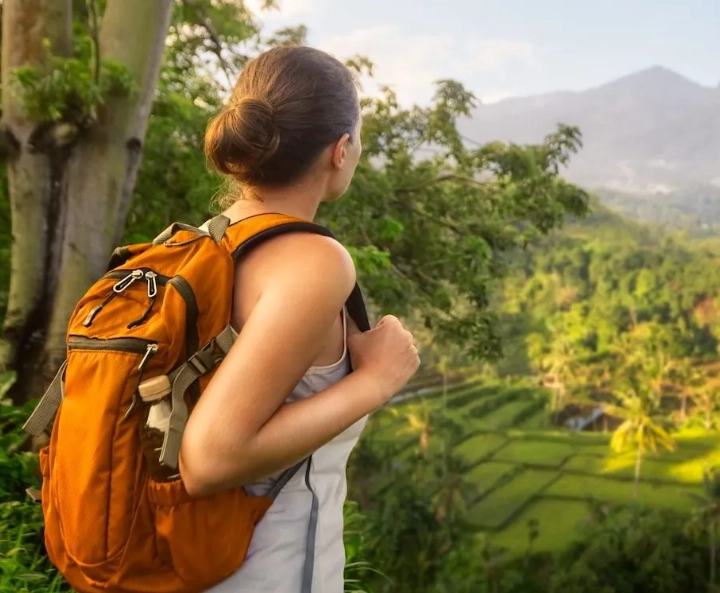
- Vietnam Backpacker Hostels - Downtown (Hanoi, Vietnam): Address: 9 Ma May, Hoan Kiem. The original social hub. Organized pub crawls and Halong Bay tours are their specialty, but the dorms are cramped. You're here for the instant friends. Beds from ~$8/night.
- Kipps Backpackers (London, but their Brighton & Canterbury UK spots show their ethos): I mention this chain because their Asian equivalents are what you should seek: independently owned, personality-driven, often with a free simple breakfast and walking tour. In Asia, look for hostels with names of local landmarks or owners, not generic "Happy Buddha" or "Dreamers."
Getting Around: Buses, Trains, and Planes
Buses: Overnight buses save a night's accommodation. In Vietnam and Thailand, opt for the "limousine" or "sleeper" buses with fully reclining seats. In Laos, just brace yourself.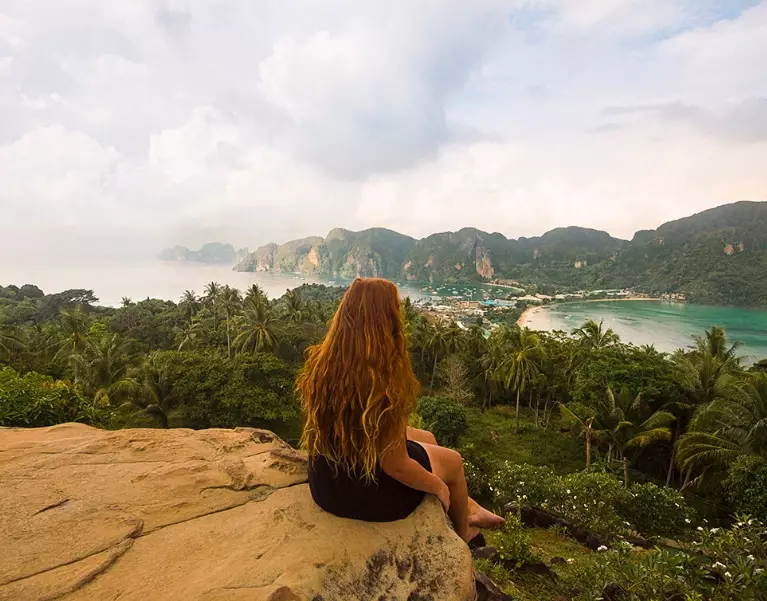
Trains: More expensive but infinitely more memorable. The overnight train from Bangkok to Chiang Mai is a rite of passage. Book upper berths for more privacy.
Planes: For jumps over water or long distances (e.g., Bali to Lombok, Vietnam to Myanmar), budget airlines like AirAsia, VietJet, and Lion Air are essential. Always book directly on their websites to avoid third-party issues. And yes, pay for the checked baggage add-on if you need it—it's cheaper at booking.
Tuk-tuks & Ride-Hailing: In cities, Grab (Southeast Asia's Uber) is a lifesaver. Agree on a price for tuk-tuks before you get in. A good rule: know the rough Grab price and offer the tuk-tuk driver 20% less for the "experience."
Step 4: Packing Like a Pro (The Minimalist Way)
You will pack too much. Everyone does. The heat and humidity of Southeast Asia make you want to wear the same light outfit every day. Here’s the core list that has never failed me.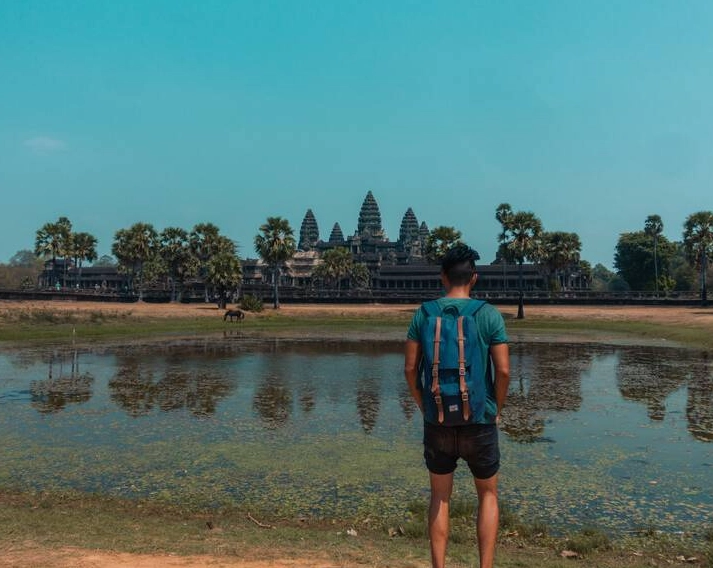
The Non-Negotiables:
- One 40-50L Backpack: Not a rolling suitcase. You'll be hopping on boats and down uneven streets.
- Microfiber Towel: Quick-dry, packable. Hostels often rent them, but having your own is hygiene 101.
- Universal Power Adapter + Multi-USB Port: One adapter with multiple USB ports to charge everything at once.
- Portable Power Bank: For long bus days when your phone is your map, book, and camera.
- Basic First-Aid Kit: Plasters, antiseptic wipes, anti-diarrheal tablets (trust me), and personal medication.
- A Good Padlock: For hostel lockers. Combination is best so you don't lose a key.
The Clothing Capsule (for 1 week, laundry is cheap):
- 3-4 Quick-dry T-shirts/tanks
- 1 Long-sleeve shirt (for sun/bugs/temples)
- 1 Pair of lightweight, breathable pants
- 2 Pairs of shorts (one for sleeping/lounging)
- 5-7 Pairs of underwear & socks (quick-dry material)
- 1 Swimsuit
- Footwear: 1 pair of sturdy sandals (like Tevas or Chacos) + 1 pair of lightweight, broken-in sneakers. Ditch the heavy boots.
- A sarong or large scarf. It's a beach towel, temple cover-up, blanket, and picnic mat.
The one luxury item I always pack? A small, inflatable travel pillow for those overnight journeys. It looks silly but your neck will thank you.