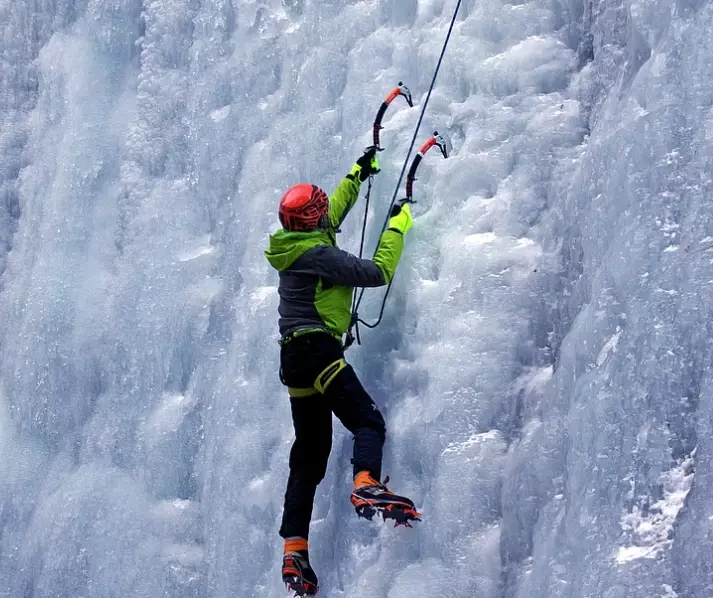
You'll hear a lot of answers tossed around in gear shops and mountain huts. "Don't fall." "Stay warm." "Know your limits." They're all good advice, sure. But they're symptoms, not the cause. They're what you focus on after you've sorted out the one thing that makes everything else possible—or impossible.
After twenty years of swinging tools, from the frozen waterfalls of Colorado to the alpine ice of the Alps, I've seen the pattern. The climbers who have close calls, the ones who get spooked off the route, even the rare, tragic accidents—they almost always trace back to a failure of one fundamental principle. It's not glamorous. It's not about brute strength or flawless technique.
The first rule of ice climbing is this: Always trust your tools.
Sounds simple, maybe even obvious. But you'd be shocked how few climbers truly understand what that means. It's not a feeling. It's a disciplined, systematic practice. Get this wrong, and nothing else matters.
What You'll Learn in This Guide
Why "Trust Your Tools" Is Non-Negotiable
Let's be clear. Ice climbing is an act of controlled violence. You're driving metal into a medium that is inherently unstable, variable, and unforgiving. The ice changes from one swing to the next—bulletproof blue ice one moment, aerated, rotten sugar snow the next.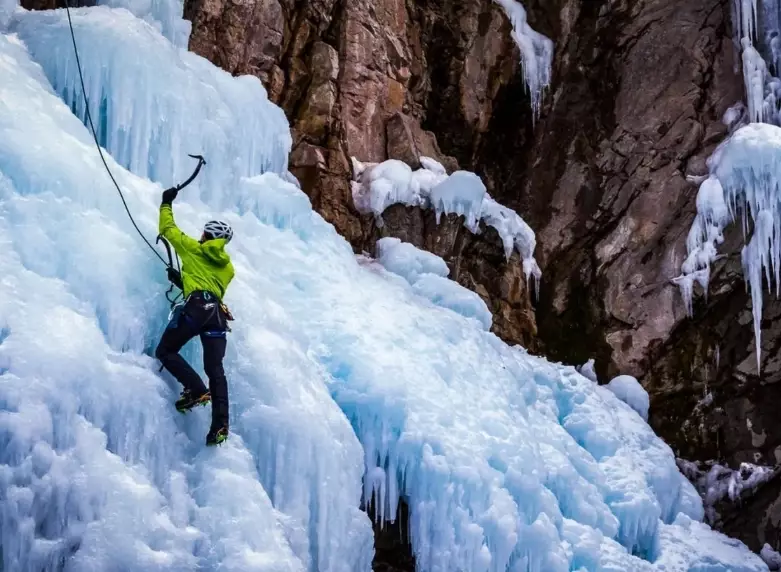
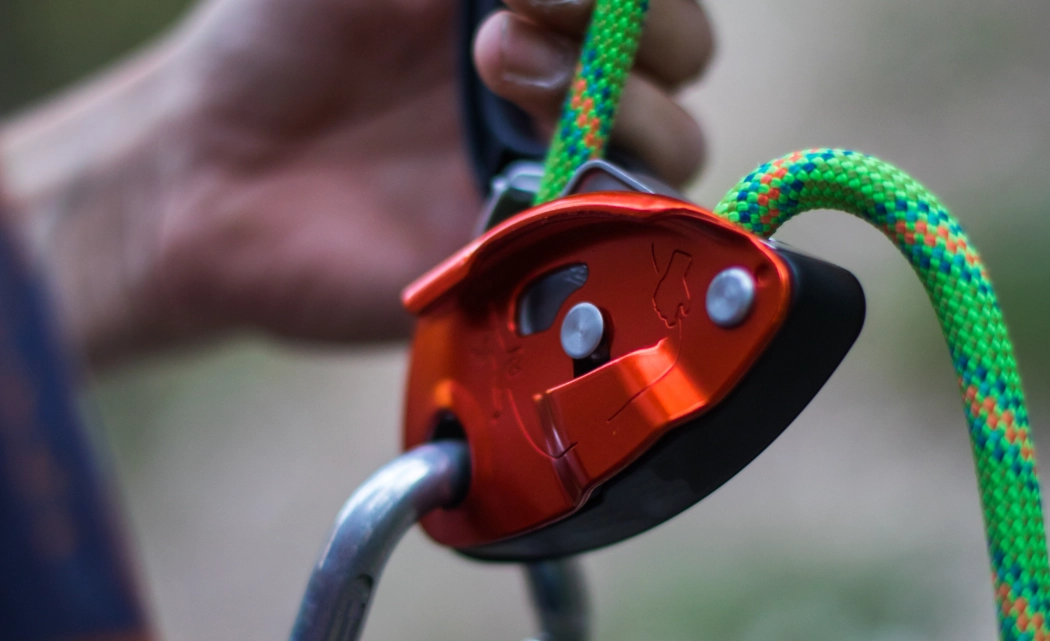
Your tools—ice axes, crampons, screws, harness—are your only direct interface with this world. They are your primary safety system. Your technique, your strength, your courage are secondary systems that rely entirely on the primary one holding.
A Quick Story
Early in my career, I was on a classic WI4 in the Canadian Rockies. My partner was a stronger climber, technically better than me. On the crux curtain, he took a fall. Not a huge whip, but a ten-foot slide. His tool had snapped at the pick, right where a hairline crack had been hiding under a layer of paint and ice. He'd bought them used, "a great deal," and skipped the detailed inspection. The trust was assumed, not earned. He walked away with a bruised hip and a lesson that redefined the sport for both of us.
This rule underpins every safety guideline from organizations like the UIAA (International Climbing and Mountaineering Federation). Their safety standards for ice tools are exhaustive for a reason. When you trust a UIAA-certified tool, you're trusting decades of engineering and impact testing. But that institutional trust must be paired with personal, daily verification.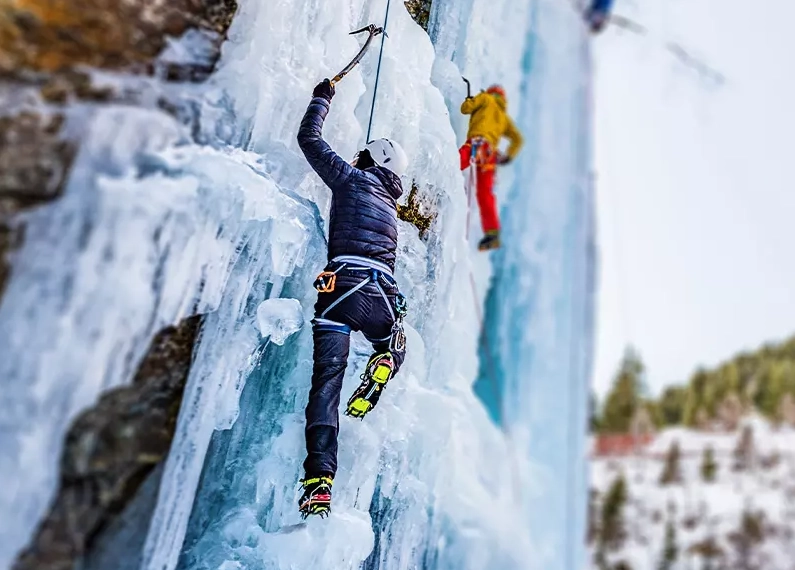
How to Apply the First Rule: A Practical Framework
Trust isn't blind faith. It's a contract. Your tools promise to hold you if you uphold your end of the bargain: inspection, maintenance, and proper use. Here’s how to hold up your end.
The Pre-Climb Ritual: More Than a Glance
This is where most people fail. They look at their gear, maybe wiggle a crampon strap, and call it good. That's not a ritual; it's a glance.
Your ritual needs to be tactile and visual. For each ice tool:
- Run your fingers along the shaft. Feel for any dings, bends, or cracks you can't see. Pay extra attention near the head and the spike.
- Inspect the pick in good light. Look for the slightest hairline crack, especially near the teeth or the attachment point. A trick: run a cotton ball over it. If fibers catch, you've got a micro-fracture.
- Check the adze/hammer attachment. Are the bolts tight? Any signs of corrosion?
- Test the leash or trigger mechanism. Does it deploy and retract smoothly? Is the attachment point to your harness secure?
For crampons, it's the same. Check each point for sharpness and integrity. Test the binding system—every strap, buckle, and wire bail. A loose crampon is worse than no crampon at all.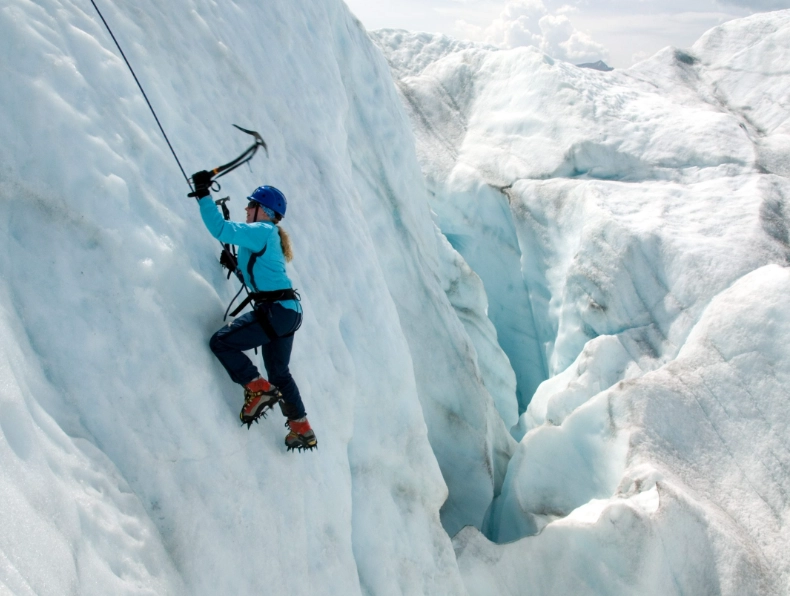
During the Climb: Listening to Feedback
Trust is dynamic. A tool can be perfect at the base and fail mid-route. You need to listen.
What does a "distrustful" swing feel like? It doesn't go "thunk" with a solid, vibration-free stick. It goes "thwack" or "crunch" and sends a shiver up the shaft. It might pull out too easily. That's the tool talking. It's saying, "This placement is bad," or worse, "I'm compromised."
When you get that feedback, you don't just power through. You stop. You assess. You might need to clear more ice, find a different spot, or in a worst-case scenario, downclimb to a rest and inspect the tool.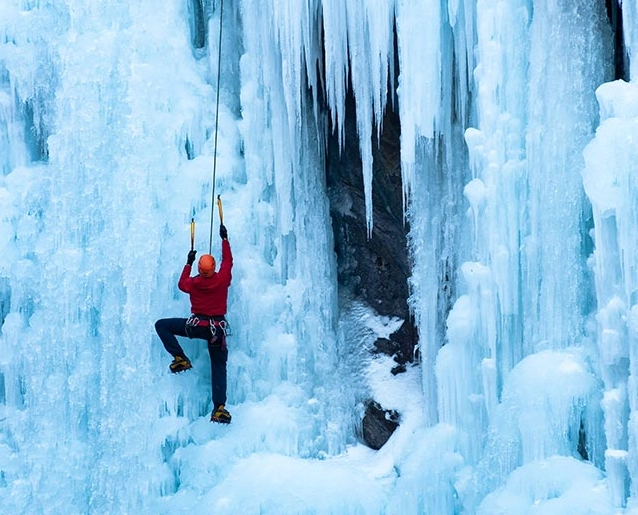
The Gear Table: What Trust Looks Like in Action
| Gear Piece | Sign of Trust (You Did the Work) | Sign of Blind Faith (You Skipped the Work) |
|---|---|---|
| Ice Tool Pick | You inspected for micro-fractures with light and touch, and you know its sharpening history. | It looks okay from a distance, and it "felt solid" on your last climb. |
| Crampon Points | All 12 front points are sharp, uniform, and securely attached. Binding system is adjusted for your boot. | The front points are kinda sharp, and the bindings were fine last winter. |
| Ice Screw | You cleaned and dried it after last use. The teeth are sharp, the hanger turns smoothly, and the trigger wire is intact. | You pulled it out of your pack, it's got some ice in it, but it'll probably work. |
| Climbing Harness | You've checked for fraying at the tie-in points and wear on the buckle teeth. You know its retirement date. | It's the harness you've always used. It looks fine. |
Common Mistakes and How to Fix Them
Here's where that "10-year expert" perspective comes in. These aren't the mistakes in manuals. These are the subtle, insidious errors I see seasoned climbers make.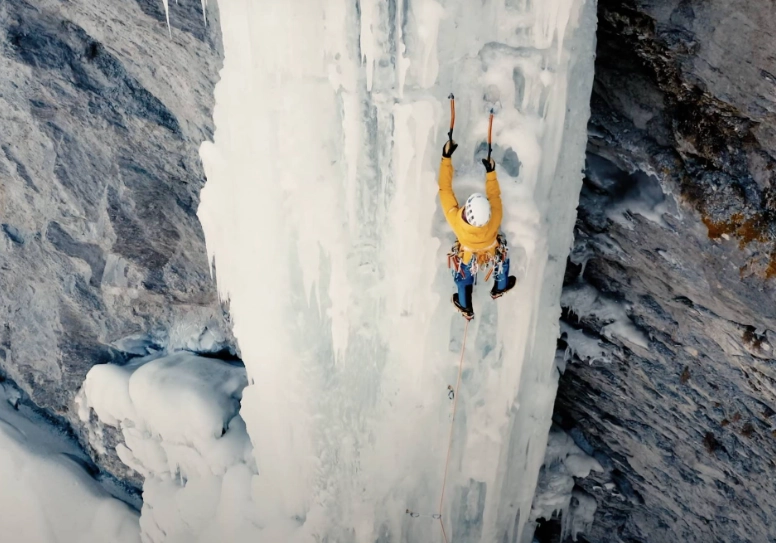
Mistake 1: Trusting the Brand, Not the Item
"It's a Brand X tool, it's bomber." I've said it. It's lazy. A manufacturing defect, a hidden impact from travel, or gradual metal fatigue can affect any brand. Your trust must be in this specific tool in your hand today, not in the logo stamped on it.
Mistake 2: Ignoring the "Retirement" Signs
Tools don't last forever. That pick isn't just "a little worn down." Once it loses its specific geometry, its performance and reliability plummet. A worn pick is more likely to shear or cause a poor placement. Same for crampon points. We get emotionally attached to gear. The rule demands objectivity. When it's time, retire it.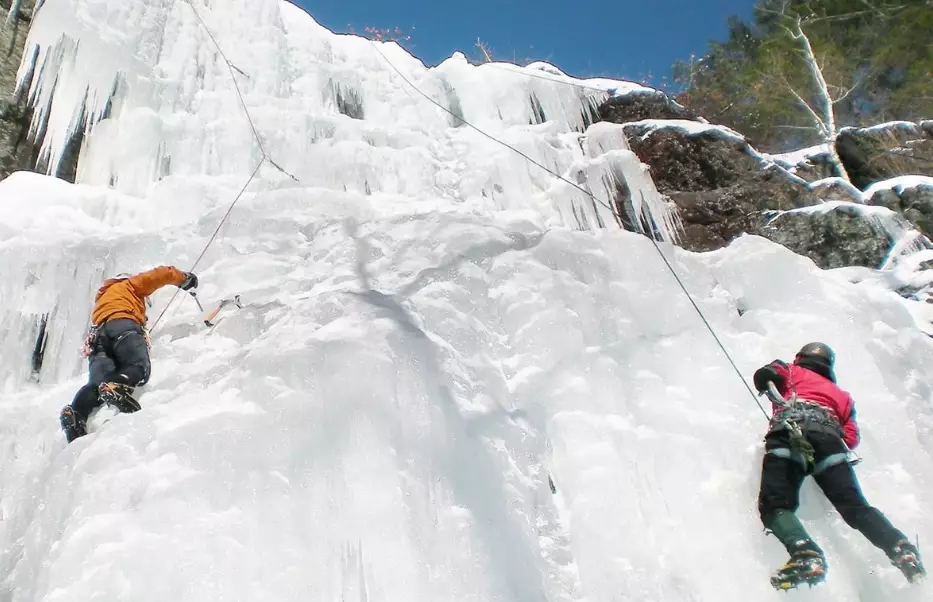
Mistake 3: Misplaced Trust in the Secondary
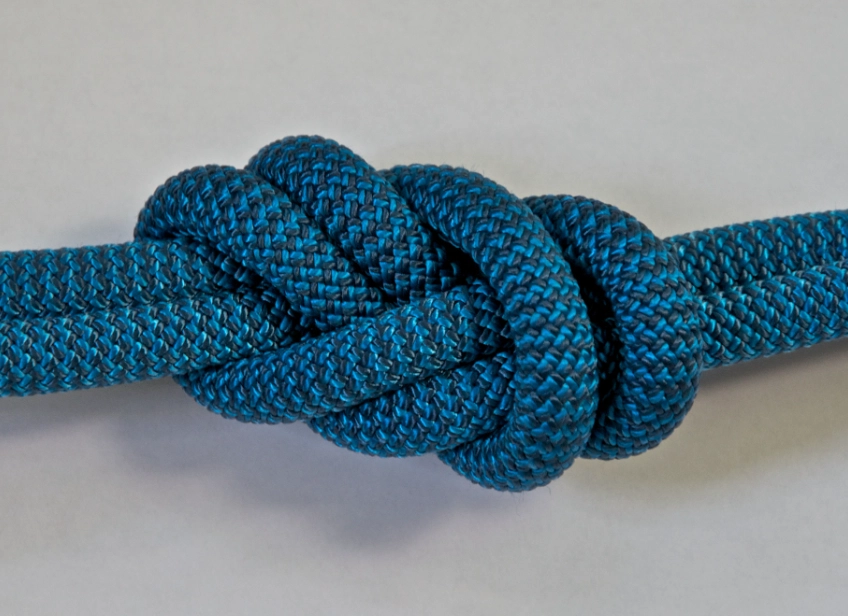
This is crucial. You place a screw (primary protection). It feels okay. Then you clip the rope and immediately trust the rope system (secondary) to hold a fall. You've just transferred trust from the questionable screw to your belayer and rope. The rule says: if you don't fully trust the primary anchor (the screw), you cannot and must not trust anything that depends on it. The fix? Place another screw. Build a V-thread. Do something to make the primary system worthy of trust before you proceed.
Beyond Gear: Trust as a Mindset
When you deeply internalize the first rule, it changes your entire approach. It becomes a mindset that filters every decision.
It means if you have a flicker of doubt about a tool's integrity, you back off. No debate. It means your pre-climb checklist is as non-negotiable as putting on your harness. It turns fear from a paralyzing emotion into a useful signal—fear often means your subconscious has noticed a breach in the trust contract. Listen to it.
This mindset connects directly to all the other "rules." "Don't fall" is a consequence of trusting your tools and placements. "Know your limits" means knowing the limits of your gear and your ability to use it properly.
You start to see the climb as a partnership between you and your equipment. You're not dominating the ice. You're working with your tools to navigate it. That shift in perspective is what separates a climber from someone who just survives routes.