There's a moment, about an hour into a steep climb, when your lungs burn and your legs feel like lead. You stop, turn around, and the world falls away beneath you. That's the hook. Mountain hiking isn't just walking; it's a full-body conversation with the earth, a puzzle of endurance, planning, and respect. But most guides make it sound like a checklist. They forget the fear, the sweat, the wrong turns, and the pure joy of a summit snack. I've spent over a decade learning from those mistakes—carrying too much, wearing the wrong shoes, misreading a map in fading light. This isn't just another list of trails. It's the manual I wish I'd had, built on scraped knees and unforgettable views.
What's Inside This Guide
How to Plan Your First Mountain Hike
Jumping straight onto a expert-rated trail is the fastest way to a miserable day or a rescue call. Planning is everything. Start by brutally honestly assessing your fitness. Can you walk 5 miles on flat ground comfortably? If not, a 5-mile mountain trail with 2,000 feet of elevation gain will break you.
Choosing the Right Trail for Your Skill Level
Trail ratings like "easy," "moderate," and "difficult" are subjective. A trail labeled "moderate" in the Rockies is often "difficult" in the Appalachians. Don't just read the label. Dig into the numbers.
Focus on two data points: total distance and elevation gain. A good rule for beginners is to look for a trail where the elevation gain in feet is less than the distance in miles multiplied by 500. For example, a 4-mile hike with under 2,000 feet of gain (4 x 500) is a solid starting challenge. Use resources like AllTrails or the National Park Service websites. Read the most recent reviews—they mention current trail conditions like washed-out sections or snow patches.
Logistics Beyond the Trailhead
You found the perfect trail. Now, the real work begins. Is there a parking fee or park entrance fee? Does the trailhead lot fill up by 7 AM? I once drove two hours to hike Old Rag Mountain in Shenandoah only to find the parking overflow closed and had to scrap the plan. Check for permits. Popular peaks like Half Dome in Yosemite or Angels Landing in Zion require a lottery or timed permit. Don't get turned away.
Tell someone your plan. Not just "I'm going hiking." Text them: "Hiking the [Trail Name] loop. Trailhead is at [exact location]. I have 3 liters of water. My expected return time to the car is 3 PM. I'll text you when I'm out." This simple act is your most critical safety net.
Essential Mountain Hiking Gear Checklist
Forget the fancy, expensive stuff for your first dozen hikes. Nail the fundamentals first. This table breaks down the non-negotiables versus the nice-to-haves.
| Item | Category | Why It's Essential & Pro Tip |
|---|---|---|
| Footwear | Non-Negotiable | NOT brand new shoes. Trail runners or hiking boots with good tread, broken in over 20+ miles. Blisters can end a hike faster than anything. |
| Water | Non-Negotiable | 1 liter for every 2-3 hours of hiking, minimum. In hot weather, double it. A hydration bladder is easier than bottles. |
| Navigation | Non-Negotiable | Phone with app (AllTrails, Gaia GPS) AND a physical map/compass as backup. Download the map for offline use. |
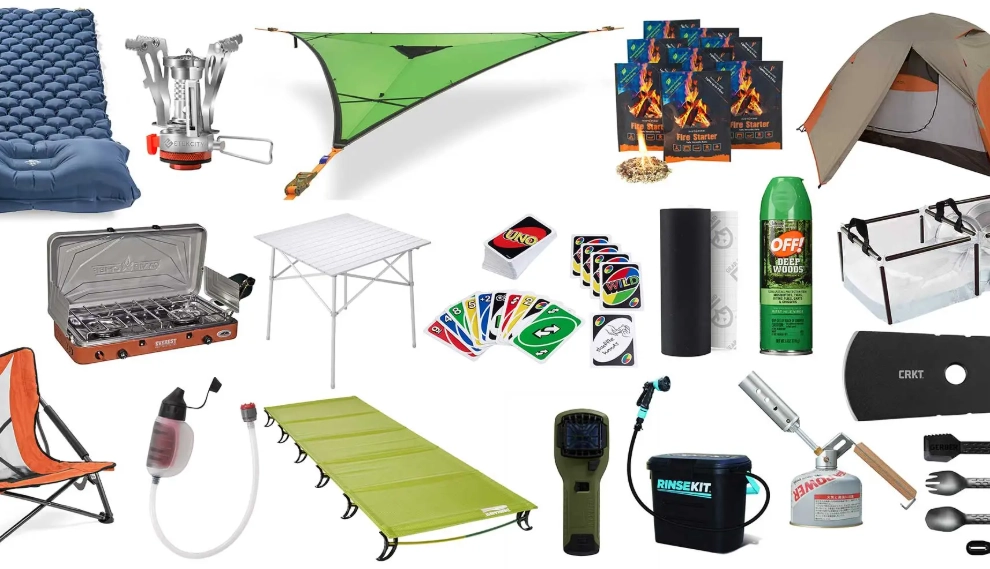
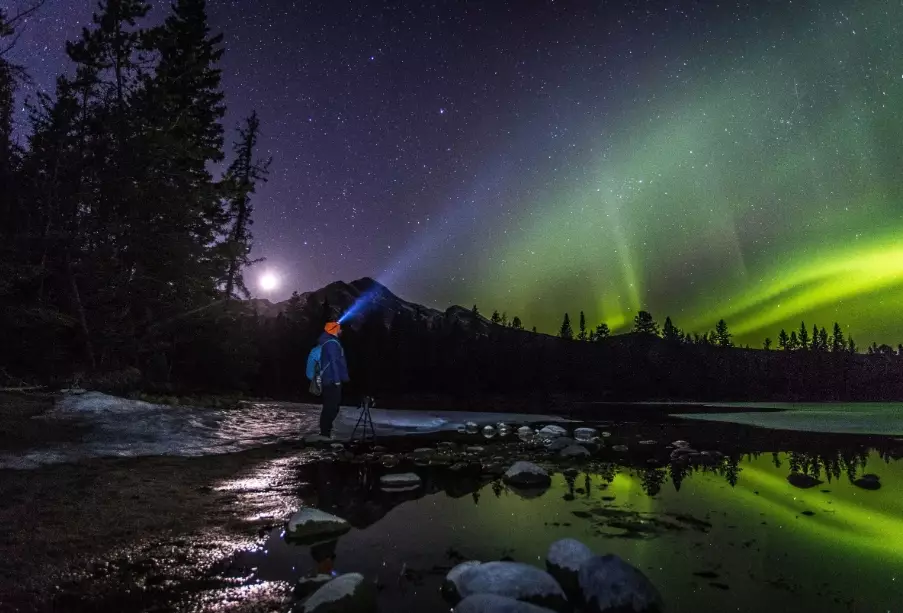
| The 10 Essentials | Non-Negotiable | Headlamp, first-aid kit, fire starter, extra food, extra layers, sun protection, knife, shelter (emergency bivy). |
| Trekking Poles | Highly Recommended | They save your knees on descents (30% less impact) and provide stability on uneven terrain. The best $50 you'll spend. |
| Satellite Communicator | Nice-to-Have (for remote hikes) | Devices like a Garmin inReach. No cell service? This can send SOS and texts. Rent one before buying. |
My first big hike, I packed like I was moving house. My pack weighed 25 pounds for a day hike. I was exhausted by mile two. The goal is to be light but prepared. Layer your clothing—a moisture-wicking base, an insulating mid-layer (fleece), and a waterproof/windproof shell. Cotton is your enemy; it holds moisture and steals body heat.
Mountain Hiking Safety: Protocols You Can't Ignore
Safety isn't a chapter; it's the theme of every decision. Weather in the mountains changes fast. A sunny forecast at the base can mean a lightning storm on the exposed ridge. Check the weather for the summit elevation, not the town.
Understanding and Mitigating Real Risks
Altitude Sickness: It can hit anyone above 8,000 feet. Symptoms are headache, nausea, dizziness. The only cure is to descend. Acclimatize by spending a night at a higher elevation before a big hike.
Hypothermia: Can occur even in 50°F (10°C) weather if you're wet and windy. Those extra layers in your pack? Put them on before you get cold.
Getting Lost: The most common error is not looking back. Turn around frequently to memorize the trail as it looks on your return. If you lose the trail, STOP. Retrace your steps to the last known marker. Don't just push forward hoping it reappears.
According to a multi-year analysis by the National Park Service, the leading causes of hiking incidents are falls, getting lost, and medical issues (often cardiac). Being prepared directly addresses these.
Top 3 Mountain Trails for Different Experience Levels
Here are three iconic trails that perfectly represent a progression in mountain hiking. Each offers a distinct challenge and reward.
1. For Beginners: Acadia National Park's Gorham Mountain Trail (Maine, USA)
This is your perfect first mountain. It feels wild but is manageable. You get ocean views almost the entire way up a granite dome.
Stats: 3.5 miles round trip, 525 ft elevation gain.
Why it's great for beginners: Well-marked, gradual climb, incredible payoff for the effort. The summit is a vast, open rock slab perfect for a long lunch.
Logistics: Requires a Acadia National Park entrance pass. Parking at the Sand Beach entrance. Best seasons: Spring through Fall.
2. For Intermediate Hikers: The Dragon's Back (Hong Kong)
Yes, Hong Kong. This trail shatters expectations, offering rugged coastal mountains with a skyline view. It's a rollercoaster along a narrow ridge.
Stats: 5 miles point-to-point, 1,150 ft cumulative gain.
Why it's intermediate: Exposed ridges, some steep, rocky scrambles requiring hands. Requires route-finding attention and confidence with exposure.
Logistics: Free, no permit. Start at To Tei Wan village (reachable by bus/taxi). End at Tai Long Wan beach where you can get a sampan boat or hike out. Bring ample water, as there are no services on the ridge.
3. For Advanced Hikers: The Presidential Traverse (White Mountains, New Hampshire, USA)
This is a rite of passage. It bags multiple 4,000+ foot peaks in a single, grueling, spectacular push above the tree line.
Stats: 20-23 miles point-to-point, 8,500-9,000 ft of elevation gain. Typically done in 1-2 very long days.
Why it's advanced: Mileage, elevation, and most critically, the weather. It's infamous for rapidly shifting, severe conditions even in summer. Requires meticulous planning, full gear for four seasons, and endurance.
Logistics: Requires two cars or a shuttle service. Must monitor the Mount Washington Observatory Higher Summits Forecast religiously. Hut stays (AMC) can be booked to break it up.
Advanced Techniques: Moving Beyond the Basics
Once you're comfortable on marked trails, the mountain opens up. Here’s what to learn next.
Scrambling: This is the gray area between hiking and rock climbing. It involves using your hands for balance and progress on steep rock. Rule #1: Always be able to reverse your moves. If you can't climb down it, don't climb up it.
Off-Trail Navigation: Using a topo map and compass to travel where there is no path. Start in a safe, forested area with a clear objective (like a small pond). Practice identifying contour lines, taking bearings, and navigating around obstacles.
Pacing for Long Days: The secret isn't speed; it's consistency. Find a rhythm where you can breathe comfortably (the "talk test") and stick to it. Take short, frequent breaks (5 minutes every hour) rather than long, infrequent ones.
Your Mountain Hiking Questions, Answered
 Is it safe to hike a mountain trail alone?