What’s Inside This Guide
- Why Hike the Alps? Beyond the Postcard Views
- Planning Your Alps Hiking Adventure: The Nitty-Gritty
- Top Alps Hiking Regions & Trails: From Classic to Hidden Gems
- Essential Alps Hiking Tips: Staying Safe & Happy on the Trail
- Alps Hiking FAQ: Your Questions, Answered
- Making it Happen: Your Alps Hiking Action Plan
Let's be honest. When you think of Alps hiking, you probably picture those impossibly green valleys, craggy peaks touching the sky, and charming wooden chalets. And you're not wrong. The reality is even better, but it can also feel overwhelming. Where do you even start? Which country? Which trail? I remember planning my first trip, staring at a map covered in squiggly lines, feeling completely lost.
This guide is what I wish I had back then. We're not just going to list trails. We're going to talk about how to actually plan an Alps hiking adventure that fits you—whether you're a family looking for easy walks, a seasoned trekker wanting a challenge, or someone who just wants to see the famous spots without the biggest crowds.
Why Hike the Alps? Beyond the Postcard Views
Sure, the photos are stunning. But there's something about being there that a screen can't capture. The smell of pine needles and damp earth after a morning rain. The sound of cowbells echoing from a distant slope. The sheer scale of it all makes you feel wonderfully small. Hiking in the Alps isn't just exercise; it's a full sensory reset.
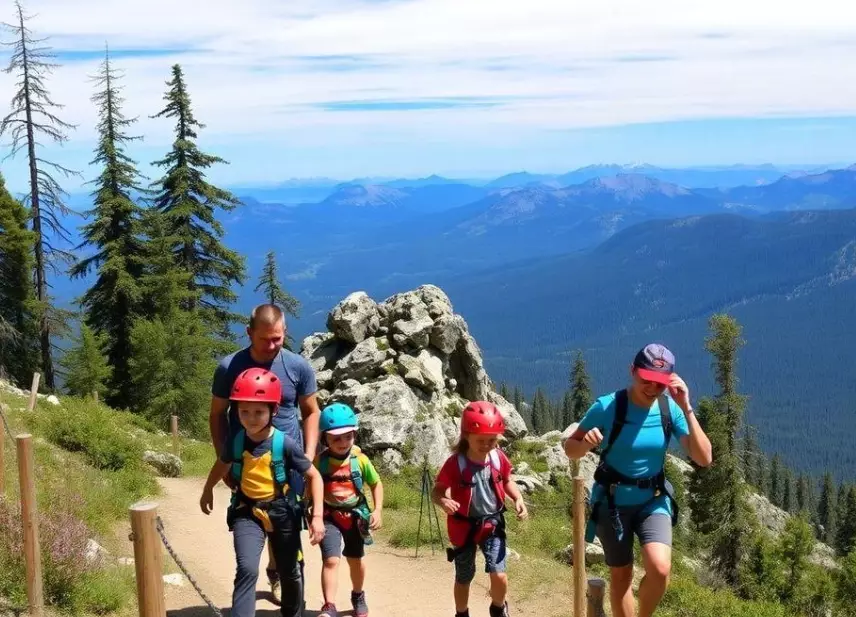
But is it really for everyone? I think so, if you pick the right route. The beauty of the Alps is the sheer variety. You don't have to be an ultra-marathoner. Some of the most rewarding experiences are on well-graded paths that weave through flower-filled meadows, with a cozy mountain hut waiting at the end.
The network of trails is insane. We're talking over 100,000 kilometers of marked paths, maintained by local alpine clubs. It's a hiker's playground that spans eight countries, each with its own flavor. Swiss precision and efficiency, French culinary pit-stops, Italian dolce vita vibes, and Austrian gemütlichkeit (coziness).
Planning Your Alps Hiking Adventure: The Nitty-Gritty
This is where most people get stuck. Let's break it down.
When to Go: It's Not Just About Summer
Most people aim for July and August. The weather is generally stable, all the high passes are open, and the wildflowers are out. It's also the most crowded time. Personally, I've grown to love the shoulder seasons.
- June & September: This is my sweet spot. Fewer people, cooler temperatures for hiking, and the trails are quieter. In September, you might get those first golden tints on the larch trees. Some very high-altitude huts might start closing late September, so check.
- July & August: Peak season. Guaranteed access, vibrant atmosphere, but book everything—huts, hotels, transport—months in advance. Afternoon thunderstorms are more frequent.
- October: Lower valley hikes are stunning with autumn colors. Higher trails start getting snow. It's a gamble, but a quiet and beautiful one.
Winter and spring are for ski touring and snowshoeing, which is a whole other world of Alps adventure.
Figuring Out Where to Stay: Huts vs. Hotels
This is a core part of the Alps hiking experience. You have options.
Then you have valley-based towns. Places like Chamonix (France), Zermatt (Switzerland), Cortina d'Ampezzo (Italy), or Innsbruck (Austria). You get more comfort, a wider choice of food, but you rely on cable cars or long walks to reach higher trails each day. It's a trade-off.
I usually mix it up. A few nights in a comfortable guesthouse to recharge, then a couple of nights in huts for that authentic high-alpine feel.
The Gear You Actually Need (And What You Can Skip)
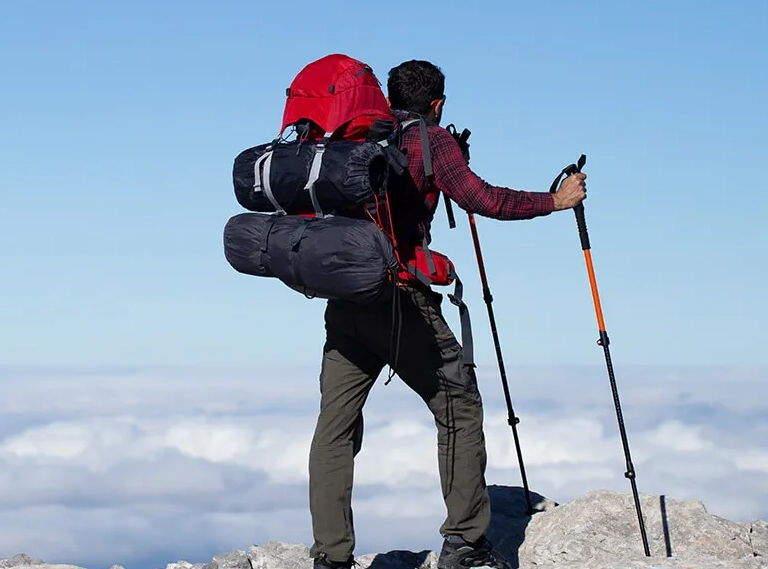
You don't need the latest ultra-light, carbon-fiber everything. But you do need the right basics. The weather in the mountains changes fast.
My non-negotiable list for a summer Alps hiking trip:
- Sturdy, broken-in hiking boots: Ankle support is key on rocky, uneven trails. Trail runners are only for very light, fast packs on good paths.
- The layering system: A moisture-wicking base layer, a warm mid-layer (fleece or lightweight down), and a waterproof/windproof outer shell. Never hike without the shell, even if the sky is blue.
- Good socks: Merino wool is worth every penny. Blisters can ruin a trip.
- A decent backpack (25-35L for day hikes): With a rain cover.
- Sun protection: The sun is fierce at altitude. High-SPF sunscreen, lip balm, sunglasses, and a hat or cap.
- Navigation: A physical map and compass as backup, even if you use a phone app like Komoot or a GPS device. Phone batteries die.
You can leave behind heavy guidebooks. Most tourist offices provide excellent, free local walking maps. And that fancy camping gear? Wild camping is generally restricted or forbidden in most Alpine regions to protect the environment, so check local rules rigorously.
Top Alps Hiking Regions & Trails: From Classic to Hidden Gems
Okay, let's talk trails. This is the fun part. I've split them into classics you've heard of, and some personal favorites that are a bit off the main radar.
The Classics (They're Popular for a Reason)
These are the iconic Alps hiking routes. They require planning, fitness, and advance bookings, but they deliver epic, lifelong memories.
| Trail Name | Country/Region | Key Info | Why It's Special |
|---|---|---|---|
| Tour du Mont Blanc (TMB) | France, Italy, Switzerland | ~170 km, 10-12 days, high-level trek | The ultimate circumnavigation of Europe's most famous mountain. Incredible variety of scenery, cultures, and food. Crowded in August. |
| Haute Route (Chamonix to Zermatt) | France, Switzerland | ~180 km, 12-14 days, challenging | A more strenuous, high-altitude classic linking two mountaineering capitals. Glaciers, epic passes, and finishing with the view of the Matterhorn. |
| Eagle Walk (Adlerweg) | Austria (Tyrol) | ~420 km total, split into 33 stages | You don't have to do it all! The stages around the Innsbruck area are easily accessible and offer stunning day hikes or short tours. Well-signed and hut-to-hut options. |
| Alta Via 1 (Dolomites) | Italy (Dolomites) | ~120 km, 10-11 days | Otherworldly limestone landscapes, dramatic spires, and incredible via ferrata options. The rifugi (Italian huts) often have the best food. |
For the TMB, the official Autour du Mont Blanc website is an indispensable planning resource.
Hidden Gems & Local Favorites
Want to escape the crowds on your Alps hiking trip? These areas offer phenomenal scenery with a fraction of the people.
- The Ötztal Alps, Austria: Beyond the famous ski resort of Sölden lies a hiker's paradise. The Tirol tourism site details amazing circuits like the trek to the Braunschweiger Hut, with views of wild glaciers. The public bus system here is top-notch, making logistics easy.
- Queyras Regional Natural Park, France: South of the crowded Ecrins, this is a drier, sunnier corner of the French Alps. Authentic villages, ancient larch forests, and a fantastic long-distance trail, the GR58. It feels more remote and raw.
- Val Masino & Val di Mello, Italy: North of Lake Como, this valley is pure magic. Granite peaks, crystal-clear pools, and waterfalls. It's a playground for rock climbers, but the hiking trails through the lower Val di Mello are like something from a fairy tale and are perfect for families.
- The Swiss Jura: Not the high Alps, but the rolling limestone mountains along the French-Swiss border. The SwitzerlandMobility trail network here is impeccable. You get endless forest and pasture walks with long-range views of the Alps across Lake Geneva. Perfect for a quieter, gentler trip.
Essential Alps Hiking Tips: Staying Safe & Happy on the Trail
Guidebooks don't always tell you this stuff.
Respect the Mountain Weather. Always check the detailed alpine forecast (not just the town forecast) before you head out. Sites like MeteoSwiss or Météo-France have specific mountain pages. The classic pattern: clear mornings, clouds building by midday, possible afternoon thunderstorms. Aim to be off exposed ridges and peaks by early afternoon.
Start Early. This is the single best piece of advice for Alps hiking. You get calm weather, soft light for photos, and trails to yourself. By 11 am, the day-trippers arrive.
Know the Trail Signs. Trail marking is generally excellent. Learn the local system: in Switzerland, yellow signs indicate walking paths; white-red-white markings are for mountain trails; blue-white-blue is for alpine routes (requires experience and equipment). In France, the famous GR trails are marked with red-and-white stripes.
Leave No Trace. This should be obvious, but I still see litter. Pack out everything. Stay on marked trails to protect fragile alpine flora. The Leave No Trace Center for Outdoor Ethics principles are your bible.
Embrace Public Transport. The train and bus networks in Alpine regions are phenomenal. The Swiss Travel System is legendary, but Austria's ÖBB and France's SNCF are also great. A regional pass (like the Bernese Oberland Pass or Tyrol Card) can save you a fortune on cable cars and buses, and lets you design point-to-point hikes without needing a car.
Alps Hiking FAQ: Your Questions, Answered
Making it Happen: Your Alps Hiking Action Plan
So you're convinced. Here's a simple 5-step plan to go from dreaming to booking.
- Pick Your Vibe & Time: Classic high trek (TMB)? Relaxed valley-based walks? 4 days or 2 weeks? Late June or September?
- Choose a Base Region: Based on your vibe, pick one or two regions from the list above. Don't try to cover too much ground.
- Research & Book Logistics: This is the key. Check train/bus connections on official sites (SBB for Switzerland, SNCF for France). Book your first and last night's accommodation. For multi-day treks, secure your hut beds.
- Get Fit & Test Gear: Start walking with your loaded backpack now. Break in those boots. Nothing ruins a trip faster than blisters on day one.
- Pack & Go with Flexibility: Pack your bag using the list above. And then… be ready to adapt. The mountain decides the weather. Have a plan B for a rainy day (a lower valley walk, a museum, a spa).
The Alps have been drawing walkers for centuries. There's a reason for that. The combination of accessible beauty, incredible infrastructure, and that deep sense of peace you only get in big mountains is hard to beat.
Just remember to pack that sunscreen. I still kick myself for that one.