You type "what are some examples of trails" into Google. You probably get a generic list: Appalachian Trail, Pacific Crest Trail, maybe a local park loop. That's not helpful. You're not just looking for names; you're trying to picture yourself on one. You need to know what it feels like, what it requires, and if it's right for you, your family, or your weekend plans.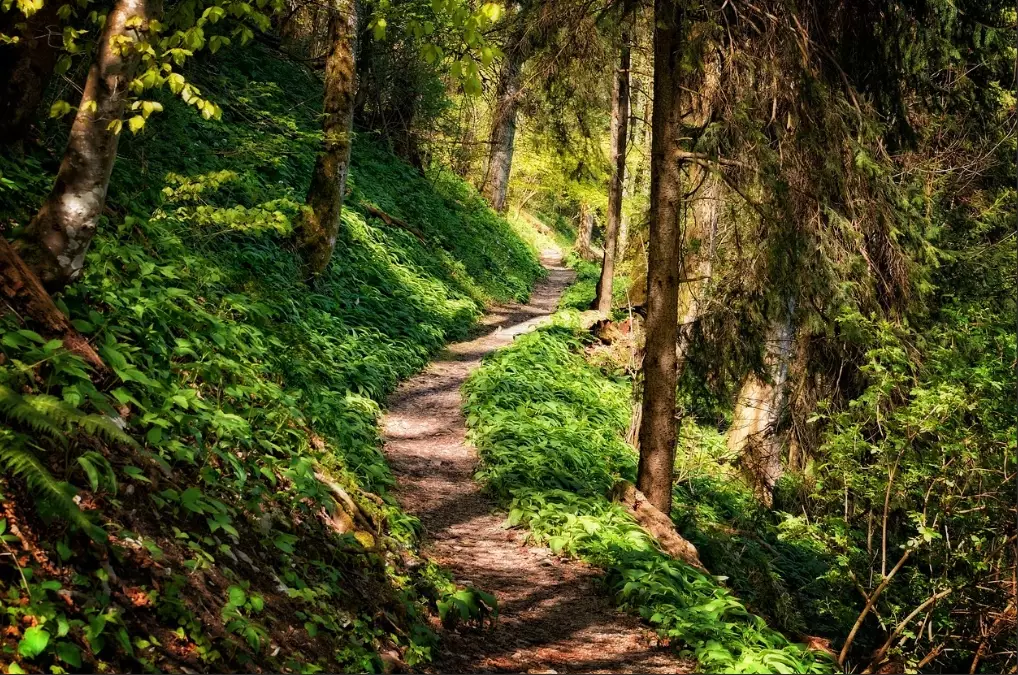
A trail isn't just a line on a map. It's a promise of an experience. The crunch of gravel under sneakers, the quiet focus of a rocky climb, the shared silence of a family watching a deer. Let's move past the famous names and talk about trails by their true character—their personality, their challenges, and the specific memories they create.
Quick Trail Finder
1. Family-Friendly & Beginner Trails: Where Success is Guaranteed
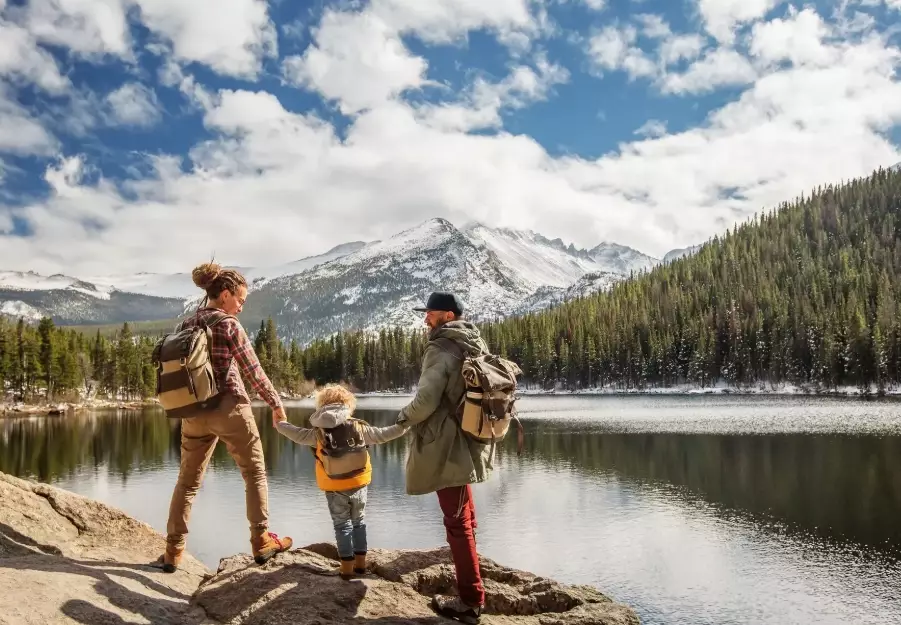
This is where most people should start, but ego often gets in the way. A great family trail has three things: a clear payoff (waterfall, lake, cool rocks), a safe, wide-ish path, and a round-trip time under two hours. Forget mileage—a two-mile hike with a toddler can feel like an expedition.
Real-World Example: Trail of the Cedars, Glacier National Park, Montana, USA.
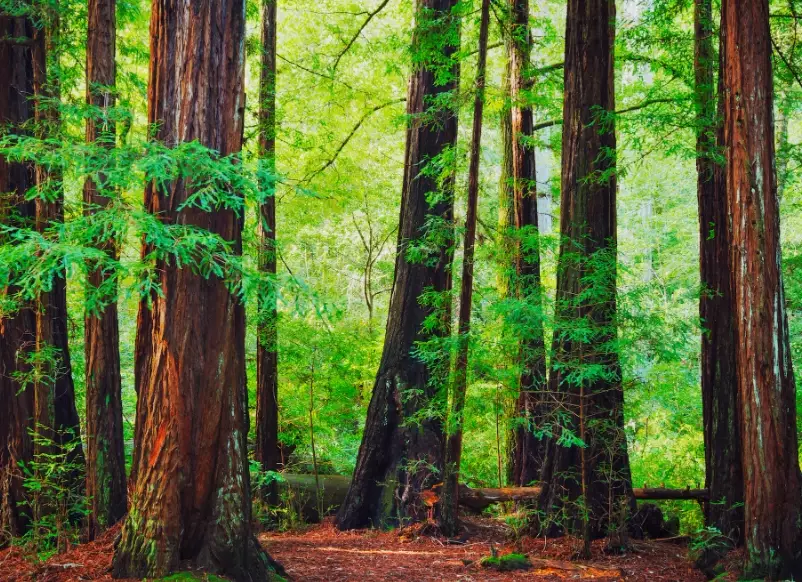
This is a masterclass in accessible beauty. It's a 1-mile loop, almost completely flat and boardwalk-paved. You're immediately immersed in a dense, ancient cedar forest so thick it feels like a cathedral. The air is cool and smells like earth. Halfway through, you get a stunning view of a turquoise glacial stream crashing through a narrow gorge. I've seen kids more fascinated by the giant skunk cabbage plants and the sound of the water than by any screen.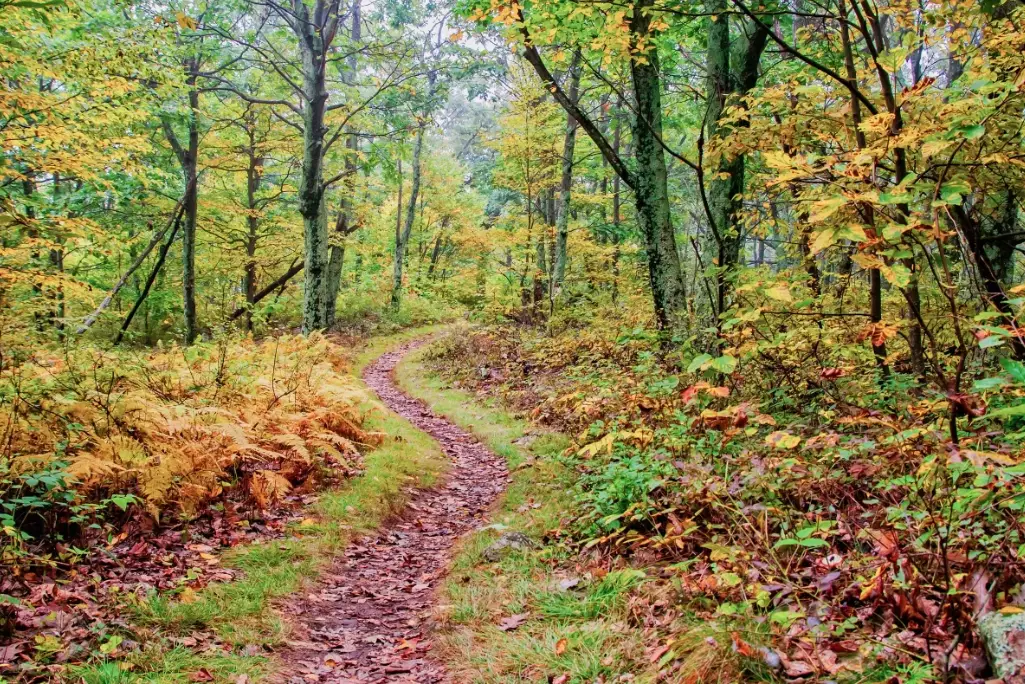
Planning This Hike: No permit needed. Parking at the Avalanche Creek area fills by 9 am in summer—go early or use the park's shuttle. The trailhead has real bathrooms. Combine it with a picnic at Lake McDonald afterward. Total time: a leisurely 45-60 minutes of walking.
The Beginner's Trap to Avoid
Don't confuse "short" with "easy." A half-mile trail straight up a hillside is not beginner-friendly. Look for keywords like "loop," "paved," "boardwalk," or "nature trail." Check the elevation profile on AllTrails or the park's official map—if it looks like a heart rate monitor, pick something else for your first time.
2. Scenic Payoff Trails: The Postcard Hike
These are the hikes you see on Instagram. The goal is singular: get to that iconic viewpoint, waterfall, or alpine lake. The walk itself is part of the journey, but the destination is the star. Crowds are almost guaranteed, so mindset matters.
Real-World Example: Hooker Valley Track, Aoraki / Mount Cook National Park, New Zealand.
Three suspension bridges, relentless views of New Zealand's highest peaks, and a terminal glacial lake at the end. It's 10 km (6.2 miles) return, but with barely 100 meters of elevation gain—it's essentially flat. You're walking on a well-formed gravel path through a vast, open valley. The scale is humbling. You hear icebergs calving in the distance before you see the milky blue lake dotted with them.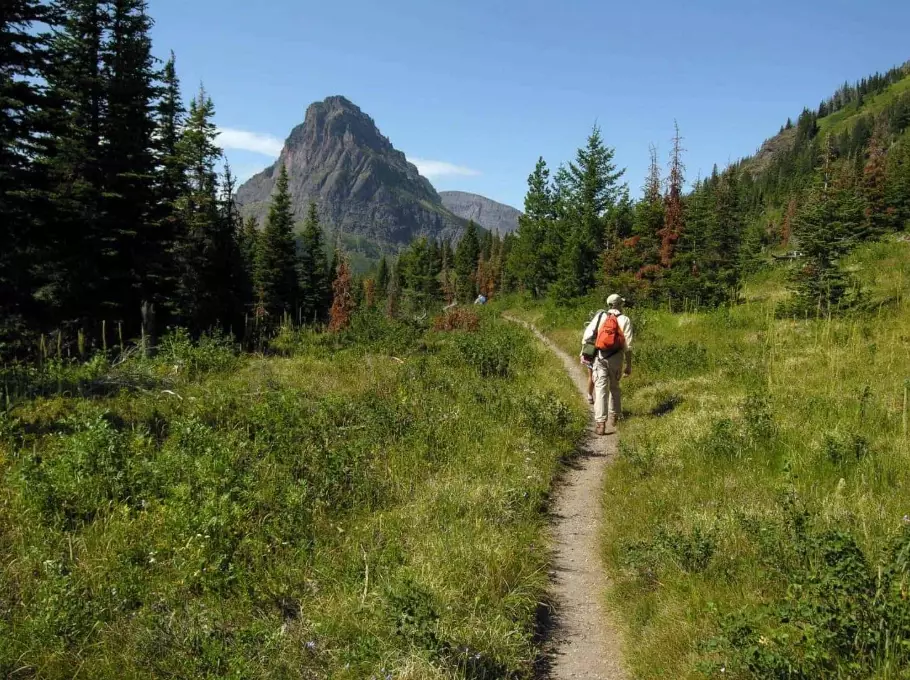
| Trail Feature | What It Means For You |
|---|---|
| Distance & Gain | 6.2 mi round trip, ~300 ft gain. A long walk, not a hard climb. Train your feet, not your quads. |
| Surface | Gravel path. Good for sturdy sneakers or hiking shoes. No technical skill needed. |
| Crowd Factor | High. Start at sunrise for solitude and the best light on the mountains. After 10 am, it's a procession. |
| Weather Watch | This is alpine terrain. Sun, rain, and cold wind can happen in one hour. Pack layers, a rain jacket, and a warm hat. |
3. The Leg-Burner: Challenging Day Hikes
Now we're talking. These trails demand fitness, proper gear (hello, hiking poles), and mental stamina. The reward is earning a view few see, or the deep satisfaction of pushing yourself. This category is where most injuries happen because people overestimate their ability.
Real-World Example: The Inca Trail to Machu Picchu, Peru (The 4-Day Classic).
Yes, it's multi-day, but each day is a distinct, challenging hike. Day Two is the infamous climb over Dead Woman's Pass at 13,800 ft. The challenge isn't just the altitude; it's the relentless Inca staircases. You're not walking on dirt—you're climbing uneven, often wet, stone steps for hours. It's a full-body workout. The magic, though, isn't just Machu Picchu. It's the lesser-known ruins you have to yourself at sunrise, the cloud forests, and the camaraderie around the mess tent.
You can't just show up. You need a permit booked months in advance with a licensed operator, and you should train specifically for stair climbing with a weighted pack.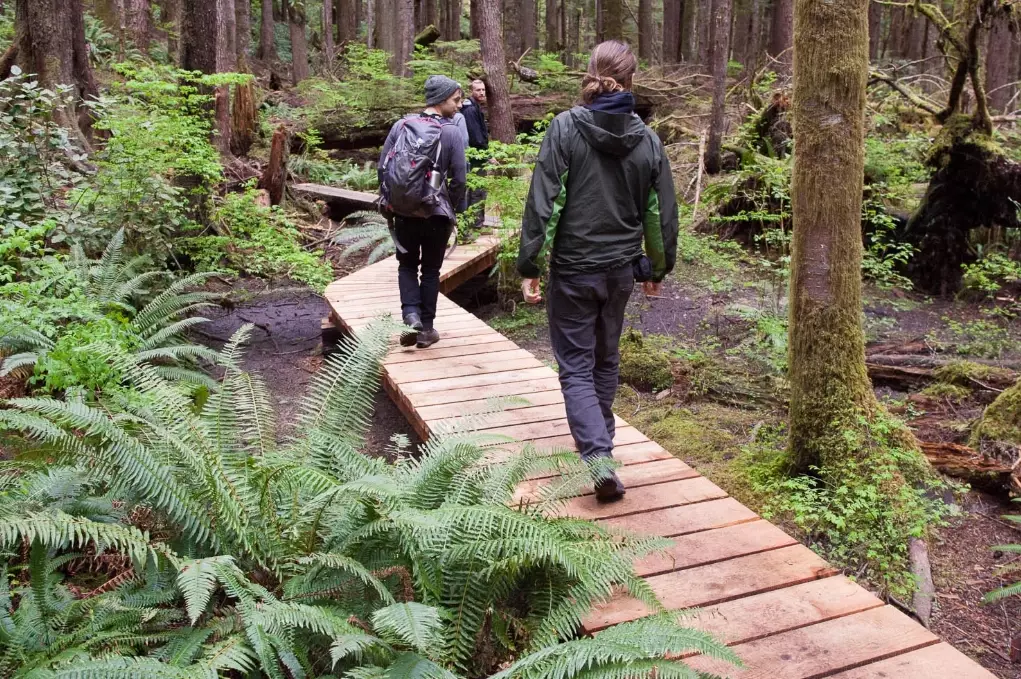
4. Historical & Cultural Trails: Walking Through a Story
The terrain is secondary to the narrative. These paths connect you to the past in a way a museum can't. You walk where soldiers marched, where indigenous traders carried goods, where gold rushers scrambled.
Real-World Example: Hadrian's Wall Path, Northern England.
An 84-mile coast-to-coast trail following the ruins of a Roman frontier wall built in 122 AD. You can do a short day section, like from Housesteads Roman Fort to Steel Rigg. For 4 miles, you're walking on a ridge line, the wall's foundations beside you, with sweeping views over the wild Northumberland landscape the Romans were trying to control. You pass milecastles (small forts) and see the strategic genius of the placement. It's a hike and a history lesson fused together. The path is generally clear but can be muddy—waterproof boots are a must.
5. Urban & Greenway Trails: Nature in the City's Spine
These are the unsung heroes of the trail world. They prove you don't need a national park to have a great walk. Often built on retired rail lines or along waterways, they're flat, well-maintained, and connect communities.
Real-World Example: The 606, Chicago, Illinois, USA.
A 2.7-mile elevated rail trail on Chicago's northwest side. You're walking and biking 20 feet above city streets, through neighborhoods, with the skyline as your backdrop. It's buzzing with life: runners, commuters on bikes, families with strollers. You get a unique, moving perspective of the city. Access is free, it's open from 6 am to 11 pm, and you can hop on/off at multiple street-level access points. It's the perfect example of a trail as public space and transportation corridor, not just a recreational escape.
6. Universally Accessible Trails: Designed for Everyone
These trails are engineered to be usable by people of all abilities, including those using wheelchairs or mobility devices. They feature firm, stable surfaces (paved or packed stone), gentle grades (usually under 5%), and wide pathways. They are some of the most thoughtfully designed and rewarding paths out there.
Real-World Example: Rim Trail (Portions), Bryce Canyon National Park, Utah, USA.
Sections between Sunrise and Sunset Points are paved and virtually flat, offering arguably the park's most famous views directly over the amphitheater of hoodoos. You roll or walk right to the edge of one of the world's most unique landscapes. The National Park Service provides detailed accessibility guides. It’s a powerful reminder that breathtaking nature should be, and can be, available to everyone.
7. The Epic Long-Distance Trail (LDT): A Lifestyle, Not a Hike
These are the legends. They transform you. A long-distance trail is less about daily scenery and more about the rhythm of trail life—the weight of your pack, the search for water, the trail community, and the mental game of walking for weeks or months.
Real-World Example: The Tour du Mont Blanc (TMB), France, Italy, Switzerland.
A ~110-mile circuit around the Mont Blanc massif. It's the classic European alpine trek. You're not just on a trail; you're crossing three countries, staying in mountain refugios, eating cheese and charcuterie, and facing colossal passes every day. The variety is insane: one day you're in a lush Swiss valley, the next you're on a rocky, exposed ridge in Italy.
Doing a Section vs. The Whole Thing: You don't need 10 days. The beauty of many LDTs is you can sample them. On the TMB, do a 3-day section from Courmayeur to Champex-Lac. You still get the high passes, the rifugio experience, and the sense of journey, condensed. It makes the dream logistically possible for most people with jobs.
The trail examples above aren't just a list. They're a menu of experiences. Your next step isn't picking a name; it's asking: What do I want to feel? Tired and accomplished? Curious and educated? Relaxed and connected with my family?
Start there. The right trail will follow.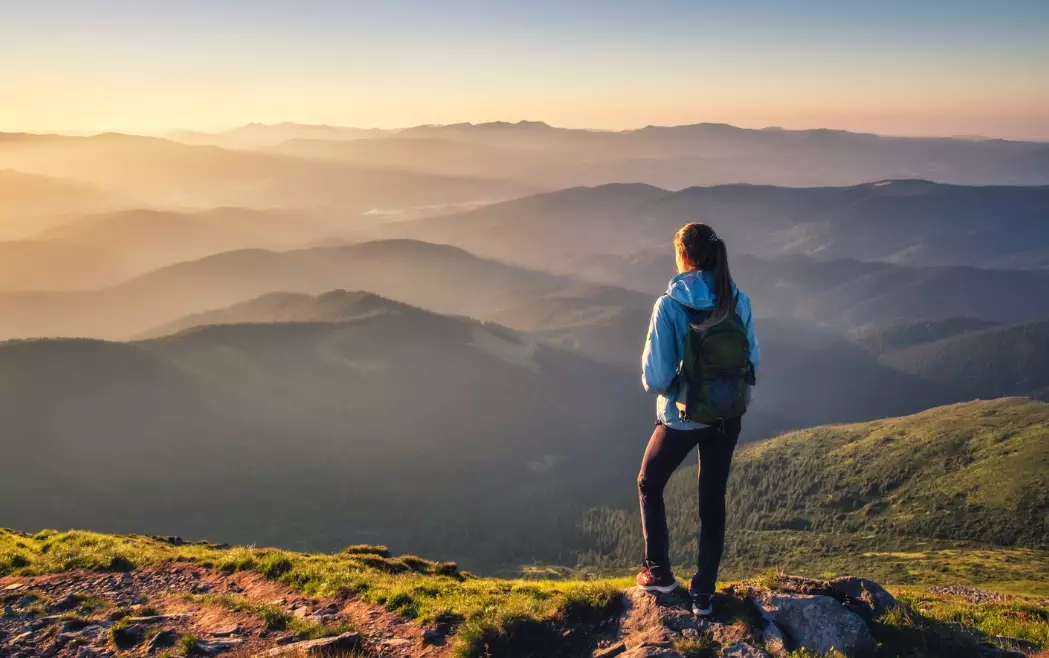
Your Trail Questions, Answered
How do I choose the right trail for my first hike?
What essential gear do I need beyond shoes and water?
 What does 'moderate' difficulty really mean on a trail description?
Are there good trails for young children or strollers?