Your Camping Quick Guide
- First Things First: Picking Your Park (It's Not Just About the Pretty Pictures)
- The Reservation Rodeo: How to Actually Get a Site
- Gear: What You Really Need (And What You Don't)
- Playing by the Rules: Campground Etiquette & Safety
- Leveling Up: Beyond the Frontcountry Campground
- Answering Your Burning Questions (The FAQ You Actually Need)
- Wrapping It Up: Your Action Plan
Let's be honest. The idea of camping in a national park sounds incredible. Waking up to misty mountains, falling asleep under a blanket of stars you can actually see, that whole communion-with-nature thing. But how do you even begin? The websites are confusing, the reservation systems feel like a competitive sport, and the packing lists you find online seem designed for a Himalayan expedition, not a weekend in Yosemite Valley.
I remember my first attempt. I showed up at a popular park without a reservation (rookie mistake), ended up in a crowded, noisy campground next to the bathrooms, and spent half the night listening to someone's generator. Not exactly the serene experience I'd pictured.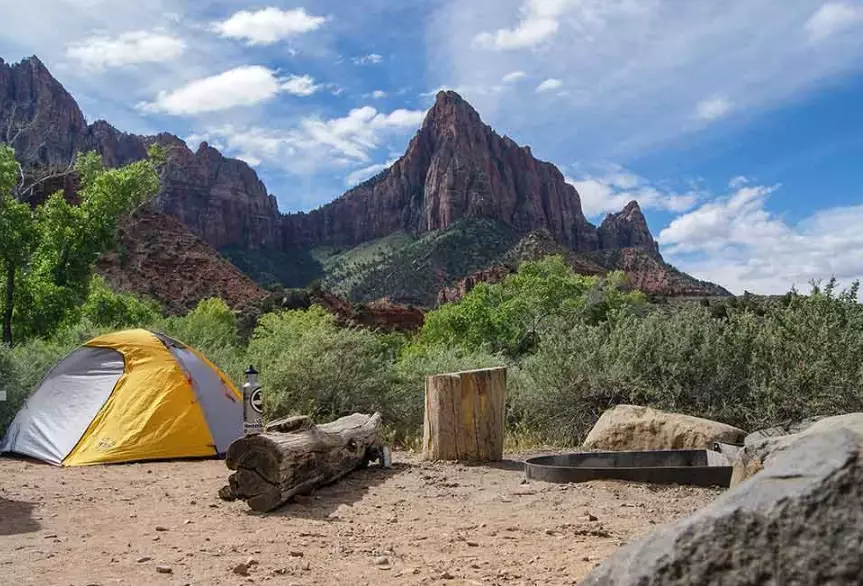
That's why I've put this national parks camping guide together. It's not just a list of parks. It's the manual I wish I'd had—a step-by-step walkthrough of the entire process, from that first spark of inspiration to packing up your dusty car at the end of a perfect trip. We'll cut through the noise, share some hard-won secrets, and make sure your adventure is more about memories and less about mishaps.
First Things First: Picking Your Park (It's Not Just About the Pretty Pictures)
You've seen the Instagram shots. But choosing a park for camping is a different beast than choosing one for a day trip. You need to think about what you actually want to do while you're based there, and what kind of home base you need.
Are you a hardcore hiker who wants to tackle backcountry trails at dawn? Or are you looking for a family-friendly spot with easy walks, a junior ranger program, and maybe even a shower facility? There's no wrong answer, but there is a wrong park for your style.
Here’s a quick breakdown of a few top contenders, focusing on the camping experience itself. This isn't a ranked list, but a "what fits you" list.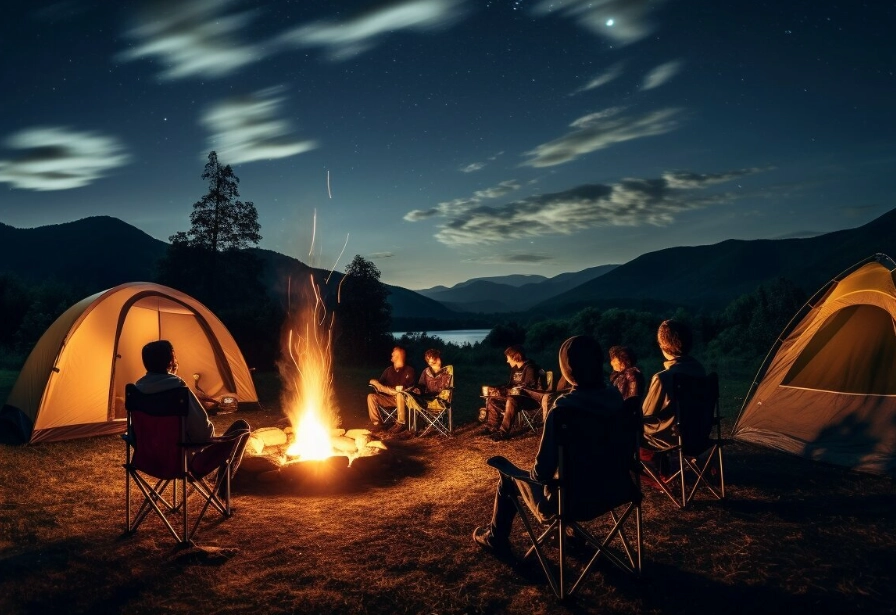
| Park (Example) | Camping Vibe | Best For | Booking Difficulty | My Personal Take |
|---|---|---|---|---|
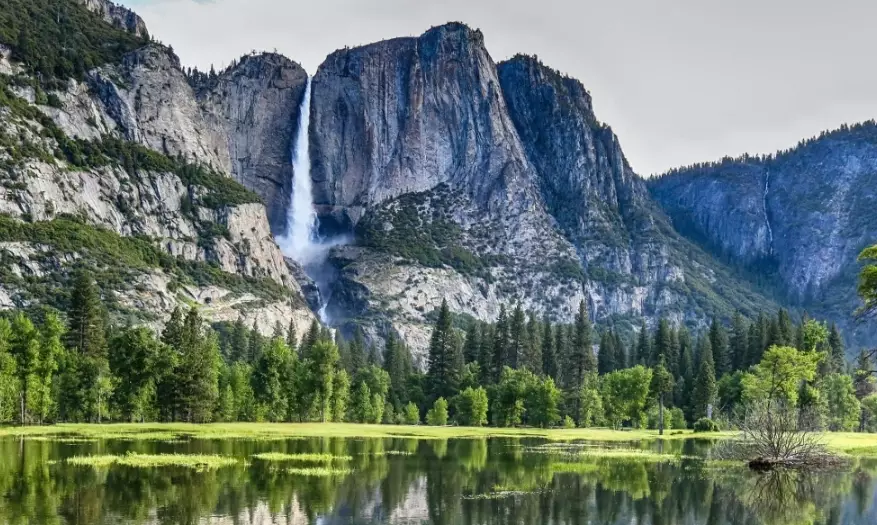
| Yosemite National Park (CA) | Iconic valley views, bustling campgrounds with lots of amenities (stores, showers). Can feel crowded. | First-timers who want the classic postcard experience and easy access to famous sights. | Extremely High. You need to be on Recreation.gov the second reservations open. | Unbeatable scenery, but the valley floor in summer is like camping in a small city. North Pines campground is my preferred spot if you can snag it. |
| Arches National Park (UT) | Red rock wonderland. The one main campground (Devils Garden) is fantastic but basic. It's all about the location. | Photographers, hikers, and stargazers. Minimalist campers who don't need frills. | Very High. Also on Recreation.gov and sells out instantly for peak season. | Waking up surrounded by those sandstone fins is magical. Zero cell service, which is a plus. Bring ALL your water. |
| Acadia National Park (ME) | Woodsy, coastal feel. Several campgrounds, some near the ocean sound. More private sites than western parks. | Families, cyclists (great carriage roads), and those who like a mix of forest and sea. | High, but two main campgrounds (Blackwoods, Seawall) offer more inventory than some. | Blackwoods is super convenient to Bar Harbor for a post-hike meal. Seawall is quieter. Fog can roll in and stay for days—pack a good rain jacket. |
| Great Smoky Mountains NP (TN/NC) | Forested, rustic, and mostly first-come, first-served (a huge pro for spontaneous planners). | Road-trippers, waterfall chasers, and anyone who hates the reservation scramble. | Low for frontcountry. Just show up early, especially on weekends. | Cades Cove campground is lovely but gets packed. For more solitude, look at the Cataloochee area. The "first-come" system is a blessing and a curse. |
See what I mean? It's about matching the park's reality to your expectation. A great national parks camping guide should help you make that match.
The Reservation Rodeo: How to Actually Get a Site
This is the part that stresses everyone out. It feels like trying to buy concert tickets for a Beatles reunion tour. But having a strategy changes everything.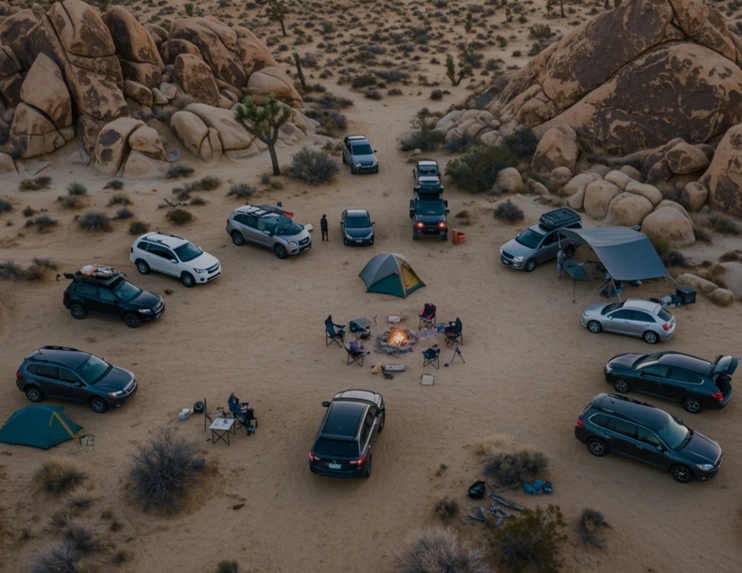
Most major parks use Recreation.gov. It's a clunky site, but it's the gatekeeper. Some, like Great Smoky Mountains, still have a mix of reservable and first-come, first-served sites. Always, always check the official National Park Service page for your specific park. That's your single source of truth. For example, if you're looking at Yosemite, you'd go straight to the NPS Yosemite camping page.
Here's my non-negotiable strategy:
- Know Your Dates & Be Flexible: If you must go July 4th weekend, prepare for battle. Adding just a couple of weekdays (like a Tuesday-Wednesday) vastly increases your odds.
- Create Your Account NOW: Don't wait until the morning reservations open. Have your profile on Recreation.gov filled out, with payment info saved. Those minutes spent typing your credit card number are minutes someone else is booking your site.
- Understand the Release Schedule: Most parks release sites 6 months in advance, but it's often at 7:00 AM or 8:00 AM Pacific Time, and it's a rolling window. Mark the date 6 months before your planned arrival on your calendar. Be logged in and ready 10 minutes early.
- Have Backup Campgrounds: Don't just aim for the most famous one. Pick 2-3 within the park you'd be happy with. If your first choice sells out in 30 seconds (it happens), you can immediately search for your second.
What About Cancellations?
This is the secret weapon. People's plans change constantly. If you miss the initial booking window, all is not lost. You need to become a cancellation hawk.
Recreation.gov allows you to modify or cancel reservations up to certain dates. People do this daily. The trick is to check the site frequently, especially in the evenings and about 2-4 weeks before your desired dates. There are also alert services (like Campflare, which I've used) that will ping you when a site becomes available. It's not cheating; it's being resourceful.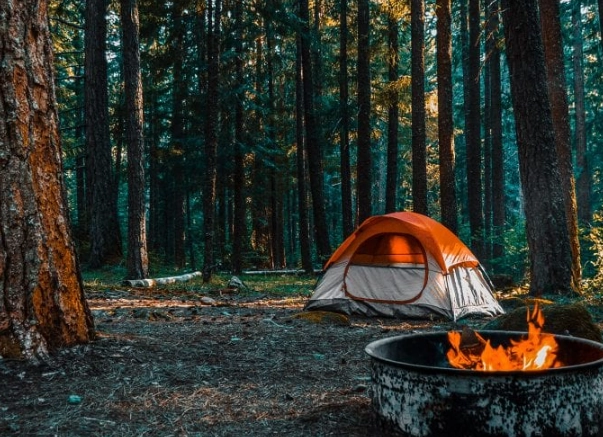
Gear: What You Really Need (And What You Don't)
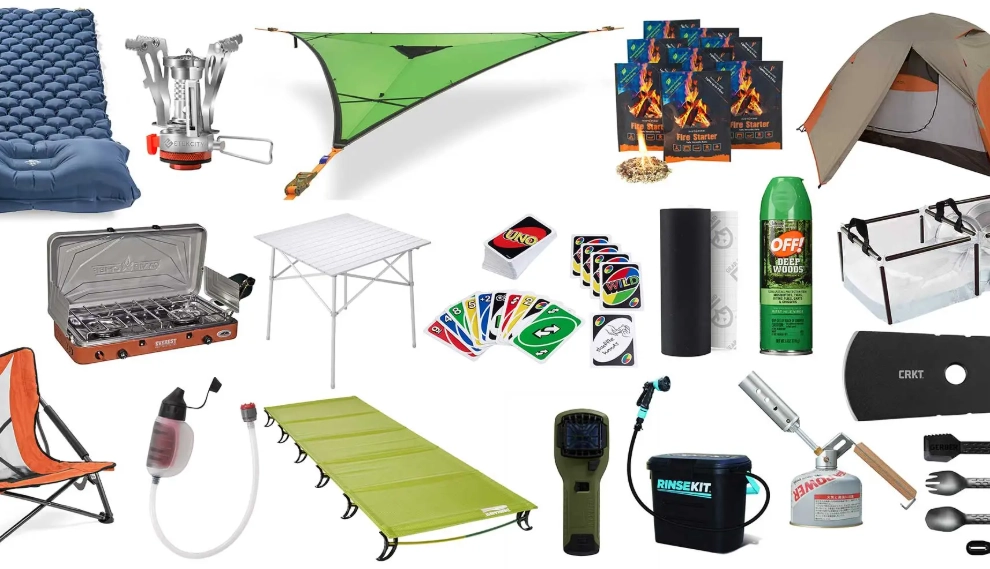
Gear lists can be endless. Let's simplify. Think in layers: Shelter, Sleep, Kitchen, Clothing, and Extras.
Shelter: A good tent. Not a "festival" tent. One with a solid rainfly and decent ventilation. Size up—if you have 2 people, get a 3-person tent. That extra space for your bags is a game-changer.
Sleep: This is where you splurge. A cheap sleeping bag on a thin foam pad equals a miserable night. Invest in an insulated sleeping pad (R-value of 3 or higher for most 3-season camping) and a bag rated for temperatures colder than you expect. I learned this the hard way in the desert—nights get cold!
Kitchen: A simple camp stove (a classic Coleman two-burner is fine for car camping), a cooler, one good knife, a spatula, a pot, and a pan. Don't overcomplicate meals. Pre-make and freeze chili or stew—it acts as extra ice in the cooler and makes dinner easy.
The "Don't Forget the Dumb Stuff" List: These are the items you always forget until you need them desperately.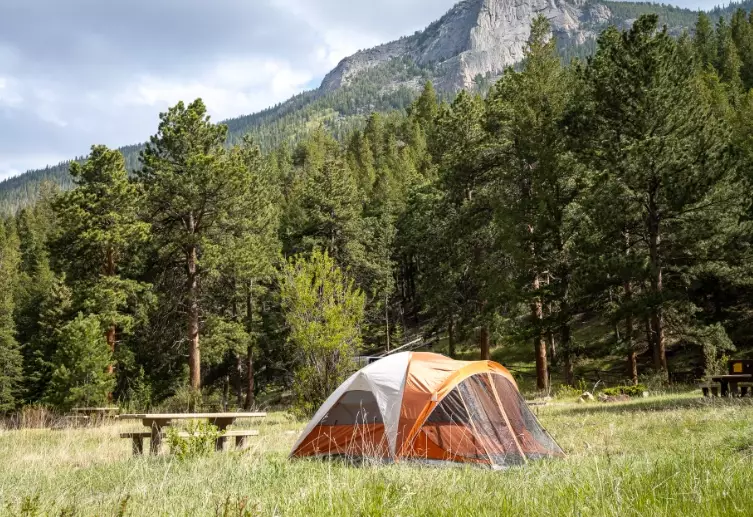
- Headlamp (with extra batteries). Hands-free light is essential.
- Multi-tool or pocket knife.
- Duct tape. For temporary tent repairs, securing things, etc.
- Biodegradable soap and a small basin for washing.
- Multiple trash bags and Ziplocs for organization and keeping smellables away from animals.
- A physical map. Cell service is a myth in most parks.
Playing by the Rules: Campground Etiquette & Safety
Campgrounds are shared spaces. Being a good neighbor isn't just polite; it's part of the experience.
Noise: Keep it down after quiet hours (usually 10 PM). This includes loud conversations, car doors slamming, and yes, generator use. If you need a generator, only run it during designated hours. Honestly, I try to avoid campgrounds that allow generators altogether—the constant hum kills the vibe.
Bears and Other Critters: This is serious, not just a suggestion. In bear country, you must use the provided food storage lockers (bear boxes) at your site. Never, ever leave food, trash, or even scented items like toothpaste or deodorant in your car or tent. A cooler is NOT bear-proof. In Yosemite or Glacier, rangers will ticket you for violations, and they're right to do so. A fed bear is a dead bear.
"Leave No Trace" isn't just a slogan. It means packing out every scrap of trash, staying on trails to protect fragile soil, and leaving rocks, plants, and artifacts exactly where you found them. Future campers should not be able to tell you were there.
Fire Safety: Only have fires in established fire rings. Never leave a fire unattended. Drown it with water until it's cold to the touch, not just smoldering. Check for fire restrictions—during dry summers, many parks ban wood fires entirely.
Leveling Up: Beyond the Frontcountry Campground
Once you've mastered the drive-in campground, a whole new world opens up. This is where a national parks camping guide gets really interesting.
Backcountry/Wilderness Camping: This is hiking into a remote site with everything on your back. It requires more planning (permits are almost always required, and quotas are strict), more skill, and lighter gear. But the reward is profound solitude. You can find info and apply for permits on each park's NPS website. For example, the process for Glacier National Park's backcountry is detailed and competitive.
Alternative Camping on Public Lands: Can't get a park site? Look at the surrounding National Forests or Bureau of Land Management (BLM) land. They often allow dispersed camping—camping outside of designated sites for free. The rules vary, so you need to check with the local ranger district. It's more rugged (no toilets, no water), but it offers incredible freedom and is a perfect fallback plan.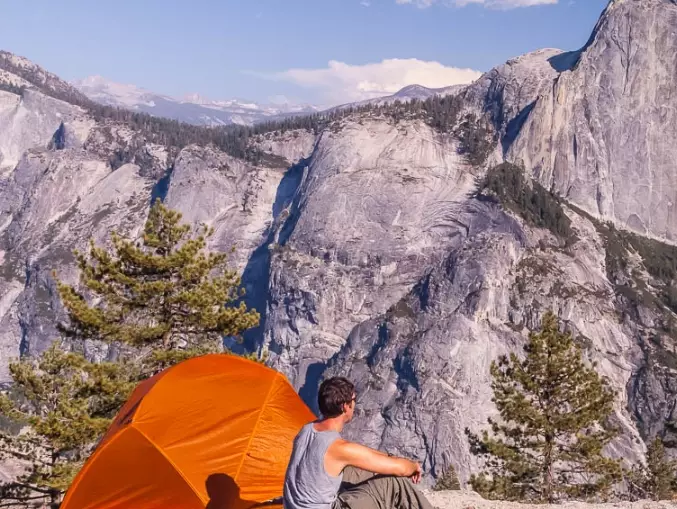
Answering Your Burning Questions (The FAQ You Actually Need)
This is a big one, and the answer is usually very restrictive. In most national parks, pets are not allowed on trails, in the backcountry, or often even on the beach. They are typically limited to paved areas, campgrounds, and must be leashed at all times. It's a major bummer for dog owners, but it's for the protection of wildlife and your pet. Always, always check the specific park's pet policy. National Forests are generally much more pet-friendly.
Frontcountry campgrounds have vault toilets (pit toilets) or flush toilets. They're basic but fine. Bring your own toilet paper just in case. For backcountry camping, you'll need to learn and practice Leave No Trace principles for human waste: digging a "cathole" 6-8 inches deep at least 200 feet from water, trails, and camp. Pack out your toilet paper in a baggie. It's not glamorous, but it's essential.
Sometimes. Many developed campgrounds have potable water spigots. But many do not. Your confirmation details or the park's website will say. Never assume. Always be prepared to bring in all your drinking and cooking water, or have a reliable water filter to treat water from a designated source. I carry a 5-gallon jug for car camping and a Sawyer filter as backup.
You get wet. No, seriously. Have a rain plan. A tarp and some paracord to string up an extra dry area over your picnic table is a sanity-saver. Waterproof stuff sacks for your gear. And the right mindset: a rainy day in a tent with a book and a hot drink can be just as memorable as a sunny hike. My worst camping trip (a relentless 48-hour downpour in Olympic NP) is now one of my funniest stories.
Wrapping It Up: Your Action Plan
So, where do you start right now?
- Dream & Research: Pick 2-3 parks that match your desired experience. Devour their official NPS pages.
- Target Dates & Set Alerts: Mark the 6-month booking date on your calendar. Create your Recreation.gov account.
- Gather Gear: Focus on sleep system and shelter first. Borrow or buy used to start.
- Practice: Do a backyard or local state park shakedown night. You'll discover what you forgot (it's always the can opener).
- Be Flexible & Have Fun: Something will go slightly wrong. It always does. That's part of the story. The goal isn't perfection; it's connection—to the place and the people you're with.
A great national parks camping guide shouldn't just give you information; it should give you confidence. The confidence to navigate the annoying logistics so you can get to the good part: sitting by your campfire, tired and happy, planning tomorrow's adventure under a sky full of stars. That's the real goal. Now go get it.