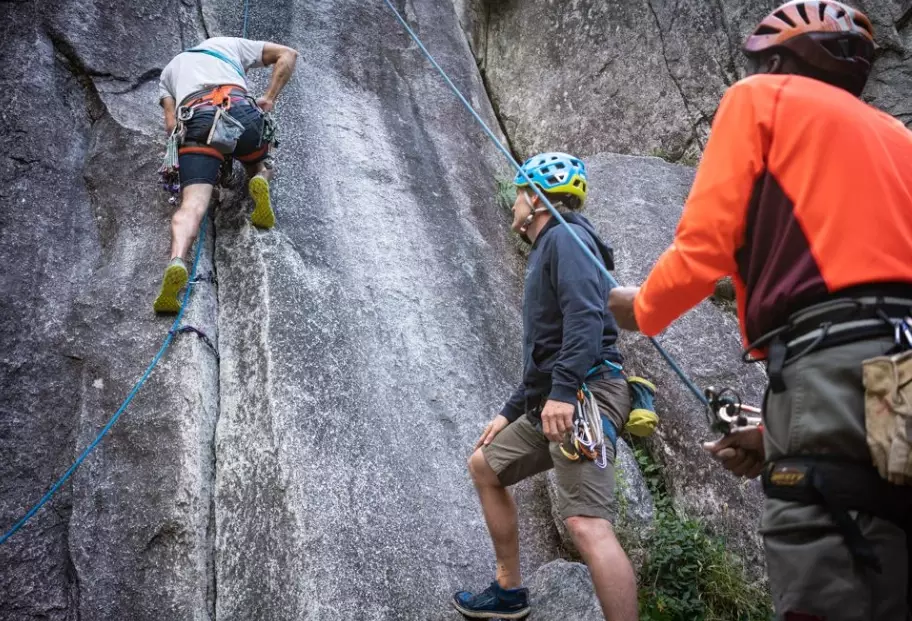
I remember my first real climbing lesson. I was strong, I was motivated, and I was utterly useless on a 5.6 slab. My arms burned out in minutes while my more experienced partner floated up the same route, barely breaking a sweat. The difference wasn't strength. It was a complete lack of understanding of the fundamental mechanics of moving on rock. We all start by just grabbing and pulling, but progress hits a wall fast without technique.
The good news? You don't need a decade of experience to climb better. You just need to internalize three non-negotiable principles. Forget fancy footwork sequences or advanced dynos for now. If you master these three golden rules, you'll instantly climb more efficiently, more safely, and with far less fatigue. They are the bedrock.
Your Quick Route to Better Climbing
Rule #1: Keep Your Hips Close to the Wall
This is the single biggest game-changer for new climbers. Most beginners climb with their butt sagging away from the rock, like they're sitting in an invisible chair. This forces all your weight onto your arms and shoulders. It's exhausting.
The goal is to position your center of mass—roughly your core and hips—directly over your feet. When you do this, your skeletal structure supports your weight, not your muscles.
Why This Feels Counterintuitive (And How to Fix It)
Our instinct is to hug the wall with our chest. But that pushes our hips out. The fix is a mental and physical shift.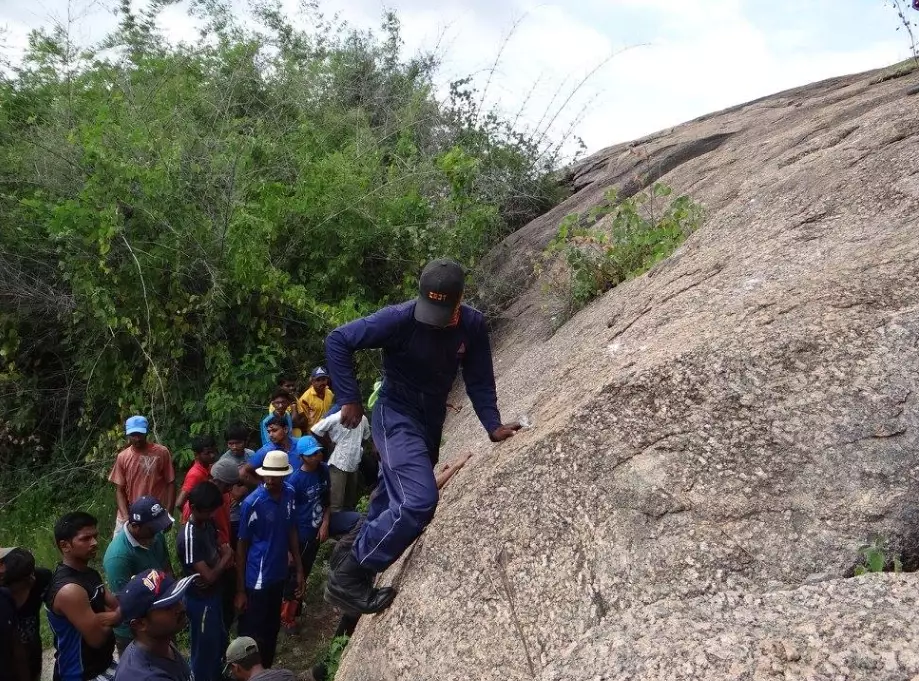
- Drop Your Heels: On a foothold, try to press down so hard that your heel goes slightly lower than your toes. This simple action rotates your knee down and out, automatically tucking your pelvis inward. It's magic.
- Look at Your Feet: Seriously, turn your head and look at the foothold you're standing on. Your body will follow your gaze, bringing your shoulder and hip closer to the wall on that side.
- The "Flag" is Your Friend: Can't get a hip in? Dangle the leg on the same side as your reaching hand out to the side (flagging). This counterbalance lets you keep your weight centered over the other foot.
How Does the Three-Point Rule Actually Work?
The rule is simple: always have three limbs in solid contact with the rock before moving the fourth. Two hands and one foot. Two feet and one hand. This isn't just about safety; it's about control and planning.
New climbers break this constantly. They see a handhold and lunge for it, lifting a foot for balance at the same time. Suddenly they're in a shaky, two-point position, one slip away from peeling off.
The Subtle Mistake Everyone Makes
It's not just about having three points touching. It's about having three stable points. A dragging toe on the rock doesn't count. A palming the wall for balance barely counts. You need three points bearing weight and providing real security.
This forces you to think one move ahead. Before you move your right hand, ask: Are my left hand and both feet solid? If not, reposition a foot first. This deliberate, chess-like thinking slows you down at first but soon becomes the rhythm of efficient climbing.
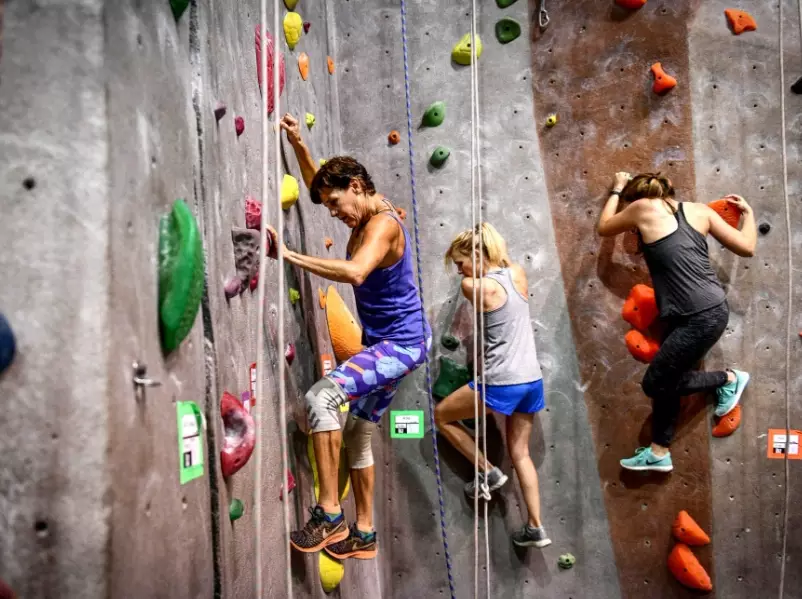
I see gym climbers power through routes ignoring this, and they get away with it on overhung plastic. Take them outside on a gritty slab, and the rule becomes a lifeline. It's the difference between a controlled climb and a desperate scramble.
Why is Static Movement So Critical?
Static movement means moving a limb to the next hold in a controlled, slow manner, without momentum or swinging. Dynamic movement (a "dyno") uses a burst of power to launch for a hold.
Beginners are often drawn to dynamic moves because they feel powerful and look cool. But defaulting to dynamics is a huge energy drain and reduces accuracy.
Here’s the real reason to move statically: it allows you to test holds. You can gently place your foot, apply pressure, and see if it sticks before committing your weight. You can finger a handhold, find the best grip, and settle into it. Momentum robs you of that feedback. You just hit and hope.
- On Slabs: Static movement is everything. Every step is a precise weight transfer.
- On Verticals: It conserves arm energy, letting your legs do the work.
- On Overhangs: You'll still need dynamics, but use them strategically for big reaches, not for every move.
Practice on an easy route. Climb it twice. First, climb it as you normally would. Second, climb it with exaggerated, painstakingly slow movements. Pause for a full second with your hand hovering over the next hold before placing it. The increased body awareness you gain is profound.
Putting It All Together on the Rock
Let's walk through a hypothetical sequence on a vertical wall.
You're standing on two good footholds, right hand on a decent edge. The next handhold is up and to the left.
The Beginner Lunge: Looks at target hold. Pushes with right foot, lets left foot come off, reaches with left hand. Hips swing out to the right. Now they're stretched out, off-balance, holding on with two hands and maybe a smearing right foot. Arms are already engaged.
The Efficient Sequence:
- Plan (Three-Point): Identify that the next move is a left-hand reach. Current three points: Right Hand, Right Foot, Left Foot.
- Set Hips (Hips In): Before moving, drop the left heel to rotate that hip towards the wall. Flag the right leg out slightly for balance if needed. Weight is centered.
- Move Statically: Slowly, with control, extend the left hand to the new hold. The right hand and both feet remain solid until the left hand is placed and tested.
- Regroup: Settle into the new three-point stance (Left Hand, Right Foot, Left Foot). Then plan the foot move that will follow.
It sounds mechanical, but after a few sessions, this flow becomes instinct. You stop climbing with just your arms and start climbing with your whole body and your brain.
Your Climbing Technique Questions Answered
 These three golden rules—hips in, three points, static control—aren't secrets. But they are the filter through which all other climbing advice should pass. Master them, and you'll find yourself climbing grades you thought were months away, not because you got stronger, but because you got smarter. Now get on the wall and feel the difference for yourself.