The short, responsible answer is no, you cannot teach yourself ice climbing in its entirety. The long, practical answer—the one that matters if you're determined and short on cash or local mentors—is yes, you can teach yourself a massive portion of the foundational skills. But you must know exactly where the line is between productive self-study and reckless, dangerous assumption. I learned this the hard way, spending my first season terrified and inefficient before I understood the divide.
This isn't about skipping instruction. It's about maximizing your time and money before you ever hire a guide or pester an experienced climber. It's about showing up to your first real ice day not as a clueless novice, but as someone who understands tool swing, body tension, and basic safety systems. That shift changes everything.
What You’ll Find in This Guide
The Foundation: Skills You Can (and Should) Learn on Your Own
Think of this as the "homework" phase. It's safe, cheap, and builds the muscle memory that will keep you safe later.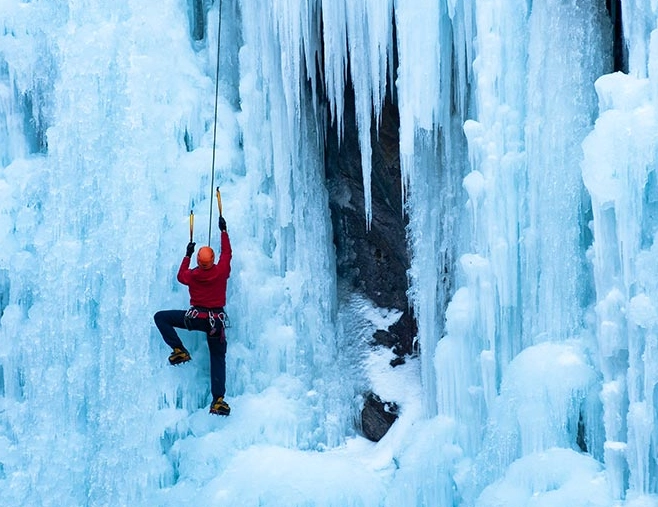
Dry-Tooling: Your Single Best Investment
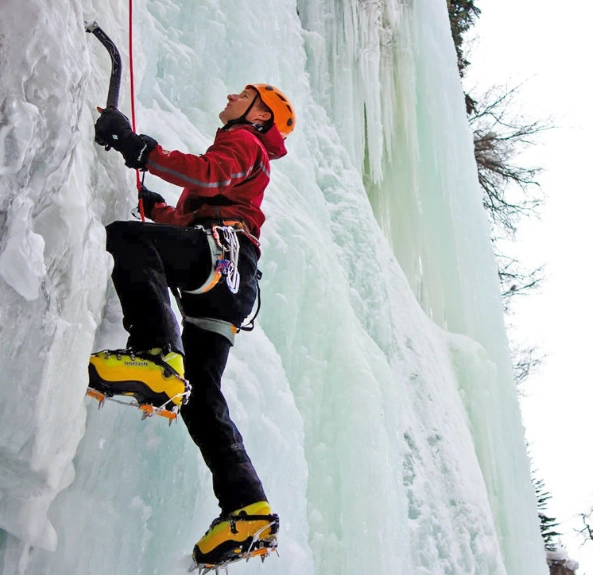
Dry-tooling is climbing with ice tools and crampons on rock, wood, or artificial surfaces. It's the simulator. You can set up a "woody" in your garage, find a local boulder (with permission and tool protectors), or use a gym's dry-tooling area. Here’s what you ingrain:
Tool Placement: You learn to "stick" a pick quietly and precisely, not by brute force. The goal is a gentle *tink* sound, not a violent *thwack*. A common self-learner mistake? Over-swinging. You waste energy and shock your arms. On ice, that shatters the surface.
Footwork & Body Position: This is the secret sauce everyone misses. Your legs are your primary engine, not your arms. Practice keeping your hips close to the wall, driving your weight down through your crampon points. I see beginners glued to their tools, arms bent, feet skittering. They burn out on a 20-foot wall. Good footwork lets you climb for hours.
Fitness and Endurance Off the Wall
Ice climbing is a full-body endurance sport. Grip strength is obvious, but core strength is non-negotiable. When your feet shear out (and they will), your core keeps you on the wall. Do dead hangs, farmer's walks, and planks.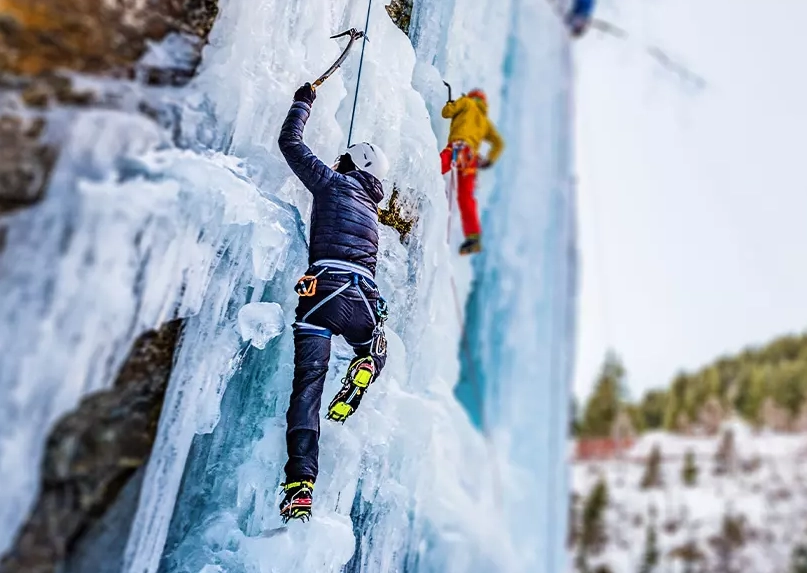
But here’s the non-consensus part: cardiovascular fitness matters more than you think. A pumped climber makes bad decisions. A tired climber can't place a screw properly. Trail running or cycling builds the stamina to stay sharp for a full day in a cold environment.
Knots, Hitches, and Basic Rope Systems
You don't need ice to learn this. Master these knots until you can tie them blindfolded, with gloves on:
- Figure-8 follow-through (for tying in)
- Clove hitch (for anchoring to a carabiner)
- Munter hitch (a belay/rappell backup)
- Prusik hitch (self-rescue)
Practice building anchor systems with slings and carabiners on a park bench or a sturdy post. Understand concepts like equalization and redundancy. Resources like the UIAA (International Climbing and Mountaineering Federation) and American Alpine Club have free, reputable safety resources.
The Critical Role of Professional Instruction
This is the line. You can self-teach movement, but you cannot self-teach risk assessment and complex safety systems on a dynamic, fragile medium like ice.
| What You CAN Learn Solo (The "How") | What You MUST Learn from a Pro (The "When, Where, & If") |
|---|---|
| Swinging an ice tool with control. | Reading ice quality (Is it "dinner-plating"? Is it aerated?). |
| Placing your feet with crampons. | Judging if an ice formation is safe to climb at all. |
| Tying all essential knots. | Placing a reliable ice screw under pressure. |
| Building basic anchors on solid rock. | Building a trustworthy V-thread anchor in ice. |
| Top-roping on a pre-set anchor. | Leading on ice and managing fall consequences. |
The difference is context. Ice is not rock. It changes by the hour with temperature and sun. A perfect tool swing into rotten, honeycombed ice will pull out. A screw placed in "plastic" ice at -10°C is bomber; the same placement in sun-softened ice at 0°C might hold nothing. This judgment is earned through mentorship, not YouTube.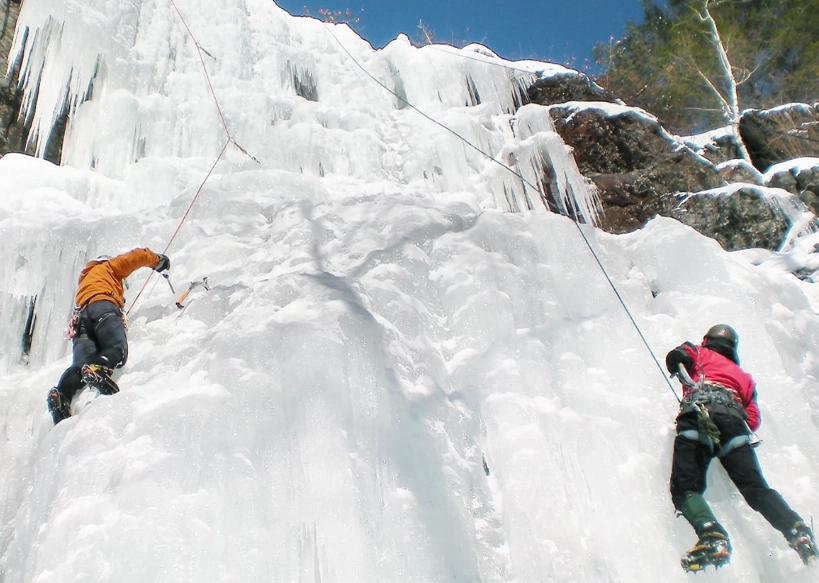
My first guided day, the instructor stopped me as I geared up for a seemingly thick pillar. "Touch it," he said. I gave it a tap with my tool. A hollow *thunk* echoed back. The entire center was empty. I would have committed my weight to it. That lesson—how to listen to and feel the ice—is impossible to self-diagnose.
A Realistic Self-Taught Path to Your First Ice Climb
Let's map this out as a sequential, actionable plan. This assumes you have some basic rock climbing knowledge.
Phase 1: The Groundwork (Months 1-3)
Goal: Become proficient with tools off-ice.
Actions: Buy or borrow a pair of leashless ice tools (like the Petzl Quark or similar). Get crampon-compatible boots (stiff, B3 rated). Find a dry-tooling spot. Climb 2-3 times a week. Focus on silent feet, straight arms, and hip position. Watch your forearms pump up—learn to shake out one arm at a time. Start a core & cardio routine.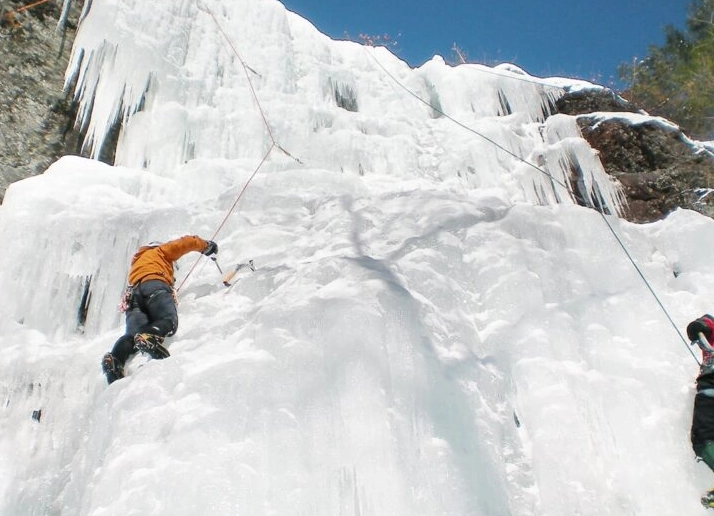
Phase 2: The Bridge (Month 4)
Goal: Integrate rope systems and find your tribe.
Actions: Book a single day with a AMGA-certified ice guide. Be upfront: "I've been dry-tooling for three months. I know my knots. I want to learn movement on real ice and basic safety protocols." This day is for top-roping only. Also, join a local climbing gym or Facebook group. Start conversations. Be useful, not just needy.
Phase 3: The Application (Months 5-6+)
Goal: Climb consistently with partners and advance skills.
Actions: Use your new connections to find partners for top-rope days. Practice everything from the guided day. When you're comfortable following on top-rope, invest in a multi-day lead climbing and ice anchor course. This is the second non-negotiable professional instruction block. Only after this should you consider leading easy ice routes.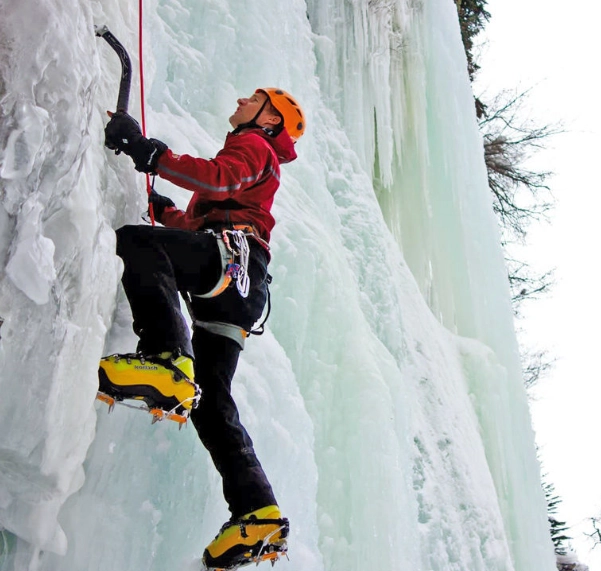
Gear Knowledge: What to Buy and What to Borrow
Gear is expensive. Be strategic.
Buy Early: Boots and tools. These are personal and need breaking in. For boots, fit is everything. For tools, a moderate, leashless model is most versatile for learning.
Buy Later (or Rent): Harness, helmet, crampons. You can use your rock gear initially. Specific ice climbing harnesses have more gear loops, but it's not critical day one.
Do NOT Buy Initially: Ice screws, ropes, fancy anchor kits. Learn what you like and what works from your guide and partners first. Renting for your first course is wise.
A quick, brutal opinion? Don't buy the cheapest crampons. A secure, reliable crampon-to-boot interface is safety-critical. A poorly fitting pair will pop off or feel unstable, destroying your confidence and footwork.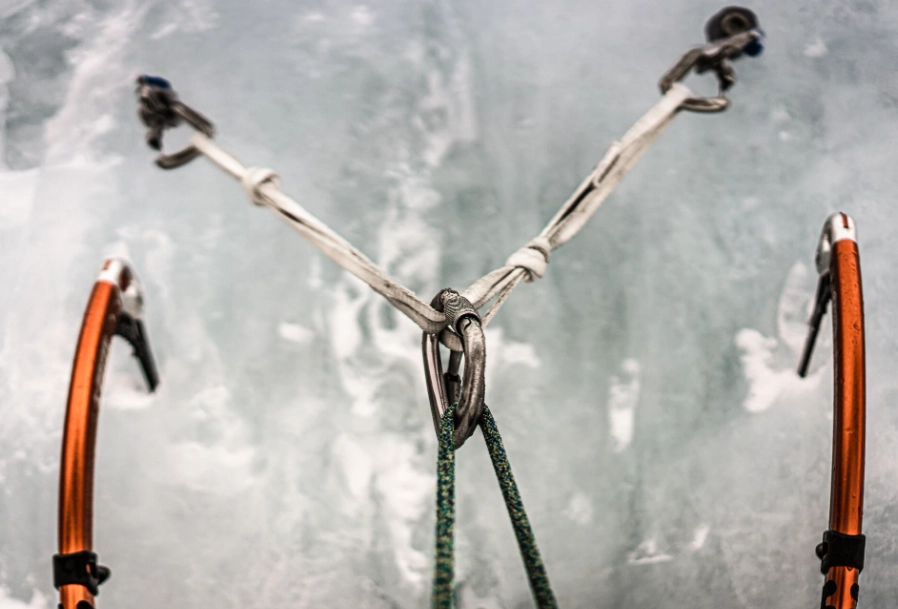
Your Ice Climbing Self-Learning Questions Answered
So, can you teach yourself to ice climb? You can build the physical and technical foundation in a way that makes you a prepared, capable, and safe student when you finally step onto the ice with a guide or mentor. That's the real goal. It transforms the process from a dangerous gamble into a structured, rewarding journey of mastery. Start in your garage. Master the swing. Respect the line. The ice will be there when you're ready.