In This Guide
- What Exactly Is a Junior Ranger Program Anyway?
- Why Bother with a State-by-State Approach?
- The State-by-State Breakdown: Where to Find Your Adventure
- How to Actually Do a Junior Ranger Program (Without the Stress)
- Answering Your Burning Questions (The FAQ)
- Turning a Hobby into a Legacy: The Long Game
Let's be honest for a second. You're probably here because you've heard about the National Park Junior Ranger program, your kid got a badge somewhere, and now they're hooked. Or maybe you're planning a big road trip and you want to turn those long drives into something more than just screen time. You start searching for "Junior Ranger program by state" and suddenly you're down a rabbit hole. Is it just national parks? What about state parks? Do all states have one? How do you even start?
I've been there. My own family caught the bug a few years back, and I remember the frustration of trying to piece it all together. Information was scattered, some park websites were outdated, and I wished someone had just laid it all out in one place.
Well, that's what this is. Consider this your friendly, slightly weathered trail guide to the wonderful, sometimes confusing, world of Junior Ranger programs across the United States. We're not just talking about the famous national park program. We're going state by state, digging into the unique programs each one offers (or doesn't), and giving you the real-world tips you won't find on the official brochures.
So, grab your virtual canteen, and let's explore.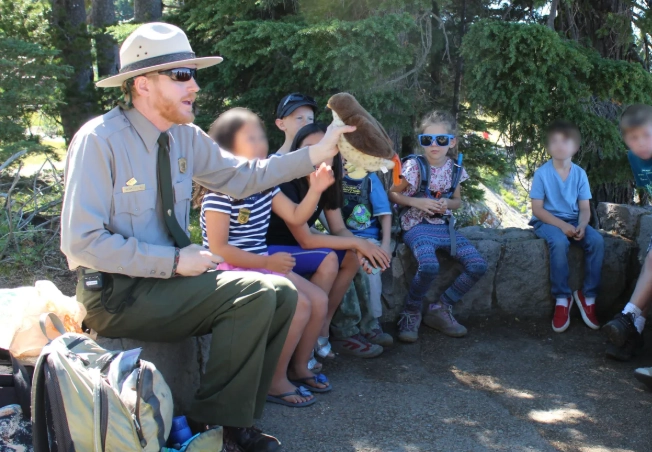
What Exactly Is a Junior Ranger Program Anyway?
At its heart, a Junior Ranger program is a hands-on activity booklet (usually free) that gets kids actively engaging with a park—whether it's a national park, a state forest, a national monument, or even a historic site. By completing age-appropriate activities like identifying plants, answering questions about history, going on scavenger hunts, or attending a ranger talk, kids earn a badge, a patch, or a certificate.
The big daddy of them all is, of course, the National Park Service (NPS) Junior Ranger program. It's a unified program with a similar structure across over 400+ participating NPS sites. You can do a program at Independence Hall, Yellowstone, and the Statue of Liberty. The vibe is the same, but the activities are uniquely tailored to that specific place.
But here's where the "by state" part gets interesting. Many states have looked at the NPS's success and created their own parallel programs for their state park systems. These are completely separate. A California State Parks Junior Ranger badge is different from a Yosemite National Park Junior Ranger badge, even if the park is in the same general area. This is the key distinction that most guides gloss over.
The goal? It's not just about collecting plastic bling (though, let's be real, the kids love that part). It's about fostering a connection to nature and history, encouraging observation, and creating a sense of stewardship. It turns a passive visit into an active exploration. I've seen my own kids go from complaining about a hike to intently searching for specific types of bark because their booklet asked them to. It's a magic trick for parental sanity.
Why Bother with a State-by-State Approach?
If the National Park Service program is so widespread, why focus on a Junior Ranger program by state?
Think about it. For many families, a major national park vacation is a once-a-year or even once-in-a-lifetime trip. But state parks? Those are often within a weekend drive. A state-specific Junior Ranger program can be a year-round hobby, a reason to explore the hidden gems in your own backyard. It makes adventure accessible.
State programs also often highlight local ecology and history that the national programs might overlook. A Texas State Park Junior Ranger will learn about armadillos and longleaf pine forests. A Maine State Park Junior Ranger might focus on lobster ecology and granite quarrying. It's hyper-local learning.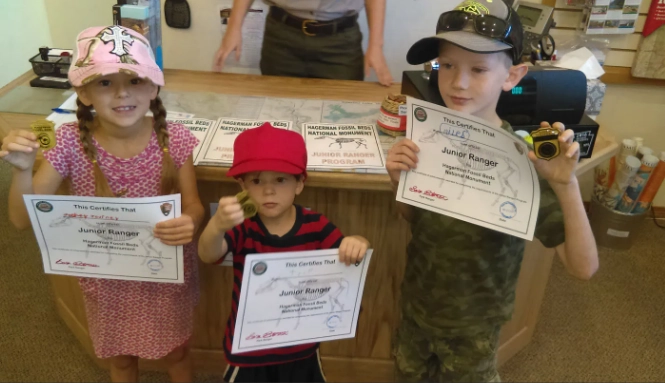
Finally, knowing the landscape helps you plan. If you're driving from Chicago to the Black Hills, you can plot stops at state parks in Wisconsin, Minnesota, and South Dakota that have programs, turning the journey into part of the destination.
The Big Picture: National vs. State vs. Other Programs
To avoid confusion, let's clear this up right now. There are three main buckets:
- National Park Service (NPS) Junior Ranger: The original. Works at hundreds of national parks, monuments, seashores, etc. You can often print booklets online or pick them up on-site.
- State-Specific Junior Ranger Programs: Run by individual state park agencies. Quality and availability vary WILDLY, which is why a guide like this is necessary. Some states have robust, well-funded programs (looking at you, California and Texas). Others have a single, generic booklet for the whole state. A few have nothing at all.
- Other Agency Programs: Don't forget the U.S. Forest Service, the U.S. Fish and Wildlife Service (with their Junior Duck Stamp program being a cool art-focused variant), and even some county or city park systems. These are their own unique beasts.
When you search for "Junior Ranger program by state," you're likely trying to navigate this exact maze. You want to know what's available locally and how to tackle it.
The State-by-State Breakdown: Where to Find Your Adventure
Alright, this is the meat of the guide. I've compiled this list based on my own research, reports from other family travel forums, and direct visits to dozens of state park websites. It's a snapshot—programs can change, booklets run out—but it's the most comprehensive list you'll find in one place.
A crucial point: Some states run a unified program where one booklet works at any participating state park. Others have park-specific booklets. This table should help you get your bearings.
| State | Has a Statewide Junior Ranger Program? | Type of Program | Notes & What Makes It Unique |
|---|---|---|---|
| California | Yes | Unified, multi-level | One of the best. Multiple adventure guides for different ages/abilities. Very organized. |
| Texas | Yes | Unified | Robust program with online resources. Offers a big Texas-sized badge for completing 5+ parks. |
| Florida | Yes | Mostly unified | Explore Florida State Parks Junior Ranger. Great for beach and swamp ecology. |
| New York | Yes | Unified | "Explorer" program. Booklet is engaging and widely available. |
| Colorado | Yes | Park-specific | Many individual parks have their own unique books and badges. More variety, harder to track down. |
| Ohio | Yes | Unified | Simple, straightforward program. A good, no-fuss example. |
| Michigan | Yes | Unified | "Parks Explorer" program. Focus on the Great Lakes ecosystem. |
| Arizona | Yes | Mostly unified | Part of the "Arizona State Parks Trailblazer" program. Desert-focused challenges. |
| Washington | Yes | Unified | Junior Ranger program is alive and well. Often paired with amazing volunteer rangers. |
| Pennsylvania | Yes | Unified | "PA State Parks Junior Conservation School" program. More structured, sometimes with scheduled events. |
| Virginia | Yes | Park-specific | Many parks have their own. The variety is fantastic—from Civil War history to coastal dunes. |
| Georgia | No (Limited) | Varies | This is a bummer. No official statewide program as of my last check, though a few parks may have something. A real gap in their offerings. |
| Illinois | Yes | Unified | "Mighty Acorns" program for younger kids is a fantastic entry point. |
| Oregon | Yes | Unified | "Junior Ranger" program. Well-integrated with their park passport. |
See what I mean? The landscape is patchy. A family in California has a clear, easy path. A family in Georgia has to work much harder or rely solely on national park sites within the state.
My advice? Don't let the absence of a formal statewide program stop you. Check the website of the specific state park you plan to visit. Sometimes the best programs are the quirky, homegrown ones at a single park that doesn't have the budget for a fancy statewide rollout.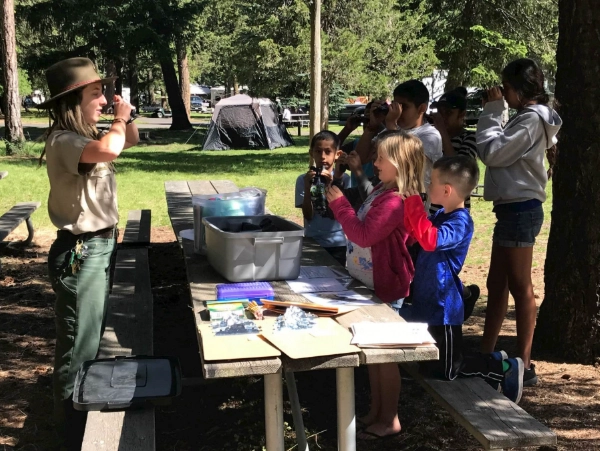
How to Actually Do a Junior Ranger Program (Without the Stress)
Okay, you've found a park with a program. Now what? Here's the step-by-step, no-BS guide from someone who's fumbled through it a few times.
Step 1: Get the Booklet
First stop: the visitor center or ranger station. Walk right in and ask, "Do you have a Junior Ranger booklet?" Sometimes they're on a rack, sometimes you have to ask. If you're a planner, many parks, especially NPS sites, let you download and print the PDF from their website ahead of time. This is a GAME CHANGER. Kids can start the activities in the car, which builds anticipation and saves time on-site.
Step 2: Read the Instructions WITH Your Kid
Seriously. Don't just hand it over. Sit down for two minutes and read the cover page together. It will tell you:
- The age groups (often 5-7, 8-10, 11+).
- How many activities need to be completed for each age group.
- Any mandatory activities (like attending a ranger talk or a hike).
- Where and when to return the completed book.
Missing a mandatory ranger talk that only happens at 2 PM can ruin the plan. Learn from my mistakes.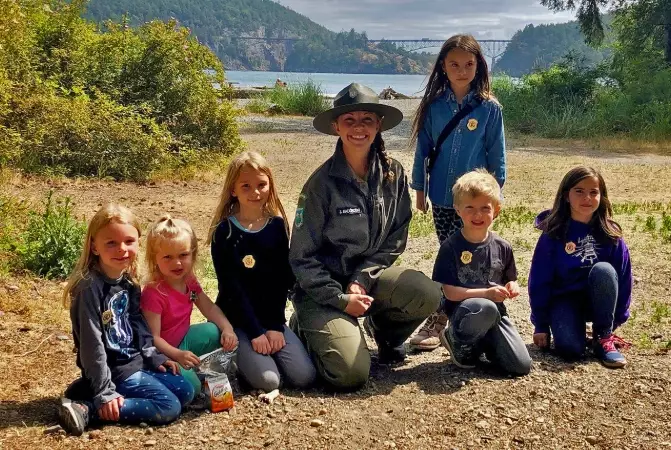
Step 3: Tackle the Activities Strategically
Don't try to do everything in order. Scan the booklet. Some activities are "on the trail" (identify three animal tracks). Some are "in the museum" (answer questions about Exhibit B). Some are creative (draw a picture). Plan your route through the park to hit the spots where the activities live. I let my kids use my phone to take pictures of plants or signs for later reference. It keeps them moving.
Step 4: The Swearing-In Ceremony
This is the best part. You return the completed booklet to a ranger. The ranger will (usually) review it, ask the kid a couple of questions about what they learned, and then administer the Junior Ranger pledge. It's short, it's sweet, and it feels incredibly official to a child. Then they get their badge. Some places give plastic badges, some give wooden ones, some give patches. It's all good.
Step 5: Beyond the Badge
The real magic happens after. Talk about what they learned on the drive home. Let them wear the badge. Put the completed booklet in a binder. This reinforcement turns a one-time activity into a lasting memory and a building block for curiosity.
Insider Secrets for Mastering the Junior Ranger Program by State
- Pack a Pencil Kit: Throw a few colored pencils, a regular pencil, and a small sharpener in your daypack. You will use them.
- Ranger Talks are Gold: Even if not required, GO. Rangers are storytellers and can bring a place to life in a way no booklet can.
- Embrace the Messy: The drawings don't have to be museum-quality. The answers can be simple. The rangers care about effort and engagement, not perfection.
- For Younger Siblings: If you have a toddler too young for the official program, ask for a "Junior Junior Ranger" activity sheet. Many parks have them. Or, let them "help" their older sibling. Inclusivity is key to family peace.
- The Power of Asking: No badge at the station? Ask if they have any alternatives. Once, at a small site, the ranger gave my son a special ranger sticker because they were out of badges. He cherished it just as much.
Answering Your Burning Questions (The FAQ)
Not really, and that's the problem. There's no single website that perfectly aggregates every state park program. The National Park Service site lists all their sites. For state programs, you often have to go to each state's park department website. This guide is an attempt to create that master reference, but it requires constant updating. Always double-check on the official state park website before a trip.
Absolutely not! First, many booklets have an "11+" age bracket with more challenging activities. Second, the vibe is always positive. Rangers love seeing older kids engaged. Some parks even have separate "Teen Ranger" or volunteer opportunities. I've seen teenagers earn badges with genuine pride. Don't let age be a barrier.
Yes! This is a common concern. Be upfront with the ranger when you get the booklet. Say, "We only have about 90 minutes today. What are the quickest activities to complete?" They will guide you to the doable tasks. Sometimes, for very short visits, they have a "one-page wonder" version of the activities.
A fantastic development! Especially during recent years, many agencies created at-home booklets. The NPS has a whole page of them. You can print, complete, and mail them in to receive a badge by post. It's a great way to keep the momentum going between trips or learn about a park you dream of visiting. Some state parks have similar mail-in options.
This is subjective, but based on consistency, availability, and quality of materials, California and Texas are often at the top of families' lists. They are well-funded, well-organized, and the badges are cool. But my personal favorite might be Colorado for the sheer variety and uniqueness of each park's offering. It feels less corporate.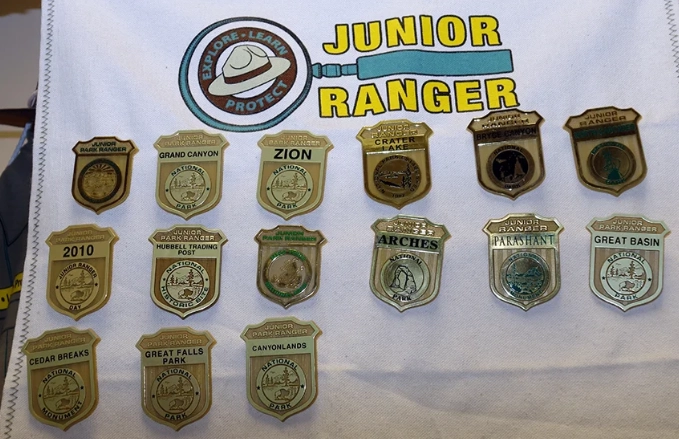
Turning a Hobby into a Legacy: The Long Game
What starts as a fun way to spend an afternoon can become something more. I know families who have visited every national park in their region. I know kids who have turned their badge collections into school show-and-tell projects on conservation.
The Junior Ranger program by state, when you piece it together, becomes a framework for exploring America. It gives you a reason to turn off the highway, to spend a day in a place you'd otherwise zoom past. It teaches kids that learning isn't confined to a classroom and that public lands are theirs to enjoy and protect.
The badges are tangible reminders of those days—the smell of pine needles, the chill of a cave, the sound of a river. They're souvenirs with meaning.
So, start with one. Pick a state park or national site near you this weekend. Get the booklet. Embrace the slightly chaotic process. Watch your kid walk a little taller after they take that pledge.
Then come back here, use this state-by-state guide to plan your next one, and slowly, badge by badge, map your own family's adventure across this country. The trails are waiting, and the rangers are ready to swear in the next generation of stewards.