If you're expecting a simple answer like "two weeks," you're in for a shock. Climbing Mount Everest isn't a sprint; it's a marathon dictated by your body's ability to survive in a near-space environment. The short answer? From the moment you land in Kathmandu to the day you stand on the summit and return, a standard commercial expedition takes about 60 to 70 days. But only 7 to 14 of those days involve actual upward climbing. The rest is a carefully choreographed dance with altitude, weather, and logistics. I've guided teams on both sides of the mountain, and the biggest mistake rookies make is fixating on summit day. They forget that success is won or lost during the long, boring weeks of acclimatization.
Your Everest Timeline at a Glance
The Typical Expedition Breakdown
Let's slice the 60-70 day pie. It's not one continuous push. Think of it in distinct phases, each with a specific purpose.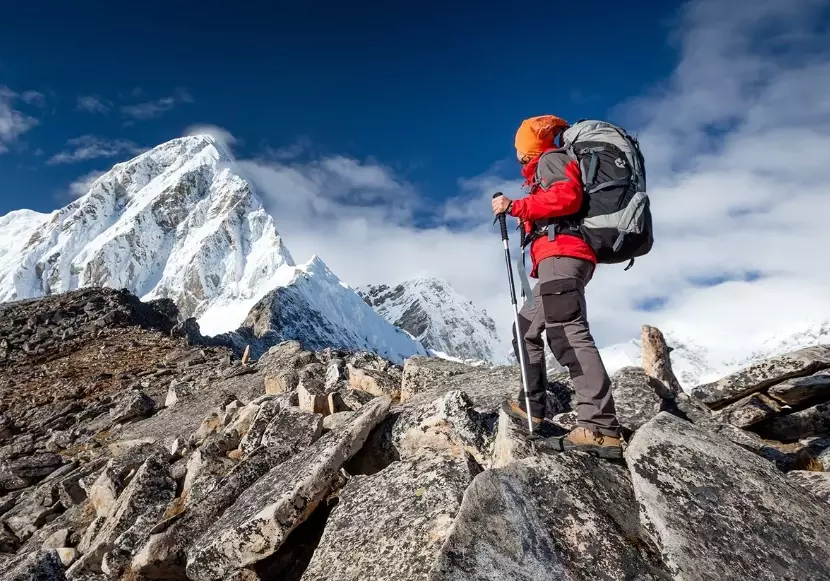
Phase 1: Arrival & Trekking (10-14 days). You fly into Kathmandu (or Lhasa for the North side). This involves gear checks, briefings, and a nerve-wracking flight to Lukla (if on the South). The trek to Everest Base Camp (EBC) itself takes 8-10 days. This isn't wasted time—it's your first, gentle stage of acclimatization. Rushing this trek is the first classic error. I've seen fit athletes get knocked out by AMS here because they treated it like a race.
Phase 2: Base Camp Acclimatization & Puja (5-7 days). You arrive at EBC (~5,364m/17,598ft). Your body needs to adjust. You'll do short hikes nearby, set up your tent, and participate in the sacred Puja ceremony conducted by a Lama, blessing climbers and equipment. No one climbs before the Puja.
Phase 3: Rotation Cycles (The Core: 20-30 days). This is the heart of the expedition. You will climb up to higher camps (Camp 1, 2, sometimes 3), sleep there, then descend back to Base Camp to recover in thicker air. These "rotations" are what build your red blood cell count. A typical schedule involves 2-3 full rotations. This phase feels repetitive and mentally taxing. You're so close to the mountain, yet you keep walking away from it.
Phase 4: The Summit Push (5-7 days). After final rest at Base Camp, you move up through the camps in a single, sustained push, aiming for a weather window. This includes: BC to C2 (1 day), rest at C2 (1 day), C2 to C3/C4 (1-2 days), Summit bid from C4 (1 grueling day), then the desperate descent back to C2 or BC (1-2 days).
Phase 5: Return & Exodus (5-7 days). Packing up Base Camp, trekking out, and flying back to Kathmandu. You'll be exhausted, possibly frost-nipped, and emotionally spent.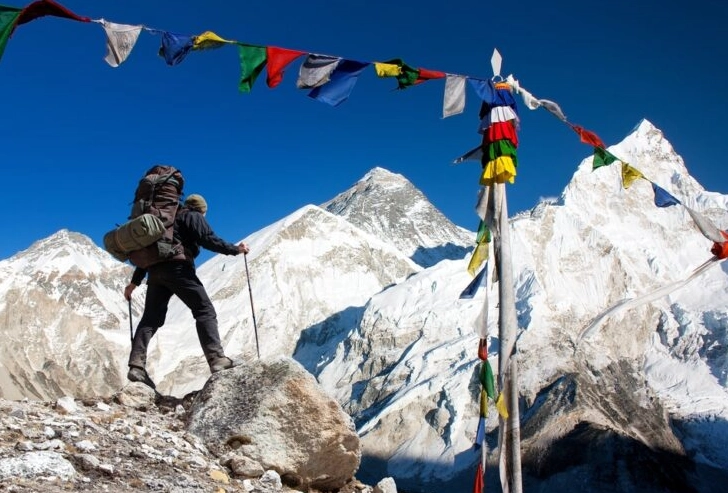
The Guide's Reality Check
Most blogs talk about the 60-day timeline. They often omit the buffer. A 65-day expedition itinerary is common, but I always advise clients to mentally and logistically prepare for 75 days. Why? One bad weather window during your summit push can force you back to Base Camp to wait for another. That's an extra 7-10 days right there. Booking flexible return flights is non-negotiable.
South vs. North: Side-by-Side Timeline
The route you choose changes the rhythm. Climbing from Nepal (South Col) is the most popular. Climbing from Tibet (North Ridge) is often cheaper but has a different feel and set of challenges.
>ABC at 6,400m. Higher, colder, more barren. Acclimatization is more challenging here from day one.>Navigating the North Col and the three rocky steps on summit day. Generally considered less objectively dangerous than the Icefall.>Can be slightly shorter, around 55-60 days, due to faster approach.>Longer distance from C4 (South Col). Summit push can be 10-12+ hours. >Shorter distance from C4 (8,300m). Summit push is still brutal but often 8-10 hours.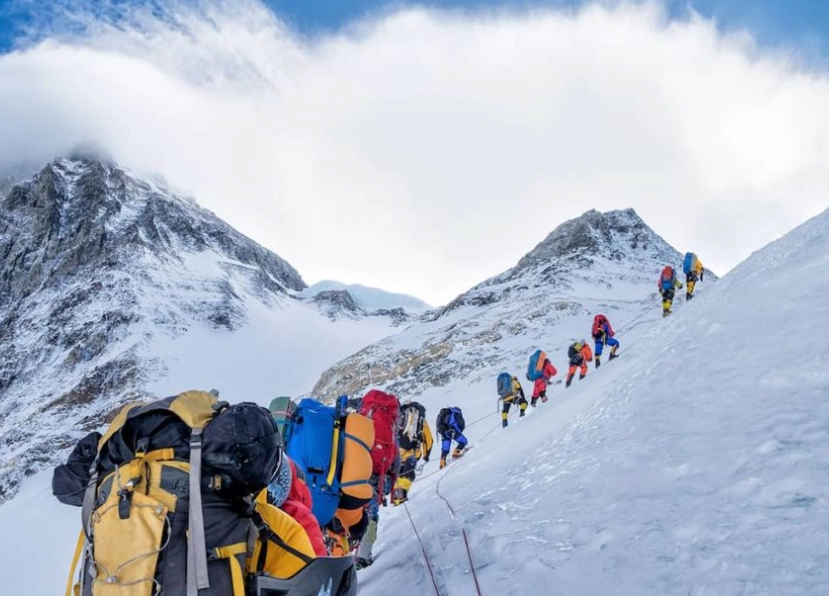
| Phase | Nepal (South Col Route) | Tibet (North Ridge Route) |
|---|---|---|
| Approach Trek | 8-10 days. Scenic, through the Khumbu Valley, staying in teahouses. Gradual ascent aids acclimatization. | 4-5 days. Drive to Chinese Base Camp (CBC), then shorter trek to Advanced Base Camp (ABC). Less scenic, faster gain in altitude. |
| Base Camp Life | EBC at 5,364m. Vibrant, crowded "city" of tents. Longer stay due to Khumbu Icefall rotations. | |
| Key Technical Hazard | The Khumbu Icefall. Requires multiple pre-dawn crossings during rotations, adding objective danger and scheduling complexity. | |
| Typical Total Expedition Length | 60-65 days is standard. | |
| Summit Day |
The North side's higher base camp is a double-edged sword. You acclimatize faster on paper, but if you get sick at 6,400m, recovery is much harder than at 5,300m on the South. I prefer the South side for first-time Everest climbers purely because of the longer, more forgiving approach.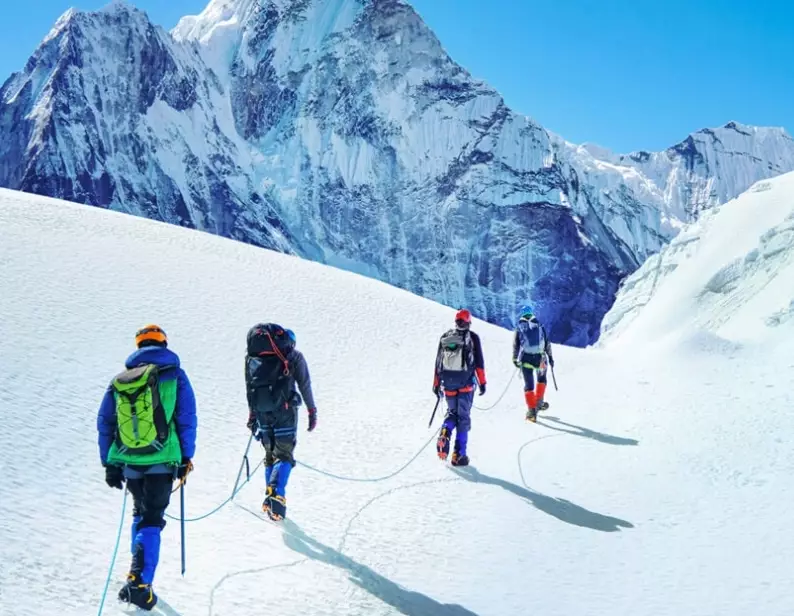
What Actually Determines Your Climb Duration?
Forget fitness alone. Here’s what really controls the clock:
1. Your Acclimatization Profile
This is the wild card. Some people acclimatize quickly; others are slow. Operators build in a standard rotation schedule, but if your oxygen saturation is consistently low, the head guide may add an extra rotation cycle. You can't argue with a pulse oximeter. Trying to shortcut this is the surest path to pulmonary or cerebral edema.
2. The Weather Window
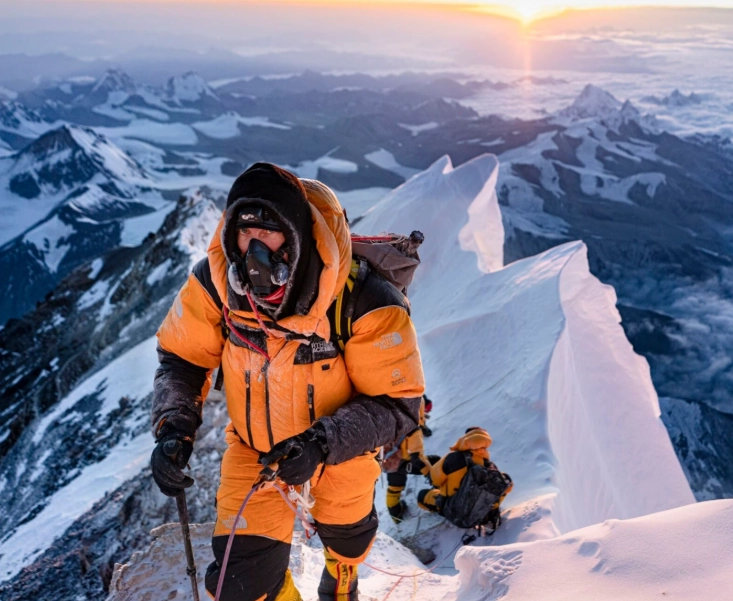
The summit is only climbable when the jet stream lifts off the mountain, bringing brief periods of low winds. These "windows" are predicted by specialized forecasters (like Michael Fagin at EverestWeather.com). Your entire summit push is scheduled around a 3-5 day forecast. If the window closes early or a storm hits, you're going back down. Full stop. This adds days, sometimes over a week.
3. Logistics & Team Size
Larger, well-organized teams have fixed ropes set earlier and a smoother flow through the camps. Smaller teams or independent climbers often wait for others to fix ropes. Delays at the Bottleneck on summit day can turn a 10-hour push into a 16-hour death march. Your operator's efficiency matters.
4. The Crowds (A Modern Reality)
Since the publication of the Himalayan Database, we have clear numbers on traffic. Too many climbers aiming for the same short weather window creates queues at technical sections, especially on the South side near the Hillary Step area and on the North side at the Second Step. This not only adds hours to your summit day but can exhaust your oxygen supply and increase cold exposure. A good operator will try to time their push slightly off the absolute peak of the window to avoid the worst of the lines.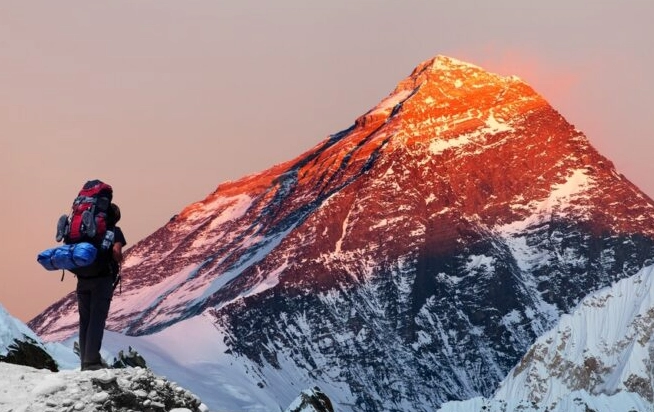
The Non-Negotiable Acclimatization Cycles
Let's zoom in on Phase 3, because this is where the answer to "how long" truly lives. A classic three-rotation schedule on the South Side looks like this:
Rotation 1 (The Icefall Introduction): EBC → Sleep at Camp 1 (6,065m) → Return to EBC. Goal: get through the Icefall, sleep at C1, descend. (3-4 days total).
Rotation 2 (Touch Camp 2): EBC → C1 → Sleep at Camp 2 (6,400m) → Return to EBC. Goal: establish comfort at C2, the "advanced base camp." (4-5 days).
Rotation 3 (Touch the Death Zone): EBC → C1 → C2 → Touch/sleep at Camp 3 (7,200m) → Descend to C2 → EBC. Goal: brief exposure to 7,200m+ to trigger final physiological adaptations. (5-6 days).
After this, you have a long rest at EBC (7-10 days) where you eat, hydrate, and wait for the weather window. Your body is now (hopefully) ready for the summit push.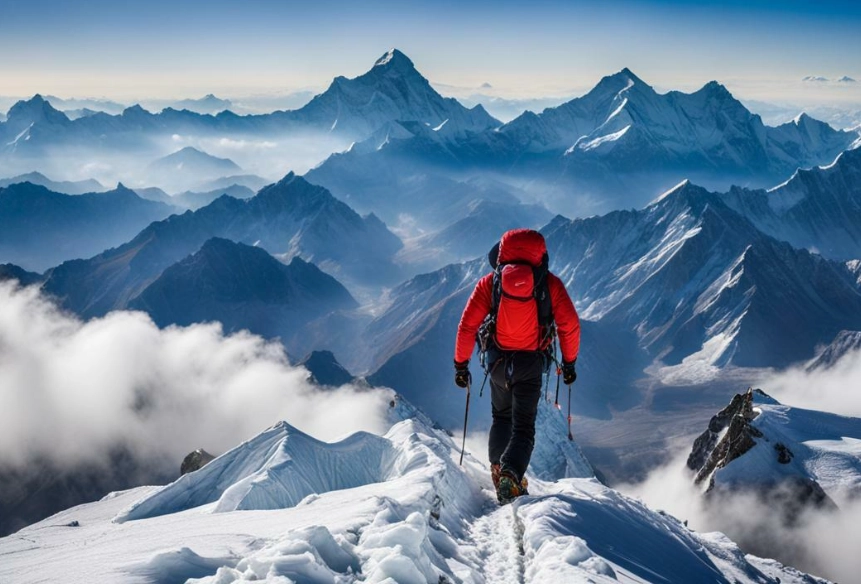
A Case Study: John's Everest Schedule
Let's make it real. John, a fit 42-year-old, joined a South Col expedition in 2023. Here was his actual calendar:
April 10: Arrive Kathmandu.
April 12: Fly to Lukla, start trek.
April 21: Arrive Everest Base Camp.
April 22-24: Puja & BC acclimatization.
April 25-27: Rotation 1 to C1.
May 1-5: Rotation 2 to C2.
May 10-15: Rotation 3 to C3.
May 16-24: Rest at BC. Weather forecasts monitored.
May 25: BC to C2. Summit push begins.
May 26: Rest at C2.
May 27: C2 to C4 (South Col).
May 28, 10:30 AM: Summits! Descends to C4 by 4 PM.
May 29: Descends from C4 to C2.
May 30: C2 to EBC.
June 2-5: Trek out, fly to Kathmandu.
June 7: Fly home.
Total time from Kathmandu to Kathmandu: 58 days. John had a relatively smooth run with no major weather delays. His summit push was 5 days. Notice the massive gaps of "rest" at Base Camp—that's normal and critical.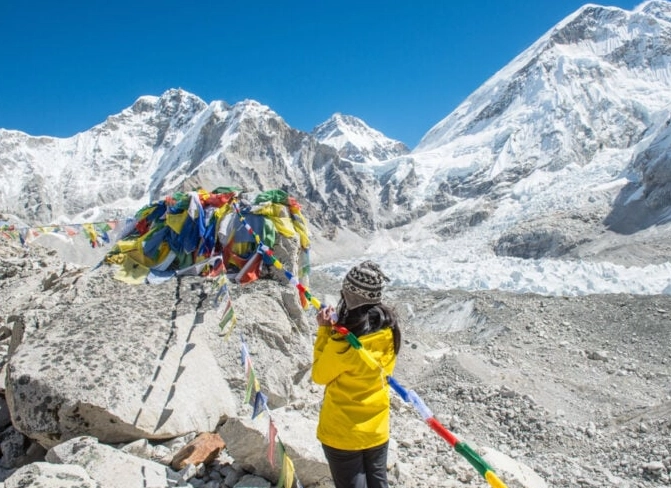
Your Burning Everest Questions Answered
Can you climb Everest faster than 60 days? What about speed records?
Absolutely, but you're entering a different realm. Elite alpinists like the late Ueli Steck or Kilian Jornet use "alpine style" tactics, bypassing the traditional acclimatization schedule by being supremely fit and acclimatized on other peaks beforehand. They might go from Base Camp to summit in a matter of days. For commercial clients, this is irrelevant and dangerously misleading. Your body needs those 6-8 weeks to produce the necessary physiological changes. Rushing it is a death warrant.
What's the single biggest time-waster or delay you see on expeditions?
Poor health at Base Camp. Not major altitude sickness, but the boring stuff: chest infections, gastrointestinal bugs, persistent coughs (the "Khumbu cough"). People neglect hydration and hygiene in the cold. A simple chest infection can knock you out of a rotation cycle, putting you a week behind the team's schedule. I'm militant about hand sanitizer and telling clients to drink until their urine is clear, even if it means getting up 3 times a night in the freezing cold.
For an experienced alpinist who acclimatizes quickly, can the time be shortened?
Marginally, but the core framework remains. You might do one fewer rotation if your medical stats are stellar, saving maybe 5-7 days. But you still have to wait for the weather window in May. You can't show up on April 20 and summit on May 1. The mountain's seasonal rhythm is the ultimate boss. The best strategy for experienced climbers is to use a shorter expedition (like some offered on the North side) but arrive already well-acclimatized from climbing another 6,000m or 7,000m peak in the preceding weeks.
How many of those 60 days are actually spent climbing upward?
Surprisingly few. Let's do the math for the South Side: Trek in (8 days climbing), 3 rotations (~12 days of climbing up), summit push (3 days climbing up). That's roughly 23 days of upward movement. The other ~40 days are resting, descending, waiting, and acclimatizing at base camp. This is a crucial mental adjustment. Everest is a game of patience, not peak athletic performance every day.
Is the timeline getting longer or shorter due to climate change or crowding?
It's becoming more unpredictable. The weather windows seem less stable. The Khumbu Icefall is more dynamic and dangerous, sometimes requiring longer delays for the Icefall Doctors to secure safe routes. Crowding doesn't lengthen the overall expedition much, but it can dangerously extend summit day itself, which is the most critical period. A good operator factors this in by having robust oxygen supplies (like 8+ bottles per client) and a disciplined turn-around time, even if the summit is close.
So, how long does it take to climb Mount Everest? Plan for a two-month commitment of your life. The clock isn't just measuring days on a slope; it's counting the hours your body needs to rebuild itself at a cellular level to survive the top of the world. The timeline isn't an itinerary; it's a biological imperative wrapped in a logistical puzzle, all hostage to the weather on the roof of the world. Focus less on the number of days and more on finding an operator whose schedule respects that reality.