Your Quick Navigation Guide
- What Exactly Is a Junior Ranger Program? (It's Not Just a Coloring Book)
- The Real "List": Where to Actually Look (And Where to Avoid)
- How to Choose: A Practical Filter for That Long List
- Top Tier: Programs That Consistently Get Rave Reviews
- Step-by-Step: From Finding the List to Pinning on the Badge
- Answers to the Questions You're Actually Typing Into Google
- Turning the List into a Lasting Habit (Beyond the Badge)
Let's be real for a second. You've probably typed "National Park Junior Ranger program list" into Google because you've heard about this awesome thing for kids, but now you're staring at a million different links and park pages. Which one is right? How do you even start? Is it worth the effort?
I remember the first time I tried to figure this out for my niece. We were planning a trip out West and I thought, "Hey, let's get her a Junior Ranger badge, that'll be fun!" Two hours later, I was deep in a confusing maze of PDFs, outdated park websites, and forum posts from 2012. It was a mess.
It shouldn't be that hard.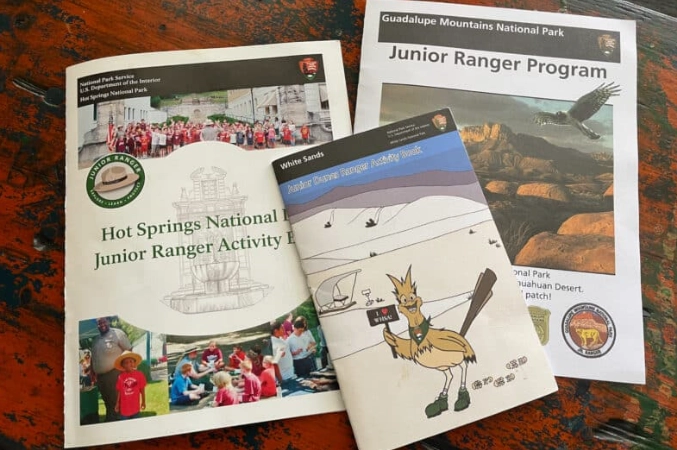
And honestly, it isn't. The problem isn't a lack of information—it's that nobody has put it all together in one sensible, practical place. That's what this is. Forget just a dry list. This is your manual for understanding, finding, and conquering the Junior Ranger universe. We're going to talk about where the official National Park Junior Ranger program list really lives, how to decode it, and how to pick the perfect program so your kid doesn't just get a badge, but has a genuinely great time.
What Exactly Is a Junior Ranger Program? (It's Not Just a Coloring Book)
Before we dive into finding programs, let's clear up what you're actually looking for. When you search for a National Park Junior Ranger program list, you're searching for structured, activity-based learning adventures designed for kids, typically aged 5 to 13. The core idea is simple: a kid gets an activity booklet (often free) at a park's visitor center. They complete pages related to that specific park—observing wildlife, learning history, identifying plants, attending a ranger talk. Once done, a park ranger reviews it with them, they take an oath to protect parks, and they get a badge or patch.
But here's what most summaries miss. The quality and depth vary wildly. Some are simple 5-page fold-outs for toddlers. Others, like the one at Yellowstone, are legit 20-page booklets that can take half a day and teach serious concepts about geology and ecology. Some parks even have multiple, specialized booklets for different age groups or topics.
So your goal isn't just any program. It's finding the right program for your child's age, attention span, and interests. A bored 12-year-old handed a crayon-based activity sheet will check out immediately. A frustrated 6-year-old with a text-heavy booklet is a recipe for a meltdown. Knowing this before you search makes all the difference.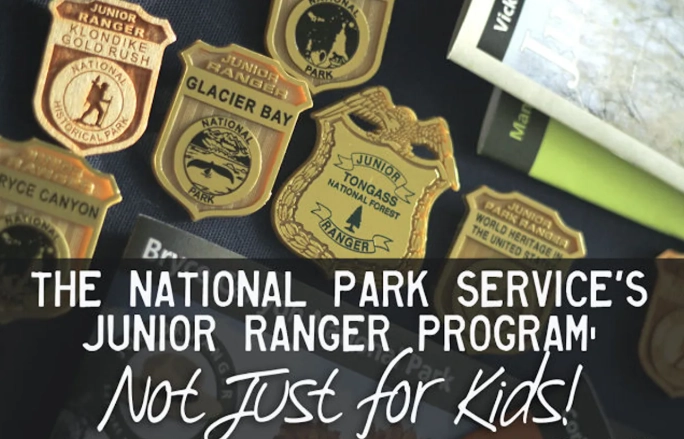
The Real "List": Where to Actually Look (And Where to Avoid)
Okay, let's get tactical. Where do you go? I'm going to save you the hours of dead ends I hit.
The #1 Source: The National Park Service Website (NPS.gov)
This is the motherlode, the official source. But you can't just go to the homepage and expect a shiny button saying "Complete Junior Ranger Program List." You have to know how to use it.
The best starting point is the NPS's dedicated Junior Ranger page. It's a good overview. But the real action is in their search function and park-specific pages.
Here’s my method:
- Go to NPS.gov.
- Use the "Find a Park" feature. You can search by state or by park name if you have a trip in mind.
- Click on any park's page. Scroll down. Look for a link that says "Kids & Youth" or "Junior Ranger" specifically. Sometimes it's buried under "Learn About the Park." This is where you'll find the exact details for that park.
The Secret Weapon: The Online WebRanger Program
Can't get to a park? Want to practice? The NPS runs an Online WebRangers site. It's a separate but related thing. Kids create a login and complete missions online to earn virtual badges. It's a fantastic way to build excitement before a trip or to keep the spirit alive between visits. It's not a substitute for the in-park badge, but it's a brilliant companion. I'd call this an essential part of any modern Junior Ranger program list search, especially for the digital-native generation.
Unofficial But Incredibly Useful Resources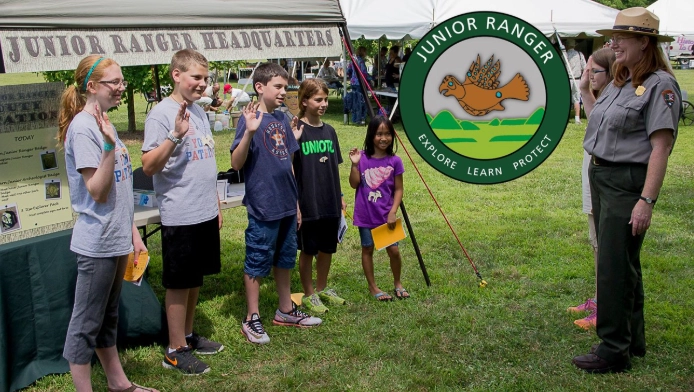
The official NPS site is mandatory, but it's not always user-friendly for planning. That's where these come in.
- Bloggers & Family Travel Sites: Parents who have been through it are your best allies. Search for "[Park Name] Junior Ranger review" or "our Junior Ranger experience at..." You'll get real photos, tips on how long it took, and warnings if a particular booklet is super hard. This is gold.
- Social Media Groups: Facebook groups dedicated to national park travel are filled with parents who will give you the straight scoop. You can ask, "Is the Junior Ranger program at Acadia good for a 7-year-old?" and get five answers in an hour.
The trick is to use the official site for the factual details (is it offered? is there a PDF?), and the unofficial resources for the practical details (is it fun? is it a nightmare on a busy Saturday?).
How to Choose: A Practical Filter for That Long List
Let's say you're planning a trip to a region with several parks. How do you choose which programs to tackle? You can't do them all without exhausting everyone. Here’s a simple filter I use.
| Factor to Consider | Questions to Ask | Good For... | Maybe Skip If... |
|---|---|---|---|
| Age & Content | Can I preview the booklet online? Is there a "younger" and "older" version? Are the activities hands-on (draw, listen, explore) or just reading? | Parks that post their booklets as PDFs. You can literally see it beforehand. | The park only mentions a single, vague "program" with no details. |
| Time Required | How many activities are required? Does it mandate attending a ranger-led talk (which runs on a schedule)? | Short, 1-2 hour commitments for younger kids or packed itineraries. | You only have a 2-hour stop at the park; some programs need 4+ hours. |
| "Cool Factor" | Is the badge unique (wooden, shaped, colorful)? Are there extra perks? (e.g., Some parks give out magnifying glasses or special certificates). | Building motivation. A cool badge is a powerful trophy. | Your kid is intrinsically motivated by learning; the badge is just a bonus. |
| Logistics | Where do you get the booklet? (Visitor center only?) Where/when do you turn it in? (Some outposts close early). | Parks with multiple visitor centers or easy, clear instructions. | The only turn-in spot is a remote ranger station 10 miles down a rough road. |
See? It's not random.
My personal rule of thumb now: I always try to download the PDF in advance if it exists. It lets me gauge the difficulty and, honestly, gets the kids psyched up during the car ride. It turns "we're going to a park" into "we're going on a mission to earn the Yellowstone Junior Ranger badge." Big difference.
Top Tier: Programs That Consistently Get Rave Reviews
Based on countless trip reports and my own experience, some parks have truly standout programs. They're often the ones that go beyond the basic worksheet. If you're building a trip around the Junior Ranger experience, these should be high on your National Park Junior Ranger program list.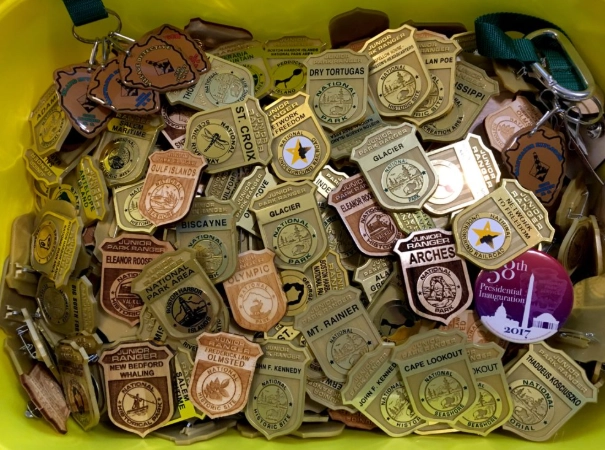
On the flip side, I've been to a few where the program felt like an afterthought—a single, poorly photocopied sheet with generic questions. It's disappointing, but it happens, usually at very small historical sites with minimal staffing. A quick check of recent reviews on TripAdvisor or a family blog can usually warn you about these.
Step-by-Step: From Finding the List to Pinning on the Badge
Let's walk through the entire process, start to finish, for a hypothetical trip to Rocky Mountain National Park.
- Pre-Trip Research (Do This at Home):
- Go to Rocky Mountain NP's official page.
- I scroll, find the "Learn About the Park" tab, and see "Kids & Youth." Bingo. It links to their Junior Ranger page.
- Great! They have a downloadable PDF of the booklet. I download and skim it. It's 12 pages, asks about ecosystems, animal adaptations, and requires attending one ranger program. Perfect for my 9-year-old.
- I check a family travel blog. A post says the Beaver Meadows Visitor Center is the best place to start and that the rangers there on weekends are especially great with kids. Noted.
- Park Day Execution:
- First stop: Beaver Meadows Visitor Center. We get the official printed booklet (even though we have the PDF, the physical copy is nicer). We ask the ranger about the timing of the next "Family-friendly Discovery Walk" to fulfill the ranger program requirement.
- We explore the park, doing the activities as we go. Spotting a pika? That's a question in the book. Learning about the alpine tundra? There's a section for that. The booklet guides our exploration.
- We attend the ranger walk at 2 PM. The ranger even mentions the Junior Rangers during the talk, which makes the kids feel seen.
- Before leaving, we swing back to the visitor center. A ranger (not busy for once!) sits with my kid, asks her a couple of questions from her book, and has her recite the Junior Ranger pledge. The badge is a neat embroidered patch with a mountain goat.
- Post-Trip Glory:
- The badge goes on her backpack. She tells everyone about it for a week. We look up the WebRangers site and do a related mission. The connection to the park lasts way longer than the trip.
This smooth process only happens because of the pre-trip work. Without it, you're showing up blind, hoping to find a booklet, and scrambling to complete it before the visitor center closes.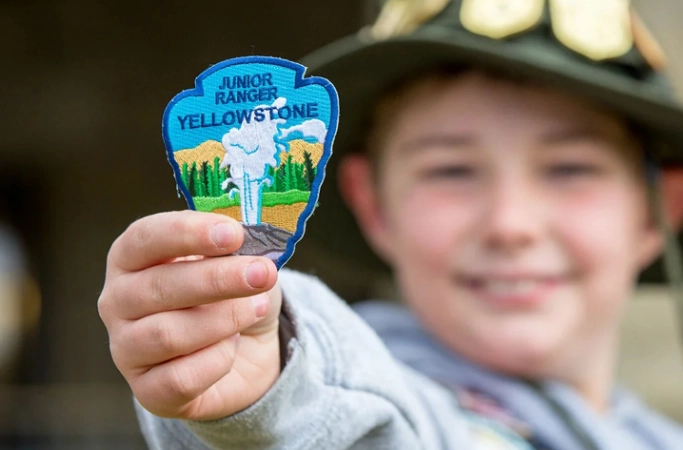
Answers to the Questions You're Actually Typing Into Google
Turning the List into a Lasting Habit (Beyond the Badge)
The ultimate goal isn't just to collect badges like Pokémon cards. It's to foster a lifetime connection to public lands and a sense of stewardship. The program is the gateway drug for caring about conservation.
How do you do that?
- Get the Passport: The National Park Passport (sold in park stores) is the perfect companion. Kids can get cancellation stamps from each park, and you can note which Junior Ranger badges they earned there. It becomes a travel journal.
- Aim for the Awards: The NPS offers national awards for completing a certain number of programs from different regions (like "Explore the West"). This provides a long-term framework that can guide family travel for years.
- Let Them Lead: Once they get the hang of it, let your kid be the expert. Have them use the NPS site to research the program at your next destination. Let them explain the process to a younger sibling or a friend.
The search for a National Park Junior Ranger program list is really the start of a bigger adventure. It's about moving from being a passive tourist to an active participant. The list is just the map. The fun is in the journey it creates.
So don't stress about finding one perfect master document. You now have something better: the know-how to build your own personalized, constantly updating list for every trip you'll ever take. That's way more powerful.
Now go find a park, and get those kids sworn in.