You lace up your boots, grab a pack, and hit the trail. That's hiking, right? Or is it backpacking? Most people use these terms interchangeably, but if you've ever shown up for a "hike" only to find your friend packing a tent, you know there's a gap in understanding. The difference isn't just semantic—it changes your gear, your planning, your budget, and your entire experience in the wilderness.
Think of it this way: hiking is an activity. Backpacking is a lifestyle, condensed into a journey. One is a long walk in nature; the other is moving your home on your back to live within the landscape. I learned this the hard way on my first "overnight hike" years ago, carrying a comically heavy external-frame pack with enough canned beans to survive a month. I was a hiker trying to backpack, and it was miserable.
What You'll Find in This Guide
The Great Gear Showdown: What's Really in Your Pack?
This is the most tangible difference. A day hiker's pack contains solutions for a long day out. A backpacker's pack contains solutions for living.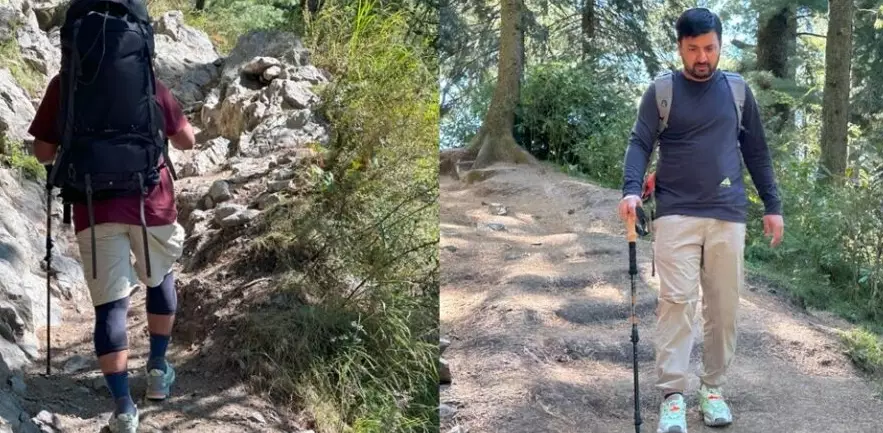
The Non-Negotiables: If you need to sleep outdoors, you've crossed from hiking into backpacking territory. That single requirement changes everything.
The Hiker's Loadout (Day Trip Essentials)
Your goal is comfort and safety for 4-10 hours. The pack is small, often 20-35 liters. Weight is a concern, but not an obsession.
You're looking at: water (2-3 liters, maybe with a filter as backup), lunch and snacks, a light insulating layer, a rain shell, a basic first-aid kit, a headlamp just in case, navigation (phone with offline maps is often enough), and trekking poles. Footwear can range from trail runners to boots, based on personal preference for the day's terrain.
It's manageable. You can buy most of this at a big-box store and have a perfectly good time.
The Backpacker's Loadout (Your Mobile Basecamp)
Now we're talking about a system. Every item has multiple weights: its physical weight, its cost, and its consequence if it fails. Your pack swells to 50-70 liters.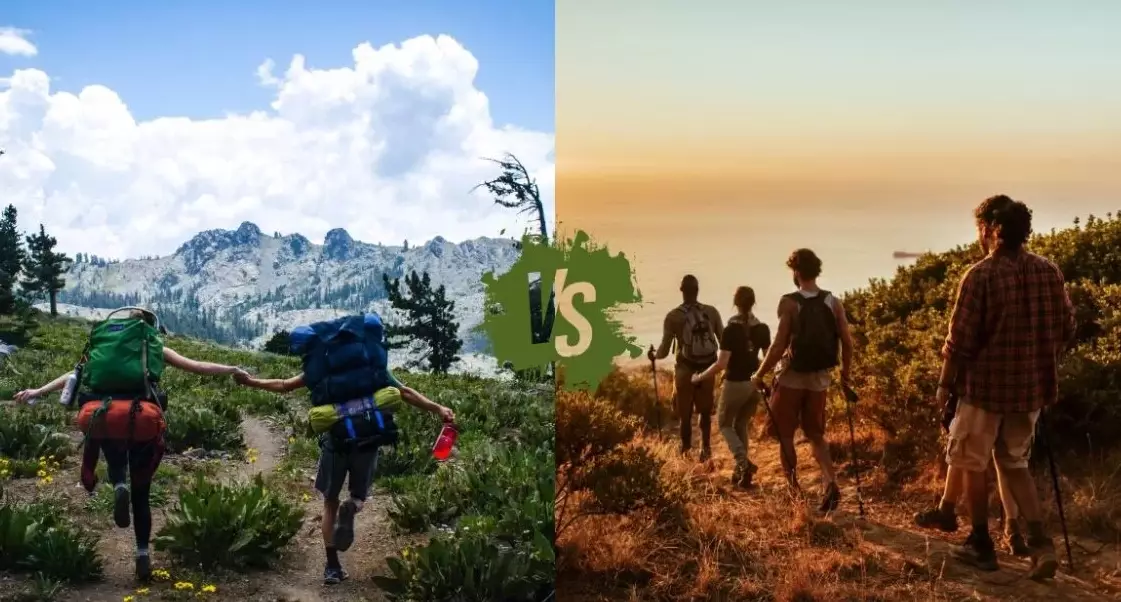
The Big Three dominate your pack and your budget:
- Shelter: Not just a tent. Could be a hammock, a tarp, or a bivy. The choice depends on weather, bugs, and weight tolerance. A cheap car-camping tent will make you hate your life on the trail.
- Sleep System: A sleeping bag (or quilt) with a temperature rating matching the coldest expected night, and an insulated sleeping pad. That $30 foam pad from Walmart? It's like sleeping on a cold sidewalk.
- Pack: It must comfortably carry 25-40 pounds. Fit is everything. An ill-fitting pack on mile 15 is a special kind of torture.
Then you layer on the rest: a stove and fuel, dehydrated meals, a bear canister or bag where required, more comprehensive first-aid, repair kits, and perhaps luxury items like a book or a flask. Your water capacity and treatment method become critical logistical points, not just an afterthought.
| Item Category | Typical Hiking Gear | Typical Backpacking Gear | Why the Difference Matters |
|---|---|---|---|
| Footwear | Trail runners, low-cut hiking shoes | Mid/high-cut boots, sturdy trail runners | Ankle support under heavy, shifting loads over multiple days is crucial for injury prevention. |
| Pack | Daypack (20-35L), hydration bladder friendly | Internal frame pack (50-70L), robust hip belt, load lifters | The hip belt must transfer 80%+ of the weight to your hips, not your shoulders. A daypack's straps will fail under a 30lb load. |
| Water | 2-3L carried, maybe a filter as backup | 1-2L carried, filter/purifier as primary, know water source locations | You cannot carry all the water you need for days. Knowing how and where to resupply is a core backpacking skill. |
| Navigation | Phone with Gaia GPS/AllTrails, paper map backup | Dedicated GPS device (e.g., Garmin), paper map & compass, satellite communicator | Remote areas lack cell service. A dead phone could be dangerous. Satellite communicators (like Garmin inReach) are for emergency SOS. |
A subtle point most guides miss: your hiking gear can be generic. Your backpacking gear must be personal. The perfect sleeping pad for my side-sleeping friend is a nightmare for me, a restless stomach-sleeper. This personalization is a huge part of the upfront cost and time investment.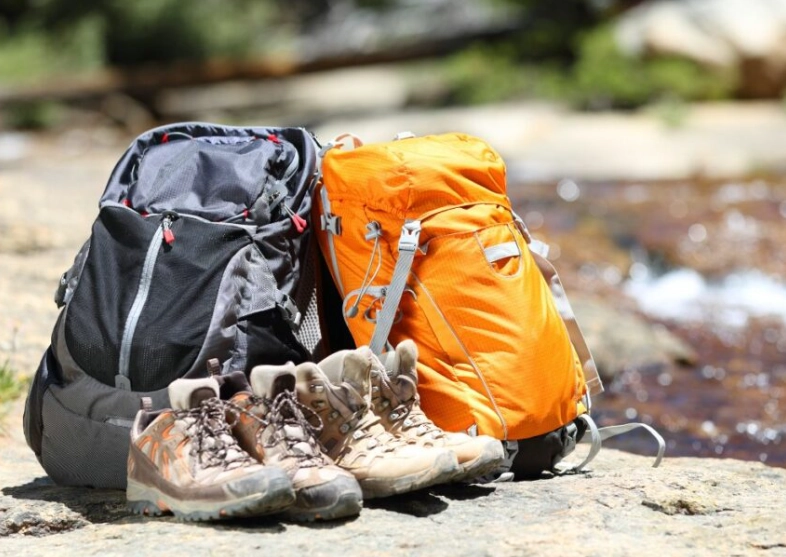
Mindset & Logistics: The Invisible Pack Weight
If gear is the body, mindset is the soul of the difference. Hiking is often spontaneous. See a cool trail on Instagram, drive there Saturday morning, go for it. Backpacking is a project.
The Hiking Mindset: Out and Back
The goal is the summit, the waterfall, the view. It's a linear journey with a clear endpoint—the car. Your planning involves checking the weather, maybe a parking permit, and telling someone your expected return time. The risks are acute but short-term: a turned ankle, a sudden storm. Help is often not far away.
You can be a spectator, enjoying nature as a beautiful backdrop.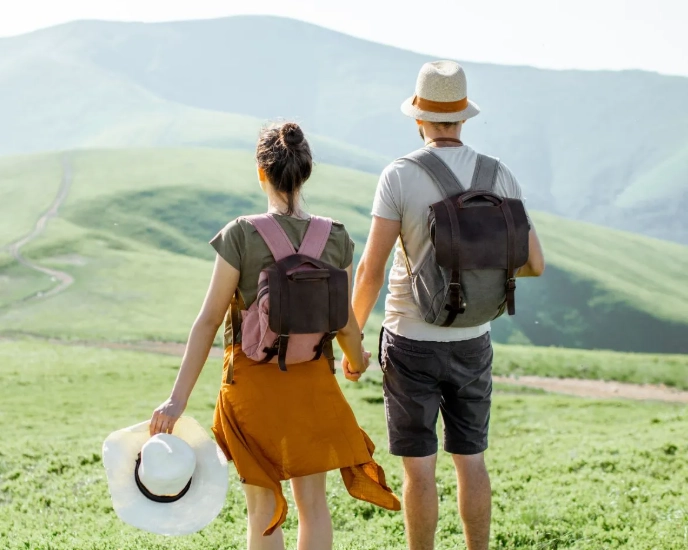
The Backpacking Mindset: Journey as Home
The trail itself is the destination. The goal is to travel through a landscape, to wake up in it. Planning is obsessive. You're not just checking a forecast; you're analyzing historical weather patterns for a mountain pass. You're securing permits months in advance for places like the John Muir Trail or Wonderland Trail.
You study topographic maps not just for route-finding, but for elevation profiles to plan daily mileage, and for critical water sources. You plan food resupplies—mailing boxes to remote post offices or planning off-trail town stops. Every ounce of food is counted. Did you pack too little? You'll be hungry. Too much? You're carrying dead weight.
The risk profile expands to include chronic issues: blisters that worsen over days, repetitive stress on knees, nutritional deficits, and the psychological toll of isolation or bad weather. Self-reliance isn't a cool trait; it's a mandatory skill set.
Here's a non-consensus take from too many miles: many new backpackers fail in their logistics by focusing only on the big items (tent, pack) and ignoring the "little" systems. They have a great tent but no efficient way to pack it so it's accessible in the rain. They plan meals but don't bring a cozy or enough fuel to actually boil all that water in the cold. These small friction points accumulate into a frustrating experience.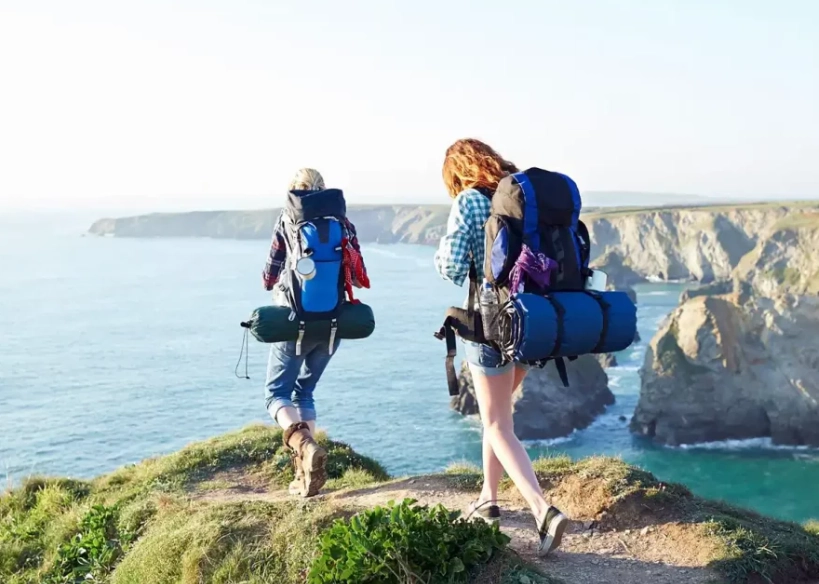
How to Choose Your Path: A Practical Framework
So, which one is for you? Don't think of them as a hierarchy, with backpacking as the "advanced" version. They're different pursuits. Ask yourself these questions:
1. What's your available time?
Hiking wins on flexibility. A half-day, a full day, it fits. Backpacking requires a minimum commitment—travel to the trailhead, hiking in, setting up camp, breaking camp, hiking out. A single overnight often feels rushed. Two or three nights let you settle into the rhythm.
2. What's your budget?
Be honest. A solid day-hiking kit can be assembled for a few hundred dollars. A reliable, lightweight backpacking kit (the Big Three, sleep system, cook kit) that won't make you miserable starts around $1500-$2000, and it's easy to go higher. This is the biggest barrier to entry.
3. What's your comfort with complexity & uncertainty?
Hiking is relatively simple. Backpacking is a cascade of interdependent decisions. Are you energized or drained by planning these details? How do you handle discomfort when you can't just walk back to your car?
My Recommendation: Start with ambitious day hiking. Do a 12-mile day with significant elevation gain. See how your body and mind respond. Then, try car camping at a trailhead and doing big day hikes from your base. Finally, for your first backpacking trip, go with an experienced friend or an outfitter-led trip. Borrow gear before you buy. Your first pack shouldn't be the one you buy for a thru-hike attempt.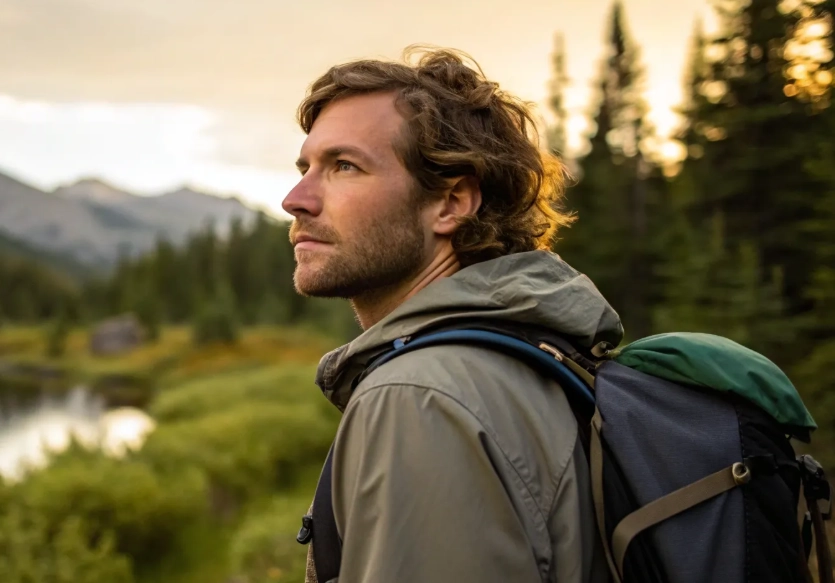
Your Backpacking vs Hiking Questions Answered
The line between hiking and backpacking isn't a fence; it's a transition zone. You might start as a hiker, get curious about what's beyond the next ridge, and slowly acquire the skills and gear to stay out there. Or you might find that the purity of a long, challenging day hike is your perfect sweet spot. Both connect you deeply to the natural world. One lets you visit. The other lets you, briefly, belong. Knowing the difference ensures your next adventure matches your ambition, preparation, and spirit.