You've got your harness, your shoes, maybe even a chalk bag. But what about the clothes on your back? Choosing the wrong outfit for rock climbing isn't just a style faux pas—it can be a genuine safety hazard that impacts your performance and enjoyment. I've seen too many beginners (and occasionally experienced climbers) make simple, avoidable mistakes with their clothing that led to discomfort, restricted movement, or worse. Let's cut through the noise and talk about what you should absolutely avoid wearing to the crag or gym.
Your Quick Guide to Climbing Attire
How can loose clothing be dangerous?
This is the number one rule, and it's violated more often than you'd think. Baggy shirts, wide-leg pants, or hoodies with dangling strings aren't just annoying—they're a liability.
Imagine you're making a crucial reach. Your loose sleeve gets caught on a rock feature or, more commonly, gets tangled in your quickdraw or belay device. Suddenly, you're not just climbing; you're wrestling with your own shirt. I once watched a climber's oversized hoodie get snagged on a bolt hanger during a lead fall. It didn't cause a serious injury, but it ripped the garment and gave everyone a real scare. The harness needs to sit directly against your body, and loose fabric can bunch up underneath it, causing pressure points and making it harder to assess a proper fit.
Think beyond the obvious: It's not just about giant hoodies. Beware of pants with overly wide legs that can flap around and obscure your foot placement on small holds. Long, untied drawstrings on jackets or pants are perfect for catching on carabiners.
Specific items to leave in the locker:
- Long, flowing skirts or dresses: This should be obvious, but you'd be surprised.
- Overly baggy jeans or cargo pants: All those extra pockets and fabric create snag points.
- Untucked, billowy shirts: Tuck them in or choose a fitted base layer.
- Anything with dangling tassels, ties, or frayed edges.
Why is cotton the enemy of climbers?
You might have heard "cotton kills" in hiking circles. In climbing, it just makes you miserable and cold. Cotton's fundamental property is that it absorbs moisture (your sweat) and holds it against your skin. On a cool day at a windy crag, a sweat-soaked cotton t-shirt becomes a chilling, heavy weight that saps your energy and body heat. This is a real performance killer and can lead to premature fatigue and even hypothermia in severe conditions.
I made this mistake on my first multi-pitch climb. It was a warm morning, so I wore a cotton henley. By the third pitch, I was sweating, and a breeze picked up. I spent the rest of the climb shivering on belay ledges, utterly miserable and unable to warm up. Synthetics or wool would have wicked the moisture away and kept me functional.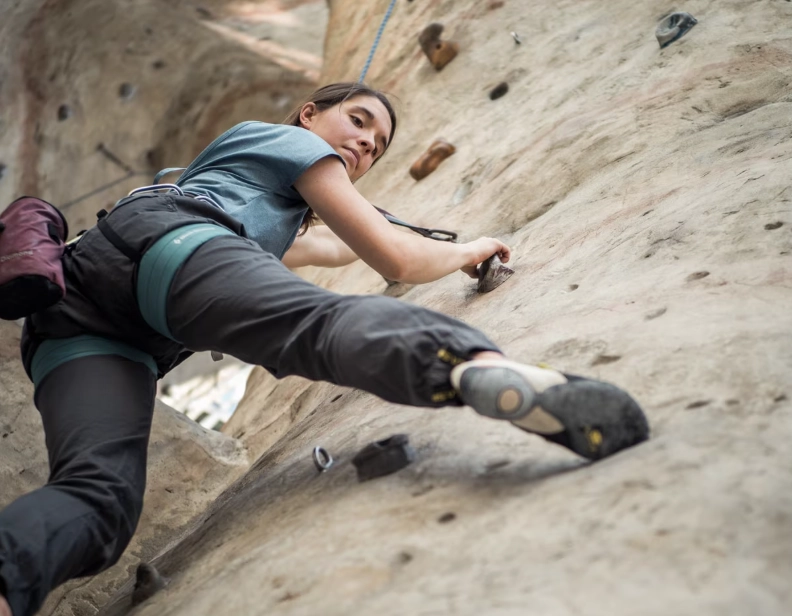
What footwear mistakes should you avoid?
This extends far beyond just wearing proper climbing shoes.
Approach and Belaying Footwear
Walking to the base of a climb often involves scrambling over uneven terrain. Flip-flops, sandals, or slick-soled street shoes are a recipe for a twisted ankle. You need secure, closed-toe shoes with decent grip. Once you're belaying, you're standing for long periods, often on uneven ground. Support matters.
The Climbing Shoes Themselves
Avoid wearing thick or bulky socks inside your climbing shoes (unless they are specifically designed for it, like some crack climbing boots). The sensitivity loss is tremendous. You need to feel the rock. Also, never wear shoes that are so painfully tight you can't stand in them for more than a minute. That's an old-school myth that leads to bad footwork because you're rushing to relieve the pain. As Tom Randall, a renowned climber and coach, has discussed in training articles, a shoe that is snug but allows you to focus on technique is better than one that is agonizing.
Are accessories and jewelry safe for climbing?
This is a major, often overlooked, safety issue. Rings, bracelets, necklaces, and watches pose two big risks: degloving injuries and gear snags.
A degloving injury occurs if a ring catches on a rock or bolt during a fall, potentially tearing the skin and tissue off the finger. It's as horrific as it sounds. Even a simple snag can break a finger. Watches and bracelets can get caught in cracks or on equipment. Belay gloves are essential for many types of climbing, and jewelry interferes with their fit and function.
Take off all jewelry before you put your harness on. It's a non-negotiable habit for safe climbers.
| Item to Avoid | Primary Risk/Reason | Better Alternative |
|---|---|---|
| Cotton T-Shirts & Hoodies | Absorbs sweat, leads to chilling, heavy when wet. | Synthetic or merino wool base layer. |
| Baggy Pants (Jeans, Cargos) | Snag on rock/gear, restrict movement, obscure footwork. | Fitted, stretchy climbing pants or leggings. |
| All Jewelry (Rings, Watches) | Risk of degloving injury, snags, damages gear. | Leave it in your bag or at home. |
| Non-Climbing Shoes (for approach) | Poor ankle support, slippery soles, injury risk. | Sturdy hiking shoes or approach shoes. |
| Clothing with Zippers/Metal (on torso) | Can scratch rock (esp. soft sandstone), get damaged. | Garments with minimal or plastic hardware. |
What fabrics and fits are actually good for climbing?
So what should you wear? The goal is freedom of movement, moisture management, and durability.
Fabrics: Look for synthetics like polyester or nylon blends. They wick sweat, dry fast, and are often woven with stretch (like spandex) for mobility. Merino wool is a fantastic natural alternative—it manages moisture, resists odors, and provides warmth even when damp. Many brands like Patagonia, Black Diamond, and prAna offer lines specifically designed for climbing mobility.
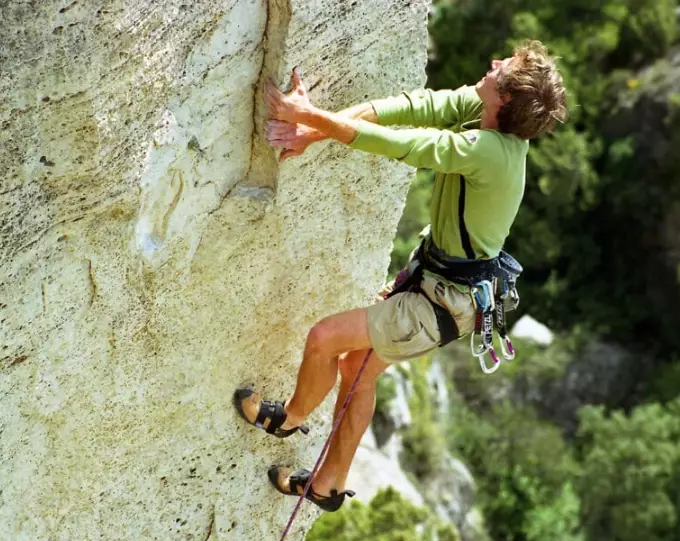
Fit: Aim for a fitted but not restrictive silhouette. You should be able to high-step, rock over, and reach overhead without fabric binding or riding up. Articulated knees and gusseted crotches in pants are game-changers. For tops, a snug base layer with a light, fitted wind shell or sun hoody for weather protection is a versatile combo.
Durability is key. You'll be scraping against abrasive rock. Reinforced panels on the seat, knees, and calves in pants are worth the investment.
Common Climbing Attire Questions Answered
Can I wear leggings for rock climbing?
Is it okay to climb in a cotton hoodie on a cool day?
What about climbing in shorts?
I see pros climbing in baggy clothes sometimes. Why is that okay for them?
Are there any environmental considerations for climbing clothing?
The right clothing won't make you a better climber overnight, but the wrong clothing can definitely hold you back—or put you in danger. It's one of the easiest parts of your kit to get right. Ditch the cotton, avoid the baggy fits, strip off the jewelry, and choose gear that moves with you. Your comfort, safety, and performance will thank you for it. Now get out there and climb.