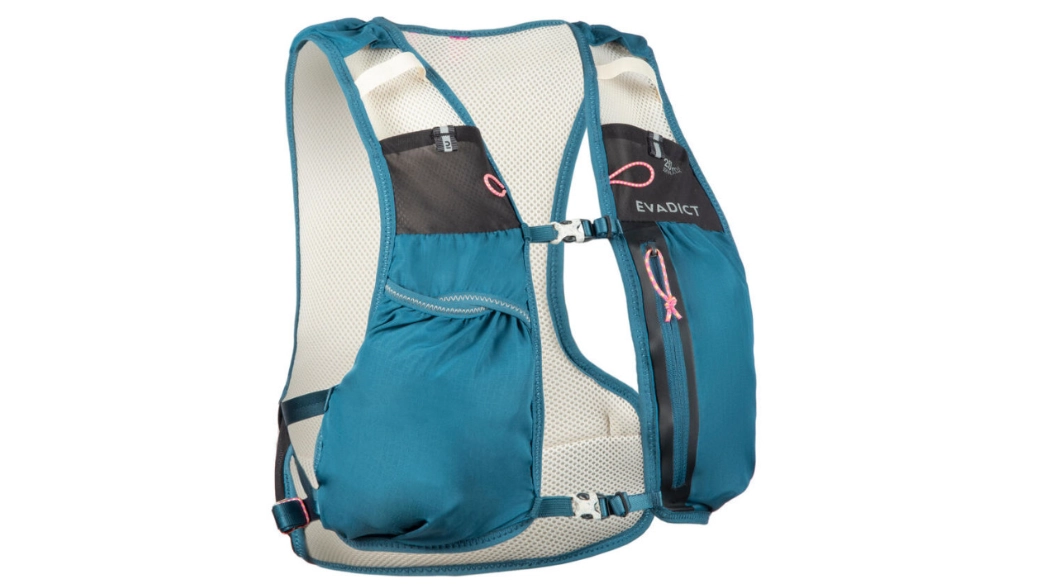
Let's be honest. Carrying a water bottle in your hand for more than a few miles is a pain. It throws off your balance, makes your arm tired, and if it's one of those squeezy ones, you're guaranteed a sticky hand. That's where a running hydration pack, or vest, comes in. It's not just a backpack with a straw; it's a tool that can make your longer runs safer, more comfortable, and frankly, more enjoyable. I switched over a decade ago after a miserably dehydrated half-marathon where aid stations were too far apart. Never looked back.
What's Inside This Guide
- Why You Should Ditch the Handheld Bottle
- How to Choose the Right Hydration Pack for Your Run
- Top Contenders Compared: Vest vs. Belt vs. Minimalist Pack
- Master the Fit and Prevent Chafing
- The Non-Negotiable: Cleaning and Maintenance
- Beyond the Pack: Your Actual Hydration Strategy
- Your Hydration Pack Questions, Answered
Why You Should Ditch the Handheld Bottle
It's about freedom of movement. A good hydration vest distributes weight evenly across your torso, keeping your center of gravity stable and your arms swinging naturally. This is crucial for trail running where balance is key, but it's a game-changer on roads too. You also carry more. Most vests hold 1.5 to 2 liters of water, plus pockets for gels, your phone, keys, a light jacket, and even trekking poles. It turns a run into a self-sufficient mission.
The biggest mistake I see? People buy a pack that's too big. If you're running 10K on paved paths, you don't need a 12-liter vest meant for mountain traverses. It'll bounce and annoy you.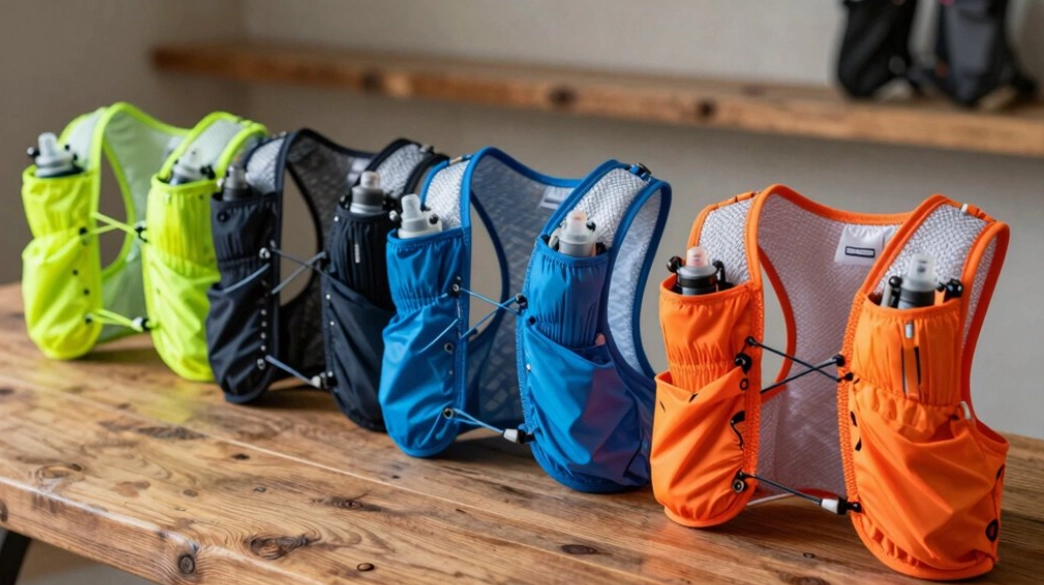
How to Choose the Right Hydration Pack for Your Run
Forget brand names for a second. Start with these three questions:
- How far and where are you running? A 5K road race? You probably need nothing. A 90-minute trail loop? A 1.5L vest with a couple of pockets. A 50K ultra? Look at 5-8L packs with front bottle access and massive storage.
- What's your preferred drinking method? Do you like sipping constantly from a hose (bladder system), or taking deliberate gulps from a soft flask (bottle system)? Many packs now offer both.
- What else are you carrying? Phone, keys, nutrition, hat, gloves, waterproof. List it out. Your pack's storage capacity (measured in liters) needs to match.
Top Contenders Compared: Vest vs. Belt vs. Minimalist Pack
Not all "hydration packs" are created equal. Here’s a breakdown of the main styles to cut through the marketing noise.
| Type | Best For | Capacity (Water) | Key Features | Watch Out For |
|---|---|---|---|---|
| Hydration Vest | Long runs (90+ mins), trail running, ultras, hot climates. | 1.5L - 3L+ | Even weight distribution, multiple front & back pockets, hose or soft flask compatible, highly adjustable. | Can be overkill for short runs. Poor fit leads to bounce and chafing. |
| Hydration Belt | Medium-distance road runs, runners who dislike things on their back. | 0.5L - 1L | Low profile, easy bottle access, often includes small pockets. | Can ride up or bounce if not snug. Limited carrying capacity. |
| Minimalist Hydration Pack | Fastpacking, all-day adventures, carrying mandatory gear for mountain races. | 2L - 5L+ | Larger main compartment, more robust materials, often hiking-oriented. | Heavier, less running-specific fit, can be less breathable. |
My personal go-to for most runs is a 2L vest-style pack. It's the sweet spot. For a quick hour on local trails, I might just use the two 500ml soft flasks in the front, leaving the back bladder empty. Versatility wins.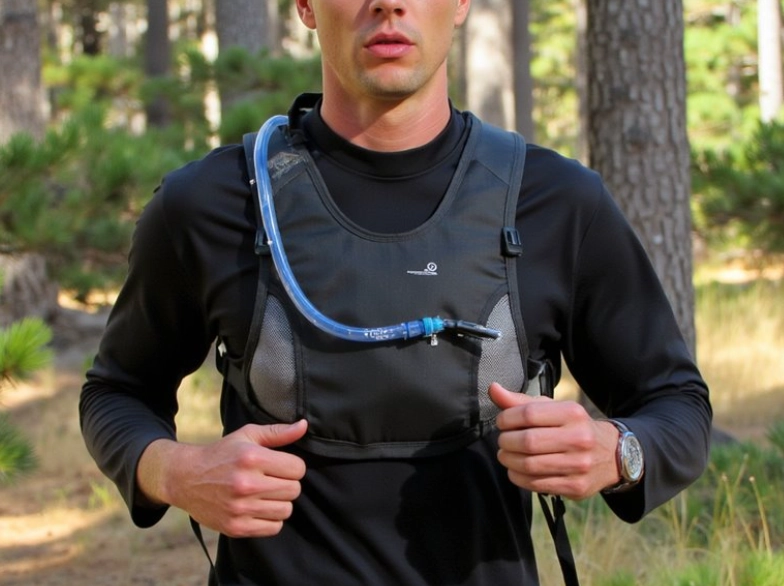
Master the Fit and Prevent Chafing
Chafing is the number one complaint about hydration packs. It's also almost entirely preventable. A 2019 review in the Journal of Athletic Training on skin injuries in athletes highlights friction and moisture as the prime culprits. Here’s how to beat them.
Get the Adjustments Right
Put the pack on loaded. Not empty. A vest that fits perfectly in your living room will sag and move once you add 2kg of water.
Tighten the sternum strap first. This is the horizontal strap across your chest. It should be snug but not restrictive, sitting a few inches below your collarbone. This is your primary anti-bounce device.
Then, adjust the shoulder straps. They should wrap comfortably around your shoulders without digging in. Finally, use the load lifter straps (if your pack has them) at the top of your shoulders to pull the load closer to your body.
Do a test run in place. Jump up and down. If it moves significantly, tighten the sternum strap a notch.
Win the War on Chafing
Chafing happens at pressure points: the neck from the hose, the shoulders from straps, the lower back from the pack's edge.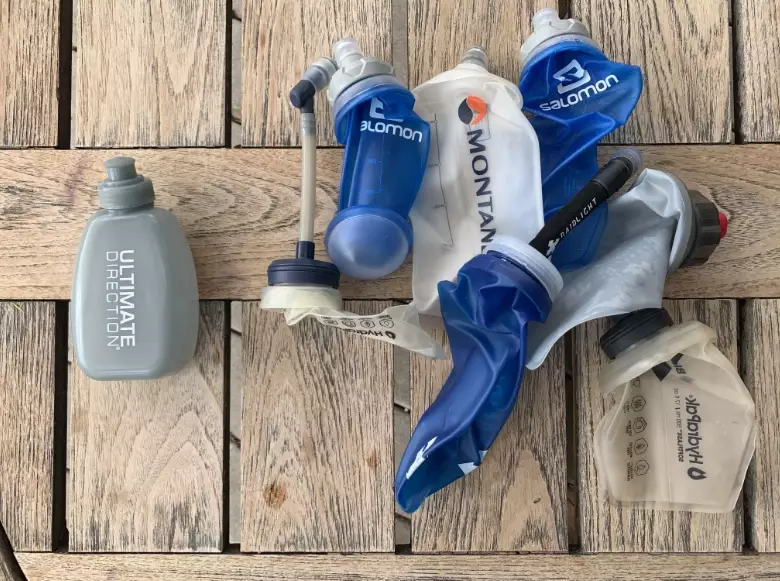
- Route the hose properly: Don't let it dangle. Use the provided loops to secure it close to your body, away from your neck.
- Wear the right shirt: A seamless, moisture-wicking technical shirt is mandatory. Cotton is sandpaper over distance.
- Lube up: Apply a product like Body Glide or Vaseline to common hot spots before you feel any irritation. Armpits, under the sternum strap, along your spine.
- The post-run check: Rinse your vest's straps with fresh water after every salty, sweaty run. Salt crystals left in the fabric are tiny blades.
The Non-Negotiable: Cleaning and Maintenance
This is where most people fail. A dirty reservoir isn't just gross; it can harbor bacteria like Pseudomonas, leading to funky tastes or stomach issues. The American College of Sports Medicine emphasizes proper hydration system hygiene, especially in warm climates.
After every run, empty it completely. Don't just leave half a liter sloshing around in your closet for a week. I did that once. The smell that greeted me next time was unforgettable, in the worst way.
Rinse the bladder with warm water. Hang it open to dry completely—a drying hanger is a $5 lifesaver. Once a month, do a deep clean with a teaspoon of baking soda or a dedicated cleaning tablet (like from CamelBak or Osprey). Scrub the tube with a long brush.
Let it air dry. Always. Never store it wet.
Beyond the Pack: Your Actual Hydration Strategy
The pack is just the delivery system. What and when you drink is the real science. A common error is drinking too much, too fast, or just plain water on very long efforts, risking hyponatremia.
For runs under 60 minutes, water is usually fine. For longer or hotter runs, you need electrolytes—sodium, potassium, magnesium. They help you retain fluid and maintain nerve and muscle function.
Don't wait until you're thirsty. Thirst is a late sign of dehydration. Sip small amounts regularly, every 15-20 minutes. Practice this in training. Your gut needs to be trained to absorb fluids on the run, just like your legs.
In summer, freeze your reservoir half full the night before, then top it off with cold water in the morning. You'll have cool water for hours.
Your Hydration Pack Questions, Answered
 Can I put anything other than water in the bladder?