Let's cut to the chase: climbing Mount Everest is brutally hard. It's not just a tough hike; it's a life-or-death endeavor that tests every limit. I've spent years in high-altitude mountaineering, and I can tell you that most people underestimate the sheer scale of the challenge. The difficulty isn't just about fitness—it's a mix of physical strain, mental grit, logistical nightmares, and plain old luck. If you're thinking about it, you need to know what you're really signing up for.
What You'll Find in This Guide
The Physical Demands: More Than Just Strength
Your body goes through hell on Everest. It's not like running a marathon; it's more like surviving in a hostile environment for weeks. The altitude is the biggest killer—literally. Above 8,000 meters, in the so-called "Death Zone," your body deteriorates because there's not enough oxygen to sustain life.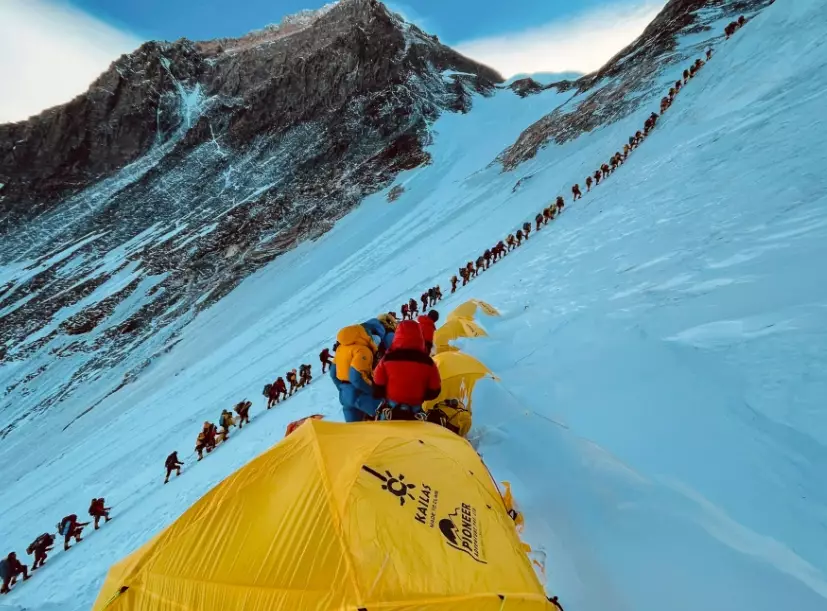
I remember a climb where a teammate, fit as a fiddle at sea level, struggled with simple tasks like tying his boots at Camp 4. That's the reality: altitude doesn't care about your gym PR.
Altitude Acclimatization: Your Body's Biggest Test
Acclimatization is non-negotiable. You spend weeks going up and down the mountain to let your body adapt. The standard schedule involves multiple rotations between Base Camp and higher camps. Skip this, and you risk pulmonary or cerebral edema, which can be fatal in hours. According to the UIAA (International Climbing and Mountaineering Federation), proper acclimatization reduces altitude sickness risks by over 50%.
Most commercial expeditions follow a pattern: Base Camp (5,364m) to Camp 1 (6,065m), back down, then to Camp 2 (6,400m), and so on. It's tedious, but it's what keeps you alive.
Endurance and Strength Requirements
You need both cardio and muscle strength. Think of carrying a 20kg pack on steep ice for 6-8 hours a day, in freezing winds. Your legs burn, your lungs scream, and your mind begs you to stop. A baseline fitness level? Aim for being able to hike 15 miles with elevation gain while feeling fresh. But that's just the start.
Many newcomers focus on leg strength but forget about core and upper body—hauling yourself over ladders in the Khumbu Icefall requires serious arm power.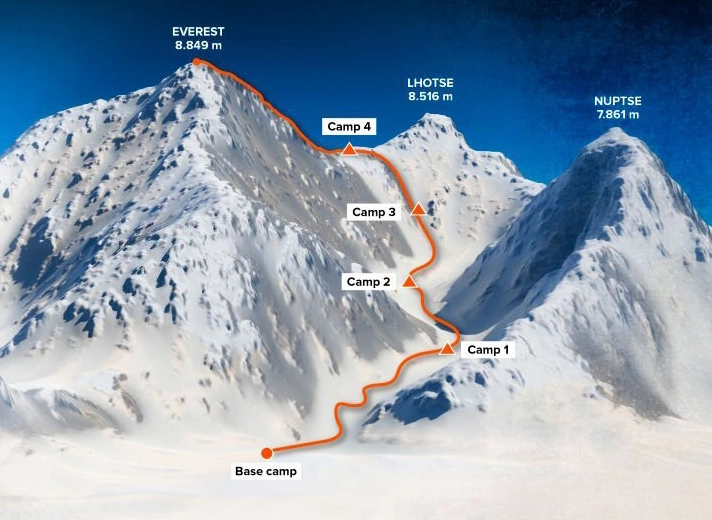
Mental Challenges: The Invisible Battle
The mental game is where climbs are won or lost. Isolation, fear, and decision-making under pressure can break even seasoned climbers. On Everest, you're away from civilization for two months, with limited communication. The boredom alone is crushing.
I've seen climbers turn back not because of physical issues, but because they couldn't handle the psychological stress. The constant noise of cracking ice, the sight of avalanches, the knowledge that people die here—it wears you down.
Decision-Making Under Pressure
When you're exhausted and oxygen-deprived, your judgment falters. A common mistake: pushing for the summit when weather turns bad, just because you've invested so much. That's how disasters happen. Guides from reputable companies like Alpine Ascents International emphasize turning back if conditions aren't perfect, but ego often gets in the way.
You have to be ruthless with yourself. If your gut says no, listen. The mountain will always be there; your life might not.
Logistical Hurdles: Cost, Permits, and Gear
Let's talk money and paperwork. Climbing Everest isn't just physically hard; it's a logistical monster that can cost a fortune. The price tag shocks most people.
Here's a breakdown of typical costs for a commercial expedition from the Nepal side:
| Expense Category | Estimated Cost (USD) | Notes |
|---|---|---|
| Expedition Fee | $35,000 - $100,000 | Varies by operator; includes guides, food, base camp services |
| Nepal Government Permit | $11,000 | Mandatory for foreigners; price set by authorities |
| Gear and Equipment | $10,000 - $15,000 | High-altitude suits, boots, oxygen systems, etc. |
| Travel and Insurance | $5,000 - $10,000 | Flights to Kathmandu, evacuation insurance |
| Miscellaneous | $2,000 - $5,000 | Tips, extra supplies, contingency funds |
Total? Easily over $50,000, and that's before any emergencies. The permit process alone involves dealing with Nepalese bureaucracy, which can be slow and frustrating. You need to apply months in advance through the Department of Tourism in Nepal.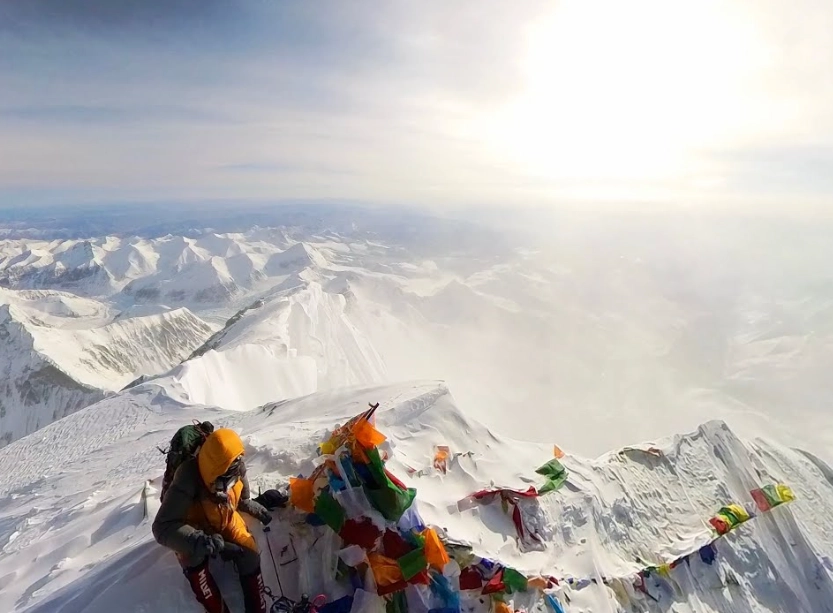
Gear is another beast. You can't skimp here. A faulty oxygen mask or a torn suit can mean death. Brands like The North Face or Mountain Hardwear are common, but I've had gear fail on me—once, a zipper broke at 7,000m, and I nearly froze. Always test everything beforehand.
Training and Preparation: A Year-Long Grind
Training for Everest isn't a few months of jogging. It's a dedicated, year-long commitment that mimics the conditions you'll face. Most successful climbers start preparing at least 12 months out.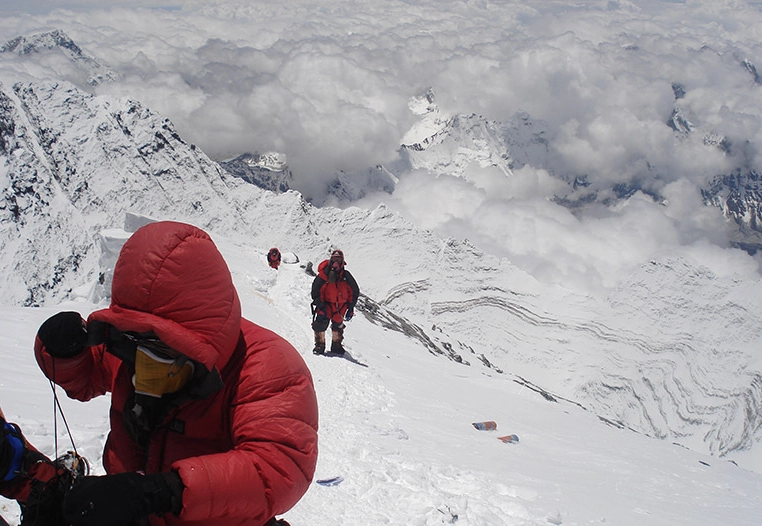
Here's a sample training plan I've used:
- Months 1-4: Build base fitness with running, cycling, and weight training. Focus on endurance—aim for 20-30 miles of running per week.
- Months 5-8: Add altitude simulation. Use hypoxic tents if possible, or hike at high elevations. Incorporate pack carries with 15-20kg on steep terrain.
- Months 9-12: Specific skill work: ice climbing, glacier travel, and cold-weather camping. Practice with your expedition gear to break it in.
Nutrition matters too. You'll burn 6,000-8,000 calories a day on the mountain. Most expeditions provide food, but it's often bland and repetitive. Bring your own snacks—things you actually like, or you'll struggle to eat.
A mistake I see: people train solo but forget about team dynamics. Everest is a group effort; you need to be comfortable working with others in stressful situations.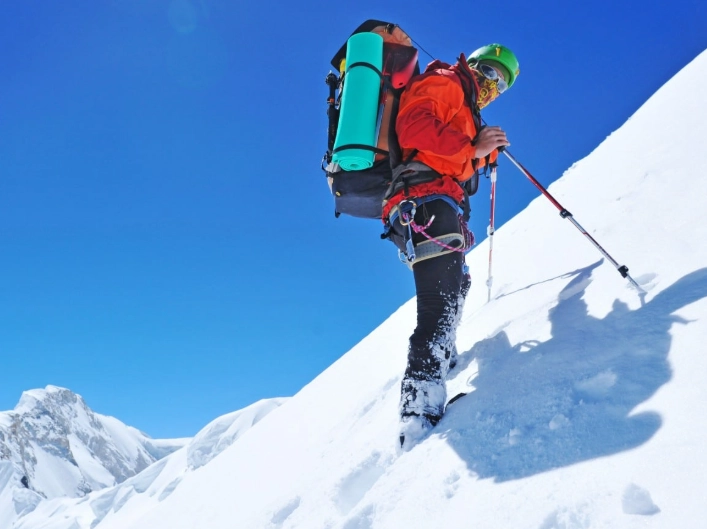
The Death Zone: Where Every Step Counts
Above 8,000 meters, your body is dying. The Death Zone is the ultimate test of Everest's difficulty. Oxygen levels are a third of sea level, temperatures drop to -30°C, and storms can hit without warning.
In this zone, every decision is critical. You're on supplemental oxygen, but tanks can run out. Climbers move slowly, often taking hours for what would be a short walk below. The risk of frostbite is high—I've lost parts of my toes to it, and it's not pretty.
The summit push typically starts from Camp 4 around midnight, aiming to reach the top by morning. It's a grueling 12-18 hour climb through the Hillary Step and other technical sections. Turnaround times are strict; if you're not back by early afternoon, guides will force you down.
Success rates vary. According to data from the Himalayan Database, about 60% of climbers who attempt Everest from the south side reach the summit, but that number drops in bad seasons. Death rates hover around 1-2%, but in years like 1996 or 2014, they spiked higher.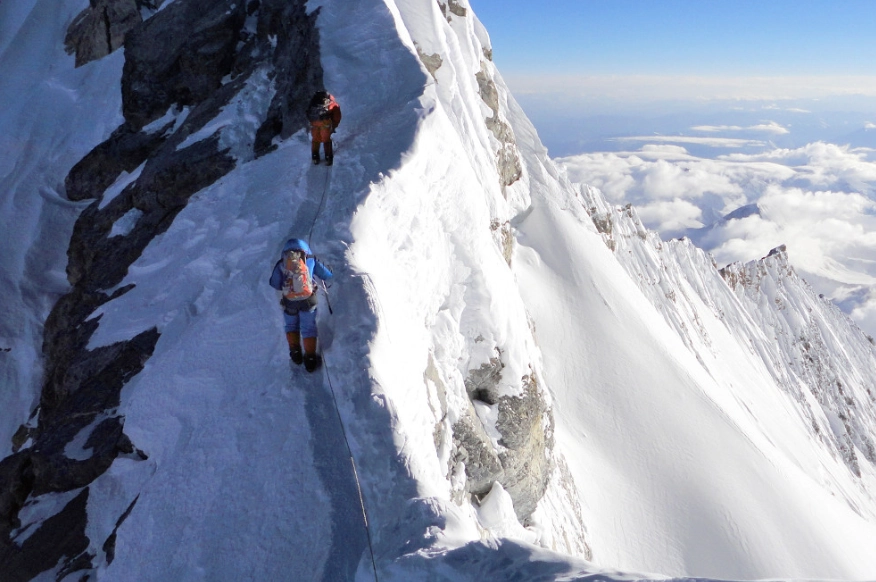
Personal Take: The commercialization of Everest has made it seem easier, but don't be fooled. More people on the mountain means more bottlenecks, like the infamous queues near the summit. I've waited in line for hours in freezing temps, watching climbers collapse from exhaustion. It's a circus at times, and that adds to the difficulty.
FAQ: Your Burning Questions Answered
So, how hard is it to climb Mount Everest? Extremely. It's a mix of physical endurance, mental resilience, financial investment, and logistical precision. Most who attempt it don't summit, and even those who do often come back changed—sometimes for the worse. If you're serious, start small, train hard, and respect the mountain. It's not a checklist item; it's a life-altering challenge.