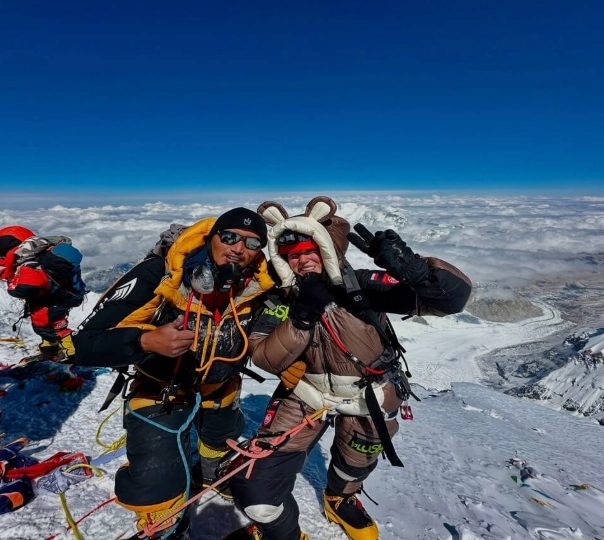
You see a mountain and you want to climb it. Simple, right? It’s anything but. The path you choose up that mountain defines the entire experience—the gear in your pack, the skills in your toolkit, the risks you manage, and even the philosophy driving you forward. Ask any seasoned climber "what are the three types of mountaineering?" and they'll likely describe a spectrum of commitment, from a fast-and-light weekend mission to a multi-month siege on the roof of the world.
Most articles just list them: Alpine, Expedition, and Traditional (or Rock/Ice). But they miss the nuance, the gritty decisions, and the specific pitfalls that catch newcomers. Having spent over a decade guiding and climbing across these disciplines, I see the same confusion. Someone excels at rock climbing indoors and thinks they're ready for a big alpine face. Or they train for a major expedition but overlook the logistical monster it truly is.
Let's cut through the jargon. Here’s a practical, no-fluff breakdown of the three core mountaineering disciplines, what each one really demands, and how to know which one might be calling your name.
Your Quick Guide to the Three Types
1. Alpine Style Climbing: The Art of Speed and Lightness
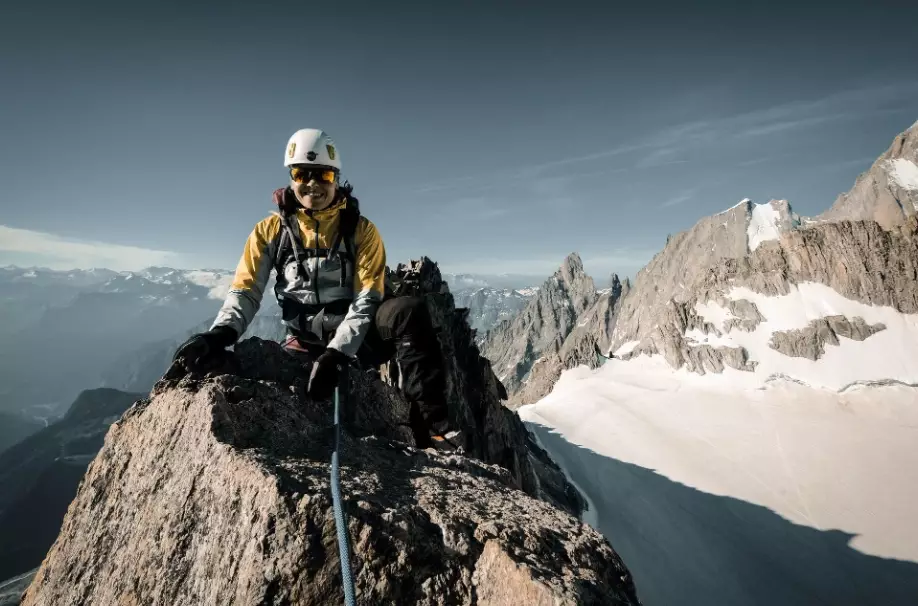
Imagine this: You and a partner leave the trailhead at midnight with a single pack each. You move continuously over rock, ice, and snow, navigating by headlamp and instinct. You summit as the sun rises and are back at the car by afternoon. That’s the alpine style ethos—carry everything you need from bottom to top, don’t pre-establish camps, and move fast to outrun weather and objective hazards.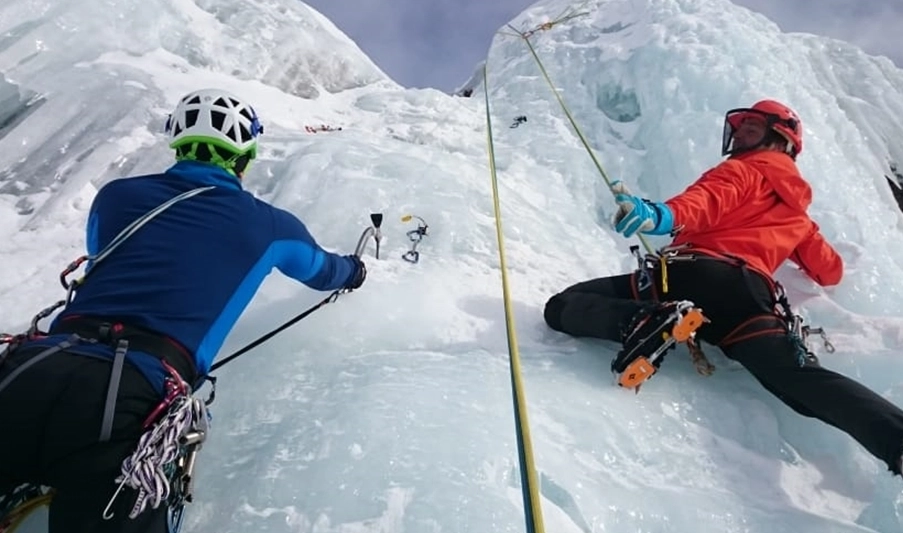
It’s the most pure and, in my opinion, the most demanding form of the sport mentally. The mountains climbed this way are serious. Think the North Face of the Matterhorn, the Cassin Ridge on Denali, or countless technical routes in the Canadian Rockies or Patagonia.
The Core Idea: Self-sufficiency, continuous movement, and minimal impact. You succeed through fitness, skill, and smart decision-making, not through a pile of gear and support staff.
What You're Really Signing Up For
Alpine style isn't just "harder hiking." The skill set is composite. You need to be a competent rock climber, comfortable on steep ice, adept at moving on a rope team over glaciers, and a savvy navigator. The crux is often the transitions—switching from rock to ice, racking your gear while shivering on a small ledge, making a critical route-finding call in a whiteout.
The gear is lightweight and multi-purpose. Your puffy jacket might be your bivy shelter. A single half-rope does it all. Every ounce is scrutinized. A common mistake? Bringing a dedicated "just in case" item. In alpine style, if you can't imagine using it multiple times, it stays behind.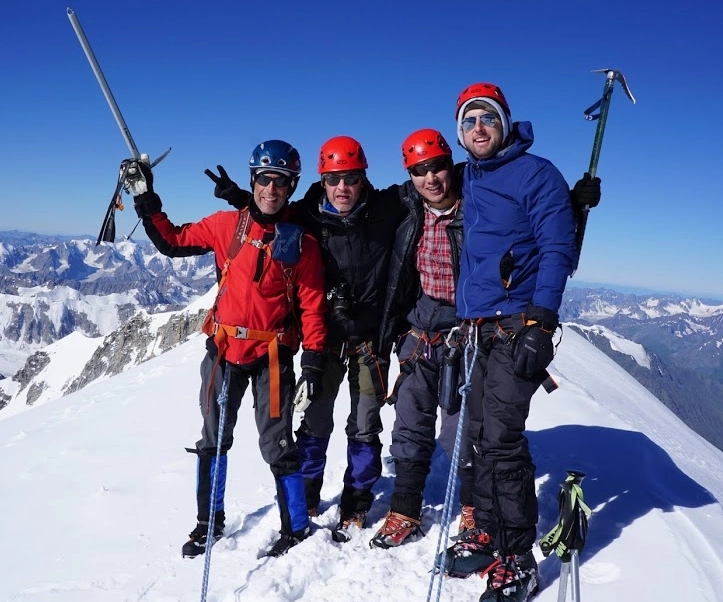
Let's get specific. A classic introductory alpine objective is the Kain Route on Mount Louis in the Canadian Rockies (UIAA Grade IV, 5.6). It's a long day of scrambling and low-fifth-class rock climbing. You need a helmet, harness, a light rack of cams and nuts, a 60m rope, and the ability to move together efficiently. The descent is complex. Doing it in a day is the alpine style goal; failing that, you bivy with what you have.
The reward is immense. The feeling of flowing over a mountain under your own power, with nothing but what's on your back, is unparalleled. The suffering, however, is equally real.
2. Expedition Style Mountaineering: The High-Stakes Siege
Now, picture the opposite. You establish Base Camp, then Camp 1, then Camp 2, fixing ropes along the way. You ferry loads, acclimatize by going up and down, and wait for a weather window to push for the summit. This is expedition style, the method used for the world’s highest peaks like Everest, K2, and all the 8000-meter giants.
It’s a logistical marathon, often compared to a military campaign. It’s less about athletic prowess in a single push and more about endurance, patience, and systems management. The climbing can be technically moderate (though at extreme altitude, nothing is easy), but the scale is monumental.
The Reality Behind the Instagram Summit Photo
Everyone sees the summit shot. Few talk about the eight weeks prior: the intestinal bugs at Base Camp, the mind-numbing boredom during storm cycles, the repetitive climbs through the Khumbu Icefall, the slow degradation of your body as it consumes itself for energy.
The gear list is a spreadsheet. From high-altitude boots and a full-down suit to supplemental oxygen systems and specialized medical kits. The cost is astronomical, often exceeding $40,000 for a guided attempt on an 8000er, when you factor in permits, logistics, guides, and gear.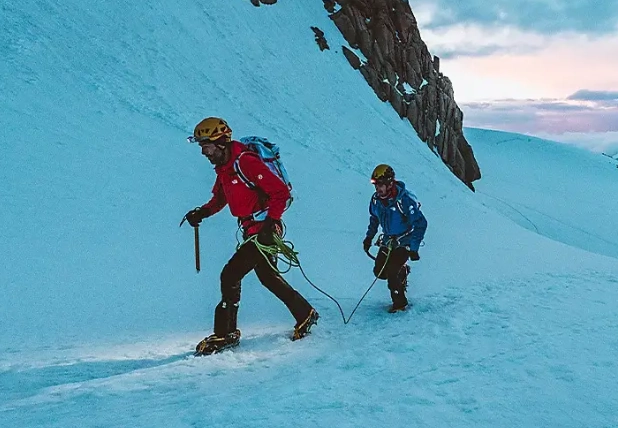
Here’s a non-consensus point many outfitters won't emphasize: Expedition climbing is often about managing a support team as much as it is about climbing. You're relying on Sherpas to fix ropes, cooks to prepare food, and doctors to monitor your health. Your success is intertwined with theirs. Understanding and respecting this dynamic is non-negotiable.
A more accessible expedition-style experience for aspiring climbers is a guided trip on Denali's West Buttress route. Over 2-3 weeks, you'll learn sled hauling, camp establishment on snow, and the rhythm of load carries and acclimatization spins. It’s a perfect microcosm of the expedition model without the six-figure price tag or lethal altitude.
3. Traditional Mountaineering: The Foundational Craft
This is the root of it all. Before "alpine style" was a term, this was just mountaineering. It involves ascending a peak via its least technical route, often a snow climb, a glacier trek, or a scramble. The focus isn't on technical rock or ice pitches but on core mountain skills: glacier travel, crevasse rescue, navigation, snow and ice climbing with an ice axe and crampons, and weather assessment.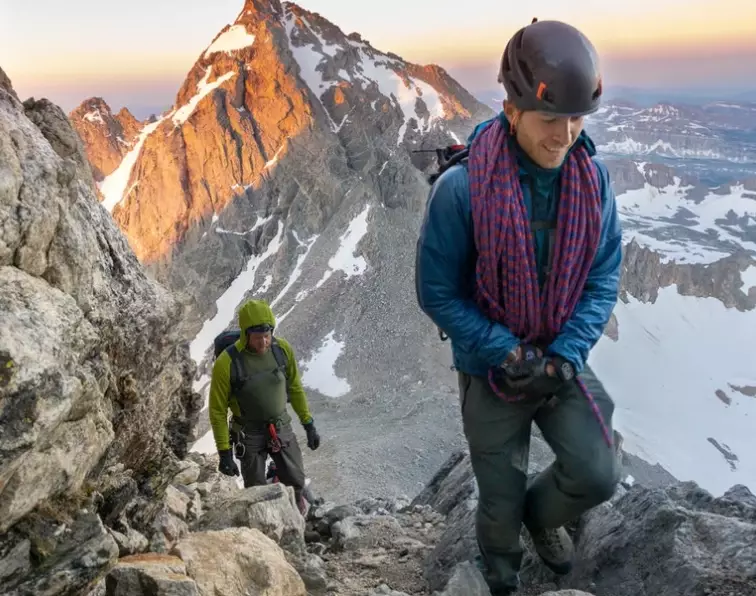
Peaks like Mount Rainier via the Disappointment Cleaver, Mont Blanc via the Goûter Route, or Mount Baker's Easton Glacier are prime examples. These are not hikes. They are serious undertakings where a slip can be fatal, and turning around due to conditions is a sign of wisdom, not weakness.
Why This is the Best Place to Start
If you're new to the mountains, this is your mandatory first step. It builds the foundational safety systems that all other types rely on. A weekend rock climber has no idea how to arrest a fall on a 40-degree snow slope or how to extract a partner from a crevasse. Traditional mountaineering teaches that.
The gear is more substantial than alpine style but less overwhelming than expedition. A sturdy mountaineering boot (not a hiking boot), a reliable ice axe, crampons that fit, a helmet, and knowledge of how to use them are the basics.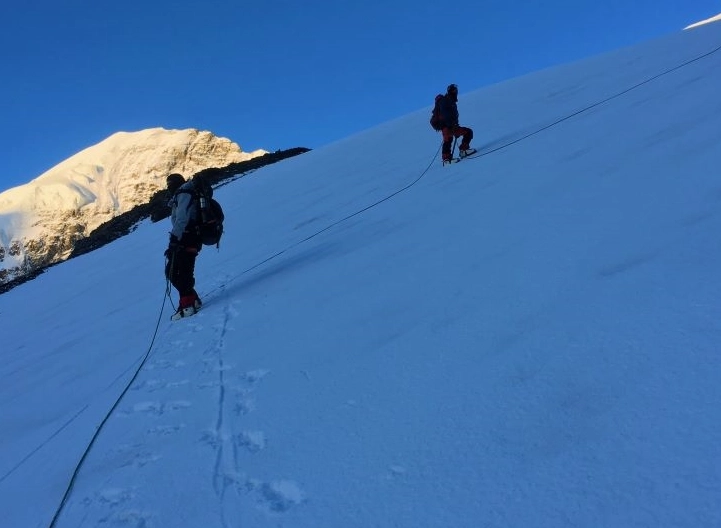
The biggest mistake I see? People treating these climbs like a fitness challenge. They train for the vertical gain but neglect to practice self-arrest with a heavy pack or to understand how snow stability changes throughout the day. The mountain doesn't care how fast your marathon time is if you don't know how to read the snowpack under your feet.
How to Choose Your Path Up the Mountain
So, which type is for you? It's not a linear progression. It's a branching path based on your interests, risk tolerance, and available time.
Start with Traditional. Take a formal course from a guiding service like the American Alpine Institute or a local mountaineering club. Learn glacier travel, crevasse rescue, and basic snow/ice climbing. Summit a classic non-technical peak with a guide.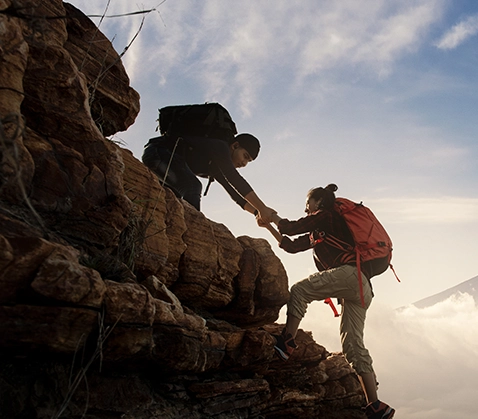
From there, diverge.
- If you love the technical challenge and moving fast, add rock and ice climbing skills. Start linking low-grade technical routes in a day. You're moving towards Alpine.
- If you are fascinated by high-altitude, big landscapes, and the logistical puzzle, focus on endurance and cold-weather camping. Aim for a bigger peak like Denali or Aconcagua. You're eyeing the Expedition path.
- If you simply love being in the mountains and want to safely access beautiful, remote places, deepen your traditional skills. Become an expert in avalanche assessment, advanced navigation, and leading on moderate glaciated terrain.
The lines blur. Many of the best climbers fluidly move between all three, applying the efficiency of alpine style to expedition peaks (a trend known as "lightweight expedition" style) or using advanced traditional skills to access remote alpine objectives.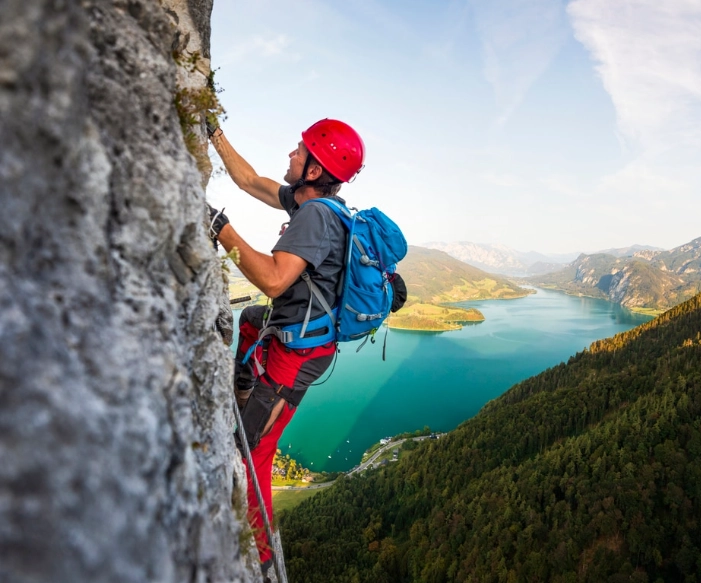
Your Mountaineering Questions, Answered
Which type of mountaineering is best for a complete beginner?
How much does a typical expedition to an 8,000-meter peak really cost, beyond the permit?
Can I transition from rock climbing in a gym to traditional mountaineering?
Is alpine-style climbing always faster and safer than expedition-style?
Ultimately, understanding these three types of mountaineering isn't about picking a label. It's about understanding the language of the mountains. It's the difference between looking at a line on a map and knowing what that line will feel like under your boots—the crunch of névé at dawn, the hollow sound of a snow bridge, the exhausting joy of a summit earned through your own planning and effort. Start with the foundations, be honest about your skills, and the mountains will reveal the path that's right for you.