Let's cut to the chase: yes, climbing is fantastic for beginners, but only if you approach it the right way. Throwing yourself at a random rock face with no idea what you're doing is a recipe for a bad time (or worse). The real question isn't "is it good?" but "how do I make it good for me?"
I've been climbing for over a decade, teaching newcomers, and watching the sport explode in popularity. The biggest mistake I see isn't a lack of strength; it's a lack of knowledge about how to start smart. This guide is that missing piece.
Your Quick Start Guide
- Why You Should Absolutely Start Climbing
- The Real Risks (And How to Shrink Them)
- Your First Climb: A Step-by-Step Plan
- Gear Breakdown: What You Actually Need Day 1
- Forget Strength, Technique is King
- 3 Beginner Pitfalls Nobody Talks About
- From First-Timer to Regular: Your Path Forward
- Your Climbing Questions, Answered
Why You Should Absolutely Start Climbing
Climbing isn't just exercise; it's a full-spectrum activity that hits physical, mental, and social notes most sports miss.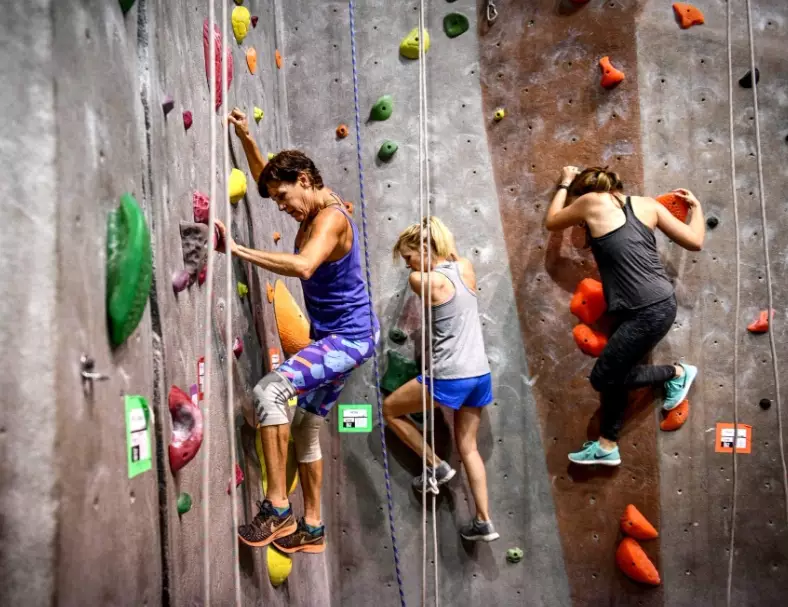
More Than Just Pull-Ups
Think climbing is all about bulging biceps? Think again. It's a full-body puzzle. Your legs are your primary engines, pushing you up. Your core constantly engages to keep you on the wall. Your fingers and forearms learn control, not just brute force. It improves flexibility, balance, and coordination in a way running on a treadmill never will.
The Mental Game
This is the hidden benefit. A climbing route (or "problem," in bouldering) is a physical problem to solve. You're scanning for holds, planning moves, and managing fear—especially if heights get to you. That moment of hesitation 15 feet up, where you breathe, focus, and push through? That builds mental resilience that translates off the wall.
Community Vibe: Walk into a climbing gym. You'll hear people discussing beta (the sequence of moves), cheering each other on, and offering spots. It's collaborative, not competitive. For a beginner feeling awkward about trying something new, this supportive atmosphere is a game-changer. You're not just joining a gym; you're finding a crew.
The Real Risks (And How to Shrink Them)
Let's not sugarcoat it. Climbing involves falling. The risks are real but incredibly manageable with the right approach.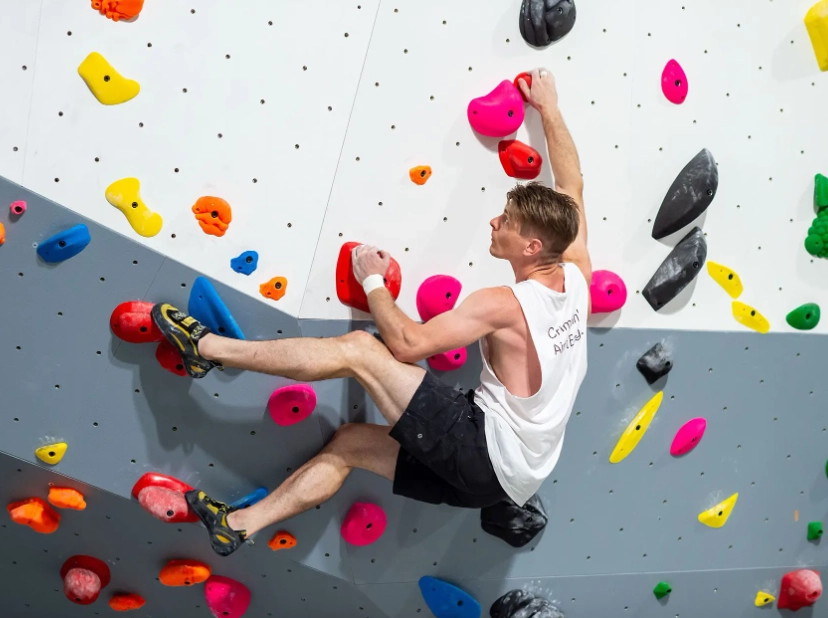
The most common beginner injuries are overuse injuries—tendonitis in fingers or elbows from doing too much too soon. Acute injuries from falls are rare in controlled environments like gyms, thanks to safety systems and padded floors for bouldering.
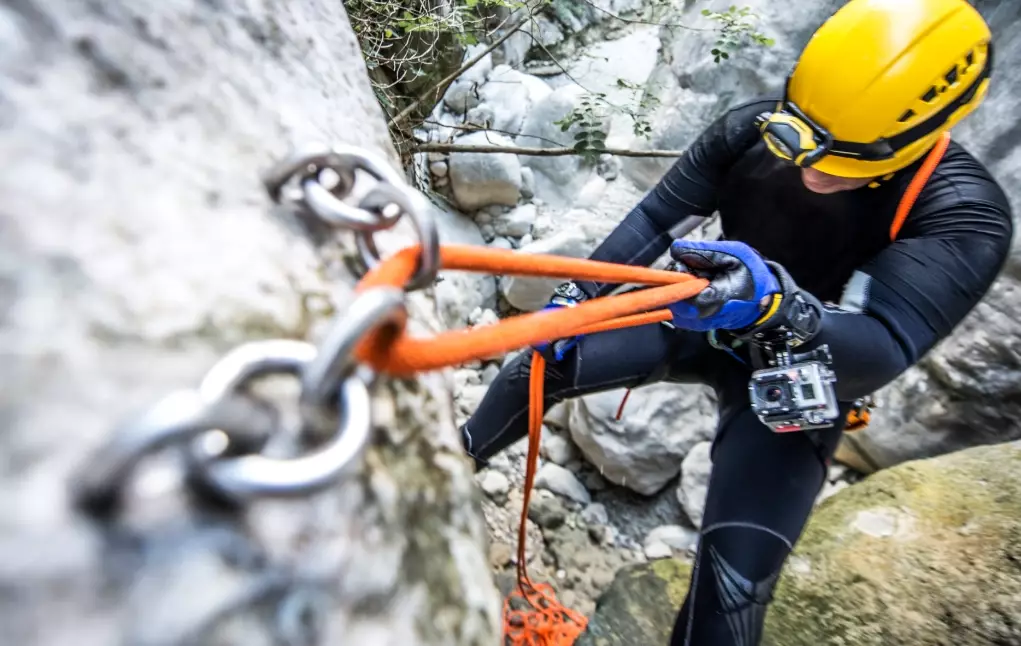
The #1 Rule: Your safety is your responsibility. Even with a certified belayer, you check your own knot and harness. This mindset is non-negotiable and is the first thing any good instructor will drill into you.
Your First Climb: A Step-by-Step Plan
Here’s exactly what to do, removing all the guesswork.
1. Choose Your Style: Bouldering vs. Rope Climbing
Bouldering: Shorter climbs (10-15 feet) over thick crash pads. No ropes or harnesses. It's about power, technique, and solving short, hard sequences. You can try it alone after a gym safety intro. It's the most accessible entry point.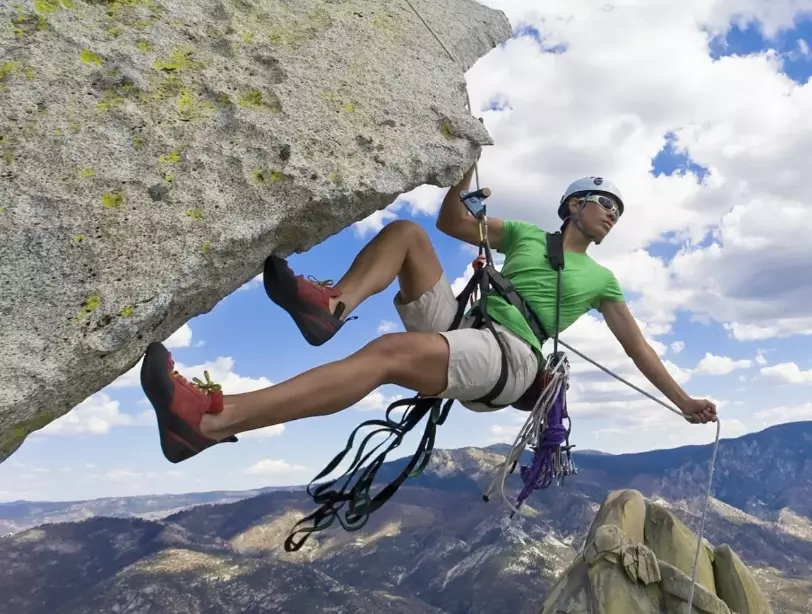
Top-Rope Climbing: Taller walls (30-60 feet) where a rope runs from you, up to an anchor, and down to a partner (belayer) who manages the rope. It's less about explosive power and more about endurance and facing height. You need a partner who knows how to belay or must take an introductory class.
2. Find a Gym and Take a Class
Don't just walk in and wing it. Search for "beginner climbing class near me" or "intro to bouldering." Gyms like Movement, Touchstone, or your local independent gym offer these. A 1-2 hour class covers safety, basic movement, and gym etiquette. It's the single best investment you can make.
3. Gear Up (Minimally)
For your first visit, you often only need comfortable, flexible clothing and a water bottle. Gyms rent shoes and harnesses. Use them. Don't buy anything until you know you like it.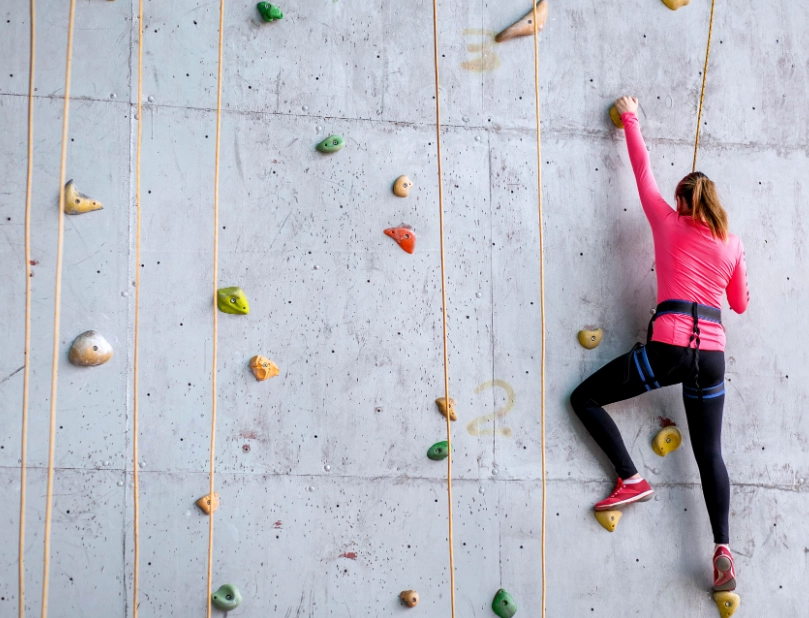
Gear Breakdown: What You Actually Need Day 1
| Item | Do You Need It Day 1? | Beginner-Specific Advice | Approx. Cost |
|---|---|---|---|
| Climbing Shoes | Rent first | Beginners should opt for a flat or slightly downturned profile. They should be snug but not painfully tight. Your street shoe size is often too big. | $80 - $150 |
| Harness | Only for rope climbing; rent first | Get a basic, padded harness. Ensure it fits snugly on your hips and the leg loops are comfortable. The gym staff will help you. | $50 - $100 |
| Chalk & Chalk Bag | Nice to have, but rentable/borrowable | Liquid chalk is often required in gyms post-pandemic and is less messy. A small bag of loose chalk is the classic choice. | $15 - $30 |
| Belay Device & Carabiner | No. Use gym gear in class. | After your intro class, if you stick with rope climbing, an assisted-braking device like a Petzl GRIGRI is highly recommended for beginners for its added safety. | $60 - $100 |
| Comfortable Clothing | YES | Stretchy, non-restrictive pants/shorts and a t-shirt or tank top. Avoid baggy pants that might get caught under your foot. | - |
Forget Strength, Technique is King
I see strong guys burn out on a V1 (the easiest grade) while lighter, more technical climbers float up it. Here’s the secret sauce:
Use Your Legs. Your legs are stronger than your arms. Stand up on your feet. Push with your legs to move, don't just pull with your arms.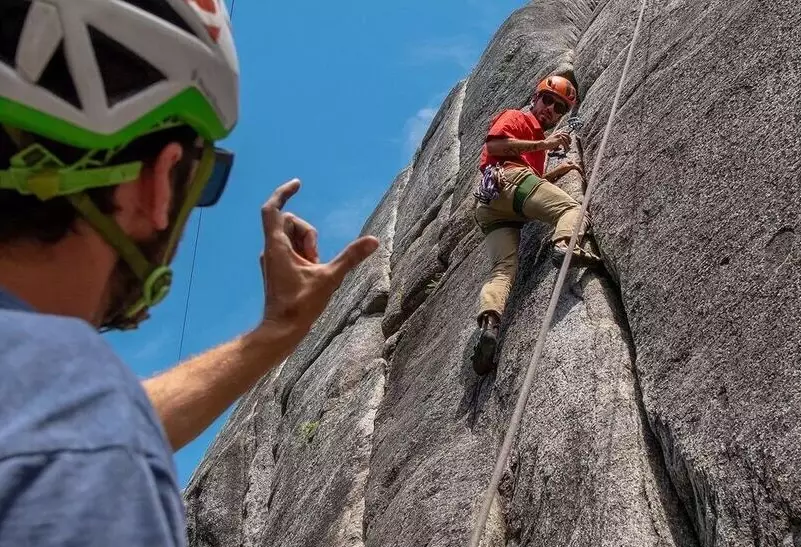
Keep Your Arms Straight. A bent arm is a tired arm. Straight arms let your skeleton hold you, saving your muscles for the moves.
Quiet Feet. Don't stomp or scrape your feet on the wall. Place them precisely and quietly. Good footwork is the hallmark of a good climber.
Hips to the Wall. Turn your hips and body to reach holds that seem far away. This isn't just facing the wall head-on; it's a dance.
3 Beginner Pitfalls Nobody Talks About
These aren't in the standard manual.
1. The "Death Grip": You cling to every hold for dear life, exhausting your forearms in minutes. Relax your grip. Use open-hand positions when you can. Trust your feet.
2. Ignoring the Rest: On a longer rope climb, there are often good holds where you can shake out your arms, re-chalk, and breathe. Beginners panic and rush, turning a 5-minute climb into a 90-second pump fest.
3. Comparing Grades Too Soon: Obsessing over climbing a V3 or 5.10 within your first month is a joy-killer. Grades vary wildly between gyms and setters. Focus on movement quality, not the number. The grade will come.
From First-Timer to Regular: Your Path Forward
You've taken the class, climbed a few times, and you're hooked. What now?
- Buy Your First Pair of Shoes: Now you know your size and preference.
- Find a Consistent Partner: Use the gym's partner board, social media groups, or make friends in classes.
- Climb Consistently, Not Intensely: Twice a week for an hour is better than one 4-hour marathon that leaves you injured.
- Consider a Technique Clinic: Most gyms offer them. They're worth every penny.
- Explore Outdoors (With an Experienced Guide or Mentor): Do NOT go outside without someone who knows anchor systems, rock quality, and local ethics. Organizations like the American Alpine Club offer resources and clinics.
Your Climbing Questions, Answered
So, is climbing good for beginners? The answer is a resounding yes, provided you start with knowledge instead of ego. Take that class, rent the shoes, talk to people at the gym, and focus on the fun of moving on the wall. Forget the grades, forget being the strongest. Just climb. The community, the fitness, and the sheer joy of solving a physical puzzle are waiting for you.