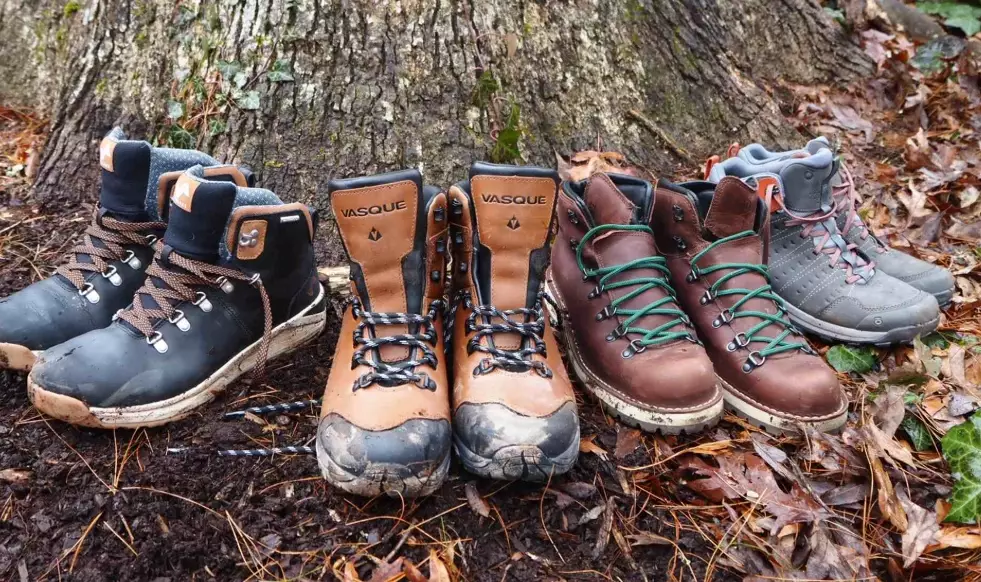
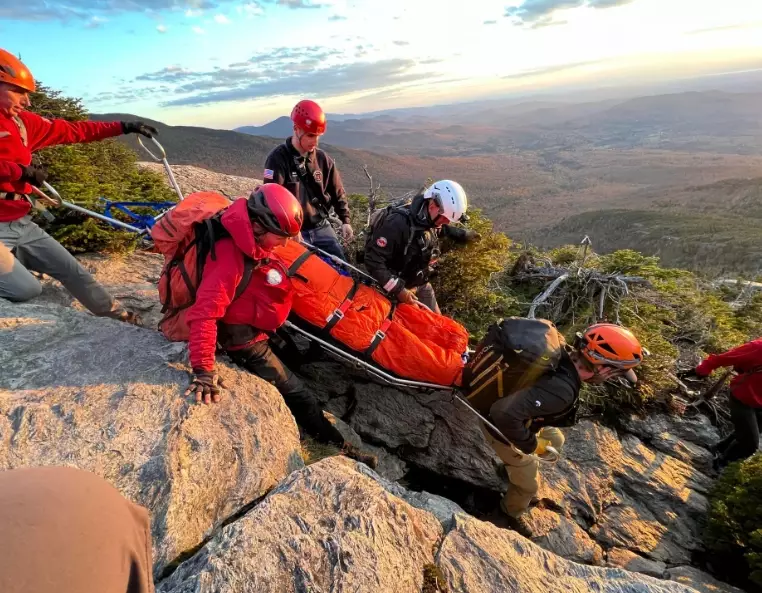
Ask ten hikers about the best hiking boots, and you'll get twelve different answers. That's because the question is wrong. There is no single "best" boot. There's only the best boot for you, for the trails you walk, with the feet you have. I learned this after a miserable 8-mile hike in what were supposedly "top-rated" boots. My heels were raw, my toes numb. They were great boots—just not for my feet.
This guide won't just name-drop brands. We'll dissect what actually matters. You'll learn to think like a boot fitter, matching components to conditions, so your next purchase supports every step.
Your Quick Trail Map to This Guide
Why "Best" is a Useless Word for Hiking Boots
Marketing wants you to believe in a holy grail. Reality is messier. The perfect boot for a 150-pound day hiker in Arizona is a disaster for a 200-pound backpacker in the Scottish Highlands. Your foot width, arch height, and even how your toes splay when weighted are unique.
I see people buy boots based on a friend's recommendation or an award sticker. It's like buying someone else's prescription glasses.
Instead, define "best" by three filters:
- Your Foot: Not just size, but volume (high instep?), shape (wide toe box?), and idiosyncrasies (bunions, high arches?).
- Your Terrain: Slick East Coast roots? Sharp Western granite? Flat dirt paths? Mud?
- Your Load: A light daypack or a 40-pound multi-day burden? Weight magnifies every flaw in support and fit.
Get these right, and even a mid-tier boot feels legendary. Get them wrong, and the most expensive boot will torture you.
Boot Anatomy 101: The 5 Parts That Actually Matter
Let's strip a boot down. Understanding these components lets you decode spec sheets and sales talk.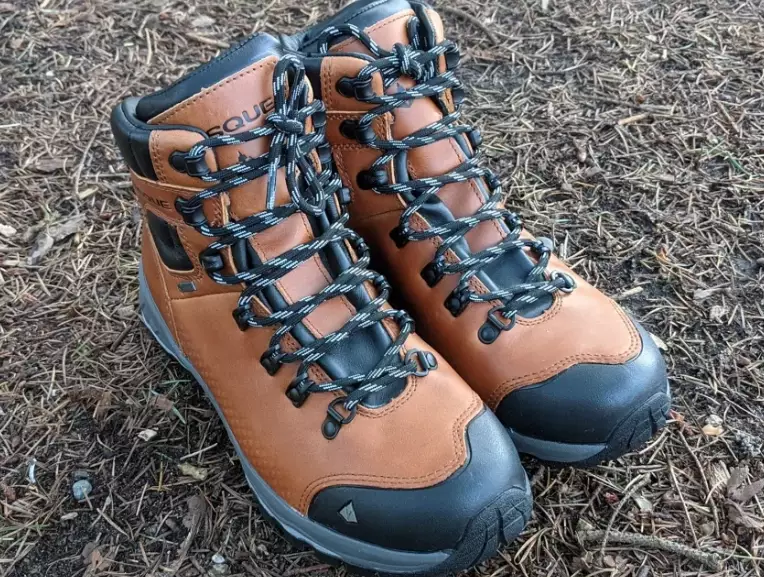
1. The Upper: Protection vs. Breathability
This is the boot's body. Materials dictate durability, weight, and climate control.
| Material | Best For | Trade-offs |
|---|---|---|
| Full-Grain Leather | Heavy loads, rough terrain, maximum durability. The workhorse. | Heavier, requires break-in, less breathable. Can be hot. |
| Suede/Nubuck Leather + Mesh | Most backpackers. Great blend of durability, breathability, and lighter weight. | Less waterproof than full-grain (unless lined), but dries faster. |
| Synthetic (Mesh, Polyester) | Fast-and-light day hiking, trail running, dry climates. | Lightest, most breathable, dries fastest. Least durable against abrasion. |
The Waterproof Question: A waterproof membrane (Gore-Tex, eVent) is a liner. It keeps water out but also traps sweat in. For wet, cold, muddy conditions—essential. For dry, hot, or high-sweat activities, breathable non-waterproof is often the smarter, more comfortable choice. Your feet stay drier from sweat.
2. The Midsole: Your Hidden Cushion
This is the foam or EVA layer between the outsole and your foot. It absorbs shock. Stiffer midsoles offer more support for heavy loads and uneven ground, protecting your feet from fatigue. Softer midsoles are more comfortable for light loads on smoother trails. Backpacking boots have stiff midsoles; hiking shoes have flexible ones.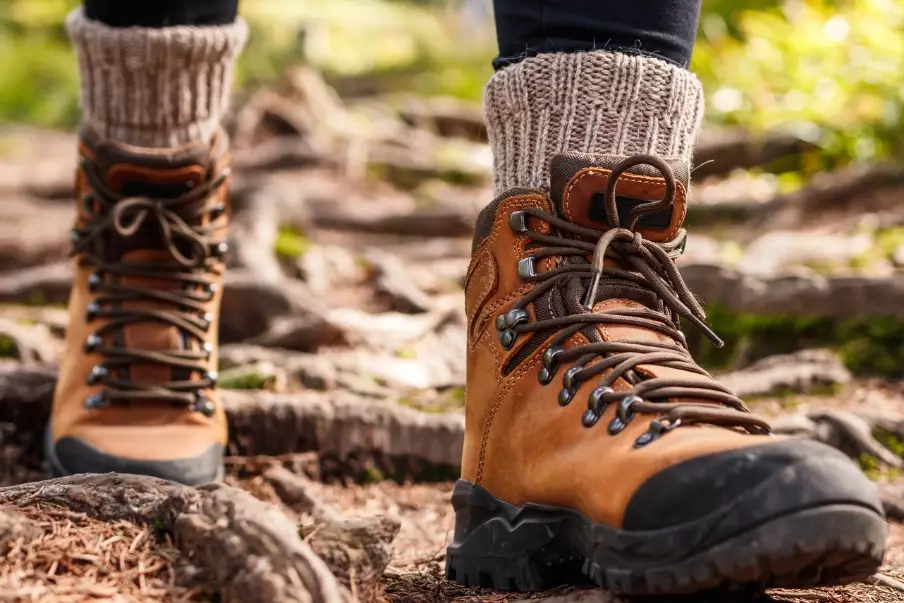
3. The Outsole: Your Connection to Earth
This is the rubber bottom. Vibram is a famous brand, but not all Vibram is equal—they have different rubber compounds. Look for deep, multi-directional lugs (the tread pattern) for mud and loose dirt. Look for sticky rubber (like Vibram's "Megagrip") for wet rock and roots. A shallow, flat lug pattern will slip on anything technical.
4. The Last: The Boot's Blueprint
This is the 3D form the boot is built around. It determines the fundamental shape. Brands have different lasts: some are narrow (Salomon often runs narrow), some are wide (Altra has a famously wide toe box), some have a high volume. You can't change this. You must find a brand whose last matches your foot shape. This is why trying on multiple brands is non-negotiable.
5. The Support: Ankle Collar and Shank
Ankle support isn't about preventing twists (that's a myth); it's about stability and keeping debris out. A higher cuff guides your foot over uneven ground. A stiff shank (a plate in the midsole) provides torsional rigidity, so the boot doesn't twist awkwardly on off-camber rocks.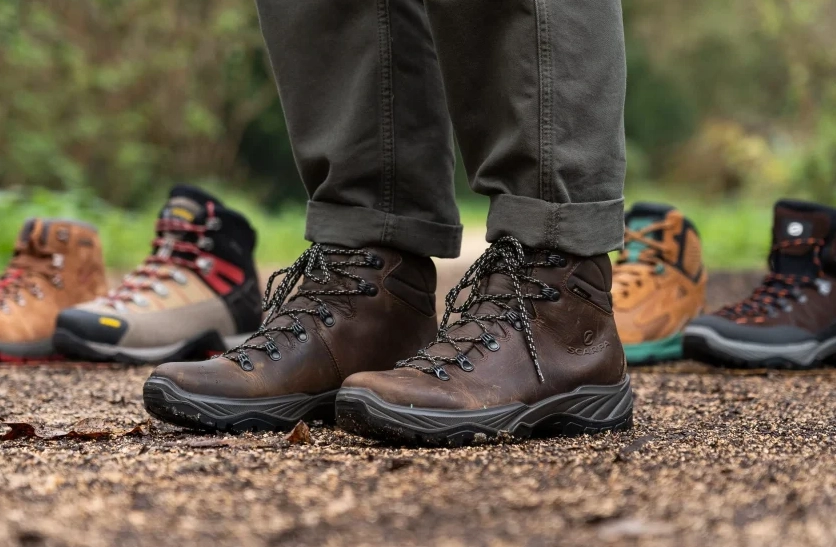
Match Your Boot to Your Trail: A Simple Framework
Now, let's apply the anatomy. Forget weight categories (they're inconsistent). Think in terms of use case.
Scenario A: The Day Hiker & Trail Explorer
You're out for 2-8 hours on established trails. Pack is under 15 pounds. Terrain varies.
Your Target: Hiking Shoes or Light Hiking Boots. Low-cut or mid-cut. Focus on flexibility, breathability, and comfort right out of the box. Synthetic or leather/mesh uppers. A flexible midsole. This is where a non-waterboot option shines in summer. Think brands like Merrell Moab, Salomon X Ultra, or Altra Lone Peak.
My go-to for 90% of my day hikes is a non-waterproof trail runner. The freedom is incredible.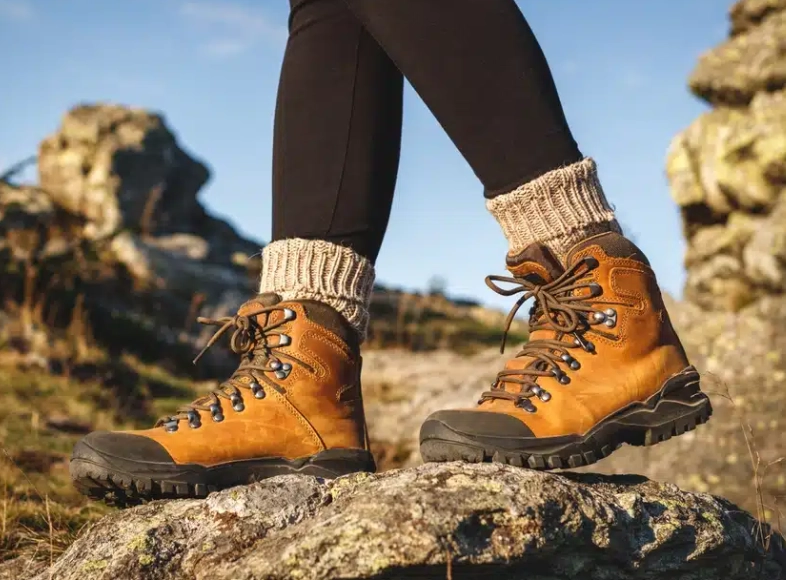
Scenario B: The Weekender Backpacker
You're carrying 20-35 pounds over multiple days, on and off trail. Maybe some scrambling.
Your Target: Mid-Weight Backpacking Boots. Almost always mid-cut. Stiffer midsole for load support. Durable nubuck leather or synthetic blend upper. Usually waterproof. A robust Vibram-type outsole. This is the sweet spot for most serious hikers. Think Oboz Bridger, Lowa Renegade, or Salomon Quest 4.
Scenario C: The Expedition Load Hauler & Off-Trail Adventurer
You're carrying 40+ pounds, bushwhacking, or tackling alpine terrain with a heavy pack.
Your Target: Mountaineering or Heavy-Duty Backpacking Boots. Often full-grain leather, burly construction, very stiff midsole (often crampon-compatible). Maximum support and durability. They feel like tanks and require a significant break-in. Think Asolo TPS 520 GV or Scarpa Kinesis. Don't buy these unless you need them—they're overkill and uncomfortable for anything less.
The Final Test: How to Try On and Buy Right
You can research all day, but the fit is final. Do this in the evening (feet swell). Wear the socks you'll hike in.
- Size Up: Your toes should not touch the front when standing on a steep incline (simulate a downhill). A thumb's width of space is a good rule. Your feet will swell on long hikes.
- Width Test: Lace up snugly. Your foot should feel secure, not compressed. There should be no pinch on the sides, especially at the ball of your foot.
- Heel Lock: Your heel should not lift more than a few millimeters when walking. This is the #1 cause of blisters.
- Walk Incline/Decline: Find a slanted surface in the store. Your toes shouldn't jam forward going down; your heel shouldn't slip going up.
- Break-In Reality: Leather boots need break-in. Synthetic boots should feel good immediately. "Breaking in" should mean molding to your foot, not enduring pain until you're numb.
Buy from retailers with a generous return policy for worn gear, like REI. It's insurance.