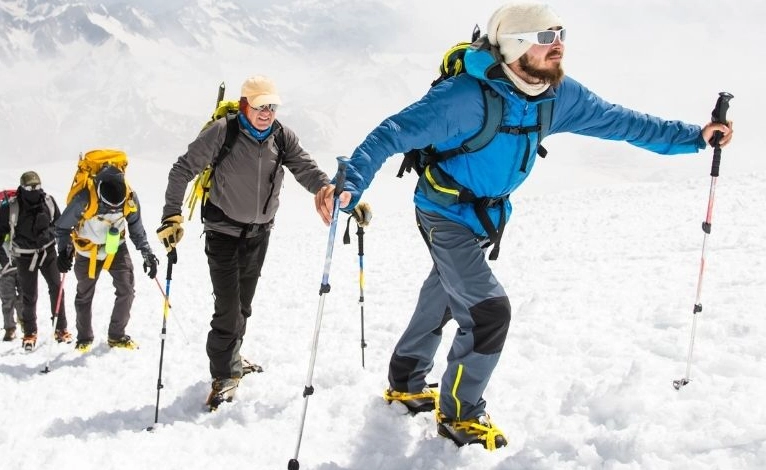
You buy a first aid kit, toss it in a closet or your car trunk, and forget about it. That’s the common story. But here’s the problem: most pre-packaged kits are disappointingly generic. They often skimp on quality, include useless items, and miss critical supplies. After years of leading wilderness trips and dealing with everything from kitchen burns to trailside sprains, I’ve learned that your kit is only as good as what’s actually in it—and that you know how to use it. Let’s cut through the fluff and build a kit that works.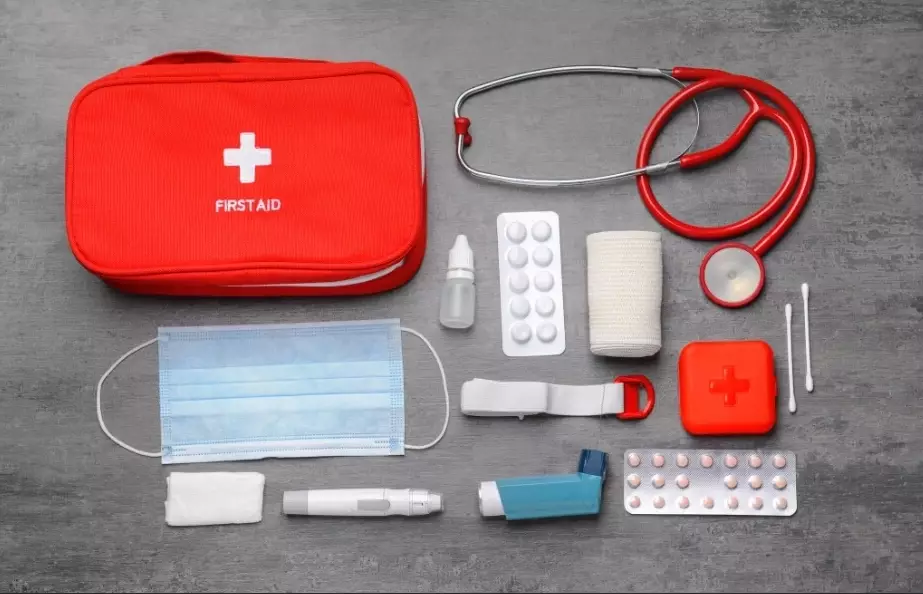
Your Quick Guide to First Aid Kit Essentials
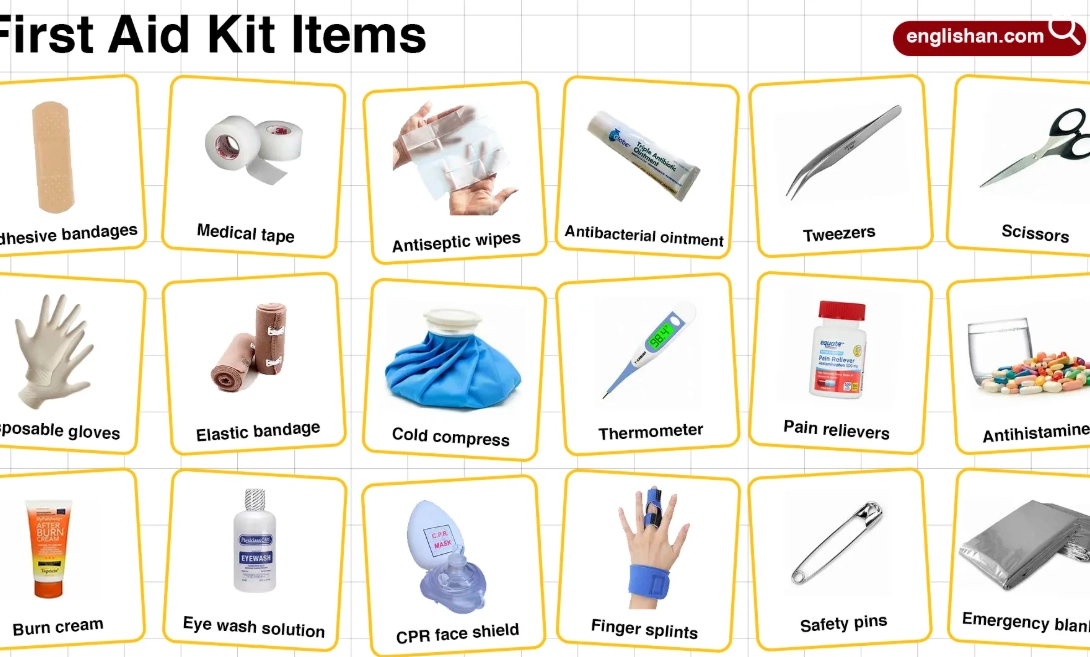
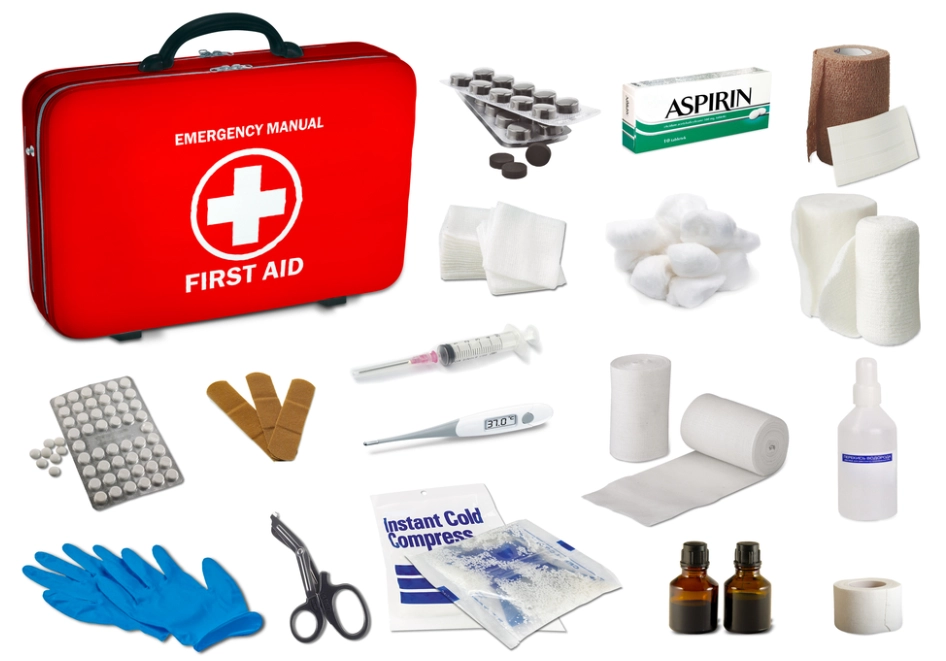
The 20 Essential Items: Your Core Checklist
This isn't a random list. Each item addresses a specific, common type of injury: bleeding, infection, pain, immobilization, or protection. Think of this as the absolute baseline for a home, car, or general-purpose kit. I recommend using a clear plastic tackle box or a dedicated bag with multiple compartments to store these.
| Item | What It's For & Key Details |
|---|---|
| 1. Adhesive Bandages (Various Sizes) | Small cuts and blisters. Get fabric ones—they stick better. Include knuckle and fingertip styles. The cheap plastic ones fall off instantly. |
| 2. Sterile Gauze Pads (4x4 inches) | Covering larger wounds to control bleeding and prevent contamination. Pack at least 5-10. Non-stick pads (like Telfa) are great for burns. |
| 3. Conforming Gauze Roll (2-3 inches wide) | To hold gauze pads in place. More versatile than adhesive tape for wrapping. Learn a simple wrap technique. |
| 4. Medical Adhesive Tape (1 inch wide) | Securing dressings. Hypoallergenic paper tape is gentle on skin. Don't forget this—a stack of gauze is useless without a way to secure it. |
| 5. Antiseptic Wipes (Single-use packets) | Cleaning skin around wounds. Benzalkonium chloride or povidone-iodine. Alcohol wipes sting and can damage tissue, so use for cleaning tools, not wounds. |
| 6. Antibiotic Ointment (Single-use packets) | Preventing infection in minor cuts and scrapes. Packets prevent contamination and are easy to toss in a small kit. |
| 7. Hydrocortisone Cream (1% tube) | Relieving itching from insect bites, poison ivy, or rashes. A lifesaver for comfort. |
| 8. Antihistamines (Like Diphenhydramine/Benadryl) | Allergic reactions, severe itching, or as a sleep aid in stressful situations. Know the dosing and drowsiness side effect. |
| 9. Pain Relievers (Ibuprofen & Acetaminophen) | Ibuprofen reduces inflammation (sprains, aches). Acetaminophen reduces fever and pain. Keep them in original bottles with dosage info. |
| 10. Elastic Bandage (3-4 inches wide, with clips) | Support for sprains (ankles, wrists) and compression. Don't wrap it too tight—you should fit a finger underneath. |
| 11. Triangular Bandage (or large bandana) | Making a sling for arm injuries, or as a large bandage or wrap. It's incredibly versatile if you know a few basic folds. |
| 12. Instant Cold Pack | Reducing swelling and pain for bumps, sprains, or bruises. The single-use squeeze-and-activate kind. They expire, so check dates. |
| 13. Tweezers (Fine-point, stainless steel) | Removing splinters, ticks, or debris. Not the flimsy ones from a dollar store—you need precision. |
| 14. Blunt-Tip Scissors (Trauma shears) | Cutting tape, clothing, or bandages without risking a stab wound. Worth investing in a good pair that can cut through denim. |
| 15. Disposable Gloves (Nitrile, multiple pairs) | Protecting yourself and the victim from bodily fluids. Nitrile is better than latex (allergies). Put them where you can grab them first. |
| 16. CPR Pocket Mask or Face Shield | Providing a barrier during rescue breathing. A simple, foldable keychain version is better than nothing and boosts confidence to act. |
| 17. Emergency Thermal Blanket (Mylar) | Treating for shock, retaining body heat, or emergency shelter. They're loud and flimsy but work. Consider a heavier-duty foil blanket for cars. |
| 18. First Aid Manual or Quick-Reference Guide | Guiding you through steps when you're stressed. The American Red Cross has excellent compact guides. Don't rely on memory alone. |
| 19. Pen and Waterproof Notepad | Recording time of injury, symptoms, vital signs, or medication given. Crucial information for medical professionals. |
| 20. Emergency Contact & Medical Info Card | Your name, emergency contacts, allergies, medications, and doctor's info. Laminate it. This is the most overlooked but vital item. |
Beyond the Basics: Tailoring Your Kit
The core 20 are your foundation. Now, think about where this kit lives and who uses it. A kit for a family with young kids looks different from one for a solo hiker.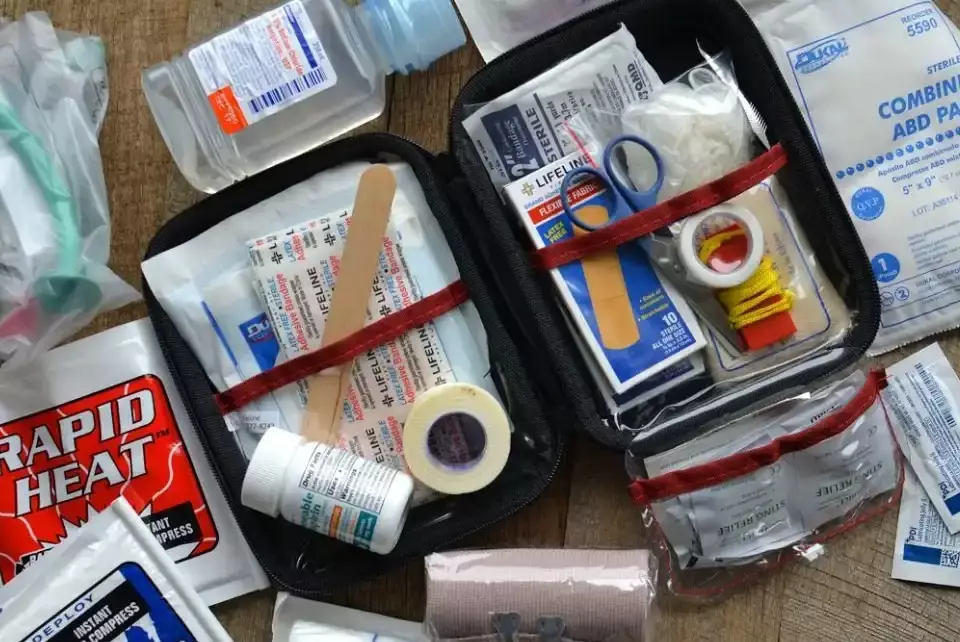
For Your Car
Extreme temperatures are the enemy. Medications and adhesives degrade. Add jumper cables, a flashlight, non-perishable snacks, and water. Consider a window breaker/seatbelt cutter tool. I keep a separate, bulkier “winter survival” bag from November to April.
For Hiking & Backpacking
Weight matters, but so does capability. Add blister-specific items like moleskin or specialized blister pads. Include a lighter, water purification tablets, a signal whistle, and a more substantial emergency bivvy sack. I always carry a few safety pins—they’re ultralight and perfect for securing slings or popping blisters.
For Home with Kids
Think bumps and fevers. Add a digital thermometer (non-oral for little ones), children's pain/fever relievers (liquid acetaminophen), and larger-sized adhesive bandages with fun designs (they provide psychological comfort). A bottle of Pedialyte powder packets is smart for dehydration from stomach bugs.
How to Organize Your Kit for Quick Access
A messy kit is a useless kit. Panic and a jumble of loose supplies don't mix.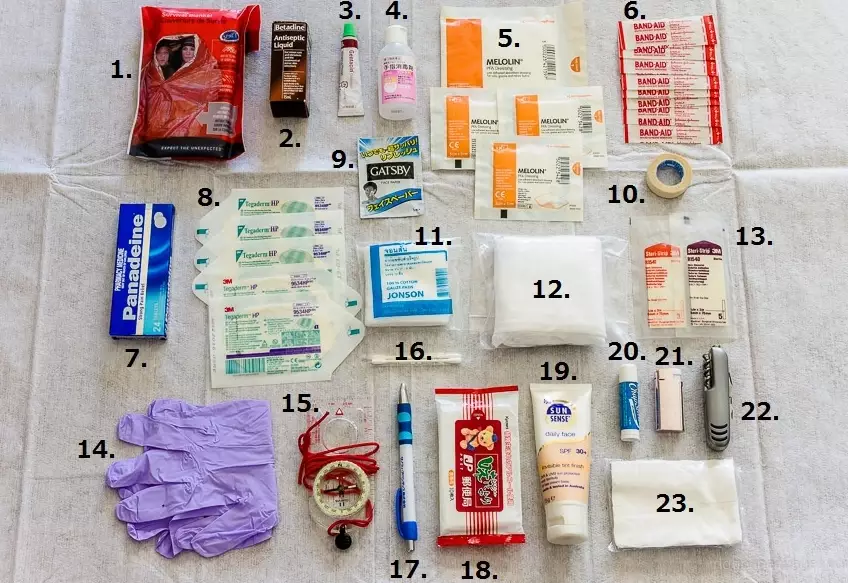
I use a color-coded zip-bag system inside my main container:
- Red Bag: Bleeding Control. Gauze, roller gauze, trauma pad, tourniquet (if trained).
- Yellow Bag: Wound Care. Bandages, antiseptic wipes, antibiotic ointment, gloves.
- Blue Bag: Medications & Creams. Pain relievers, antihistamines, hydrocortisone.
- Green Bag: Tools & Extras. Scissors, tweezers, CPR mask, notepad, manual.
This way, if someone yells "I'm bleeding!" I grab the red bag without thinking. Everything else stays organized.
5 First Aid Kit Mistakes You're Probably Making
Let's be honest. Most people set it and forget it. Here’s where that goes wrong.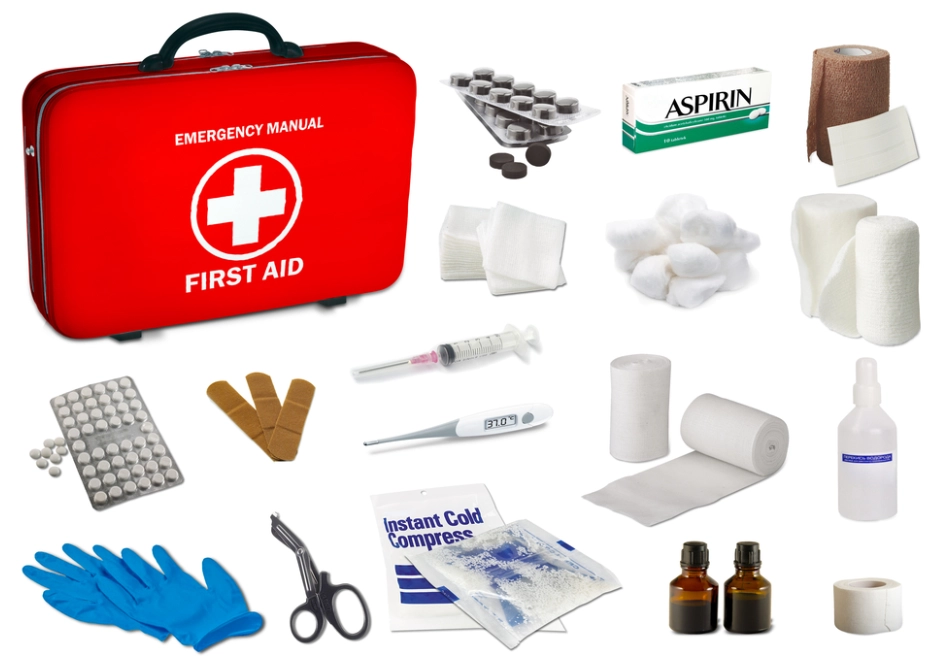
1. The "Check-It-Once" Fallacy. You assembled it five years ago. Adhesive tape dries out. Medications expire. Scissors rust. Set a calendar reminder to check your kit every six months—when daylight saving time changes is an easy trigger.
2. Burying the Lifesavers. Gloves and the CPR mask should be on top, not under three rolls of gauze. In an emergency, seconds count. Organize for the worst-case scenario first.
3. Ignoring Personal Meds. The generic pain relievers are fine, but what about your prescription epinephrine auto-injector, inhaler, or heart medication? Your personal kit must include these, and they must be accessible and in-date.
4. No Light, No Sight. Trying to treat a wound in the dark is impossible. A small, durable LED flashlight or headlamp with fresh batteries is non-negotiable for any kit that isn't permanently in a well-lit room.
5. Assuming One Kit Fits All. You need multiples. A comprehensive one for home. A compact, durable one for your car. A lightweight, weather-resistant one for your backpack. They serve different purposes.
Expert Answers to Your First Aid Kit Questions
 What's one item most people don't think to add but is incredibly useful?
 Building a proper first aid kit isn't about checking a box. It's an act of responsibility for yourself and those around you. Start with these 20 essentials, tailor them to your life, learn how to use them, and maintain them. That blue or red box then transforms from a forgotten piece of plastic into a genuine source of security and capability.