Let's cut to the chase: a good hydration pack isn't just a piece of gear; it's a game-changer for your hiking comfort and safety. I've watched too many hikers, myself included in the early days, fumble with water bottles, ration sips, or carry a pack that feels unbalanced. The right hydration system solves that. This guide isn't about listing every pack on the market. It's about giving you the knowledge to pick the perfect one for your style, explaining the subtle differences most reviews miss, and showing you how to care for it so it lasts for years.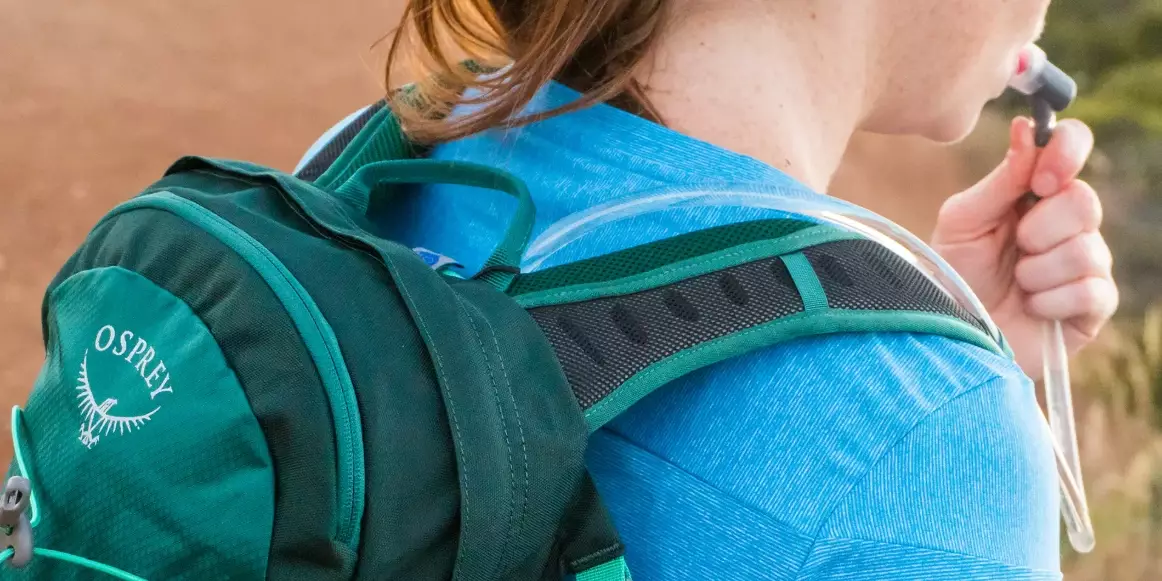
What You'll Learn in This Guide
Why Hydration Packs Beat Water Bottles for Hiking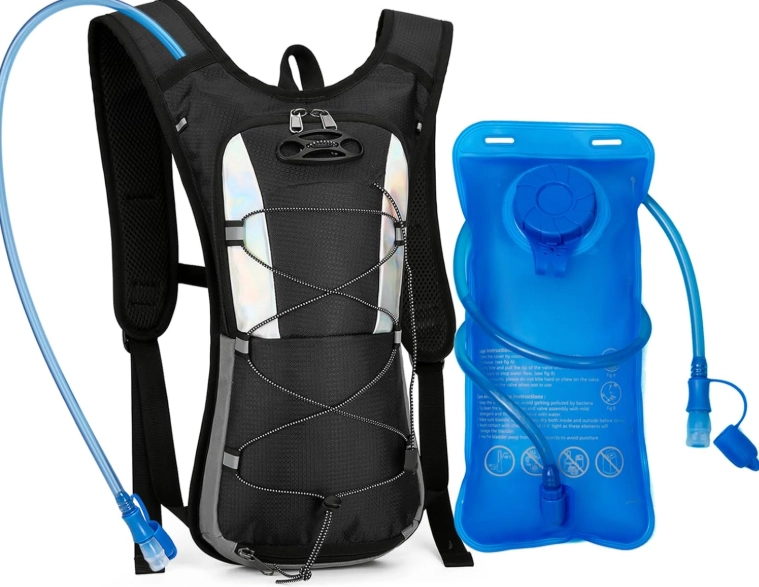
I get it. Water bottles are simple. You already own some. But on a trail, simplicity isn't always king. The core advantage of a hydration reservoir system is hands-free, frequent sipping. You drink more often because it's effortless—just bite the valve and go. This leads to better, more consistent hydration, which directly impacts your energy and endurance.
Beyond that, they distribute weight better. Two heavy Nalgene bottles in your pack's side pockets pull you backward. A hydration bladder sits flush against your back, centered and high, keeping your center of gravity stable. It also frees up those side pockets for things you actually want to grab quickly: a rain jacket, snacks, your phone.
Now, the part most gear sites gloss over: the downsides.
Cleaning is a chore. You can't just throw it in the dishwasher. Neglect it, and you'll get mold or a funky taste. It's a commitment.
Leaks can happen. A faulty valve or a poorly secured cap can mean a wet back (or worse, a wet sleeping bag). Quality matters immensely here.
You can't see your remaining water. This causes anxiety for some hikers. You have to develop a feel for it or use a pack with a see-through window.
For day hikes and serious backpacking, the pros massively outweigh the cons. For a quick hour-long stroll? A bottle is fine.
How to Choose the Right Hydration Pack: A Step-by-Step Guide
Don't just buy the one with the coolest colors. Think about your actual needs. Here’s how to break it down.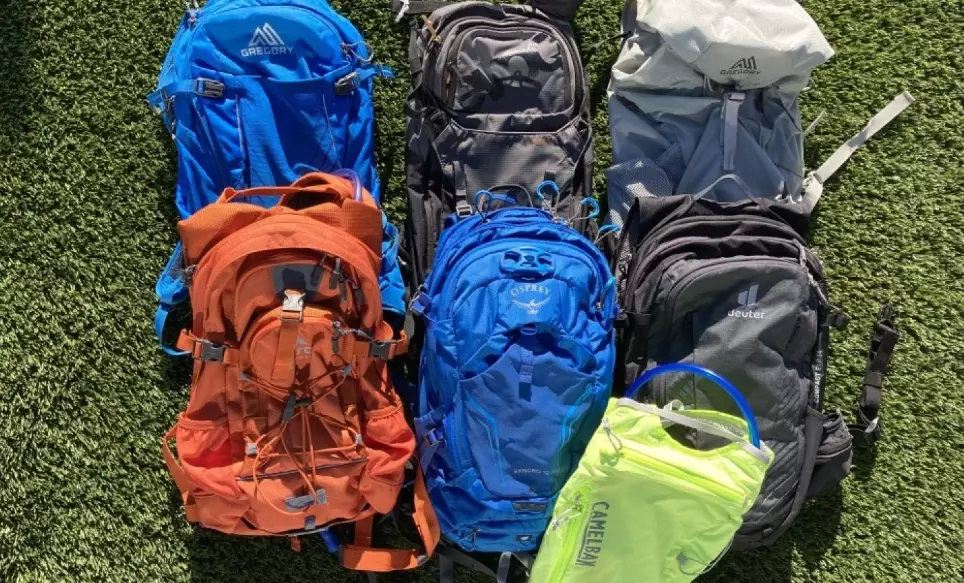
Step 1: Determine Your Capacity Needs
This is about more than thirst. It's about climate, trail difficulty, and your personal sweat rate.
- 1-2 Liters: Perfect for short to moderate day hikes (2-4 hours) in temperate weather. This is the sweet spot for most people.
- 2-3 Liters: Ideal for long day hikes, desert hiking, or high-exertion activities like trail running. I never regret having the extra liter on a hot, exposed ridge.
- 3 Liters+: Venturing into overnight or multi-day territory. You might pair a large bladder with a water filter for replenishment along the trail.
A common mistake is going too big. A 3-liter bladder in a small daypack leaves no room for your other gear and makes the pack feel sloshy and unbalanced.
Step 2: Choose Your System Type
They're not all the same. The main categories are:
Reservoir-Only (or "Bladder") Systems: You buy just the bladder and tube (like a CamelBak Crux). You slide it into the hydration sleeve of any compatible backpack you already own. Maximum flexibility.
Hydration Belts & Vests: Smaller reservoirs (often 0.5-1.5L) worn on the waist or as a vest. These are for runners and fastpackers who prioritize minimal bounce and maximum accessibility.
Step 3: Focus on Comfort and Fit
If the pack isn't comfortable, you won't wear it. Look for:
Padded, breathable shoulder straps and back panel. Mesh is your friend for ventilation.
Adjustable sternum strap and hip belt. A good hip belt transfers weight to your hips, taking strain off your shoulders. Even on daypacks, a light hip belt makes a huge difference on long descents.
Go to a store if you can. Load the pack with weight and walk around. Feel for pressure points.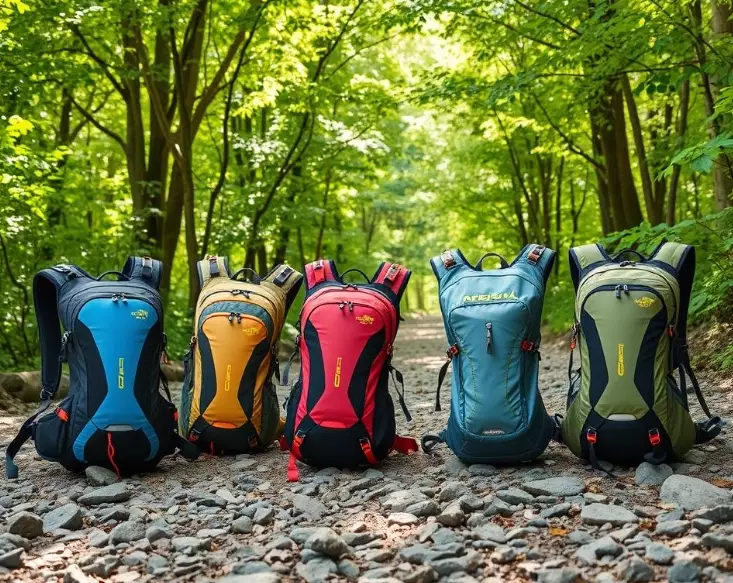
Step 4: Inspect the Hydration System Itself
This is where the magic (or misery) happens.
The Mouthpiece: A shut-off valve is non-negotiable. It prevents leaks when not in use. Look for one that's easy to open and close with your teeth. Some have a cover for dirt.
The Tube: Is it insulated? Not crucial for most, but nice in extreme heat or cold to prevent freezing or warming. Check how it routes and attaches to the strap—a secure magnetic clip is a premium feature that's worth it.
The Reservoir Opening: Wide-mouth openings (like the Osprey Hydraulics or CamelBak Big Bite Valve systems) are infinitely easier to fill, add ice to, and clean. The old screw-top small openings are a pain.
Step 5: Consider the "Extras"
Organization matters. Do you want a dedicated pocket for your phone and keys? A sleeve for a hydration bladder? How about loops for trekking poles or ice axes? More pockets add weight but also convenience.
My personal rule: every feature should have a purpose you'll actually use. That fancy daisy chain looks cool, but if you never use it, it's just dead weight and snag points.
Top Hydration Pack Brands and Models Compared
Here’s a look at some of the most reliable names and how they stack up for different needs. This isn't an exhaustive list, but these are the models I see most often on the trail for good reason.
| Brand & Model | Type | Key Features | Best For | Approx. Price |
|---|---|---|---|---|
| Osprey Skarab/Sirrus Series | Backpack-Integrated | Excellent AirScape back panel, included 2.5L Hydraulics LT reservoir (wide-mouth), top-notch organization. | Hikers who prioritize comfort and ventilation on long day hikes. | $120 - $160 |
| CamelBak M.U.L.E./Charger | Backpack-Integrated | The classic. Crux 3D reservoir, reliable Crux bite valve, streamlined design with good cargo space. | Mountain bikers and hikers wanting a proven, no-fuss system. | $100 - $140 |
| Salomon Adv Skin 5/8 | Hydration Vest | Ultra-light, form-fitting, designed for zero bounce. Holds soft flasks (included) or a bladder. | Trail runners, fastpackers, and hikers who hate traditional pack sway. | $125 - $165 |
| Gregory Miwok/Sage 18 | Backpack-Integrated | Fantastic load transfer and comfort. Comes with a 3D Hydro reservoir. Durable and well-thought-out. | Hikers carrying heavier loads or who need a pack that can handle rough use. | |
| Hydrapak Shape-Shift 2L | Reservoir-Only | Collapsible, wide-mouth, and taste-free. Fits most packs. A great upgrade for an old backpack. | Anyone wanting a high-quality, versatile bladder to use with their existing gear. | $30 - $40 |
I've owned an Osprey Sirrus for five years. The back panel is still the most comfortable I've used. The only gripe? The magnetic tube clip lost its strength after a few seasons. Small thing, but it's the kind of real-world detail you notice.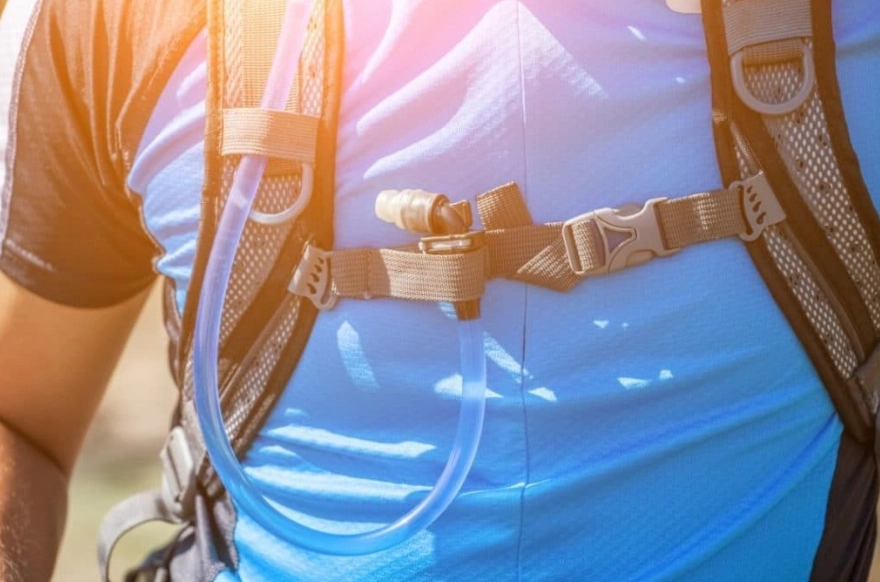
How Do You Clean and Maintain a Hydration Pack?
This is the most important, least sexy part. Do this wrong, and your fancy pack becomes a science project.
After Every Use: Empty it completely. Don't leave water sitting in it for days, especially not with sports drink mix. Rinse the bladder with warm water and hang it upside down with the cap off to dry. I prop mine open with a chopstick.
Deep Cleaning (Every Few Uses or Before Storage):
- Fill the bladder about 1/3 with warm water.
- Add a dash of mild soap or a dedicated cleaning tablet (like those from CamelBak).
- Close it, shake it vigorously, and let it sit for 10-15 minutes.
- Use a cleaning brush (they sell long ones for this) to scrub the interior, especially the corners.
- Rinse, rinse, rinse until all soap is gone. Soap residue tastes terrible.
- Run clean water through the tube. Some kits come with a tube brush—use it.
- Dry it completely before storing. Hang the bladder, and blow air through the tube to clear it.
Storage Tip: Store it in the freezer. Seriously. Once it's bone dry, put the clean, dry bladder in a zip-top bag and freeze it. This prevents any mold spores from growing. It's a trick I learned from a backcountry guide.
Your Hydration Pack Questions, Answered
 Are hydration packs difficult to repair if they get a leak?