Stop scrolling through endless lists that make camping sound like you need to buy a gear store. I've been there, overwhelmed and packing way too much. The truth is, a successful camping trip hinges on a handful of essential items. Forget the gadgets and gizmos for now. Let's break down exactly what camping gear you need to have a safe, comfortable, and fun time outdoors.
Think of it this way: you need to solve for shelter, sleep, food, water, and safety. Everything else is a bonus. We'll start with the non-negotiables.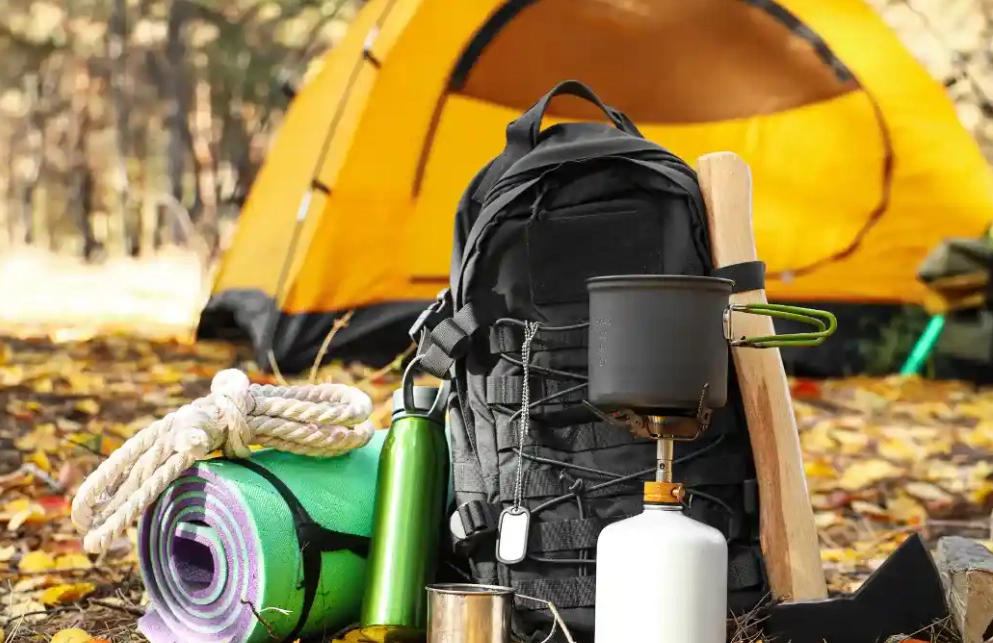
Your Quick Gear Checklist
The Sleep System: Your Key to a Good Night
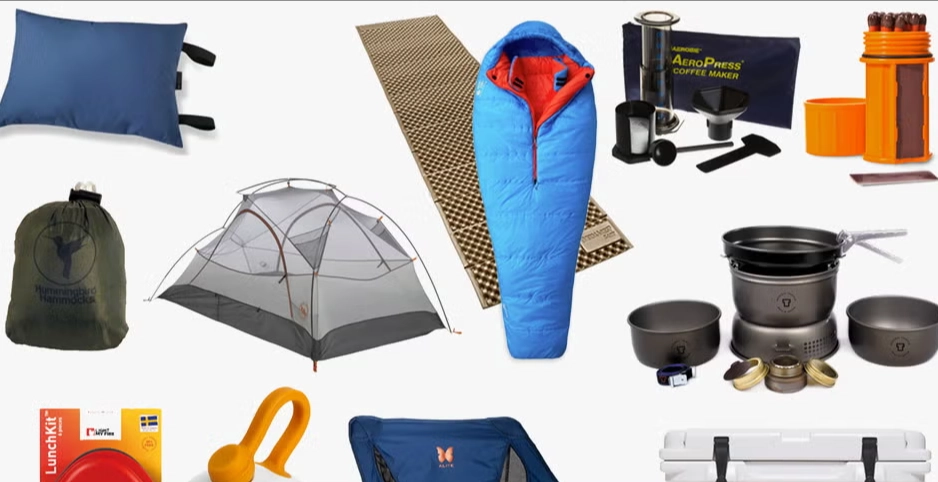
This is where most first-timers get it wrong. A bad night's sleep can ruin the whole trip. Your sleep system is three things: a sleeping bag, a sleeping pad, and a pillow.
Sleeping Bag: Know Your Temperature
Don't just grab any bag. The number one mistake is buying a bag rated for summer when you're camping in spring or fall. Check the EN/ISO temperature rating. A 20°F (-6°C) bag is a versatile three-season choice for most regions. If you run cold, go for a rating 10 degrees lower than the coldest expected temperature. Down insulation packs smaller and is warmer for its weight, but synthetic fills handle moisture better (and are cheaper).
Sleeping Pad: It's About Insulation, Not Just Cushion
This isn't just for comfort. Its primary job is to insulate you from the cold ground. An R-value measures insulation; higher R-value = warmer pad. For summer, R-2 might suffice. For three seasons, aim for R-4 or higher.
| Pad Type | Best For | Pros | Cons |
|---|---|---|---|
| Foam Pad | Beginners, car camping, durability | Cheap, never leaks, lightweight | Bulky to carry, less comfortable |
| Self-Inflating Pad | Comfort-focused car campers | Good comfort-to-weight ratio, easy setup | Can be heavy, can puncture |
| Air Pad | Backpackers, comfort seekers | Very comfortable, packs small | Expensive, can puncture, may need pump |
Pillow
I used to roll up a jacket. It's terrible. A small inflatable or compressible camp pillow is a game-changer for neck support and costs less than a good burger. Just get one.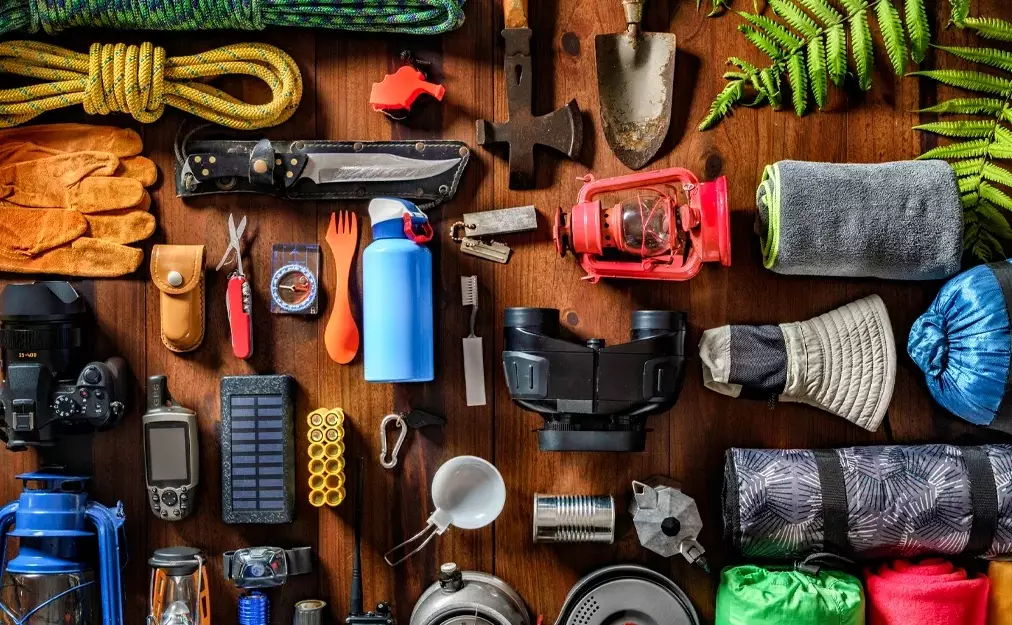
Shelter: Your Home Away From Home
Your tent is your fortress. For beginners, a simple dome tent is perfect. The key number isn't the "person" rating; it's the rating plus one. A "4-person" tent comfortably fits 3 people with gear. Look for a full-coverage rainfly and a bath tub floor (seams are raised to prevent water ingress).
Don't forget the footprint. It's a ground cloth that protects your tent's floor from abrasion and moisture. You can use a cheap tarp cut to size, but a purpose-made one from the tent manufacturer fits perfectly.
Mallet or hammer for stakes. Those little stakes won't go into hard ground with your hands.
Cooking & Food: Fuel for Adventure
Keep it simple. A two-burner propane stove is the reliable workhorse for car camping. It's stable and easy to use. Get a fuel canister that matches the stove's connection (usually green 1lb propane cylinders).
- Cookset: A basic pot and pan set, or even just a single 2-liter pot with a lid, can handle most meals.
- Utensils: A long-handled spatula, a sturdy spoon, and a sharp knife. Plastic camp plates and bowls are fine, or go durable with enamelware.
- Cooler: Invest in a quality cooler. The difference between a cheap one and a rotomolded model like a Yeti or RTIC is days of ice retention. Pre-chill it and your food the day before.
- Water: Plan for at least 2 gallons per person per day for drinking and cooking. A large 5-gallon jug with a spigot is incredibly convenient. Have a reusable water bottle for each person.
Clothing & Layering: Dress for Success
Cotton kills. It's not a dramatic saying; it's a fact. Cotton absorbs moisture and loses all insulating power when wet. Stick to synthetic fabrics (polyester, nylon) or wool (merino is fantastic).
Pack for layering: Base Layer: Moisture-wicking top and bottom. Insulating Layer: A fleece or puffy jacket for when the sun drops. Shell Layer: A waterproof and windproof rain jacket. Bottoms: Quick-dry hiking pants or leggings. Avoid jeans. Footwear: Sturdy hiking shoes or boots, and a pair of camp shoes (sandals or sneakers) to let your feet breathe at the site. Extras: Beanie hat, gloves, extra socks (wool or synthetic).
Lighting, Tools & Safety Gear
When the sun sets, you're blind without light. A headlamp is mandatory—it keeps your hands free. Bring a lantern for ambient light at the picnic table. Extra batteries for everything.
A basic multi-tool or knife is endlessly useful. A roll of duct tape can fix a torn tent, a broken pole, or a leaky hose.
Safety first: First-Aid Kit: Don't just buy a pre-made kit and forget it. Open it, know what's inside, and add personal medications. The American Red Cross has a good checklist for what should be in one. Fire Starter: Waterproof matches or a lighter, plus some firestarter cubes. Don't rely on finding perfect tinder. Navigation: A physical map and compass, even if you have GPS on your phone. Cell service is often non-existent. Sun Protection: Sunglasses, hat, and broad-spectrum sunscreen.
The Other Essentials (Don't Forget These!)
These are the items you'll kick yourself for forgetting.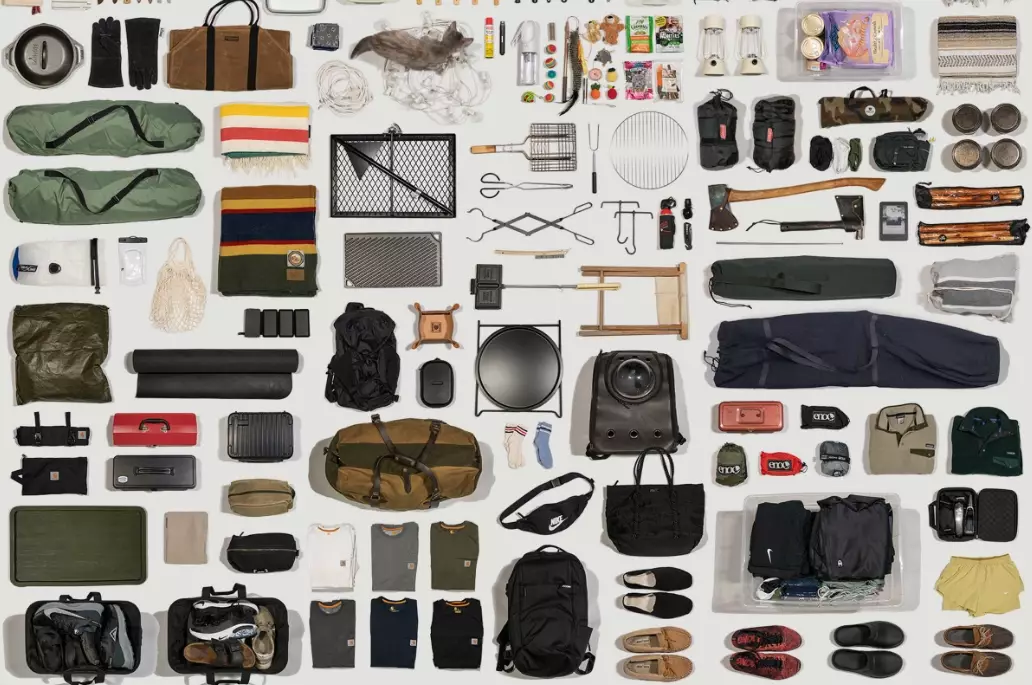
- Toiletries & Hygiene: Biodegradable soap, toothbrush, small towel, hand sanitizer, toilet paper (check if your campground provides it), and a small trowel if you need to dig a cat hole.
- Trash Bags: Several heavy-duty bags. Pack out all your trash. Always.
- Chairs: A comfortable camp chair. Sitting on a log gets old fast.
- Entertainment: A deck of cards, a book, a frisbee.
Before you go, check the specific rules and conditions of your campground. The National Park Service or state park website will have crucial info on bear canister requirements, fire bans, or water availability.
Your Camping Gear Questions Answered
What's the one piece of gear most first-time campers forget?
A mallet or hammer for driving tent stakes. Trying to push stakes into hard-packed ground with your foot or a rock is frustrating and can damage the stakes. A small, lightweight camp hammer saves time and your gear.
Is a cheap tent from a big-box store okay for a few trips?
It's a gamble. They often use weaker poles, thinner fabrics, and have poor waterproofing (look for a low hydrostatic head rating). In a calm, dry weekend, it might be fine. The first time you get wind and rain, you'll understand the value of a quality tent from an outdoor brand like REI, Kelty, or Coleman's higher-end lines. It's the difference between a soggy, miserable night and staying dry.
 How do I pack all this gear in my car efficiently?
Use plastic storage bins. They keep things organized, dry, and easy to load/unload. Have one bin for the kitchen, one for sleeping gear, etc. Pack the tent, chairs, and shelter items last so they're accessible first when you arrive at the site.
What camping gear do I need for a 3-day, 2-night trip vs. just one night?
The core list is identical. The main differences are in consumables: more food, more water, more fuel, and more clothing changes (especially socks and base layers). You'll also appreciate a more robust camp setup—like a better chair or a solar charger for devices—since you'll be spending more downtime at the site.
Can I use a regular air mattress for camping?
You can, but I don't recommend it for anything outside of summer. Those mattresses have zero R-value. They'll suck the heat right out of you as the cold ground chills the air inside them. You'll wake up freezing. A proper insulated sleeping pad is designed to prevent that conductive heat loss.
Remember, this list is your foundation. As you camp more, you'll learn what matters to you—maybe you want a fancier coffee setup, or you realize you don't need that extra pan. Start with these essentials, get outside, and figure out the rest as you go. The goal isn't to have the most gear; it's to have the right gear to enjoy the experience.