You've got the project dialed. Your beta is smooth. Your fingers feel strong. Then, halfway up the crux, your forearms scream, your focus blurs, and you peel off. Sound familiar? More often than not, the missing link isn't just technique or strength—it's fuel. A climbing nutrition chart isn't some fancy diet plan; it's your body's beta for the day. It tells you what to eat, when to eat it, and why it matters for sending your project or enjoying a long day at the crag. Forget generic sports nutrition advice. Climbing is a weird mix of power, endurance, and problem-solving. Your food needs to match that.
I've been climbing for over a decade, and I've made every food mistake in the book. I've bonked on multi-pitches because I skipped breakfast, and I've powered down on boulders after a heavy lunch. The difference between a good day and a great day on rock often comes down to what's in your pack and what you ate the night before.
What's Inside: Your Quick Nutrition Beta
Why Your Climbing Diet Isn't Just About Calories
Think of your body like a high-performance engine. You wouldn't put low-grade fuel in a race car and expect it to win. Climbing demands glycogen for explosive moves, fat for long-term energy, and protein to repair the micro-tears in your muscles from all those hangs and pulls. But there's a nuance here most beginners miss: climbing is intermittent. You're not running at a steady pace for hours. You go hard for a few minutes, then rest. Your nutrition needs to support that stop-start, power-endurance hybrid.
Research from the International Journal of Sport Nutrition and Exercise Metabolism consistently shows that nutrient timing—*when* you eat—can impact performance as much as *what* you eat. For climbers, this means fueling strategically around your session, not just having a big meal at the end of the day.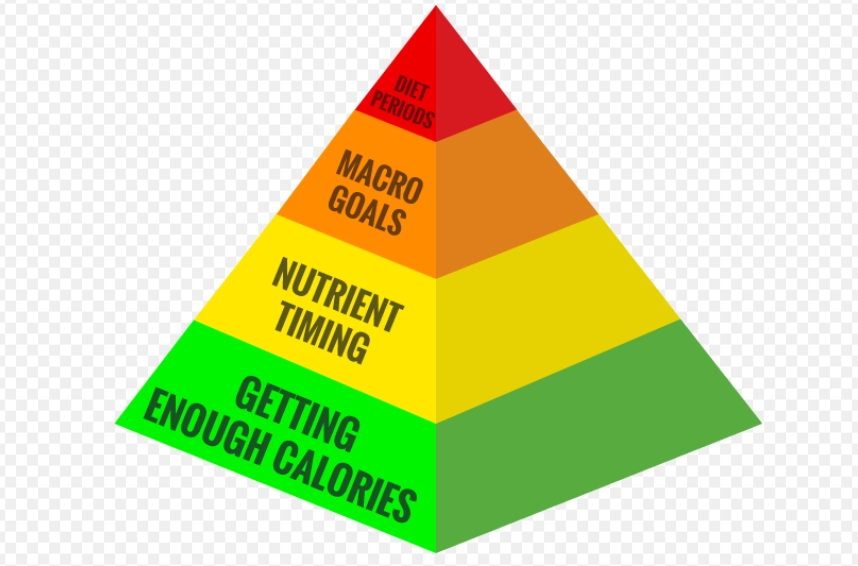
The Macro Breakdown: Carbs, Protein, and Fat for Climbers
Let's get specific. A climbing nutrition chart revolves around three key macronutrients. The ratios shift based on your day's plan.
| Macronutrient | Primary Role for Climbers | Best Sources for the Crag | When to Focus On It |
|---|---|---|---|
| Carbohydrates | Fast fuel for power and endurance. Replenishes muscle glycogen. | Oats, bananas, sweet potatoes, rice cakes, dried fruit, whole-grain bread. | Before & During: Main energy source for the session. |
| Protein | Repairs muscle tissue, aids recovery, helps maintain strength. | Greek yogurt, chicken, tuna packets, lentils, protein powder, nuts. | After & Between Days: Critical for recovery and adaptation. |
| Fats | Sustained energy for long days, supports hormone function. | Avocado, nuts, seeds, nut butter, olive oil, fatty fish. | General Diet & Long Approaches: Provides lasting energy, not quick fuel. |
A mistake I see? People fearing carbs. For a high-intensity climbing day, carbs are your best friend. Protein is the repair crew that shows up after the work is done. Fats are the reliable background energy, but eat a giant fatty meal right before climbing and you'll feel sluggish.
The Climbing Nutrition Chart: A Sample Day on the Rocks
Here’s what a practical, food-focused day looks like. This isn't a rigid prescription, but a framework. Adjust portions based on your size and intensity.
The Night Before: Preparation is Key
Don't start your day at breakfast. A big climbing day starts the evening prior. Focus on a meal rich in complex carbohydrates to top off your glycogen stores. Think a hearty portion of brown rice or quinoa with grilled chicken and roasted vegetables. A sweet potato is a climber's secret weapon. Avoid super heavy, greasy foods that might disrupt sleep or digestion.
Breakfast (2-3 Hours Before Climbing)
This is your main fuel load. It should be digestible and carb-centric with a moderate amount of protein.
Example: A bowl of oatmeal made with milk or a milk alternative, topped with a sliced banana, a handful of berries, and a tablespoon of almond butter. Add a drizzle of honey if you like it sweet.
Why it works: Oats provide slow-releasing carbs, the fruit adds quick sugars and vitamins, and the almond butter gives a bit of fat and protein to keep you satiated without weighing you down.
Pre-Climb Snack (30-60 Minutes Before)
If you had an early breakfast or are climbing later, a small top-up is smart.
Example: A banana, or an apple with a small handful of almonds. A rice cake with a thin spread of honey works too.
Pro Tip: Keep this snack low in fat and fiber to ensure it digests quickly and doesn't sit in your stomach.
Fueling During Your Session
This is where most climbers fail. You need to eat *before* you feel hungry or weak. For sessions over 90 minutes, start snacking after the first hour.
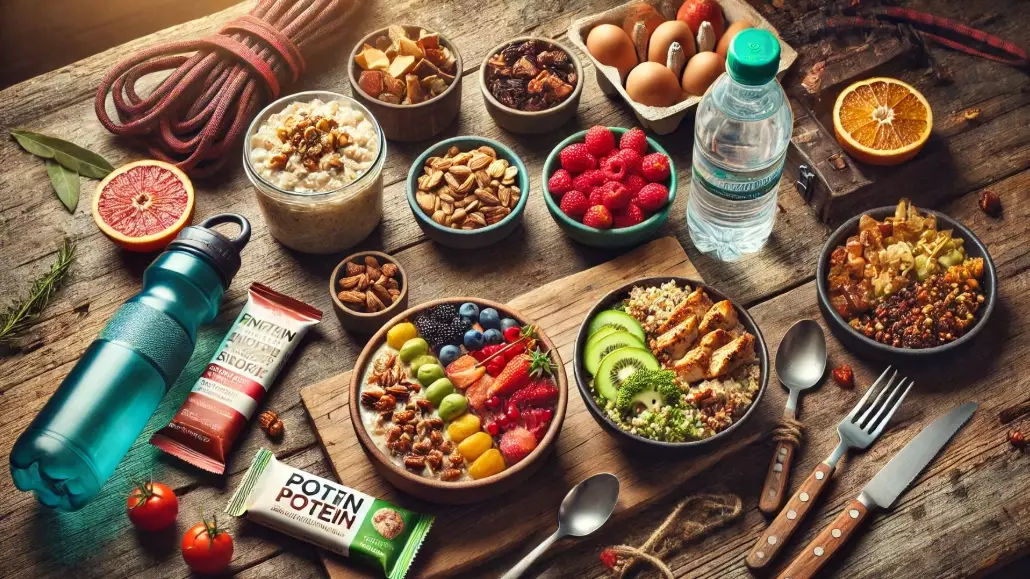
Best Crag Snacks: Dates, dried apricots, pretzels, homemade energy balls (oats, dates, cocoa powder), crackers, or a jam sandwich on white bread (it digests faster than whole grain during activity).
Hydration: Sip water consistently. For long, hot days, consider an electrolyte mix in your water. According to the USDA, even mild dehydration can significantly impair concentration and motor control—two things you desperately need on rock.
The Recovery Window (Within 45 Minutes After)
This is non-negotiable if you want to feel good tomorrow. Your muscles are primed to absorb nutrients to repair and rebuild.
Goal: A mix of protein and carbohydrates in a 1:3 or 1:4 ratio (protein to carbs).
Quick Options: A chocolate milk (seriously, it's near perfect), a protein shake with a banana blended in, or Greek yogurt with granola and fruit.
Dinner (A Few Hours Later)
Complete the recovery with a solid, balanced meal. Lean protein, a generous serving of colorful vegetables, and a carbohydrate source like potatoes or rice. This is also a good time for those healthy fats—add some avocado or a dressing made with olive oil.
My Personal Rule: I pack more food than I think I'll need. A hungry climber is a grumpy, weak climber. I always throw an extra bar and banana in the bottom of my pack. It has saved many a session.
Climber's Grocery List: Building Your Nutrition Toolkit
Stock your kitchen and pack with these staples. Having the right foods on hand makes following your climbing nutrition chart effortless.
Pantry & Prep: Rolled oats, quinoa, brown rice, canned beans/lentils, canned tuna/salmon, nut butters, honey, whole-grain pasta, olive oil, a variety of spices.
Fridge: Eggs, Greek yogurt, milk or fortified plant milk, chicken breast, blocks of tofu or tempeh, a rainbow of vegetables (spinach, bell peppers, carrots, broccoli), hummus.
Freezer: Frozen berries, frozen vegetables, frozen pre-cooked grains for quick meals.
Crag Bag Essentials: Bananas, apples, dates, figs, trail mix (watch the chocolate—it melts!), rice cakes, pretzels, beef jerky (for protein), electrolyte tablets.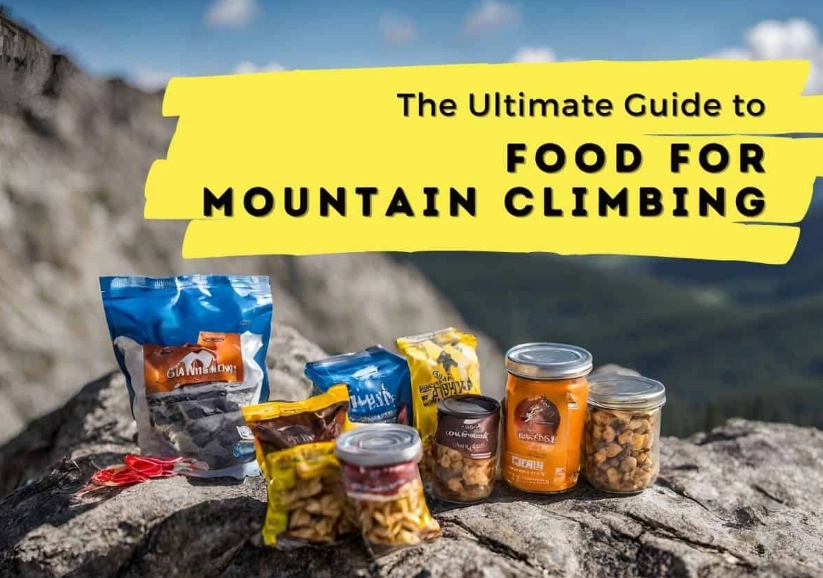
3 Common Nutrition Mistakes That Hold Climbers Back
I've coached newer climbers and these errors come up again and again.
1. Skipping the Post-Climb Refuel. You're tired, you just want a beer and pizza. That's fine occasionally, but making a habit of it means you wake up sore, stiff, and not ready for your next session. That 45-minute recovery window is your shortcut to bouncing back faster.
2. Overcomplicating It. You don't need fancy supplements or "superfoods." A consistent diet of whole, minimally processed foods will cover 95% of your needs. Save your money for new shoes.
3. Ignoring Hydration. Thirst is a late sign of dehydration. By the time you're thirsty, performance has already dipped. Drink water throughout the day, not just at the crag. Your pee should be light yellow.
Your Climbing Nutrition Questions Answered
I'm trying to lose weight for climbing but keep feeling weak. What's wrong with my approach?
You're likely cutting calories too aggressively or at the wrong time. A severe deficit destroys your energy for training and hampers recovery. Instead of eating less on climbing days, focus on a slight deficit on rest days. Prioritize protein and vegetables to feel full, and ensure you're eating enough carbs to fuel your sessions. Weight loss for climbing should be slow and mindful, not a crash diet that kills your performance.
What should I eat for an all-day alpine climb or big wall where weight and space are limited?
Calorie density is key. You need maximum energy per gram. Swap out bulky fresh fruit for dense, dry options: nuts, seeds, nut butter packets, salami, hard cheeses, chocolate, dried mango, and premium energy bars. Instant mashed potato packets are a classic—just add hot water. The goal is constant grazing, not big meals. Hydration becomes even more critical, so plan your water carries or purification carefully.
 Are protein shakes necessary for climbers?
Necessary? No. Incredibly convenient? Absolutely. They're a tool, not a requirement. If you struggle to get enough protein from whole foods after a session—maybe you have a long drive home—a shake is a perfect solution. But a chicken sandwich or a container of Greek yogurt works just as well. Don't get sucked into marketing; use them if they help you meet your practical needs.
How do I handle nutrition for a climbing trip with multiple climbing days in a row?
Recovery between days becomes the entire game. Your evening meal and next-day breakfast are sacred. Emphasize protein and carbs at dinner. Consider a slightly larger portion than usual. Sleep is when most repair happens, so don't sacrifice it. On rest days or lighter days, you can taper the carbs a bit and focus more on proteins, fats, and veggies to reset without gaining a calorie surplus. Listen to your body—it might need more food than your normal routine.
Your climbing nutrition chart is a living document. It changes with the season, your goals, and how your body feels. Start with the framework above, pay attention to how different foods make you feel on the wall, and tweak it. The best diet is the one that fuels your sends and keeps you coming back for more, injury-free and full of energy. Now go pack your snacks and crush your project.