Let's cut through the hype. A Mount Everest climbing guide isn't just a travel brochure for the world's highest peak. It's a stark reality check, a logistical blueprint, and a survival manual all rolled into one. Most articles talk about the glory. I want to talk about the grind—the years of preparation, the profound mental toll, and the intricate dance with logistics that happens long before you set foot on the Khumbu Icefall. This isn't about discouraging you. It's about preparing you properly, with the kind of gritty, unvarnished detail you'd get from a guide over a cup of tea in Namche Bazaar.
Your Everest Journey at a Glance
What It Really Takes to Climb Everest
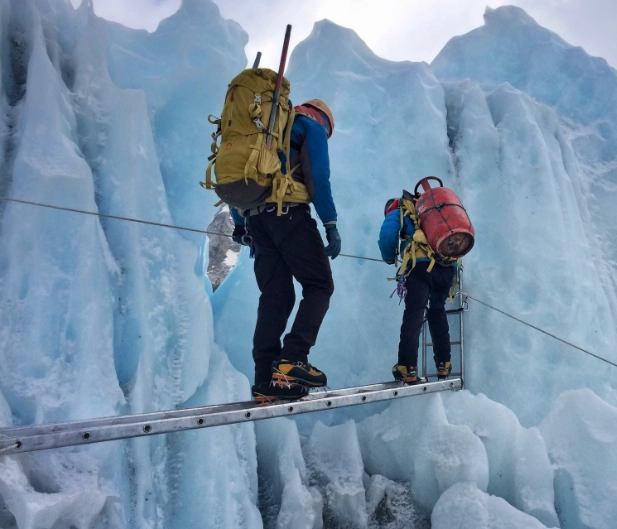
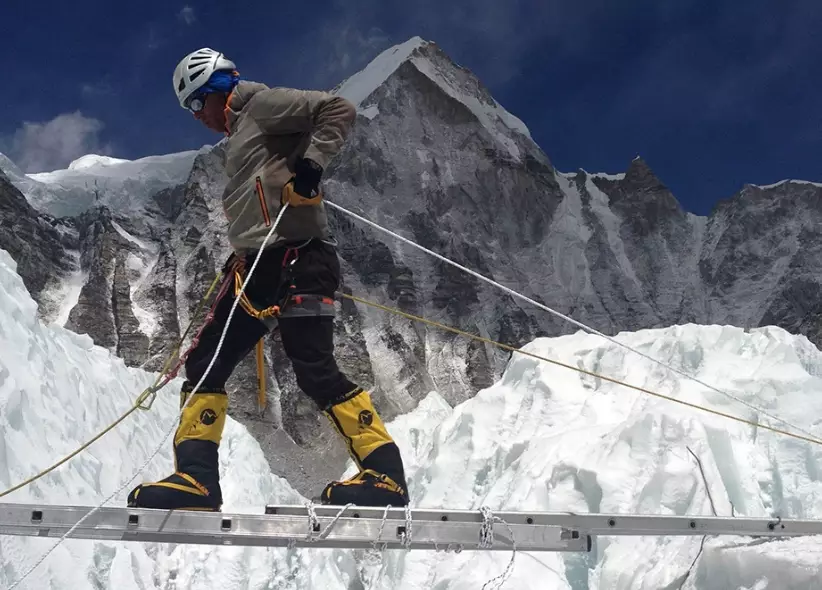
Forget the idea of being a superhuman athlete. The physical requirement is immense, but it's table stakes. The real differentiator is psychological resilience. You'll spend more than two months in a harsh, monotonous environment, away from comforts, with your goal constantly looming—or hidden by storms. The ability to manage fear, boredom, frustration, and the intense focus required for repetitive, dangerous tasks like ladder crossings is what separates summiteers from those who turn back.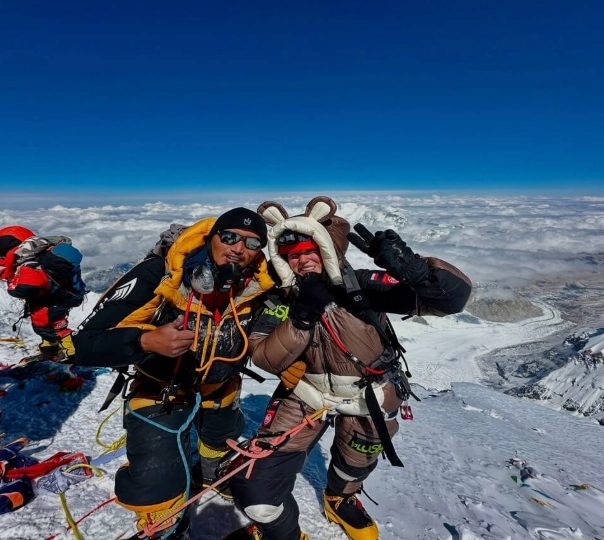
Then there's the financial commitment. We'll get into numbers later, but think of it as buying a luxury car—except this one requires constant maintenance (permits, gear, support) and has a non-negotiable expiration date tied to a short seasonal window.
The Preparation Phase: More Than Just Gym Time
Your preparation needs to be multi-year. It's not a 6-month crash course.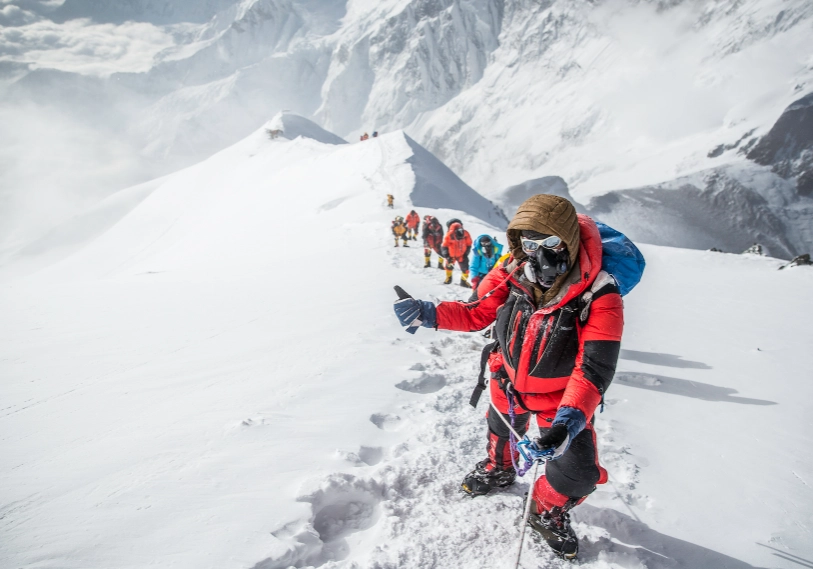
Building the Foundation (18-24 Months Out)
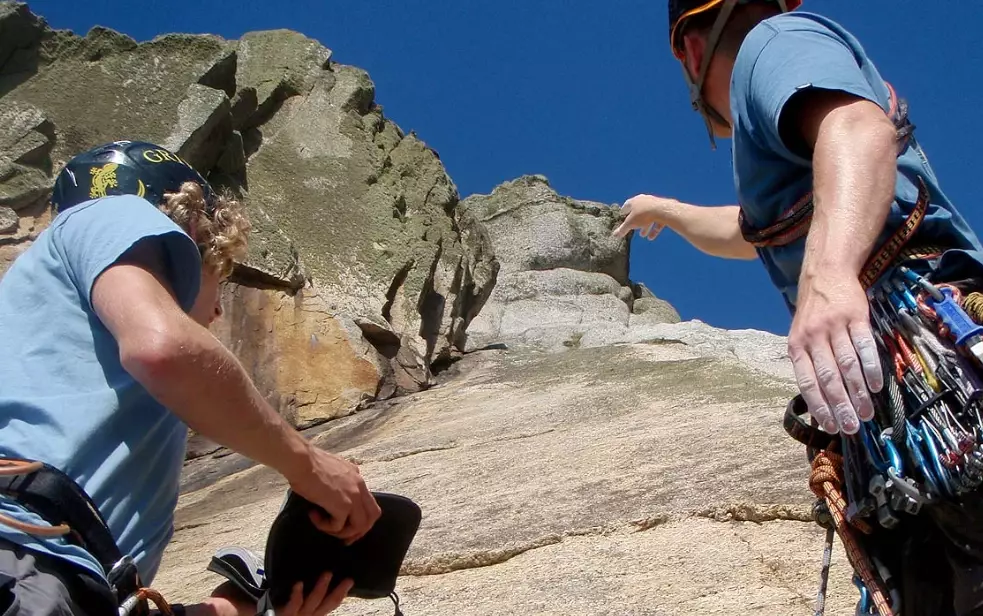
You need significant high-altitude experience. A guided Everest climb should not be your first 8,000-meter peak, or even your first 6,000-meter peak. Aim for climbs like Aconcagua (6,961m), Denali (6,190m), or a peak like Himlung Himal (7,126m) to learn how your body reacts to prolonged exposure and to test your gear systems in real conditions. The Nepal Mountaineering Association and the American Alpine Club are excellent resources for finding credible training programs and connecting with experienced mentors.
The Specific Training Block (6-12 Months Out)
This is where you move from general fitness to Everest-specific simulation.
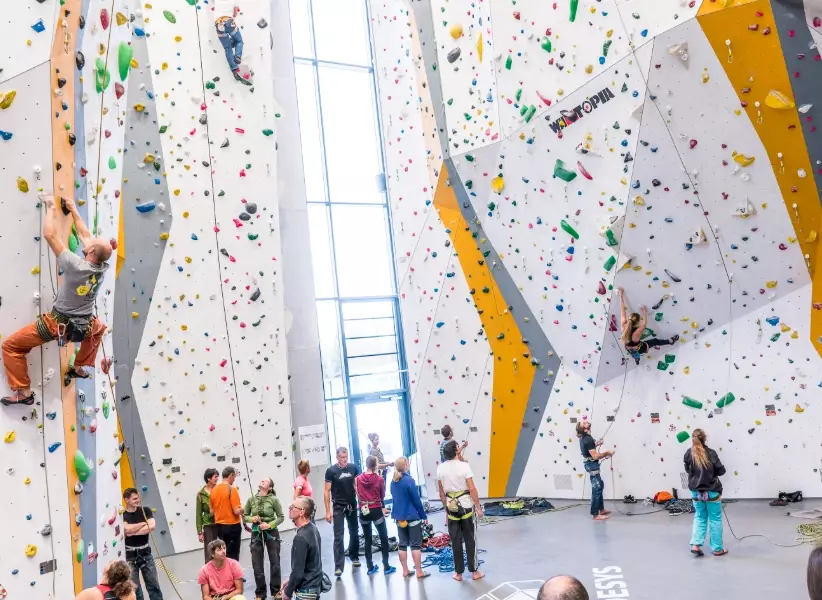
- Cardio with Weight: Hours on the stairmaster or hiking with a 40+ lb pack. Not just for an hour, but for 4-6 hours, multiple days in a row.
- Strength for Load Carrying: Focus on legs, core, and back. Squats, deadlifts, and step-ups are your best friends.
- Cold Exposure: Train in the cold. Learn to manage your layers, keep your extremities warm, and operate dexterously with gloves on.
How to Choose an Everest Guide Service
This is your single most important decision. A good guide service manages risk; a great one teaches you to manage it yourself. Don't just look at summit success rates—look at safety records and client reviews that mention leadership during crises.
Key Questions to Ask Your Potential Guide
- What is your guide-to-client ratio on summit day? (1:1 is ideal, 1:2 is acceptable for the very strong; avoid large groups).
- Who are your lead Sherpa guides, and what is their personal Everest experience? Can I communicate with them?
- What is your protocol if a team member needs to descend early due to illness? What resources stay with them?
- Can I see a sample, detailed contract? Pay special attention to clauses about refunds if the climb is cut short, and what is/is not included.
Understanding the Cost Breakdown
The price tag isn't arbitrary. Here’s where the money goes for a standard South Col route expedition.
| Cost Component | Estimated Price (USD) | What It Covers & Notes |
|---|---|---|
| Nepal Government Royalty & Permit | $11,000 | Mandatory fee per climber. Set by the government. |
| Liaison Officer Fee & Insurance | $3,000 | Government-assigned officer. Their insurance is part of this. |
| Guide Service Fee | $35,000 - $70,000+ | This is the core. Covers Western guides, Sherpa support, base camp infrastructure, food, group equipment (tents, ropes, oxygen systems). |
| High-Altitude Sherpa Bonus & Summit Bonus | $2,500 - $5,000+ | Standard practice. A critical incentive and recognition of their vital role. |
| Personal Climbing Gear | $7,000 - $15,000 | High-quality down suit, boots, sleeping bag (-40°C), harness, ascender, etc. Don't skimp. |
| Travel & Insurance | $3,000 - $5,000 | Flights to Kathmandu, hotels, meals. Crucially: Specialized mountaineering insurance with high-altitude evacuation coverage (e.g., from Global Rescue). |
| Contingency & Tips | $2,000 - $4,000 | For unexpected costs, extra hotel nights, and gratuities for the base camp and kitchen staff. |
You're looking at a total range of $45,000 to $100,000+. The low end often means larger groups, fewer personal Sherpa supports, and potentially older oxygen systems. The high end gets you smaller teams, more personalized attention, and top-tier logistics.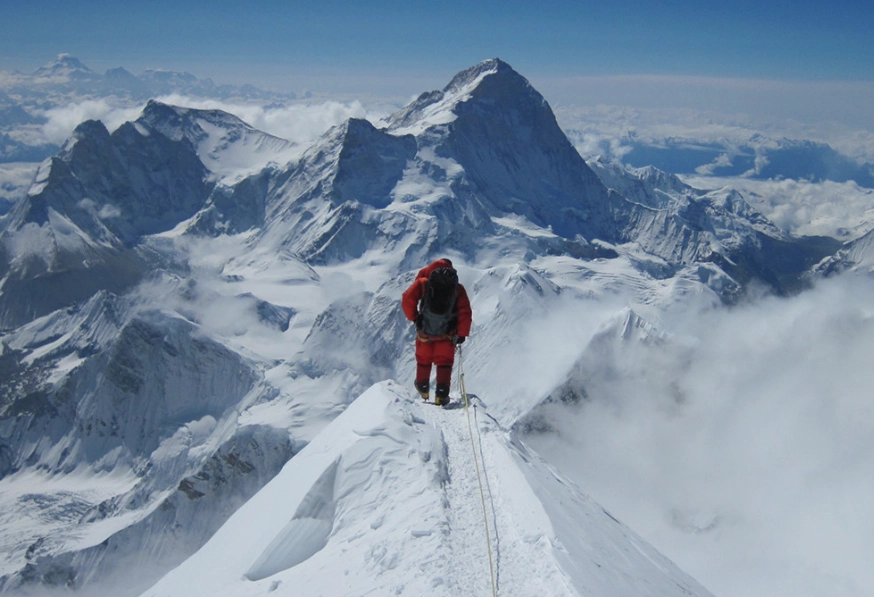
The Everest Climbing Timeline: A Step-by-Step Walkthrough
Here’s what those 60-70 days actually look like. It's a cycle of "climb high, sleep low."
Late March/Early April: Arrival in Kathmandu. Gear checks, briefings, and last-minute shopping. The tension is palpable.
Week 1-2: Trek to Base Camp (5,364m). This isn't a race. It's a vital acclimatization walk. You'll stop in Namche Bazaar, Tengboche, Dingboche. Your body starts producing more red blood cells.
Base Camp Life: You'll live here for over a month. It's a small city with tent dormitories, a dining tent, communications, and even a medical clinic run by organizations like the Himalayan Rescue Association. The routine is established: eat, hydrate, rest, acclimatize.
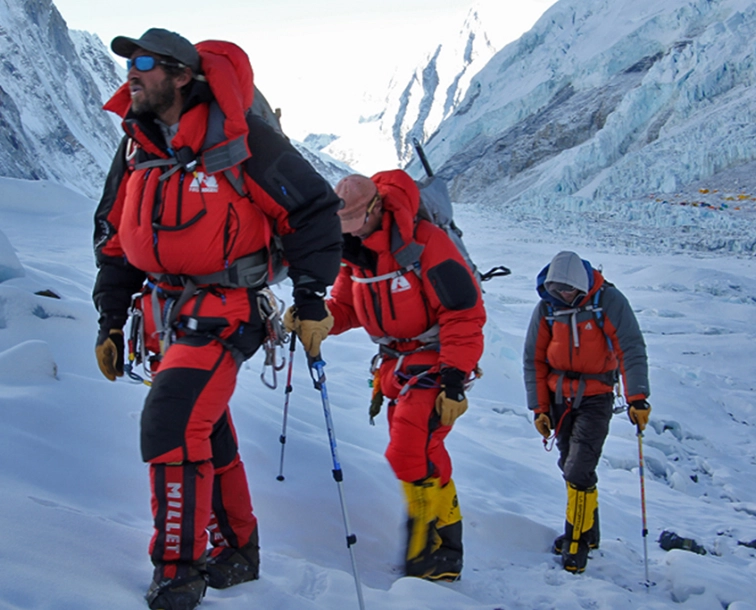
Acclimatization Rotations: This is the core of the climb. You will make two or three forays up the mountain, spending nights at higher camps (Camp 1, Camp 2, sometimes Camp 3), then descend back to Base Camp to recover. Each rotation strengthens your body's adaptation. The first time through the Khumbu Icefall—a moving maze of seracs and crevasses—is unforgettable and demanding.
The Summit Push: After a long rest at Base Camp following your final rotation, you watch the weather. When a 4-5 day window of low winds appears, you go. The sequence is relentless: Base Camp → Camp 2 → Camp 3 → Camp 4 (South Col, 7,950m) → Summit (8,848.86m) → and then all the way back down, often to Camp 2, in a single, grueling push that can last over 24 hours. Summit day itself starts around 10 PM from the South Col. You climb through the night, aiming to reach the top by morning to allow time for a safe descent.
The descent is where most accidents happen. Exhaustion is extreme. This is where your guide's and Sherpa's vigilance is paramount.