You're at the base of the crag, rope flaked out, harness snug. You're ready to climb. But the most critical piece of gear isn't on your harness—it's in your partner's hands. The rock climbing belay device is the linchpin of safety, a simple piece of metal or plastic that turns a dynamic rope into a controlled braking system. Choosing the wrong one, or using it poorly, isn't just inconvenient; it's dangerous. After a decade of clipping bolts and placing cams, I've seen belay devices evolve from simple tubes to sophisticated gadgets. I've also seen the same subtle mistakes made over and over. This guide cuts through the marketing to help you pick and use the right belay device for your climbing.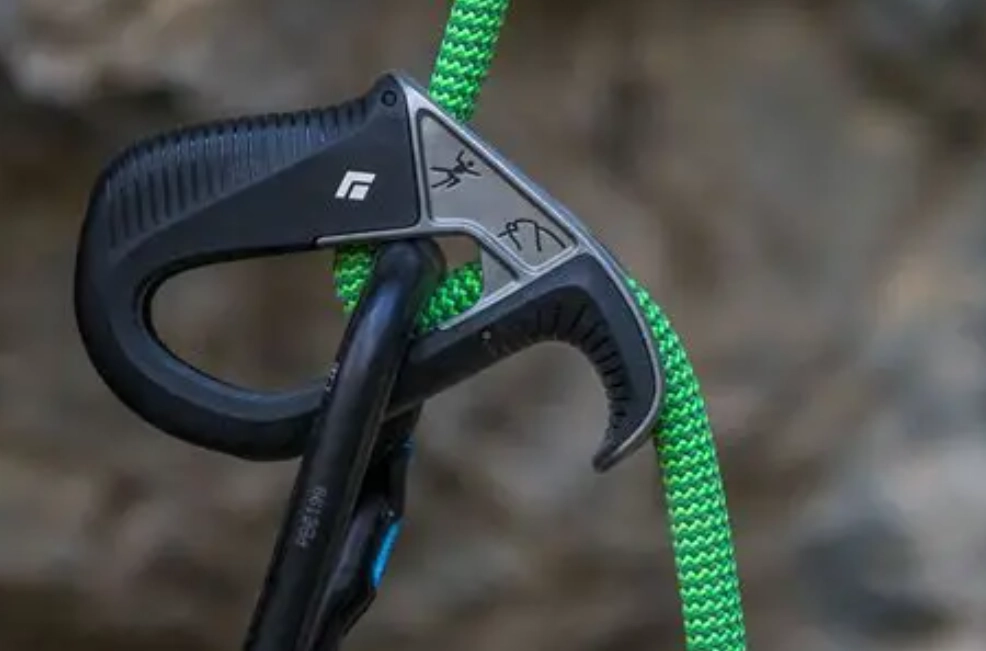
What You'll Learn
Breaking Down the Three Main Types of Belay Devices
Forget fancy names. All belay devices fall into three functional categories. Your choice depends on what you climb, who you climb with, and frankly, how much you're willing to spend.
Tube-Style Devices (The Workhorse)
Think ATC (Air Traffic Controller) from Black Diamond or the Verso from Petzl. These are simple, hollow tubes with two rope slots. You feed a bight of rope through, clip a carabiner through the device and the rope loop, and you're set. They're lightweight, cheap, and versatile for both belaying and rappelling.
But here's the non-consensus part everyone glosses over: their braking performance is almost entirely dependent on your hand position and grip strength. There's no mechanical help. In a hard catch scenario with a heavy leader, a tired belayer with a tube device can struggle. I've personally felt the rope heat up and slip slightly during a long, dynamic fall on a skinny rope. It works, but it demands perfect technique.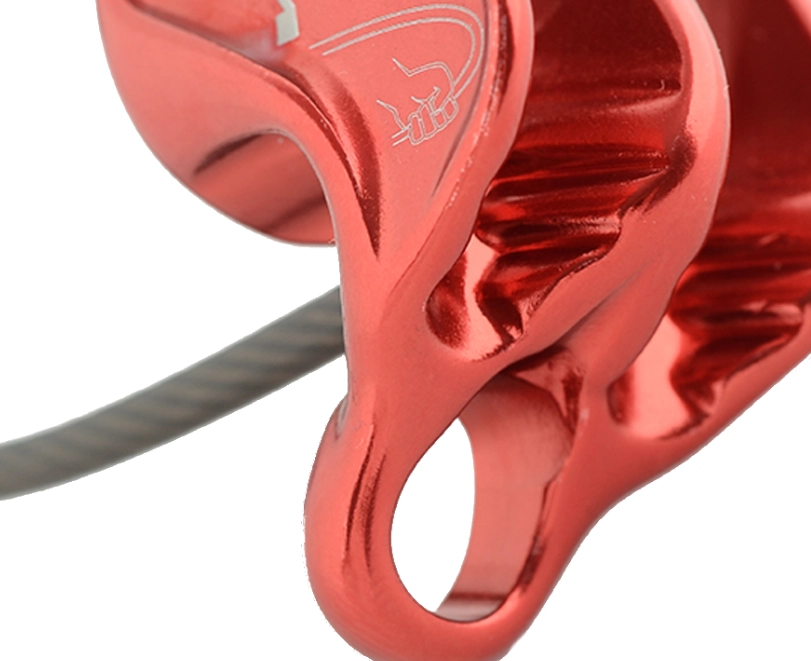
Assisted-Braking Devices (ABDs) / "Smart" Devices
This is the modern revolution. Devices like the Petzl Grigri, Edelrid Mega Jul, or Black Diamond ATC Pilot have a mechanism that pinches or cams the rope during a sudden pull, adding a powerful mechanical brake. The Grigri, the industry standard, uses a cam that engages. Others like the Mega Jul use a "pinch" design.
Most articles will just say "they're safer." That's lazy. The real, nuanced benefit is they dramatically reduce the consequences of belayer error. If you get distracted for a second, the device has your back. This is huge for belaying a heavier leader or in a busy, distracting environment. However, they have a learning curve. A Grigri can be "short-roped" if you don't feed rope smoothly, and some models have specific orientations for top-rope vs. lead belay. I've seen more people mess up feeding slack with a new Grigri than with a simple tube.
Figure-8 Devices
The classic shape. Primarily used for rappelling, especially in rescue or caving scenarios because they offer a lot of friction and are easy to rig on frozen or muddy ropes. You almost never see them used for belaying a lead climber anymore—they twist the rope horribly and offer poor control during paying out slack. If someone suggests using one for lead belaying at the crag, politely suggest they read this article.
| Device Type | Key Mechanism | Best Use Case | Biggest Drawback |
|---|---|---|---|
| Tube-Style (e.g., ATC) | Friction through rope bends | Versatile belay/rappel, budget-friendly, lightweight alpine | Zero mechanical assist; relies 100% on belayer |
| Assisted-Braking (e.g., Grigri) | Internal cam or pinch | Sport climbing, belaying heavier partners, beginner belayers | Higher cost, can be finicky with feeding slack |
| Figure-8 | High-friction rappel | Technical rappelling, rescue work | Poor for lead belaying, rope twist |
How to Choose Your First (or Next) Belay Device: A Real-World Guide
Don't just buy what your friend has. Think about your next 100 climbing days.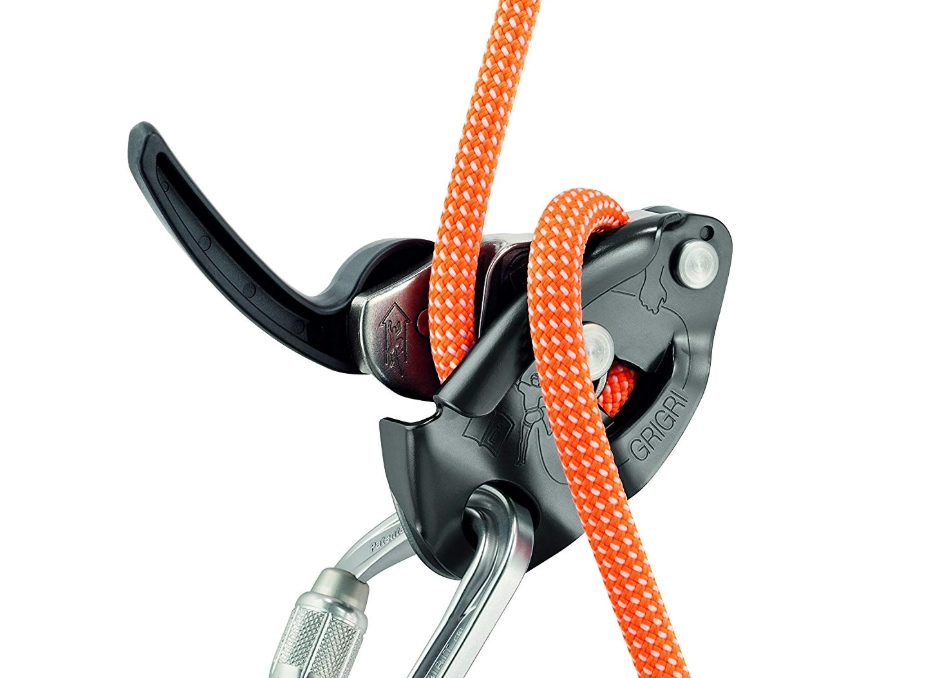
If you're brand new to climbing: The advice used to be "start with an ATC." I disagree in 2024. For a complete beginner, an assisted-braking device like a Grigri or a similar model is often the wiser first purchase. It provides a critical safety buffer while you're learning muscle memory. Many gyms now require them. The extra $30-$40 is the cheapest insurance you'll ever buy. Learn on it, master feeding slack with it, and you'll be a safer belayer from day one.
If you're a gym and sport climber: An ABD is your daily driver. The Petzl Grigri+ (with its anti-panic handle) is fantastic, but the standard Grigri 2 is a tank that will last forever. Also look at the Edelrid Ohm—it's not a belay device per se, but a game-changer if you're significantly lighter than your climbing partner, as it creates extra friction on the first piece of gear.
If you're a trad climber or alpinist: You likely need two devices. An ABD for belaying the leader on steep pitches, and a lightweight, simple tube device (like a Black Diamond ATC Guide or Petzl Reverso) for its guide-mode function. Guide mode allows you to belay a second directly from the anchor hands-free, which is essential for multi-pitch efficiency. The DMM Pivot is a clever hybrid that tries to do both jobs in one.
Beyond the Basics: Critical Safety Mistakes & Expert Techniques
Passing a gym belay test means you know the minimum. Here's what they don't always teach you.
The "Downside-Up" Tube Device: A tube device like an ATC has two slots, often with different friction levels (marked "H" for higher, sometimes). If you're belaying a heavier leader, use the higher friction slot. But the catastrophic mistake is clipping the carabiner through the device without the rope loop. The device is then not captured and can fall off the carabiner. I've found one on the ground at a busy crag. Always triple-check: rope loop, device, carabiner gate locked.
ABD Complacency: The Grigri is not autopilot. You must keep your brake hand on the rope, always. The "panic grip"—slamming the handle down in fear—can actually lock the device so tight you can't lower the climber. Practice lowering with a weighted rope (a bag of rocks at home) to get the feather-light touch needed.
Rappelling with an ATC in Guide Mode: Many modern tube devices have a "guide mode" for belaying a second. Never, ever rappel directly off this setup. The geometry can cause the device to invert and release the rope. For rappelling, always re-configure it into standard rappel mode. The UIAA (International Climbing and Mountaineering Federation) has issued safety notices on this.
The Belay Carabiner Matters: Use a large, pear-shaped or HMS carabiner. A small, straight-gate carabiner can cross-load the belay device under shock load, drastically reducing its strength. A good belay biner is the BD RockLock or any similar locking HMS.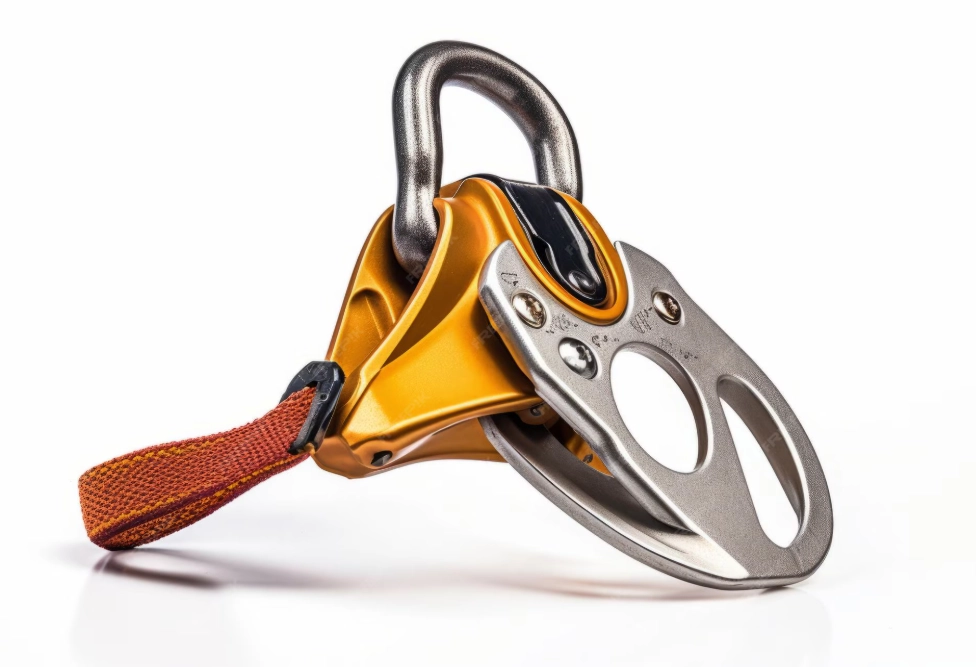
Your Belay Device Questions, Answered
Statistically, with perfect technique, both are safe. The safety difference lies in error tolerance. An ABD actively mitigates belayer error—a momentary lapse in attention, a slippery grip, a sudden shock. In the real world, where belayers get tired, distracted, or surprised, the ABD provides a consistent mechanical backup that a tube device does not. For the vast majority of recreational sport climbing, an ABD offers a higher and more forgiving safety margin.
You use guide mode when you, as the leader, have reached a multi-pitch anchor and are bringing up your second climber. By attaching the device directly to the anchor with a carabiner (not your harness belay loop), it creates a hands-free, self-locking system. This lets you manage the rope, take photos, or have a drink without maintaining a constant brake hand. It's a core technique for efficient trad and multi-pitch climbing. Practice setting it up at ground level first.
Probably not. Many ABDs, especially cam-based ones like the Grigri, have a "sweet spot" for smooth feeding. The trick is to use your thumb to gently depress the cam (or handle) while simultaneously pulling rope through with your guide hand. It's a coordinated push-pull motion. If you just yank the rope, it will engage the mechanism and lock up. This is the main skill to practice in a safe environment. Some newer "fluid" designs like the Mammut Smart Alpine are more forgiving, but the principle remains.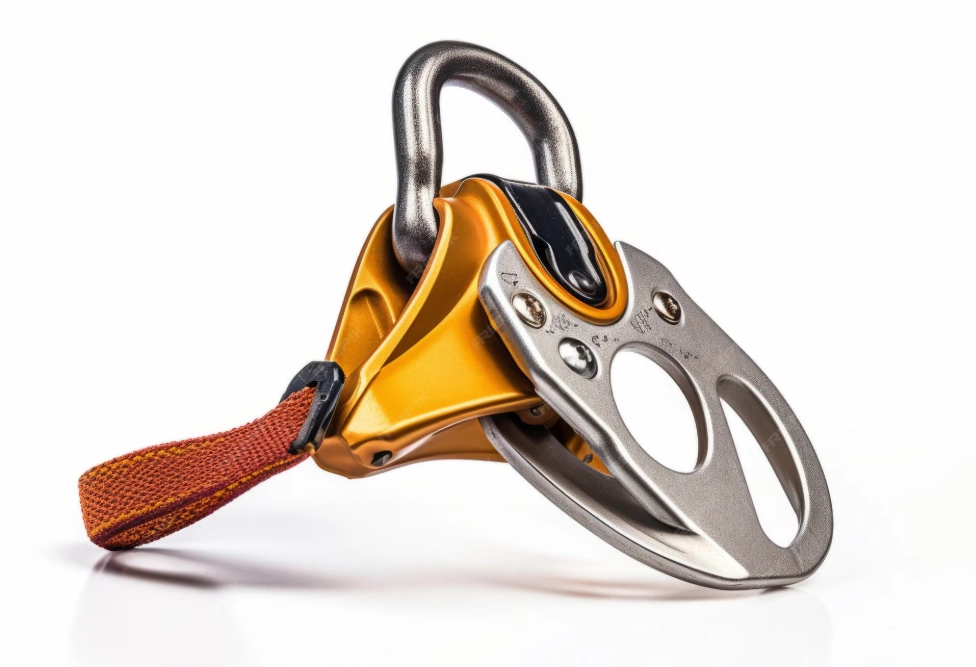
You must check the manufacturer's specified range. A device rated for 9.4-10.2mm ropes might work poorly or dangerously with a 9.0mm rope (too little friction/engagement) or an 11mm rope (won't fit or is too stiff). Many climbers end up owning two devices: a Grigri+ for 9.8-10.2mm gym ropes, and a lighter ABD like the Petzl GriGri or a tube device for their 9.2-9.6mm outdoor sport rope. Don't force a mismatch.