Let's cut to the chase. The best first aid kit for survival isn't the one with the most pieces or the fanciest packaging you buy off the shelf. It's the one you've personally curated, organized, and—critically—know how to use under pressure. I've spent over a decade guiding wilderness trips and responding to backcountry emergencies. The most common mistake I see isn't a lack of gear; it's a kit stuffed with useless items while missing the essentials, or worse, a perfectly good kit rendered useless because the owner can't find the tourniquet in a panic.
This guide won't just give you a shopping list. We'll dissect the philosophy behind a true survival medical kit, compare building your own versus buying pre-assembled, and highlight the subtle, often-overlooked details that make the difference between a bandage box and a lifesaving system.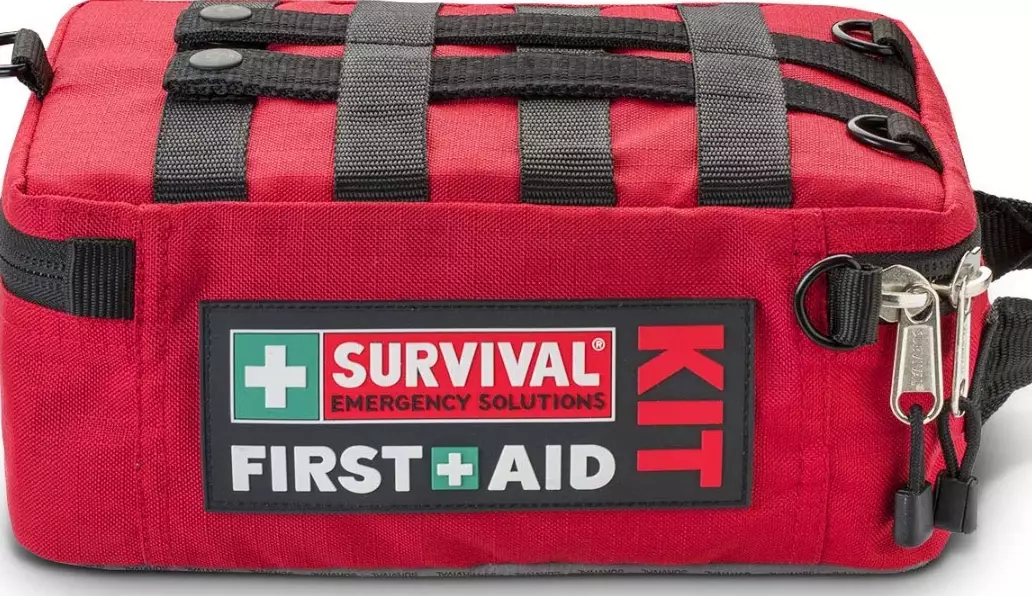
What You'll Learn
Why a Survival First Aid Kit is Non-Negotiable
Think of your survival first aid kit as your medical toolbox for when 911 isn't an option. In a true wilderness or large-scale disaster scenario, professional help could be hours or days away. A standard household kit designed for scrapes and splinters won't cut it. You need supplies to manage severe bleeding, stabilize fractures, treat infections, and manage pain over an extended period.
The gap between a "first aid" kit and a "survival medical" kit is vast. One helps with minor inconveniences. The other is designed to keep you alive and functional long enough to self-rescue or be rescued.
How to Build Your Own Ultimate Survival First Aid Kit
Building your own is almost always the superior choice. You learn each item's purpose, you tailor it to your group's specific needs (allergies, medications), and you guarantee quality. Here’s the breakdown, organized by injury priority.
1. The Absolute Essentials: Stop the Bleeding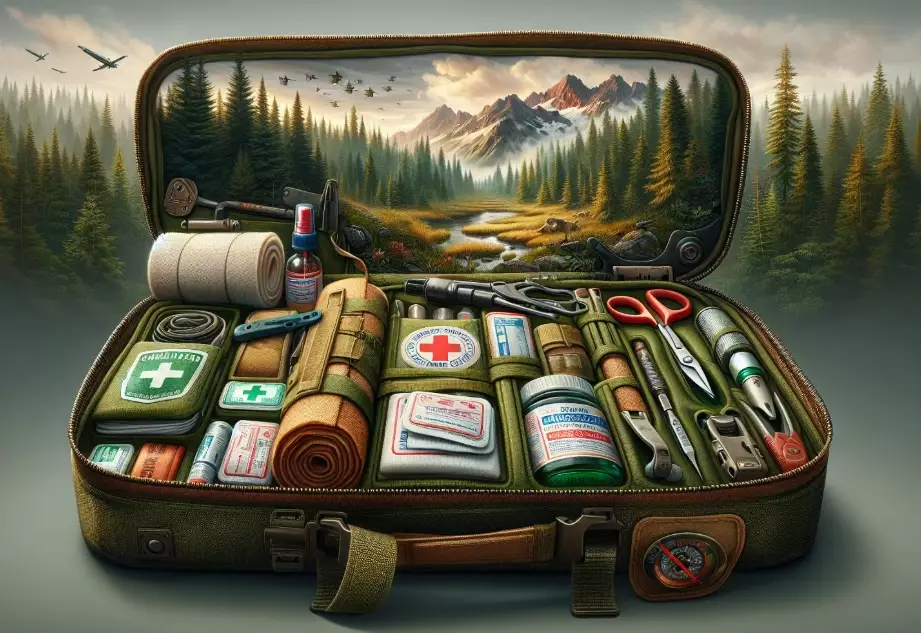
Uncontrolled hemorrhage is the leading cause of preventable death in trauma. Your kit must address this first.
- Tourniquet (CAT Gen 7 or SOF-T Wide): Don't buy a knockoff. A genuine Combat Application Tourniquet is worth every penny. Practice applying it on your own limb.
- Hemostatic Gauze (Celox or QuikClot): For wounds where a tourniquet can't be applied (junctional areas like groin, armpit).
- Pressure Bandage (Israeli/Emergency Bandage): Combines a sterile pad, roller gauze, and a pressure bar. Far superior to trying to hold gauze in place with medical tape.
- Rolled Gauze & Trauma Shears: For packing wounds and cutting away clothing.
2. Wound Care & Infection Prevention
After life-threatening bleeding is controlled, preventing infection becomes critical.
- Antiseptic Wipes/Betadine: For cleaning around wounds.
- Antibiotic Ointment: Small tubes are fine.
- Various Bandages & Butterfly Closures: Assorted sizes. Include knuckle and fingertip bandages—they get used more than you think.
- Super Glue (Single-Use Tubes): Excellent for closing small, clean lacerations in a pinch. It's literally what "Dermabond" is.
3. Medications: Know What You're Carrying
This is highly personal. Consult a doctor. My kit includes: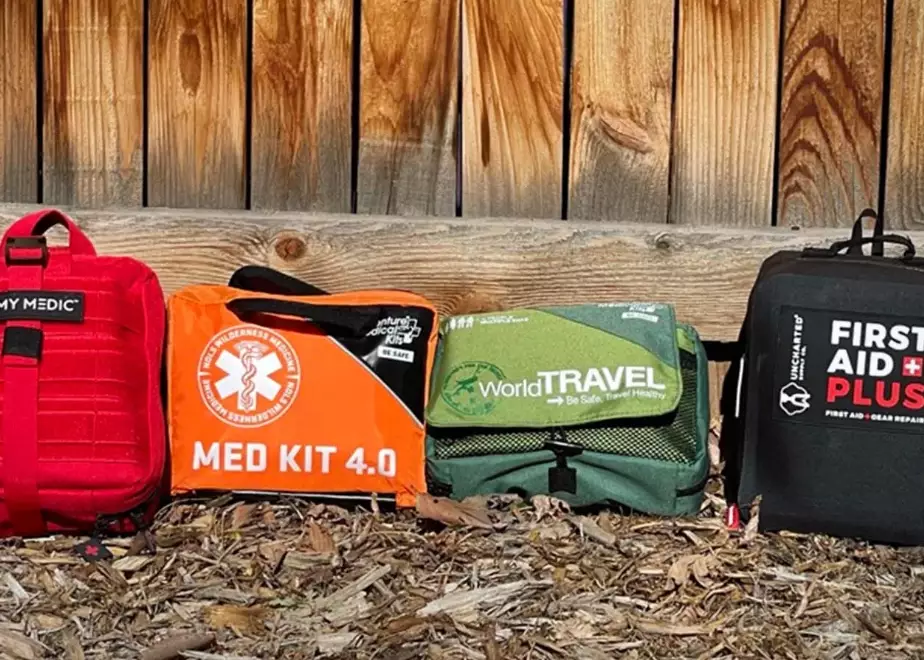
- Pain/Fever: Ibuprofen (anti-inflammatory) and Acetaminophen.
- Allergic Reaction: Diphenhydramine (Benadryl) tablets. Consider an epinephrine auto-injector if prescribed.
- Diarrhea/Indigestion: Loperamide (Imodium) and an antacid.
- Prescription Meds: A several-day supply of any daily medications.
4. Tools & Supporting Gear
These items turn supplies into treatment.
- Quality Tweezers & Splinter Probes: Not the flimsy ones in cheap kits.
- Digital Thermometer: Non-negotiable for diagnosing illness.
- CPR Face Shield/Keychain Mask: Compact and vital.
- Space Blanket (2+): For treating shock and hypothermia. Get the durable, larger ones.
- Notepad & Permanent Marker: To note times (tourniquet application, medication given) for when help arrives.
Top Pre-Assembled Survival First Aid Kits Reviewed
If building from scratch feels daunting, a quality pre-built kit is a great starting point. You can always augment it. Here’s a look at three reputable options, focusing on their suitability for true survival scenarios.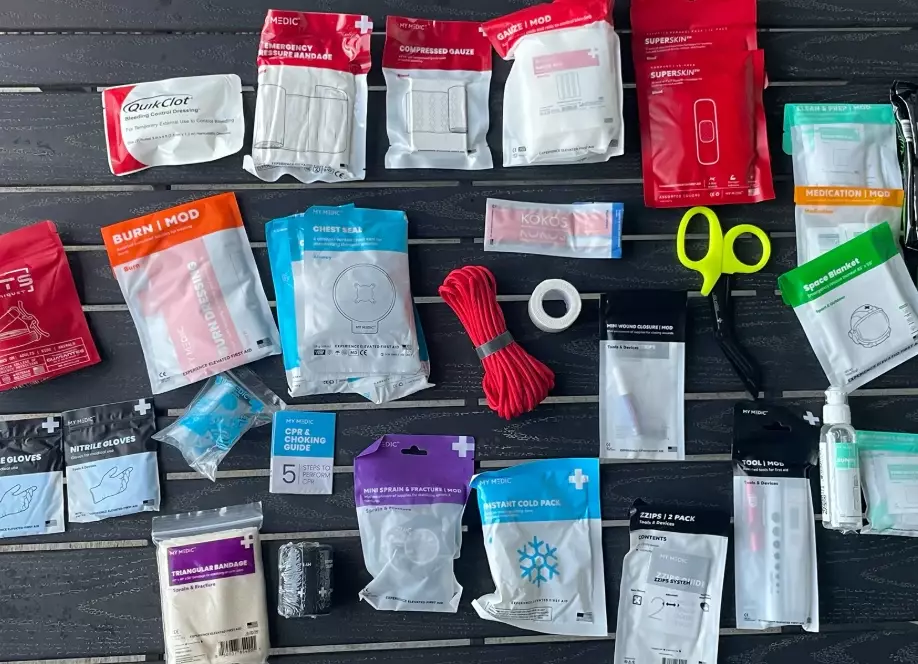
| Kit Name | Best For | Key Strengths | Potential Gaps to Fill |
|---|---|---|---|
| Adventure Medical Kits Mountain Series | Small-group backpacking, organized and manual-based. | Excellent organization by injury type (e.g., "Bleeding" pouch). Includes a solid guidebook. Good balance of basics. | Often lacks a true combat-grade tourniquet. Medication quantities are limited. You'll need to add personal meds. |
| MyMedic MyFAK (First Aid Kit) | Serious preparedness, vehicle-based bug-out bags. | Includes higher-end components like hemostatic gauze, often a CAT tourniquet. Rugged, molle-compatible packaging. | Higher price point. Can be overwhelming for beginners. Still may need personal medication tailoring. |
| REI Co-op Backpacker First-Aid Kit | Solo or duo weekend hikers, lightweight needs. | Lightweight, compact, and affordable. Covers the vast majority of common trail injuries well. | Not designed for major trauma. Lacks hemorrhage control beyond a basic pressure bandage. A starting point, not an endgame. |
My take? The Adventure Medical Kits offer the best "out-of-the-box" thought process for beginners. But I always, without exception, rip open any pre-built kit and add a proper tourniquet and hemostatic agent. It's that important.
Packing and Organizing for Instant Access
A disorganized kit is a dangerous kit. When seconds count, you can't be dumping a bag of loose bandages on the ground.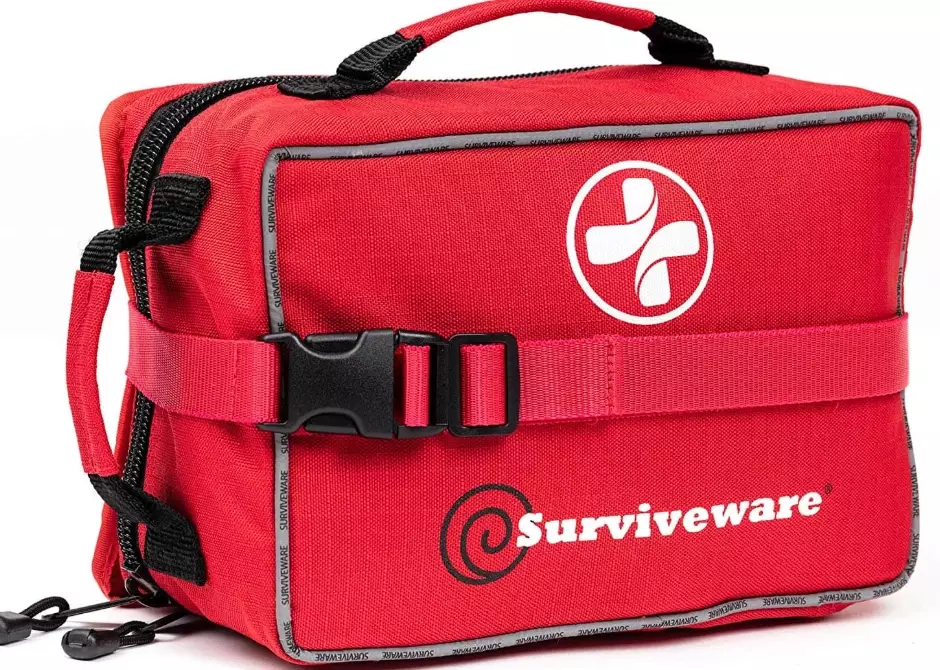
Use clear, zippered pouches. Label them boldly with a marker: "BLEEDING," "WOUND CARE," "MEDS," "TOOLS." I use different colored pouches for instant visual recognition—red for bleeding control.
Pack in reverse order of use. The items you need first (tourniquet, gloves) should be on top or in the most accessible external pocket.
Waterproof everything. Use a durable dry bag as your main kit container. Silica gel packets inside each pouch help control moisture.
I learned this the hard way on a rainy coastal trek. A pre-packaged gauze pad had absorbed ambient moisture through its wrapper and was a soggy, useless mess when needed. Now, my critical items get a second layer of protection in a small zip-lock within their category pouch.
Common Mistakes and Expert Tips
Here’s where that decade of experience comes in. These are the blunders I see repeatedly.
Mistake 1: The "Checklist Mentality." People focus solely on the list of items, not their function. Having 100 band-aids is pointless if you have no way to stop arterial bleeding.
Tip: Build your kit around capabilities: I need to be able to 1) Control massive hemorrhage, 2) Clean and dress a wound, 3) Splint a fracture, etc. Then choose the tools for each job.
Mistake 2: Zero Training. A tourniquet in an unopened wrapper is a paperweight. You must practice.
Tip: Take a wilderness first aid course from a provider like NOLS or the Wilderness Medical Associates. At minimum, watch certified instructional videos and drill with your gear monthly.
Mistake 3: No Redundancy or Maintenance. One is none, two is one. Your only lighter fails. Your only tourniquet fails.
Tip: Critical items (fire starter, water purification, tourniquet) should have a backup stored separately. Check your kit every 6 months. Replace expired medications, check battery-powered items, and ensure seals are intact.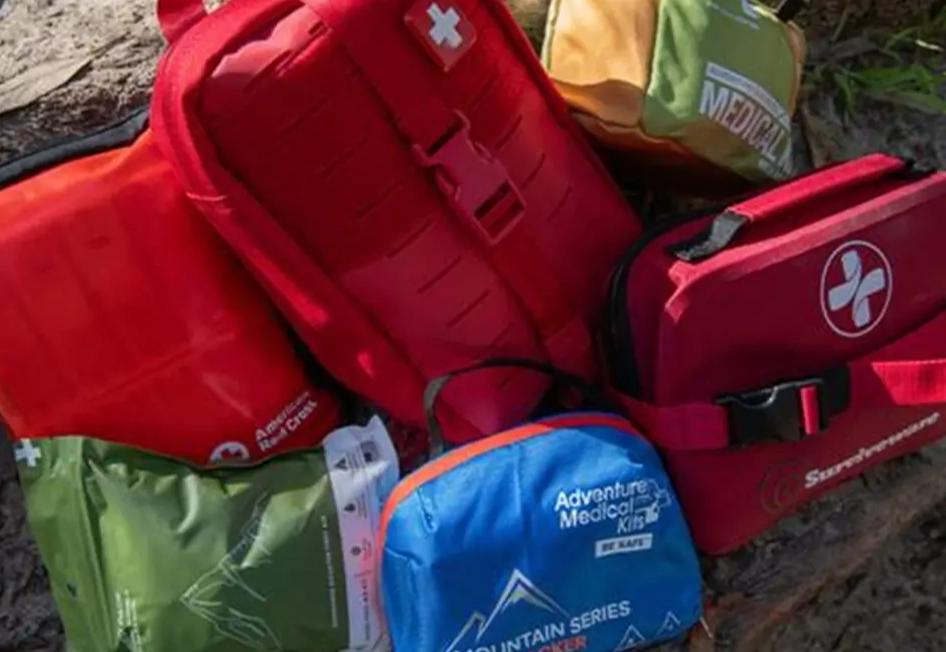
Your Survival First Aid Questions Answered
What's the single most important item most people forget in a survival first aid kit?
A permanent marker and notepad. In a crisis, your memory is unreliable. Writing down the time you applied a tourniquet or gave medication is crucial information for EMS. It also helps you stay calm and procedural.
How do I handle a snake bite with a survival first aid kit?
Forget the old advice about cutting and sucking. The current protocol from experts like the American Red Cross is: 1) Move away from the snake. 2) Stay calm, keep the bitten limb at or below heart level. 3) Remove constrictive items (rings, watches). 4) Clean the wound with antiseptic if available. 5) Lightly bandage it. 6) Get to a hospital. Do NOT use a tourniquet or try to capture the snake. Your kit's role is wound cleaning and keeping the victim calm and still while you evacuate.
 Is a survival first aid kit for my car different from my backpacking kit?
Absolutely. Your car kit has zero weight restrictions. You can afford bulkier, more comprehensive supplies. Add things like a heavier-duty splinting material (SAM Splint), more blankets, a larger quantity of water, and even items like a folding shovel or road flares. The principles are the same, but the scale and specific risks (e.g., auto glass injuries) change.
What's a good budget-friendly way to start a high-quality kit?
Don't try to buy it all at once. Start with the absolute hemorrhage control module: a genuine CAT tourniquet, an Israeli bandage, and rolled gauze. That's your life-saving core. Next month, buy a quality pouch and your wound care basics. Spread the cost over time, prioritizing the most critical trauma items first. A self-built kit over 6 months is better than a cheap, inadequate one bought today.
How should I modify a survival first aid kit for a family with young children?
The core trauma items remain the same—bleeding doesn't care about age. The key modifications are in medications and comfort items. You'll need child-appropriate doses (liquid or chewable) of pain/fever relievers, antihistamines, and possibly an electrolyte solution for dehydration. Add pediatric-sized CPR masks. Also, include a small comfort item like a favorite wrapped candy or a tiny toy—treating shock in a scared kid is part of first aid too.
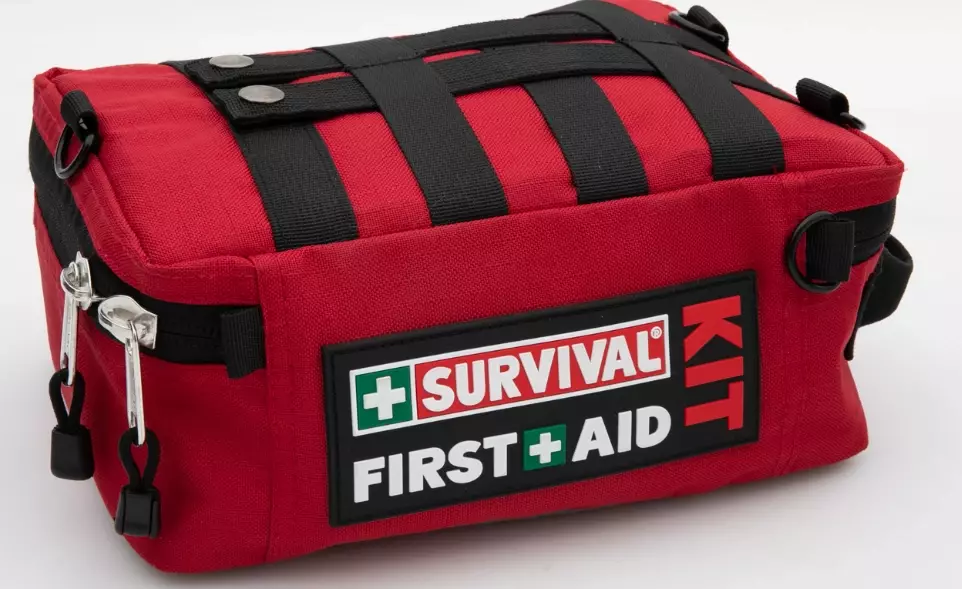
The best first aid kit for survival is the one you understand, trust, and can deploy without thinking. It starts with the right mindset: preparedness over panic, capability over clutter. Build it, practice with it, and maintain it. That orange or red bag isn't just first aid supplies; it's your commitment to bringing everyone home safe.