The short answer is: it can be, but it absolutely doesn't have to be. Asking if climbing is expensive is like asking if eating out is expensive—it depends entirely on whether you're grabbing a food truck taco or booking a table at a Michelin-starred restaurant. The cost spectrum in climbing is incredibly wide. I've seen newcomers drop over $2000 in their first month on top-tier gear they didn't need, and I've met passionate climbers who spend less than $50 a month. The real question isn't about a yes or no price tag; it's about understanding where the money goes and how to align your spending with your goals.
What's Inside: Your Cost Navigation Guide
The Real Cost of Rock Climbing Gear
Gear is the first cost hurdle. Let's break it down by discipline, because bouldering, top-roping, and lead climbing have different shopping lists.
Bouldering: The Most Accessible Entry Point
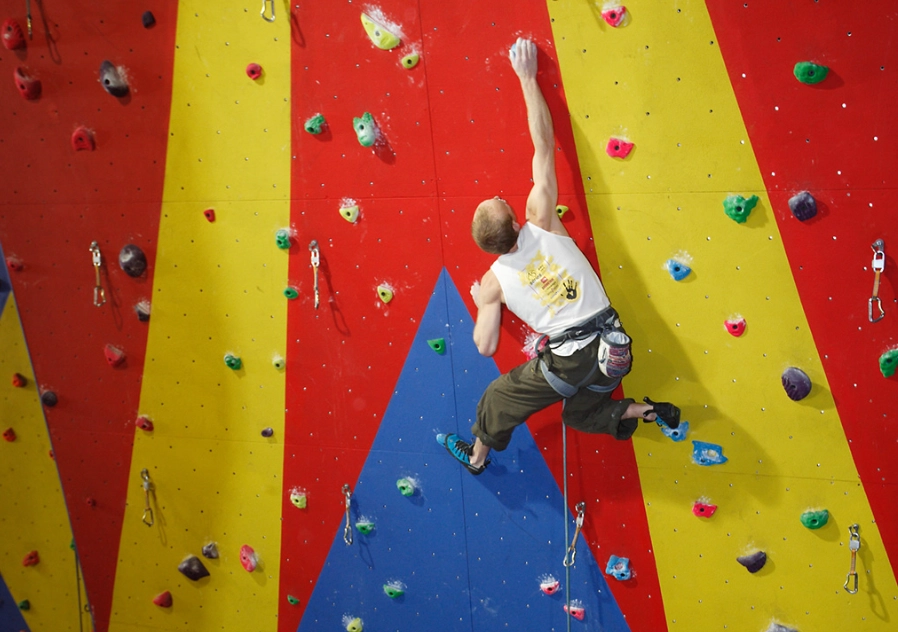
For indoor bouldering (climbing shorter walls without ropes), you technically only need shoes and chalk. A gym will provide the chalk and the walls. A decent beginner shoe can be found for $80-$120. I made the mistake of buying an aggressively downturned, painful "performance" shoe as my first pair because a salesperson talked me into it. Big error. Your first shoes should be comfortable and relatively flat. Brands like La Sportiva Tarantulace or Scarpa Origin are classics for a reason. Chalk and a bag? Maybe $20.
Roped Climbing: The Safety-Critical Investment
This is where costs jump. You cannot, and should not, skimp on life-support equipment. The core personal gear you need includes:
| Item | Budget-Friendly Range | Mid-Range/Quality | Notes from Experience |
|---|---|---|---|
| Harness | $45 - $65 | $70 - $120 | Fit is everything. Try it on with your layers. A cheap, uncomfortable harness will ruin your day. |
| Belay Device & Locking Carabiner | $25 - $40 | $40 - $70 | A basic tubular device (like an ATC) is perfect to learn. You don't need an assisted-braking device (like a GriGri) day one. |
| Climbing Shoes | $80 - $120 | $120 - $180 | See bouldering note. Comfort first. |
| Chalk Bag & Chalk | $15 - $30 | $30 - $50 | >Liquid chalk is often required in gyms post-COVID. It's pricier but lasts. |
The big-ticket items—the rope, quickdraws, helmet, and anchor material—are usually shared or provided by an experienced partner or guide when you're starting outdoors. This is a key point many guides miss. You don't buy a full rack before you know how to use it.
Gear Mistake I See All the Time: People buy a rope before they know how to lead climb or inspect it for damage. A rope is a consumable item with a finite life (typically 5 years, less with heavy use). Your first major gear purchase for outdoor roped climbing should arguably be a helmet, not a rope. Protecting your head is non-negotiable, and you can't borrow a properly fitted helmet.
Climbing Gym vs. Outdoor: A Cost Comparison
Your primary climbing venue dictates your ongoing costs.
Climbing Gym Memberships
This is your most predictable monthly expense. In major US cities, expect to pay:
- Single Visit/Day Pass: $20 - $35
- Monthly Membership: $70 - $120
- Annual Membership: Often a 10-15% discount over monthly.
Many gyms offer student, military, or family discounts. Some, like Movement or Touchstone chains, offer access to multiple locations, which can be great value. The gym provides a controlled, weather-proof environment with routes that change regularly. For pure cost-per-hour of enjoyment, a monthly membership you use 8-10 times a month is cheaper than movies or many other urban hobbies.
Outdoor Climbing Costs
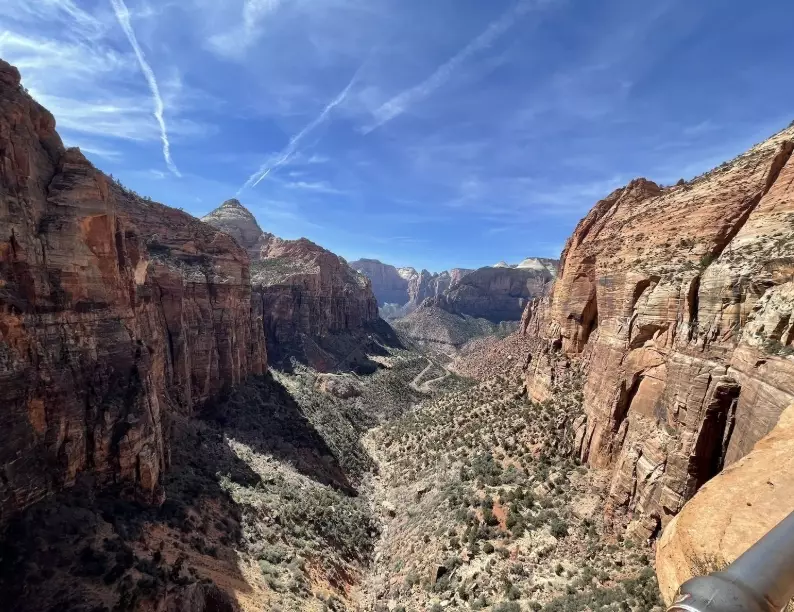
Outdoor climbing trades a monthly fee for variable, often trip-based costs. It can be very cheap or very expensive.
- Transportation/Gas: Getting to the crag. Could be $10 in gas or a $500 flight.
- Camping/Lodging: National Forest campsites might be $10/night. A motel near a popular spot like Red River Gorge could be $80/night.
- Park Passes/Permits: Some areas like Yosemite National Park require a $35 7-day vehicle pass. Others are free.
- Guide Services: If you're learning outdoor skills or want to climb big walls, hiring an AMGA (American Mountain Guides Association) certified guide is a significant cost—$200-$500 per day—but it's an investment in safety and skill.
The outdoor model rewards local climbers and punishes destination tourism, financially speaking.
How to Start Climbing on a Budget
You can absolutely do this without breaking the bank. Here's the playbook I wish I had at 18.
Phase 1: The Trial Run (Weeks 1-4)
- Rent Everything. Gyms rent shoes, harness, and belay devices for $10-$15 a session. Use this period to see if you even like it.
- Look for Intro Deals. Most gyms have a "First Month for $50" or a cheap intro class that includes gear rental. This is the best value in climbing.
- Climb with a Friend who has a membership. Many gyms offer guest passes or "bring a friend free" days for members.
Phase 2: Committing on a Budget (Month 2+)
- Buy Your Shoes First. Rental shoes are gross and fit poorly. Owning your own improves performance and hygiene dramatically.
- Shop Used (Carefully). Harnesses, chalk bags, and carabiners can often be found lightly used on platforms like Facebook Marketplace or at gear swaps. Never buy a used rope, helmet, or sling. Their history is unknown and their strength compromised.
- Wait for Sales. REI's Anniversary Sale (May), Labor Day, and Black Friday are goldmines for climbing gear discounts.
- Prioritize a Membership over Fancy Gear. Consistent access to a gym will make you a better climber faster than owning an expensive belay device.
What Are the Hidden Costs of Outdoor Climbing?
Beyond gear and gas, these are the costs that sneak up on you.
Skill Acquisition: Learning to lead climb, build anchors, and manage risk outdoors isn't free. You either invest time finding a reliable mentor (buying their gas, beer, and gratitude) or money in formal courses. The American Alpine Club and local clubs often offer affordable clinics.
Maintenance and Replacement: Gear wears out. Shoes resole: $40-$60. Ropes get retired. Quickdraws get retired. This is an ongoing, cyclical cost that indoor gym climbers largely avoid.
Time: This is the biggest hidden cost. A day at the local gym is 2-3 hours. A day outdoors is often 10-12 hours with driving, approach, climbing, and packing up. Your time has value.
So, Is It Worth the Investment?
Let's flip the script. Instead of just looking at dollar signs, consider the return.
For a $100 monthly gym membership, you get unlimited access to a full-body, problem-solving workout that builds incredible strength, flexibility, and mental focus. It's a social hub. It's stress relief. Compared to a $50/month yoga studio or a $60/month weightlifting gym, the value proposition is competitive, if not better.
Outdoor climbing buys you experiences in some of the most beautiful places on earth, self-reliance, and a profound connection to nature. The cost of a weekend trip might equal a nice dinner out, but the memories last longer.
The hobby becomes expensive when you chase the latest gear, travel to exotic locales every weekend, or feel pressured to keep up with the most hardcore climbers at your gym. It stays affordable when you focus on the core activity: moving over rock, solving puzzles, and enjoying the community.