Let's cut to the chase. Everest Base Camp sits at an altitude of approximately 5,364 meters (17,598 feet) above sea level. That's the official figure for the primary South Base Camp in Nepal, as recognized by the Nepalese government and survey authorities. But if you think that's just a number on a page, you're missing the whole point of asking how far up Everest Base Camp is.
That altitude isn't a random statistic. It's the single most important environmental factor you'll contend with. It dictates your health, your pace, your gear, and ultimately, whether your dream trek ends in triumph or a helicopter evacuation. I've seen too many fit, enthusiastic people get humbled by that number because they only saw it as a destination marker, not a physiological threshold.
What You'll Find in This Guide
The Official Altitude Numbers: South vs. North
First, you need to know which base camp you're talking about. There are two main ones.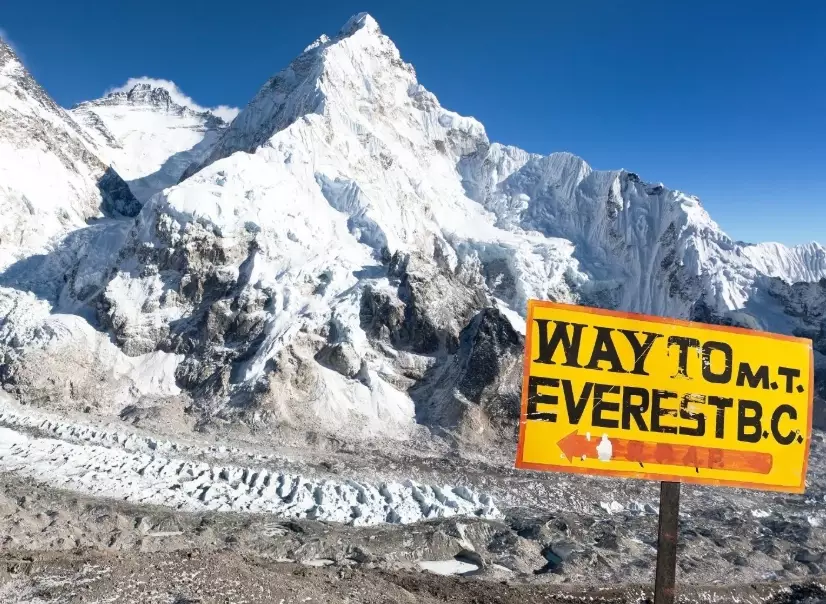
The iconic South Base Camp (Nepal) is the one most trekkers visit. Its altitude is officially pegged at 5,364m (17,598 ft). This is the staging ground for climbers attempting the Southeast Ridge route. The trek to get here starts in Lukla (2,860m) and takes about 8-12 days of walking up the Khumbu Valley.
Then there's the North Base Camp (Tibet, China). It's higher. Officially, it sits at 5,150 meters (16,900 ft) according to Chinese surveys. Wait, that's lower, right? Here's the catch. The Tibetan plateau itself is already over 5,000m high, so the North Base Camp is on a more gradual slope. However, the road access goes much higher. Tourist vehicles can drive to a point called Rongbuk Monastery around 5,000m, and the "trek" to the actual North Base Camp is a relatively short, flat walk. The perceived exertion is different, but the thin air is just as real.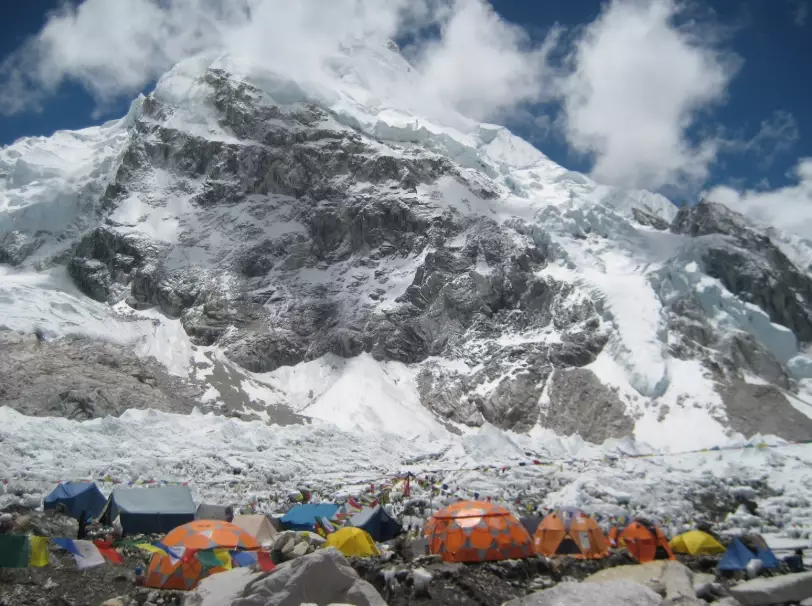
The Bottom Line: When people ask "how far up Everest is Basecamp?", they usually mean the South Camp in Nepal at 5,364m. But if your plans involve Tibet, the target is 5,150m.
Side-by-Side: Everest Base Camp South vs. North
| Feature | South Base Camp (Nepal) | North Base Camp (Tibet) |
|---|---|---|
| Official Altitude | 5,364 meters (17,598 feet) | 5,150 meters (16,900 feet) |
| Country & Region | Nepal, Khumbu | China, Tibet Autonomous Region |
| Typical Trek Starting Point | Lukla (2,860m) - flight required | Shigatse or Lhasa, accessible by road |
| Trekking Duration to EBC | 8-12 days (one-way) | Can be a day trip from Rongbuk (via vehicle + short walk) |
| Primary Season | Pre-monsoon (Mar-May) & Post-monsoon (Sep-Nov) | May-September (colder, but accessible) |
| Permit & Logistics | TIMS card, Sagarmatha NP permit, guide required (recent rule) | Tibet Travel Permit, guided tour mandatory |
Why the Height Matters More Than Distance
Nobody asks "how far is Base Camp?" in kilometers. They ask how high it is. That's because the vertical gain is the real challenge, not the horizontal distance.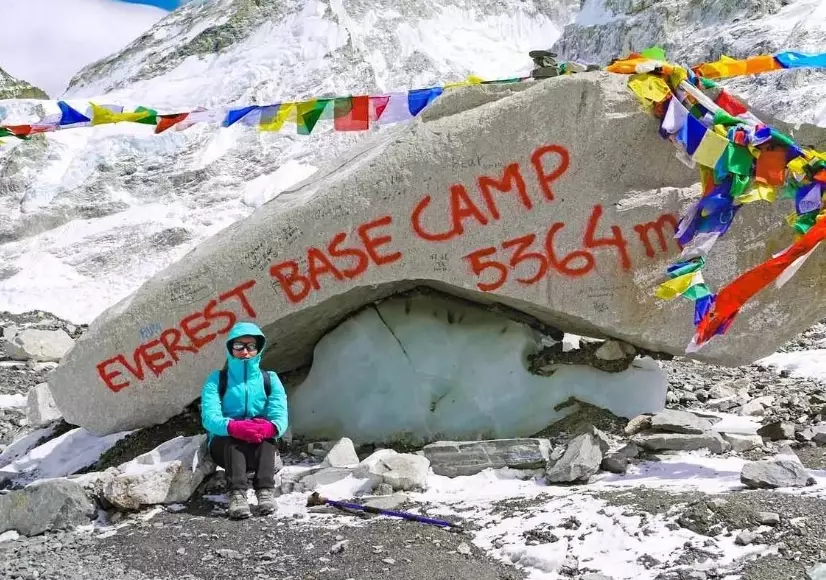
At 5,364m, the air pressure is about half of what it is at sea level. The available oxygen is also roughly halved. Your body goes into emergency mode. It has to produce more red blood cells to carry what little oxygen there is. This process is called acclimatization, and it cannot be rushed.
Here's a concrete example from a trek I guided. A very strong marathon runner in our group pushed the pace hard from Namche Bazaar to Dingboche. He felt great—until he didn't. At 4,400m, the cumulative fatigue and lack of proper acclimatization hit him like a truck. Severe headache, nausea, loss of appetite. We had to hold an extra rest day for him. His fitness was world-class, but he treated the altitude like just another hill. The mountain doesn't care about your 10k PR.
The altitude dictates everything:
- Your itinerary: Reputable schedules build in acclimatization days (typically in Namche ~3,440m and Dingboche/Pheriche ~4,400m).
- Your health: Risk of Acute Mountain Sickness (AMS), HAPE, and HACE increases dramatically above 2,500m.
- Your gear: You need a sleeping bag rated for -10°C to -20°C, down jackets, and layered clothing for wildly fluctuating temperatures.
- Your enjoyment: A throbbing headache and nausea will ruin the most spectacular views of Ama Dablam.
How the Height is Measured (And Why You See Different Numbers)
You might see figures like 5,380m or 5,350m floating around. Why the discrepancy? It's not error; it's methodology.
The official 5,364m figure comes from modern GPS and geodetic surveys conducted by Nepalese authorities in partnership with international bodies. Historically, measurements were less precise. Older maps or anecdotal reports from early climbers might cite slightly different numbers.
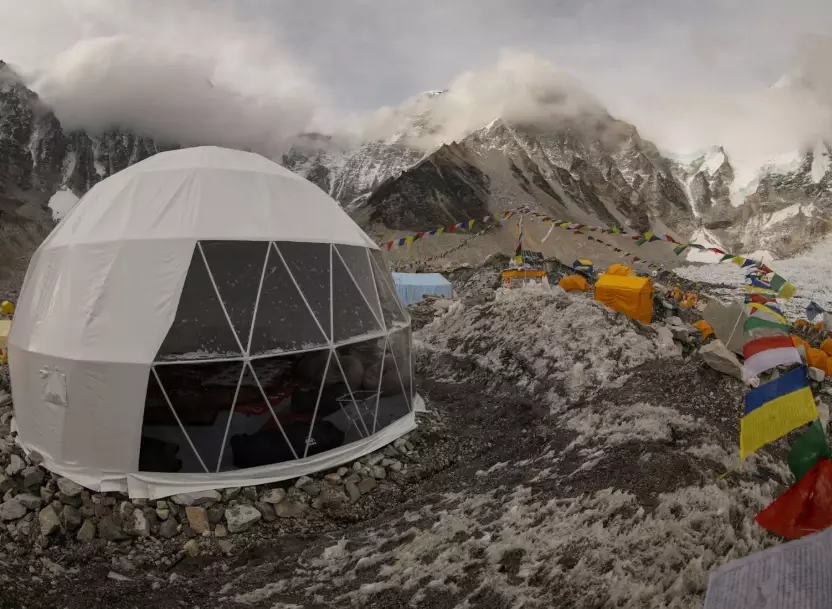
Furthermore, the base camp isn't a pinpoint. It's a sprawling, seasonal tent city that shifts slightly year to year based on the movement of the Khumbu Glacier. The altitude at the "entrance" might differ from the altitude at the "puja ceremony spot" by a few meters. The 5,364m mark is an agreed-upon, averaged official point.
For context, the summit of Everest itself was recently re-measured by China and Nepal and settled at 8,848.86m. This level of precision trickles down to defining key points like Base Camp.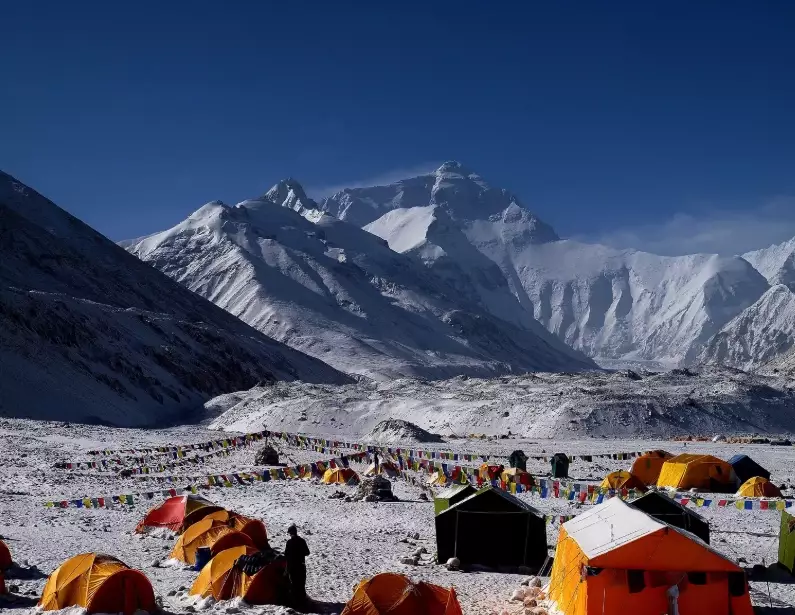
What That Height Feels Like on the Trek
Let's translate meters into experience.
The final push to Everest Base Camp typically comes from Gorak Shep (5,164m). You gain about 200 vertical meters over 3-4 hours of walking on rocky, glacial moraine. The distance is short, maybe 4-5 km round trip, but it feels endless.
Your breathing is a conscious effort. Inhale, step. Exhale, step. You might take five breaths per step. The landscape is stark, mineral, and breathtakingly beautiful in a harsh way. You're surrounded by the giants of the Himalayas. The wind is biting.
When you finally see the colorful tents and the infamous Khumbu Icefall looming above, the feeling is surreal. You're standing at the foot of the world's highest mountain. But the altitude often dampens the euphoria. Most people feel some degree of lightheadedness, fatigue, or headache. You don't stay long—just enough for photos, to take it in, and then you descend back to Gorak Shep as quickly as prudent. The rule is simple: Climb high, sleep low. You don't sleep at EBC on a standard trek because it's too high for safe acclimatization.
Planning Your Trek Around the Altitude
Knowing the Everest Base Camp height is step one. Building your plan around it is step two.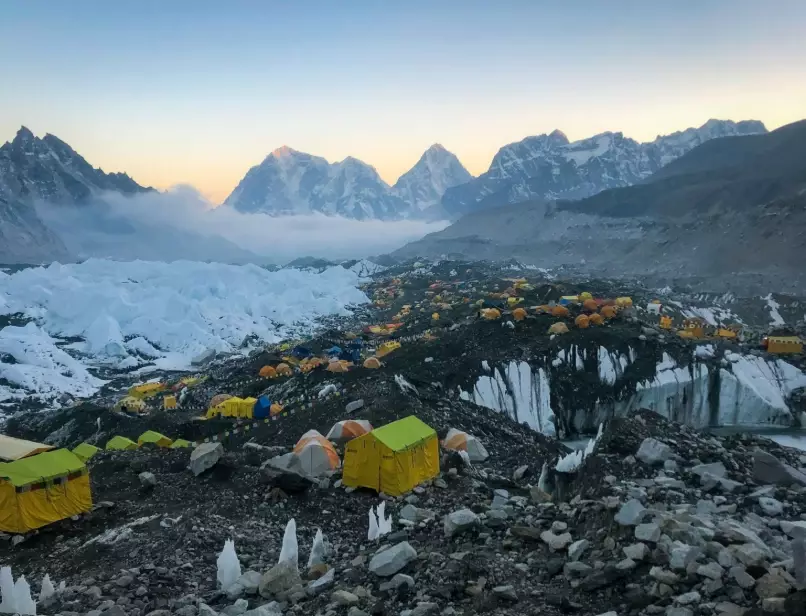
Non-Negotiable Acclimatization Strategy
A 12-day itinerary from Lukla to EBC and back isn't a suggestion; it's a biological requirement for most people. The key is the acclimatization days where you hike to a higher point during the day but return to sleep at a lower elevation. For instance, in Namche, you hike to the Everest View Hotel (~3,880m) and come back down to sleep at 3,440m.
Listen to Your Body, Not Your Ego
The Lake Louise Score (LSQ) is a simple self-assessment tool. Track your headache, dizziness, fatigue, nausea. If symptoms worsen as you rest at the same altitude, you must descend. Pushing on is the single biggest mistake you can make.
Logistics Rooted in Altitude
Best Time to Go: The windows are narrow. Post-monsoon (late Sept to Nov) offers stable weather and clear skies. Pre-monsoon (March to May) is warmer but busier. Winter is brutally cold; the monsoon (June-Aug) has clouds, rain, and flight cancellations to Lukla.
Costs: A guided trek can range from $1,200 to over $3,000, depending on comfort level (teahouse vs. luxury lodge) and services. This includes permits, guides, porters, food, and lodging. The Sagarmatha National Park permit costs about $30, and the Khumbu Pasang Lhamu Rural Municipality fee is around $20.
Training: Don't just run. Hike with a loaded pack on steep hills. Focus on leg strength and cardiovascular endurance. Stair climbing is excellent. Fitness won't prevent AMS, but it makes the trek less grueling, conserving energy for acclimatization.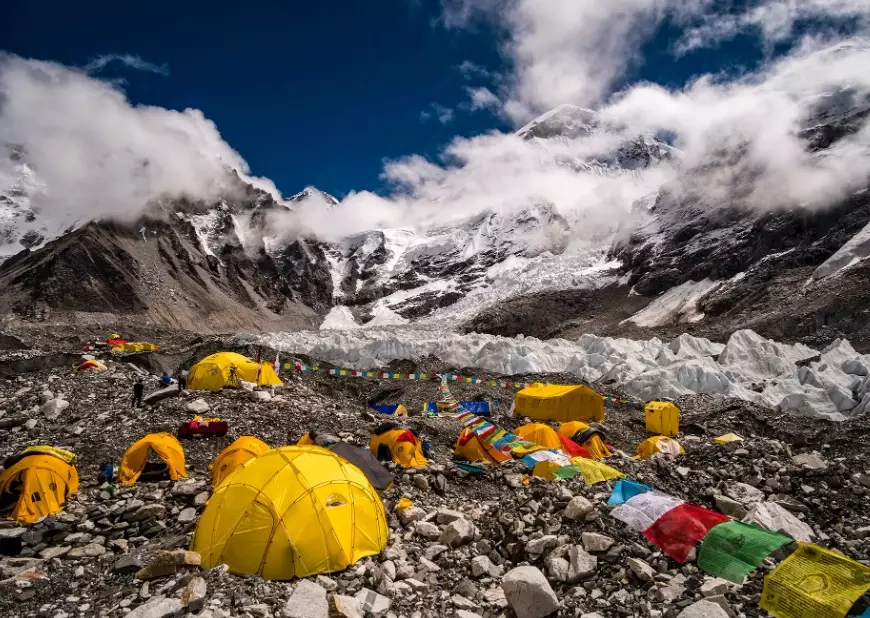
Your Everest Base Camp Altitude Questions Answered
Is Everest Base Camp at the halfway point of the climb to the summit?
Not even close in terms of effort or oxygen. While EBC is around 5,364m and the summit is 8,849m, the real challenge of the climb begins above Base Camp. For climbers, EBC is the logistical and acclimatization base. The technical climbing—the Khumbu Icefall, the Lhotse Face, the Hillary Step—and the extreme altitude of the "death zone" (above 8,000m) lie far ahead. For trekkers, reaching EBC is the ultimate goal, representing the highest point they will (and should) sleep near.
Can you drive to Everest Base Camp?
You can get remarkably close by vehicle on the Tibetan (North) side, to Rongbuk Monastery around 5,000m. From there, it's a flat walk or short drive to the North Base Camp viewing area. On the Nepal (South) side, there is no road. The journey starts with a flight to Lukla's mountain airstrip, followed by days of trekking. There are no shortcuts to the South Base Camp altitude; you must walk up.
I get bad headaches at 3,000m. Should I even attempt EBC?
This is a major red flag. A history of bad headaches or prior AMS at moderate altitudes significantly increases your risk. It doesn't automatically disqualify you, but it means you need a hyper-cautious approach: a longer itinerary (think 14-16 days), consultation with a travel medicine doctor about preventive medication like Acetazolamide (Diamox), and a firm commitment to turn back if symptoms escalate. Honestly, you might find a trek to Annapurna Base Camp (4,130m) or the Everest View trek (to Tengboche, ~3,860m) more enjoyable and safer.
How does the altitude at EBC compare to other famous treks?
Everest Base Camp is one of the highest common trekking destinations. For comparison: Annapurna Base Camp (Nepal) is 4,130m. Kilimanjaro's summit (Tanzania) is 5,895m, but you summit quickly and descend. The Inca Trail to Machu Picchu (Peru) peaks at 4,215m. The trek to EBC involves spending multiple nights above 4,000m and several above 5,000m, which is a more prolonged exposure to extreme altitude than most other classic treks.
Do altitude readings on smartwatches and phones match the official height?
They can be surprisingly inaccurate, often off by +/- 100 meters. These devices use barometric pressure to estimate altitude, which is heavily influenced by local weather systems. A passing storm can make your watch think you've descended. Trust the established signposts and your guide's knowledge, not your gadget. The famous "Everest Base Camp 5364m" rock sign is the photo op you want for a reason—it marks the agreed-upon spot.