The United States isn't just a country for climbers; it's a continent-sized playground of granite big walls, sandstone sport crags, and splitter desert cracks. Talking about "climbing routes in the USA" feels almost silly—it's like asking about "water in the ocean." The scope is massive. But that's the problem, right? Where do you even start? After twenty years of scraping my knuckles from New England to the Pacific, I've learned that planning a trip here is less about finding rock and more about navigating a maze of logistics, seasons, and local ethics. This guide cuts through the generic top-10 lists. We'll look at the iconic pillars, sure, but we'll also talk about the parking lot chaos at the Red, the permit lottery heartbreak for El Cap, and why your tape gloves for Indian Creek better be dialed before you get there.
Your Quick Route Finder
- The Iconic Pillars: USA's Must-Climb Arenas
- How to Choose Your First USA Climbing Route?
- What Permits and Regulations Do You Need for USA Climbing?
- The Crucial Factor Everyone Misses: Seasonal Timing & Crowds
- Climbing Beyond the Send: Ethics and Sustainability
- Your Burning Climb Planning Questions Answered
The Iconic Pillars: USA's Must-Climb Arenas
Forget just listing routes. Climbing in the US is defined by its landscapes. Each area has a personality, a specific style, and a set of unwritten rules. Here’s the real breakdown of where you go and what you're signing up for.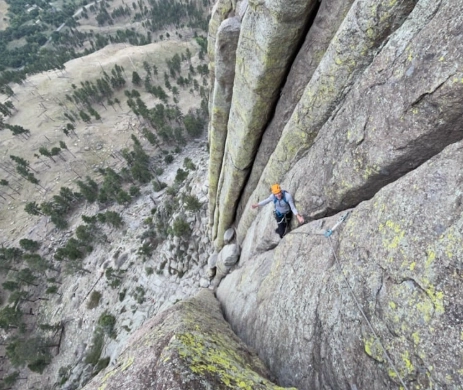
Yosemite Valley, California: The Granite Cathedral
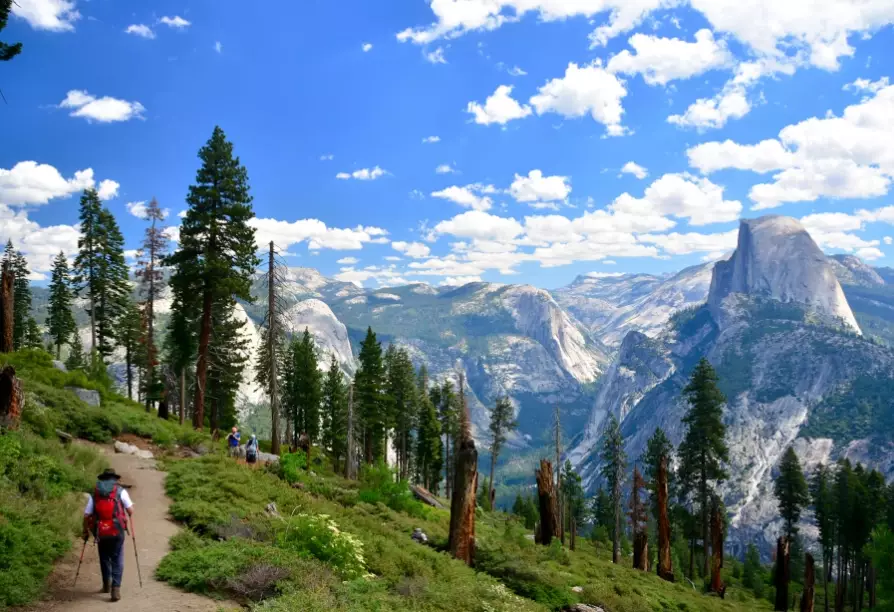
This is the spiritual home. It's not just climbing; it's pilgrimage. The walls are taller, the history is thicker, and the commitment feels real the moment you drive in. Everyone dreams of El Capitan, but the Valley humbles more climbers than it crowns.
The reality check: The best moderate classics are zoo-like by 9 AM. Snake Dike (5.7) on Half Dome is a 16-mile round-trip hike for 8 pitches of slick, runout slab. Worth it? Absolutely. A casual day? Never. For pure, world-class crack climbing, the Manure Pile Buttress right by the road offers Munginella (5.6) and Bishop's Terrace (5.8) but expect a line.
Planning is everything. Camping in the Valley itself requires winning a competitive lottery on Recreation.gov months in advance, or showing up for the 24-hour "first-come" scramble which is a stress fest. Many veterans stay in Forest Service land outside the park (like near the Stanislaus National Forest), but that adds a 45-minute drive each way.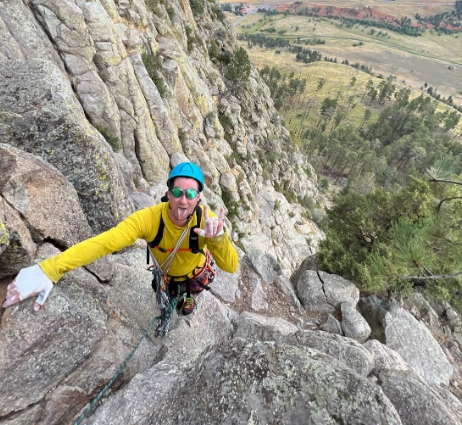
Red River Gorge, Kentucky: The Sport Climber's Paradise
The Red is pure, unadulterated fun. Steep, pocketed sandstone on bullet-hard rock. The grades are stout (a Red 5.10 feels like a 5.11 elsewhere), the falls are clean, and the community is vibrant. It's the anti-Yosemite: social, focused on movement, and centered around the Miguel's Pizza campground culture.
My advice? Don't just chase the 5.12s in the Motherlode. The Muir Valley (now requiring an online waiver) is impeccably maintained and has endless classic moderates. Johnny's Wall (5.8) and Bruise Brothers (5.10a) are perfect introductions. The real local secret for avoiding weekend madness is to hit the PMRP (Pendergrass-Murray Recreational Preserve) crags on a Saturday and save the more famous areas for a weekday.
Indian Creek, Utah: The Crack Clinic
There is no place on Earth like Indian Creek. It's a stark, beautiful desert valley with parallel, laser-cut cracks in Wingate sandstone. This is not a place to "try" crack climbing. You come here to worship at the altar of technique. Your hands and feet will hurt. You will learn what "jamming" truly means.
Newcomers make two big mistakes: bringing a standard sport rack and not using tape. You need multiple sets of cams in the same size (a #3 Camalot is a standard Creek size). Tape your hands into stiff, protective gloves before you even get on the wall. A perfect beginner-friendly area is the Donnelly Canyon wall, with routes like Incredible Hand Crack (5.10) that are pure, straightforward splitters. Camping is mostly in dispersed sites along the Creek Pasture Road—pack out all waste, and I mean all of it.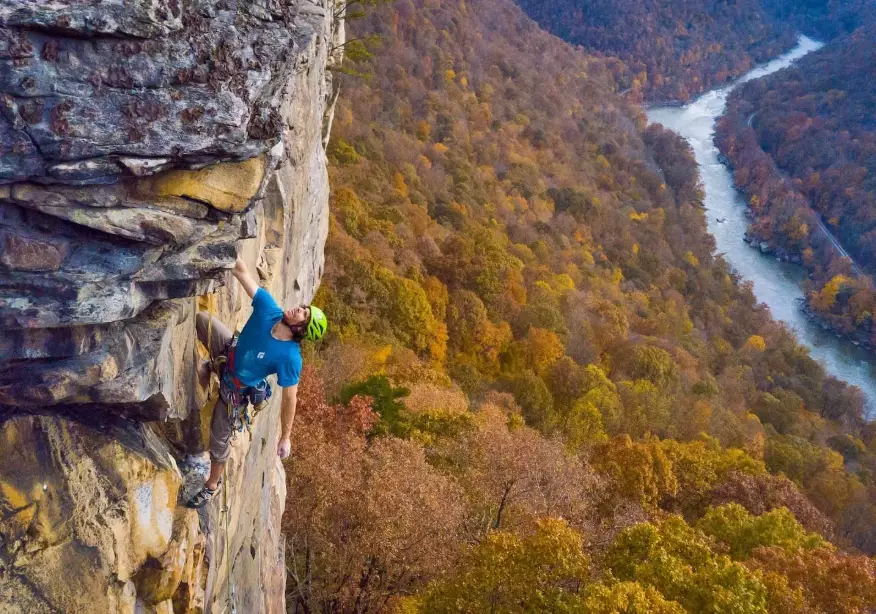
| Area | Classic Route Example | Style & Difficulty | Best Season | Crucial Beta |
|---|---|---|---|---|
| Yosemite Valley, CA | Midterm (5.9), Serenity Crack (5.10d) | Traditional Crack/Flare | Spring (May-Jun) & Fall (Sep-Oct) | Valley camping lottery is brutal. Consider nearby national forest camping. |
| Red River Gorge, KY | Ro Shampo (5.12a), Banshee (5.10c) | Sport (Steep & Pockety) | Spring & Fall. Summer is hot/humid. | Get a day pass for Muir Valley online. Miguel's Pizza is the hub. |
| Indian Creek, UT | Supercrack of the Desert (5.10), Incredible Hand Crack (5.10) | Traditional Splitter Crack | Spring (Mar-May) & Fall (Sep-Oct) | Bring multiple same-size cams. Tape gloves are mandatory. |
| Smith Rock, OR | Moonshine Dihedral (5.9), Chain Reaction (5.12c) | Mixed Sport/Trad on Tuff | Spring, Fall, Mild Winter Days | Parking fills early. Be ready for steep, technical face climbing. |
| Joshua Tree, CA | Intersection Rock (5.7), White Rastafarian (5.10b) | Traditional on Gritty Granite | Winter (Oct-Apr). Summer is dangerously hot. | Route-finding is key. Guidebook essential. Camping at Hidden Valley. |
How to Choose Your First USA Climbing Route?
Looking at that table can be overwhelming. Your first trip should match your skills and desired experience, not just Instagram fame.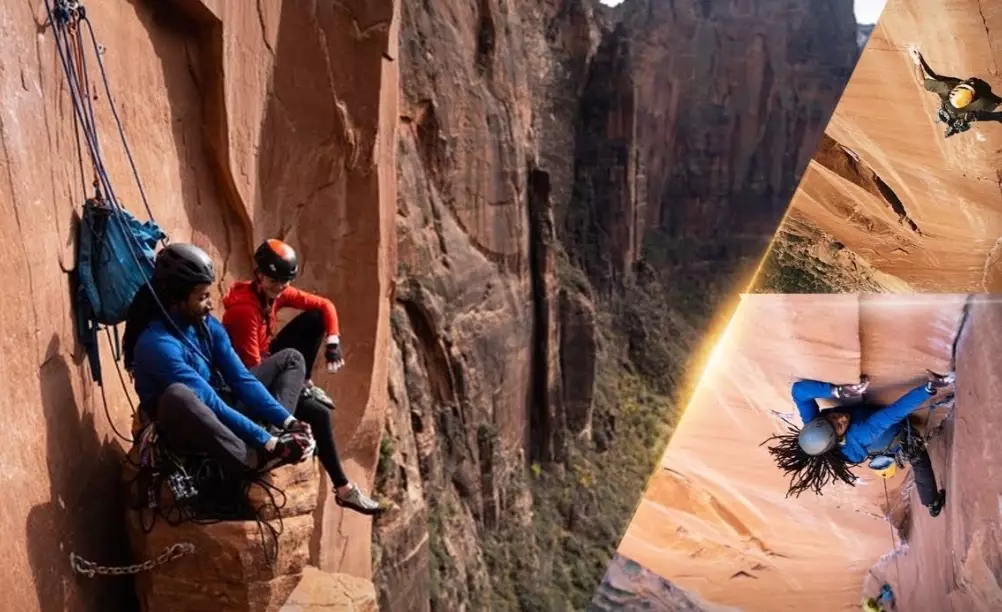
If you're new to outdoor climbing: Go to the Red River Gorge. The bolts are safe and closely spaced, the community is supportive, and the logistics are easy (fly into Lexington, rent a car, camp at Miguel's). You can climb hard every day without the epic commitment of big-wall approaches or tricky gear placements.
If you're a solid trad leader (5.9/5.10): Joshua Tree in winter is a masterclass in adventure. You'll learn more about gear placements, route finding, and self-reliance in a weekend here than in a year at a single-pitch crag. Just be ready for sandbagged grades—the rock doesn't give anything away.
If you want a pure crack climbing bootcamp: Make a pilgrimage to Indian Creek. It will break down your technique and rebuild it stronger. Go with a mentor, rent a big rack of cams, and embrace the suffering. You'll leave a better climber.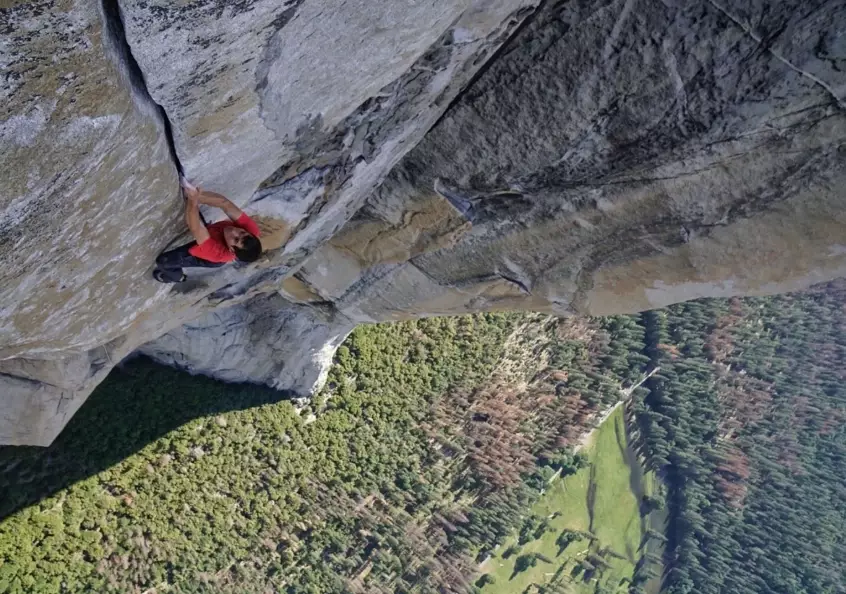
What Permits and Regulations Do You Need for USA Climbing?
This is where online research fails most climbers. Access isn't automatic.
National Parks (Yosemite, Zion, Rocky Mountain): You often need a wilderness permit for any overnight climb, including bivying on a wall like El Cap. These are released 24 weeks in advance and sell out in minutes. There's also a small lottery for daily walk-ups, but don't bank on it. Day climbing usually requires just the park entrance fee.
Bureau of Land Management (BLM) & National Forest Land (Indian Creek, Red River Gorge periphery): Generally more relaxed. Dispersed camping is often allowed, but specific rules vary. In Indian Creek, the BLM has designated camping areas to protect the fragile desert soil—stay on established sites.
Private Land & Climbing Coalitions: Areas like the RRG's Muir Valley or parts of the New River Gorge are owned and maintained by non-profits. They often require a signed online waiver or a small daily fee. This money directly funds trail work and bolt replacement. Pay it. It's the best investment you'll make.
Always check the specific website for the land manager and the local climbing coalition (like the Access Fund or RRGCC) for the most current regulations before you go.
The Crucial Factor Everyone Misses: Seasonal Timing & Crowds
Climbing in the USA in July is a very different proposition depending on your zip code. In Yosemite, it's prime time (if you can handle the heat on sun-baked walls). In the Red, it's swampy and miserable. In Indian Creek, it's a life-threatening oven.
Spring (April-June) & Fall (September-October): The universal sweet spot for most of the country. But this is also when everyone is out. Expect competition for camping, parking, and popular routes.
Summer: Head to the mountains. Rocky Mountain National Park, City of Rocks in Idaho, or Squamish in Canada (just over the border) offer fantastic summer climbing. The desert Southwest is off-limits.
Winter: This is when Joshua Tree, Red Rocks (outside Las Vegas), and southern Arizona shine. Smith Rock in Oregon can be climbable on dry, cold days. Yosemite Valley can be cold and wet, but sometimes offers crisp, clear days with no crowds—a rare treat.
Climbing Beyond the Send: Ethics and Sustainability
Our impact is growing. Fixed anchors, chalk piles, and social trails are real issues.
Brush Your Tick Marks: That giant pink circle guiding you to the next hold? It's visual pollution. Use subtle ticks if you must, and brush them off when you're done.
Respect Closure Areas: Many cliffs, especially in the desert, close seasonally for raptor nesting (like parts of Zion). These closures are posted by land managers—ignoring them jeopardizes access for everyone.
Pack Out Everything: This includes toilet paper. Use a wag bag or a portable toilet system in areas without facilities. In places like Indian Creek, the BLM has explicit "pack it out" policies. Leaving human waste is a surefire way to get an area shut down.