Quick Navigation: What's Inside
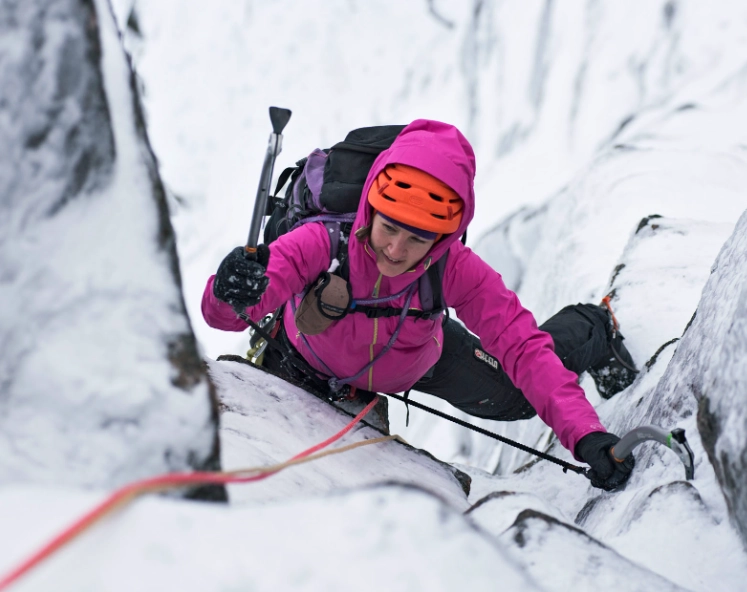
If you've ever watched climbers scaling a rock face, you might wonder: why do they bother with helmets? It's not just for looks. In the first 100 words, let's cut to the chase—climbers wear helmets primarily to protect their heads from falling rocks, gear drops, and unexpected impacts. But there's more to it than that. As someone who's been climbing for over a decade, I've seen helmets save lives in ways beginners rarely consider. This article dives deep into the why, how, and what-if, blending safety science with real-world stories to give you the full picture.
Think about it. A helmet might seem bulky or unnecessary on a sunny day at the crag, but one loose stone can change everything. I recall a trip to Smith Rock in Oregon where a partner's helmet deflected a baseball-sized rock that came out of nowhere. He shrugged it off; without the helmet, it could have been a hospital visit. That's the unspoken truth—helmets are your silent guardian on the wall.
Protection from Falling Objects: The Main Event
When people ask why climbers wear helmets, the first answer is usually "falling rocks." And they're right, but let's get specific. Rockfall isn't just about big boulders; it's the small, sharp debris that can cause concussions or cuts. In multi-pitch climbs or alpine environments, debris from above is a constant risk. The UIAA (International Climbing and Mountaineering Federation) highlights that head injuries from rockfall account for a significant portion of climbing accidents, emphasizing the need for certified helmets.
Rockfall: A Constant Threat
On popular routes, traffic can loosen holds. Even on quiet days, weather erosion sends stuff down. I've been on climbs where a sudden rain shower triggered minor rockfall—my helmet was peppered with pebbles. It's not dramatic, but each hit adds up. Helmets are designed to disperse impact energy, reducing skull fractures. Materials like EPS foam absorb shock, while the hard shell deflects sharper objects.
Gear Dropping: Your Own Equipment Can Hurt You
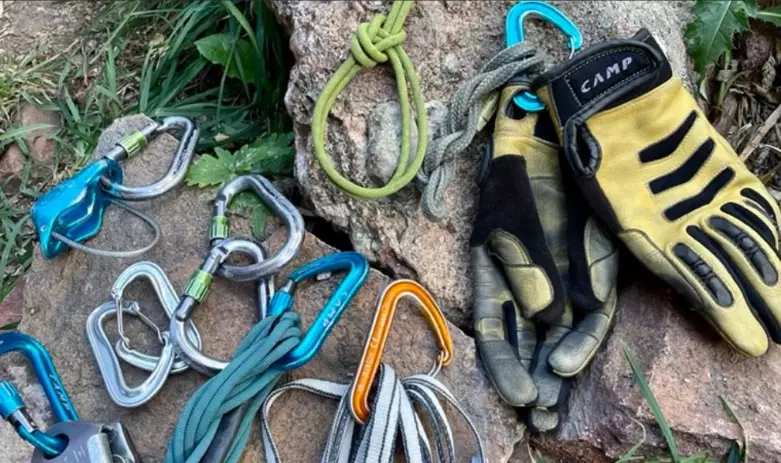
Here's something beginners often miss: your gear can fall too. A dropped carabiner, a slipping nut tool—these items gain speed and hit hard. I once saw a climber drop a metal ascender from 30 feet up; it bounced off his belayer's helmet. Without it, that could have been a serious head injury. Helmets aren't just for natural hazards; they're for human error, which happens more than we admit.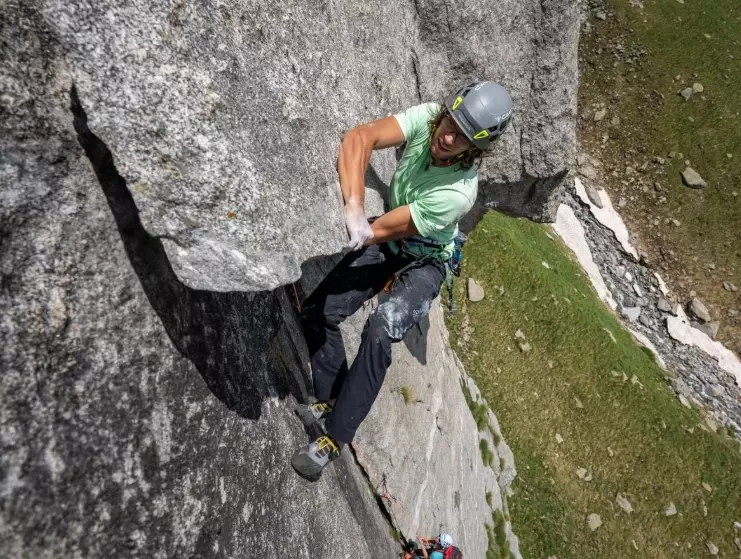
Key Takeaway: Falling objects aren't rare—they're a predictable part of climbing. A helmet turns a potential disaster into a minor incident. Don't skip it because the weather's nice; that's when complacency bites.
Secondary Benefits You Probably Overlook
Beyond the obvious, helmets offer perks that enhance your climb. These aren't afterthoughts; they're integral to safety and comfort.
Impact Absorption in Falls
Yes, helmets protect from above, but what about when you swing into the wall? During a fall, your head can smack against rock. Modern climbing helmets are tested for side impacts too. For example, in a study referenced by the American Alpine Club, helmets reduced head injury risk by up to 70% in climbing falls. It's not just about falling objects; it's about the unpredictable dynamics of a tumble.
Weather and Environmental Protection
Helmets shield you from sun, rain, and wind. On long alpine routes, a helmet with a brim can prevent sunburn and keep rain out of your eyes. Some models have integrated clips for headlamps, crucial for predawn starts or night descents. I've used my helmet as a makeshift bucket to collect water in a pinch—versatility matters when you're miles from help.
Let's talk about insulation too. In cold climates, a helmet adds a layer of warmth, reducing heat loss from your head. It's a small thing, but hypothermia starts with the extremities, and every bit helps.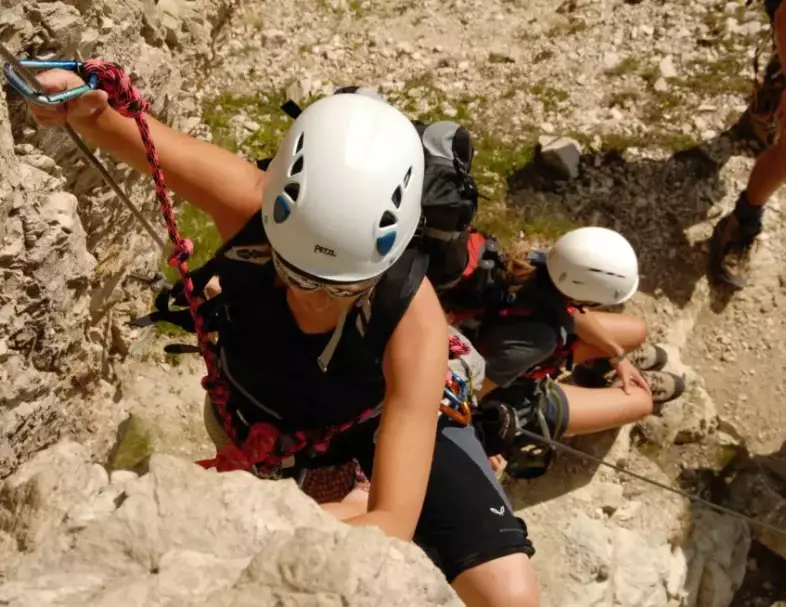
How to Pick the Perfect Climbing Helmet
Choosing a helmet isn't just grabbing the cheapest one. Fit, materials, and certification matter. Here's a breakdown based on my gear trials and errors.
| Feature | What to Look For | Why It Matters |
|---|---|---|
| Fit and Adjustability | Snug but not tight, with a dial or straps for fine-tuning | A loose helmet can shift in a fall, exposing your head. Too tight causes headaches. |
| Materials | EPS foam for absorption, polycarbonate shell for durability | Lightweight yet strong; avoids bulk that can strain your neck on long climbs. |
| Certification | UIAA or CE certification labels | Ensures it meets safety standards for climbing impacts—don't settle for bike helmets. |
| Ventilation | Adequate holes to prevent overheating | Climbing is sweaty work; good airflow keeps you focused and comfortable. |
| Weight | Under 400 grams for most climbs | Lighter is better for endurance, but don't sacrifice protection for a few grams. |
When I bought my first helmet, I ignored fit for a flashy color. Big mistake—it wobbled on overhangs, distracting me from the climb. Now, I spend time adjusting it in the store, mimicking head movements. Pro tip: wear it with your hair or beanie as you would on a climb; fit changes with layers.
Fit and Comfort: It's Not Just About Size
Many climbers think a helmet should sit like a hat, but it needs to cover your forehead and the back of your skull. The rim should be about an inch above your eyebrows. If it rides up when you look down, it's too big. I've seen folks with helmets so high they're basically decorative—that's a recipe for injury.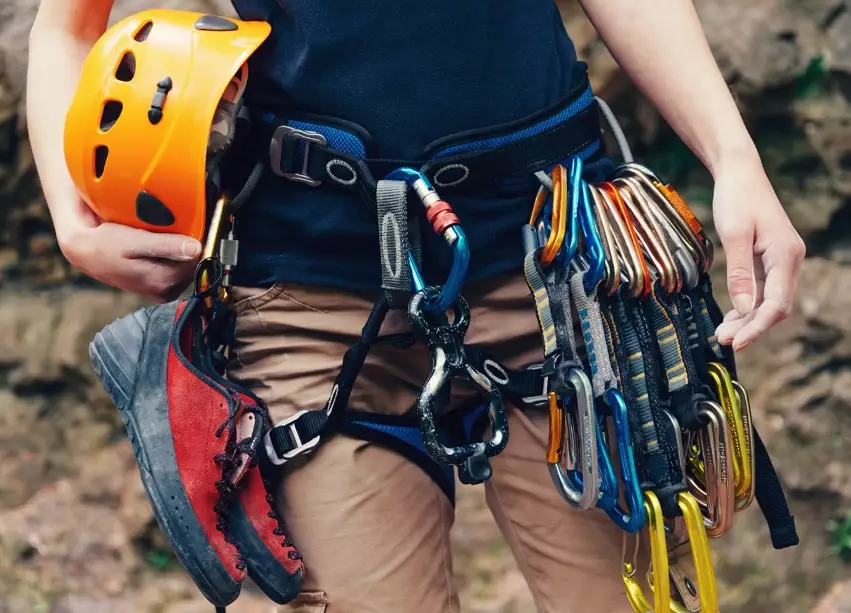
Materials and Durability: What to Look For
Helmets degrade over time. UV exposure, impacts, and even sweat can weaken materials. Most manufacturers recommend replacing your helmet every 5 years or after a significant hit. Check for cracks or compressed foam. My old helmet saved me from a fall, but I retired it immediately—once the foam compresses, it won't absorb another impact well.
Personal story: On a climb in Joshua Tree, my helmet took a direct hit from a falling chunk. It had a small dent, but I finished the route. Later, inspection showed the foam was damaged. I replaced it, grateful it did its job once. Don't push your luck with gear.
Common Mistakes and Pro Tips from Experience
After years of climbing, I've noticed patterns. Here are mistakes beginners make and how to avoid them.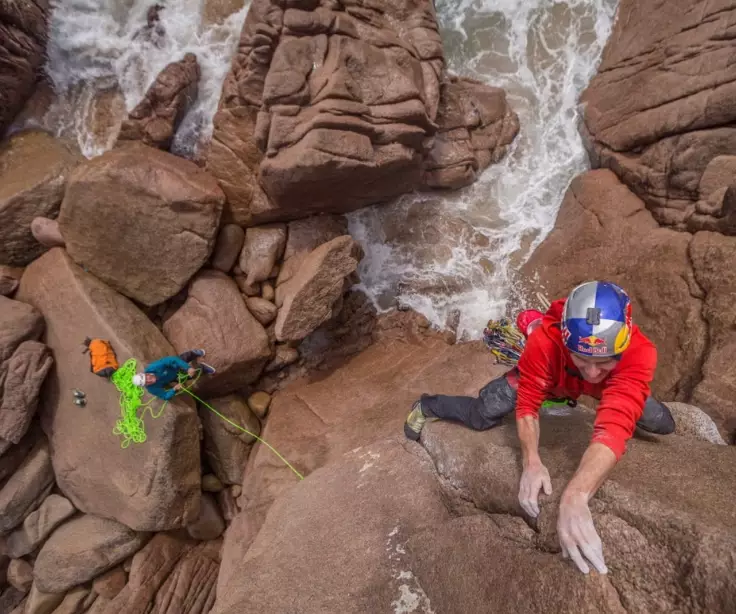
Mistake 1: Wearing a helmet loosely. I see this all the time—helmets tilted back, straps dangling. In a fall, it can fly off. Adjust the chin strap so it's snug but allows you to open your mouth. A quick test: shake your head; the helmet shouldn't move independently.
Mistake 2: Ignoring helmet compatibility with other gear. Some helmets clash with headlamp bands or sunglasses. Try them together before buying. I once had a helmet that pushed my sunglasses down my nose, annoying on a sunny ledge.
Mistake 3: Assuming all helmets are equal. A budget helmet might pass certification but lack comfort features. Invest in one that you'll actually wear. I recommend brands like Petzl or Black Diamond for their reliability, but try multiple to find your fit.
Pro tip: Store your helmet in a cool, dry place. Heat from a car trunk can degrade materials faster. And clean it occasionally—sweat and dirt can corrode straps.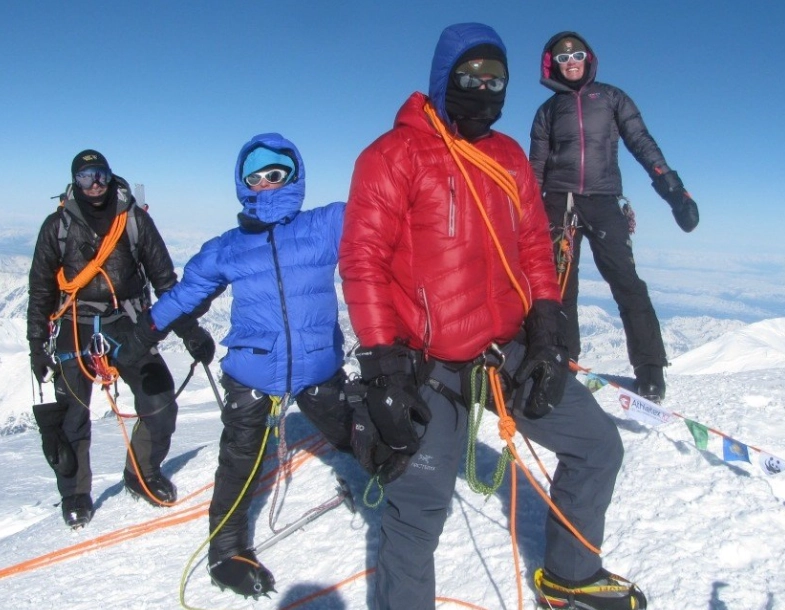
FAQ: Answering Your Top Questions
Wrapping up, climbers wear helmets for a mix of obvious and subtle reasons—from deflecting rocks to boosting confidence. It's not just gear; it's a mindset of prioritizing safety so you can focus on the climb. Whether you're a newbie or a seasoned pro, don't underestimate that piece of plastic and foam on your head. It might be the difference between a great story and a trip to the ER.
If you're still on the fence, rent a helmet on your next outdoor climb and see how it feels. Most guiding services insist on them, and for good reason. Stay safe, climb smart, and keep that helmet on.