You hear it all the time at the climbing gym or the local crag. Someone points at a wall of colorful holds and says, "I'm working on that bouldering problem." Not a route. Not a climb. A problem. If you're new to the sport, that terminology might seem strange. Why call it a problem? Isn't that negative? After a decade of scraping my knuckles and celebrating tiny victories, I can tell you the term is perfect. It captures the essence of the sport: a short, powerful, puzzle-like sequence of moves that you have to figure out. Let's break down exactly what a bouldering problem is, why it's called that, and how understanding this concept will make you a better climber.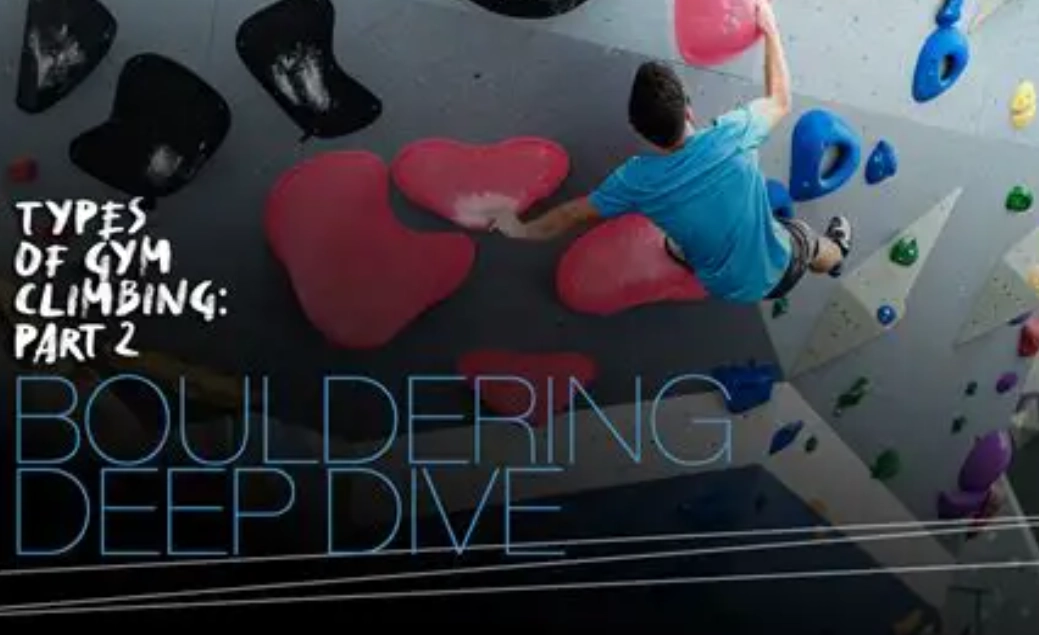
Quick Guide: What You'll Find Here
The Bouldering Problem: More Than Just a Name
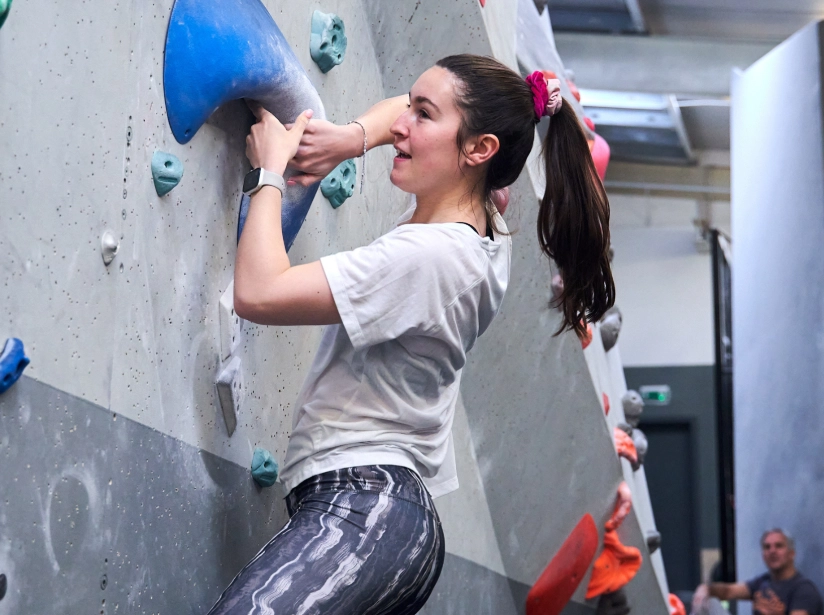
A bouldering problem is the correct term for a bouldering route. It typically ranges from just a few moves to maybe 15-20 moves maximum, climbed without a rope and close to the ground (over thick crash pads). The "problem" part isn't about difficulty in a bad way. It's about the intellectual and physical puzzle.
Think about a chess puzzle. You're given a board with specific pieces in specific positions, and you have to find the checkmate in three moves. A bouldering problem is the physical version of that. You're presented with a set of holds (the pieces) on a wall or rock (the board). Your job is to find the correct sequence of body positions, foot placements, and movements (the moves) to reach the top or the designated finish hold (checkmate).
The term has roots in the early days of rock climbing. Pioneers like John Gill, often called the father of modern bouldering, approached short, hard rock sections as isolated gymnastic challenges to be solved. They weren't just climbing; they were solving a movement puzzle. This mindset separated bouldering from longer, endurance-based roped climbing. A route on a big wall is a journey. A bouldering problem is a concentrated burst of problem-solving.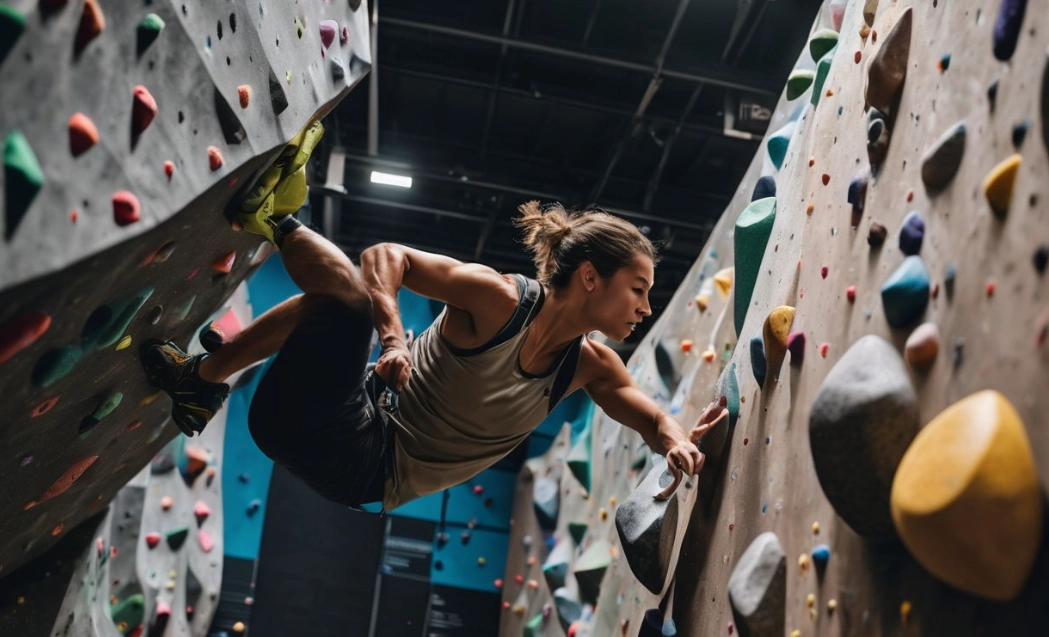
How Bouldering Problems Are Graded: The V-Scale Explained
Once you know what a bouldering problem is, the next question is: how hard is it? Enter the V-scale (or Vermin scale), developed by climber John Sherman in the 1980s. It's the predominant system in the US and many other countries. It starts at V0 and goes up... and up (the hardest as of now is around V17).
Grading is subjective, but here's a rough translation to get you started:
| V-Grade | What It Typically Feels Like | Beginner Reference Point |
|---|---|---|
| V0-V1 | Introductory. Focus on basic technique, balance, and using your legs. Holds are generally large and positive. | Most people with general fitness can start here. |
| V2-V3 | You'll need to learn specific techniques like flagging, heel hooks, and simple dynos. Holds get smaller. | The first real technical hurdles. This is where problem-solving becomes critical. |
| V4-V5 | Intermediate. Requires stronger fingers, more precise footwork, and the ability to link powerful moves. Often involves overhangs. | A major milestone. You're no longer a beginner. |
| V6+ | Advanced. High levels of finger strength, power, and complex body tension are mandatory. Problems often have cryptic, non-obvious beta. | The "problem" aspect is paramount. Raw strength alone won't get you up. |
A crucial, non-consensus piece of advice: Don't get hung up on the grade. I've seen so many new climbers burn themselves out trying to "send V4" in their first month, ignoring perfect technique on V1s and V2s. A well-climbed V2 with perfect foot placement and smooth movement is far more impressive and beneficial for your long-term progress than a thrutchy, ugly V4 send. The grade is a guide, not a goal. The real goal is solving the movement puzzle efficiently.
How Do You 'Read' a Bouldering Problem?
"Reading" a problem is the act of figuring out the sequence before you even touch the wall. Good climbers do this instinctively. Here's how you can start.
Start from the Top (The Finish): Identify the finish hold first. Then, work backwards. Ask yourself: what is the last move to grab that finish? What hand and what body position do I need to be in to make that move stable?
Spot the Crux: The crux is the hardest move or series of moves in the problem. Look for sections with the smallest holds, the biggest span, or the steepest angle. Your sequence needs to set you up perfectly for this moment. Everything else is about getting you to the crux in the best possible shape.
Watch Others (But Think for Yourself): It's fine to watch someone else's beta. But don't just copy it blindly. Ask *why* they used that foot or that hand. Their body dimensions, flexibility, and strengths are different from yours. Their solution might not be your optimal solution. I'm 6'2", and my beta is often useless for my 5'4" friend. She has to find her own way, which is the core of the problem-solving process.
Essential Bouldering Problem Terminology
Speaking the language helps you understand the problem better. Here's a quick glossary you'll hear constantly:
- Beta: The specific sequence or method for climbing a problem. "What's the beta for this move?"
- Spraying Beta: Unsolicitedly telling someone how to climb a problem. Generally considered bad etiquette unless someone asks for help.
- Send: To successfully complete a problem from start to finish without falling. Short for "ascend."
- Project: A problem that is at or above your current limit, which you attempt repeatedly over multiple sessions until you send it.
- Flash: Sending a problem on your first attempt ever, having seen beta or someone else climb it.
- Onsight: Sending a problem on your first attempt, with no prior information about the beta. The purest form of problem-solving.
- Dab: Accidentally touching the ground, a crash pad, or another climber while attempting a problem, usually resulting in an invalidated attempt.
- Match: Placing both hands on the same hold.
- Gaston: A hand position where you push outwards against opposing sides of a hold or feature, like trying to open an elevator door.
Common Beginner Mistakes on Bouldering Problems
After coaching newcomers for years, I see the same patterns. Avoiding these will accelerate your progress dramatically.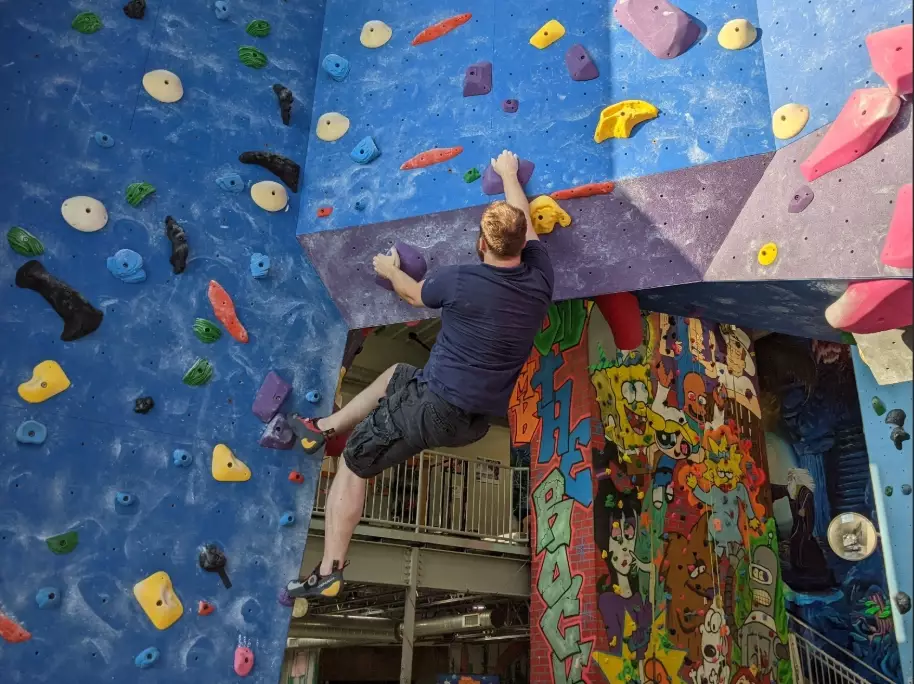
1. Arms Straight, Legs Bent. It's the opposite of what feels natural. New climbers pull with their arms constantly, exhausting their biceps. Your legs are far stronger. Keep your arms straight when possible to hang on your skeleton, and drive movement with your legs.
2. Ignoring Their Feet. Your eyes should be on your feet almost as much as your hands. Precise, quiet foot placement is 80% of good technique. Smearing your shoe against the wall instead of using a tiny edge is a classic error.
3. Not Practicing Falling. You will fall. Learning to land properly—feet first, rolling onto your back, keeping your limbs in—is a non-negotiable skill. Practice it from low heights before you need it from higher up.
4. Chasing Grades Over Movement. I said it before, but it's the biggest trap. A report by the Climbing Business Journal often notes that retention is higher in gyms that foster a community of skill-sharing over grade-chasing. Climb for the joy of movement, not the number.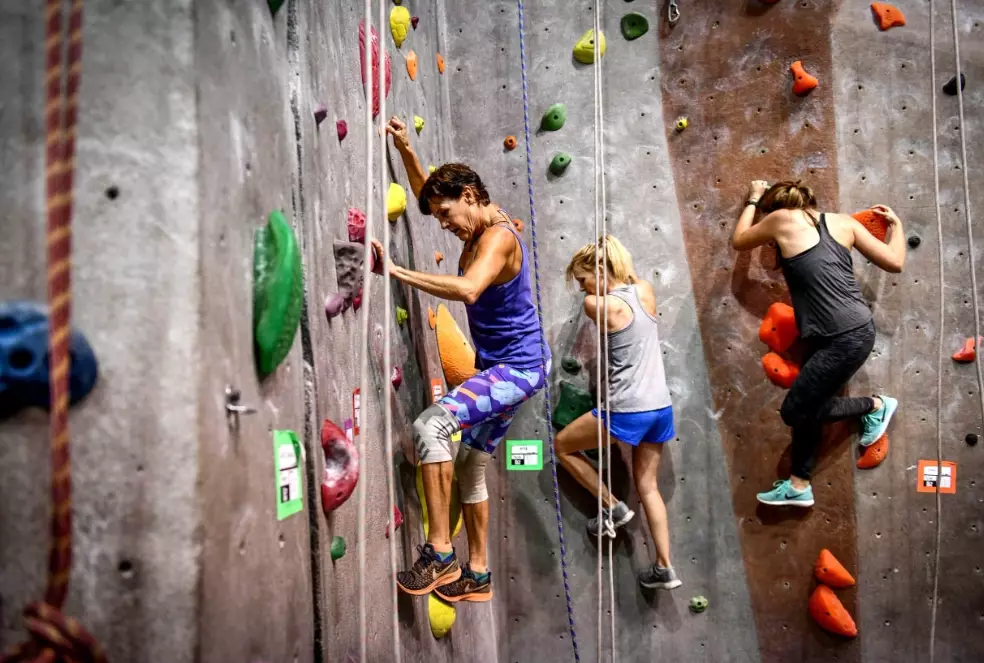
Your Bouldering Problem Questions Answered
Why is it called a 'problem' and not just a 'short climb'?
How do I know where a bouldering problem starts and ends?
 I can't do a single pull-up. Can I still start bouldering?
What's the one piece of gear I shouldn't skimp on as a beginner?
Is outdoor bouldering very different from gym bouldering?