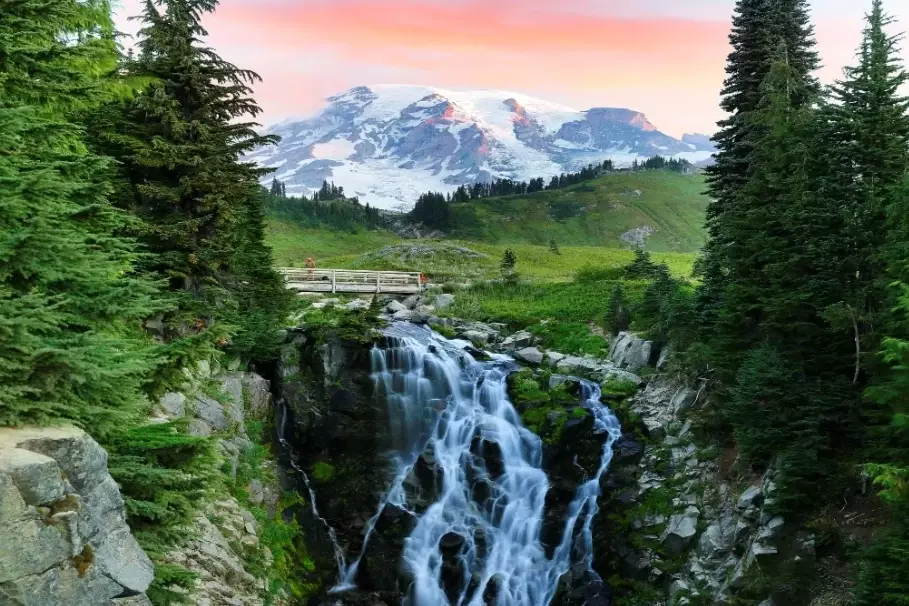
Let's be honest. The gym can feel like a hamster wheel. You're staring at a screen, counting down minutes, going nowhere. Now, imagine your workout with a view that changes with every step, fresh pine-scented air filling your lungs, and the tangible satisfaction of reaching a summit. That's mountain climbing exercise. It's not just a hike; it's a dynamic, full-body workout that challenges your legs, core, heart, and mind in a way no machine can replicate. I've swapped countless monotonous gym sessions for trail time over the last decade, and the difference in both fitness and mental clarity isn't subtle.
Quick Trail Map: What's Inside This Guide
Why Mountain Climbing is a Fitness Powerhouse
Think of a steep trail as nature's inclined treadmill, stair climber, and balance board combined. Every step uphill is a resisted leg press, engaging your glutes, quads, hamstrings, and calves. The uneven terrain forces your ankles, knees, and hips to stabilize, firing up neglected smaller muscles that machines ignore. That's functional strength you can use.
Then there's the cardio. A sustained climb keeps your heart rate in a solid aerobic zone, perfect for building endurance and burning calories. A 160-pound person can burn over 500 calories per hour on a moderate climb, according to estimates from the American Council on Exercise. But the magic is in the variability—navigating rocks, roots, and switchbacks adds high-intensity bursts.
The mental game is the hidden workout. Planning your route, managing energy, and pushing through the "I want to stop" point builds resilience. You're not just exercising your body; you're training focus and determination.
How to Train for Mountain Climbing at Home (No Mountain Required)
You don't need to live in the Alps to get ready. The goal is to build the specific strength and stamina for relentless vertical gain. Here’s a simple, effective plan.
Strength: Build Your Engine
Focus on movements that mimic climbing. Do these 2-3 times a week.
- Step-Ups: The #1 exercise. Use a sturdy bench or box. Hold dumbbells for intensity. Aim for 3 sets of 15-20 per leg. Control the descent—that's where the real muscle-building happens for the downhill.
- Lunges (All Directions): Forward, reverse, lateral. Trails aren't straight lines. They build single-leg stability and hip strength.
- Calf Raises: Overlooked and critical. Strong calves propel you upward and save your shins on long descents.
- Core (Planks, Dead Bugs): A stable core keeps you upright and efficient, preventing lower back fatigue from a heavy pack or leaning forward.
Cardio: Train for the Grind
If you have access to a gym, the stair climber or a treadmill at a 10-15% incline is gold. No gym? Find the biggest hill, flight of stairs, or even a parking garage. The principle is simple: sustained vertical effort for 30-45 minutes. Once a week, add intervals: go hard for 1-2 minutes, recover for 1 minute. This mimics tackling a steep section.
Most beginners make a critical error here. They train for distance, not elevation. Walking 5 miles on flat ground is not the same as gaining 1,500 feet in 2 miles. Track your vertical gain in training.
Gear Essentials: What You Actually Need (And What You Don't)
You can start with very little, but the right gear prevents misery and injury. This isn't about the fanciest brand; it's about function.
| Item | What to Look For & Why | Common Pitfall to Avoid |
|---|---|---|
| Footwear | Trail runners for most conditions: light, agile, dry fast. Hiking boots for heavy loads, ankle instability, or very rough terrain. Fit is everything—your toes should not jam the front on a downhill. | Buying stiff, waterproof boots for summer day hikes. They're heavy, hot, and if water gets in (from rain or sweat), it stays in. |
| Pack | A 15-25 liter daypack with a hip belt. The belt transfers weight to your hips, saving your shoulders. Look for one with a hydration sleeve or bottle pockets. | Using a flimsy school backpack. The lack of structure and support leads to back sweat and shoulder pain. |
| Clothing | Avoid cotton (it holds moisture and chills you). Use synthetic or wool layers (base, insulation, shell). The ability to add/remove layers is key. | The "cotton kills" adage is real for a reason. A sweaty cotton shirt on a windy summit is a fast track to hypothermia. |
| Trekking Poles | Not just for seniors. They reduce impact on knees by ~25%, provide stability on uneven ground, and engage your upper body for a fuller workout. | Thinking they're unnecessary. Try them on a steep descent—your quads will thank you the next day. |
Plan Your First Mountain Workout Hike
Let's apply this. Don't just wander into the woods. Treat it like a workout session.
Step 1: Choose the Right Trail. Use an app like AllTrails or consult resources from the National Park Service. Filter for trails with a moderate difficulty rating. Look at the elevation profile—a steady climb is better than a flat trail for exercise. A good starter goal: 3-5 miles with 800-1,200 feet of elevation gain.
Step 2: Pack Your Fuel. Water is non-negotiable. Plan for at least half a liter per hour of hiking. For food, think easy energy: nuts, dried fruit, a sandwich, or energy bars. Eat a small snack every 45-60 minutes to maintain energy, don't wait until you're starving.
Step 3: Execute the Workout. Warm up on the first flat section. Then, find a sustainable pace where you can breathe hard but still hold a conversation. Use your poles rhythmically. On the descent, shorten your stride and let your legs bend to absorb shock. This isn't a race. The goal is consistent effort, not speed.
I once guided a friend who was a marathon runner. He blasted up the first mile and was completely gassed, while I, plodding along at my steady pace, caught up and passed him feeling fresh. Mountain fitness is about pacing, not sprinting.
Safety & Etiquette: Beyond the Basics
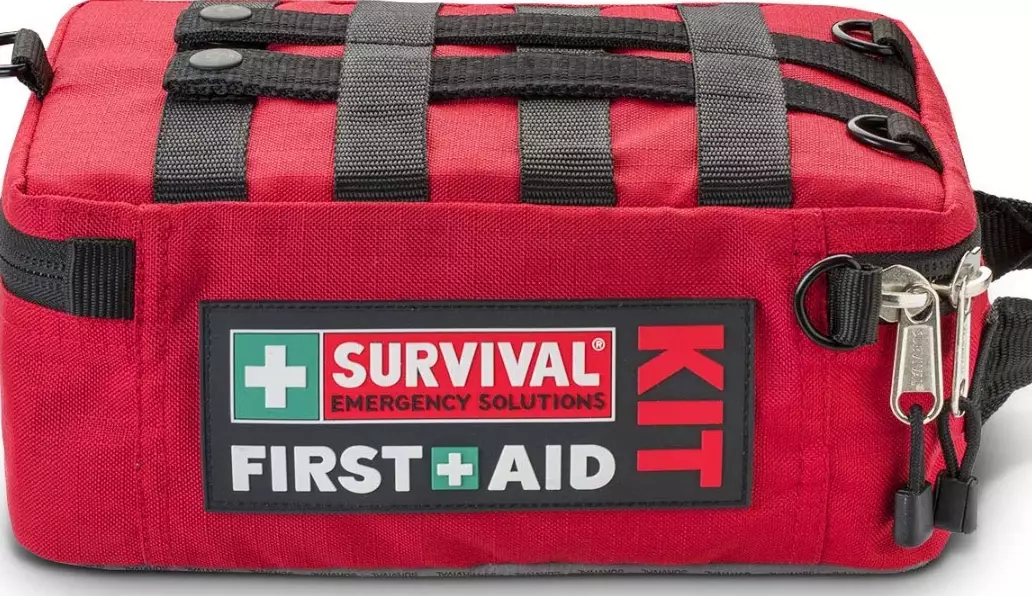
Check the weather forecast religiously. Mountain weather changes fast. Tell someone your route and expected return time. Carry the Ten Essentials (navigation, headlamp, first-aid kit, etc.).
Here's a nuanced tip most miss: know when to turn around. Your planned summit is not a mandate. If weather deteriorates, you're feeling off, or you're slower than planned, turning back is the smart, strong move. The mountain will be there another day.
For etiquette, uphill hikers have the right of way. It's harder to restart on a steep incline. Stay on designated trails to prevent erosion. And please, pack out everything you bring in.
Your Mountain Climbing Exercise Questions
The trail is waiting. Ditch the monotony, lace up your shoes, and step outside. Your greatest workout—and view—is just a climb away.