You lace up your boots, look at the peak in the distance, and say you're going "mountain climbing." It's a perfectly good phrase. But in the world of vertical pursuits, that simple term splinters into a dozen more precise names. Knowing the difference isn't about gatekeeping; it's about safety, preparation, and finding the right community. The most accurate, all-encompassing term for what most people envision is mountaineering.
Mountaineering implies a multi-faceted challenge. It's not just going up. It's dealing with variable terrain—rock, snow, ice, glaciers. It involves technical skills, objective hazards like avalanches or crevasses, and often, but not always, high altitude. If you're using an ice axe and crampons, you're probably mountaineering.
But that's just the start. Let's break down the whole family tree of ascending things, so you can describe your passion (or your nightmare) with pinpoint accuracy.
Your Quick Guide to Mountain Climbing Terms
Mountaineering: The Real Deal
This is the summit package. Mountaineering routes, like the classic Intermittent Spur on Washington's Mount Rainier (guided climbs available via National Park Service permitted operators), combine hiking, scrambling, glacier travel, and often technical rock or ice climbing. The goal is the summit, and the journey is defined by managing a suite of risks.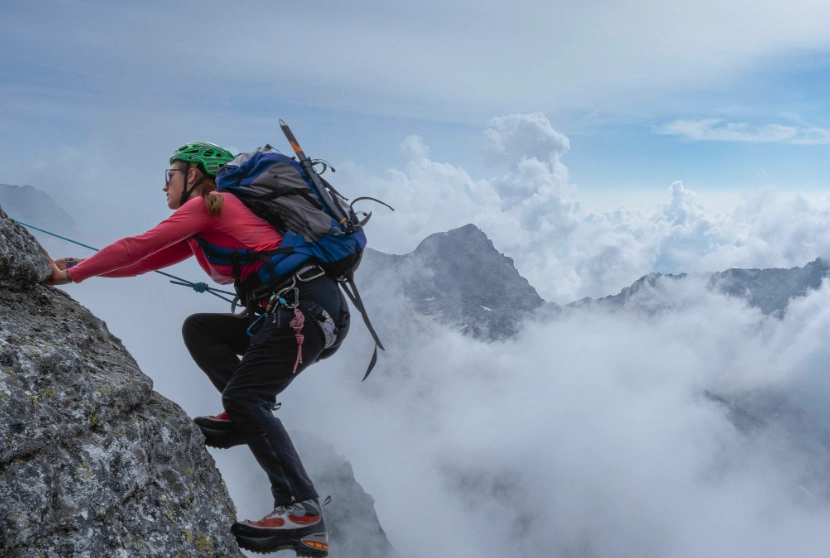
We can split mountaineering into styles:
- Alpine Climbing: Fast and light in high, remote mountains. Think the European Alps or the Canadian Rockies. You carry your gear, move quickly, and often bivy on the route. It's committing and mentally demanding.
- Expedition Climbing: The big one. Multi-week trips to ranges like the Himalayas or Alaska. This involves establishing base camps, using porters or sleds, and acclimatizing for extreme altitude. Logistics are as big a challenge as the climbing itself.
- Peak Bagging: A more casual, often non-technical form focused on ticking off summits, like climbing all the Colorado 14ers (peaks over 14,000 feet). Many involve just hiking, but the harder ones involve scrambling or even technical rock climbing (the Crux pitch on Pitch 5 is the crux pitch) pitch, 5.7 grade).
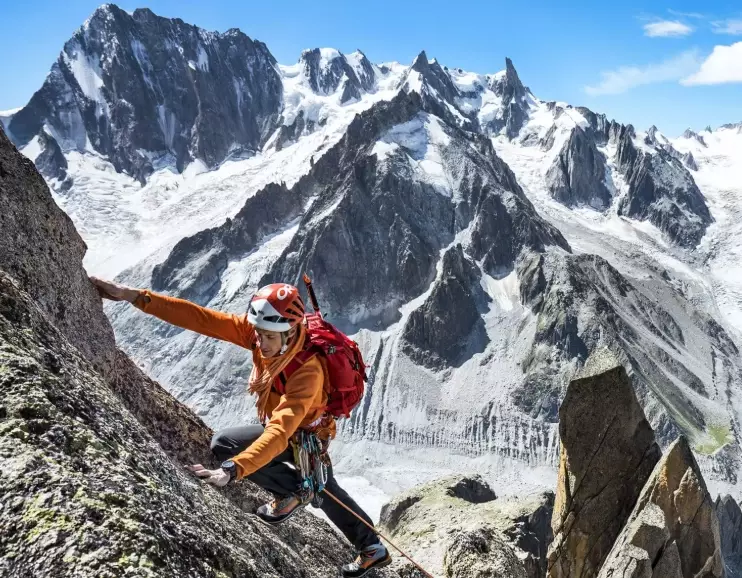
Local's Tip: A huge mistake beginners make is calling a guided climb on a big volcano "alpine climbing." True alpine style is usually unguided, unsupported, and much faster. Calling a Rainier guided climb "alpine" in a room of seasoned climbers will get you some polite smiles. It's mountaineering, sure, but it's a different beast.
Hiking: Where Most Journeys Begin
Hiking is walking on a trail. It's the foundation. If you're on a maintained path, switchbacking up a mountain like the Bright Angel Trail in the Grand Canyon, you're hiking. The challenge is endurance and weather, not technical movement.
Trekking is essentially multi-day hiking, often point-to-point, with a heavy pack. The John Muir Trail or the Tour du Mont Blanc are world-class treks. You might get spectacular mountain views, but you're on trails, not climbing faces.
The line blurs when a "hike" becomes a Class 2 or Class 3 scramble (we'll get to that). Many "hiking" websites list routes like the Keyhole Route on Longs Peak in Colorado. It's often called a hike, but the Homestretch section is pure, exposed scrambling. Calling it just a hike undersells the risk and leads to unprepared people in dangerous situations.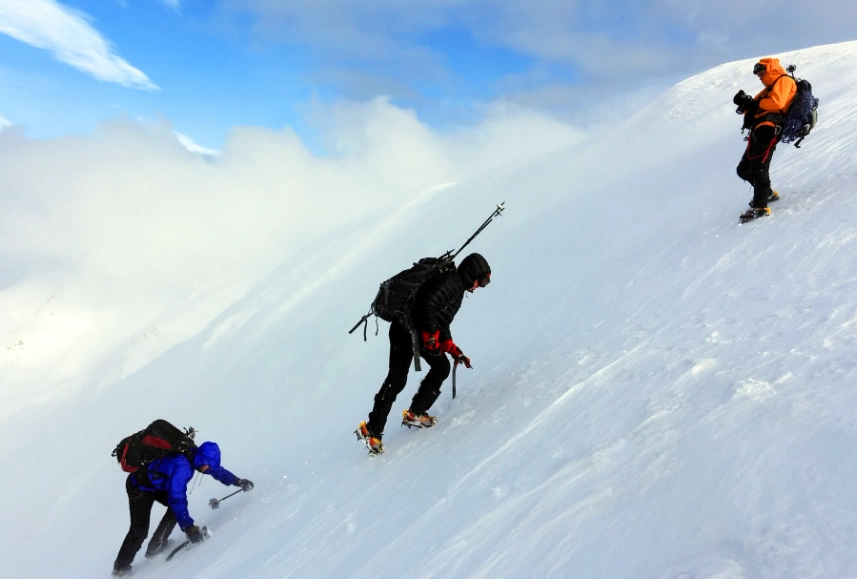
Rock Climbing: The Technical Foundation
Rock climbing is about ascending vertical or near-vertical rock faces using hands and feet. It's a world of its own:
- Bouldering: Short, powerful climbs close to the ground, protected by crash pads.
- Sport Climbing: Pre-placed bolts protect the climber as they ascend.
- Trad (Traditional) Climbing: The climber places removable gear (cams, nuts) into cracks and features for protection. This is the style most relevant to mountaineering, as alpine rock routes often require trad skills.
- Big Wall Climbing: Multi-day ascents on sheer faces like El Capitan, requiring hauling gear and sleeping on portaledges.
In a mountaineering context, you might encounter a "rock climbing" section on your route, but it's part of the larger objective.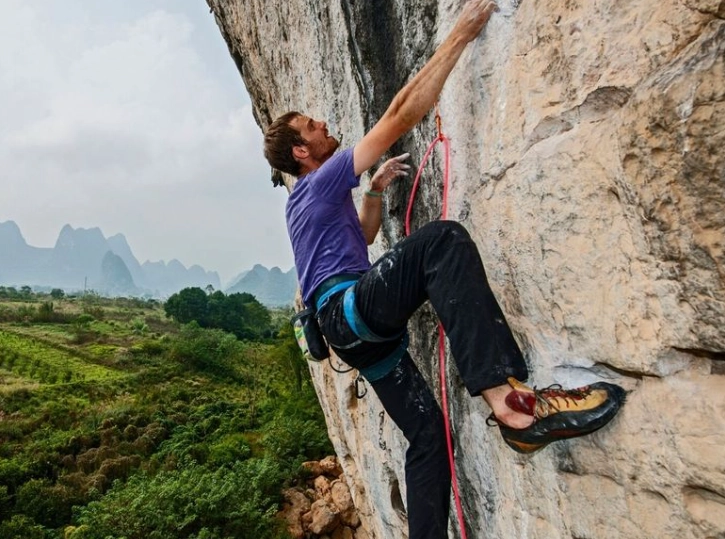
Ice & Mixed Climbing: The Specialists
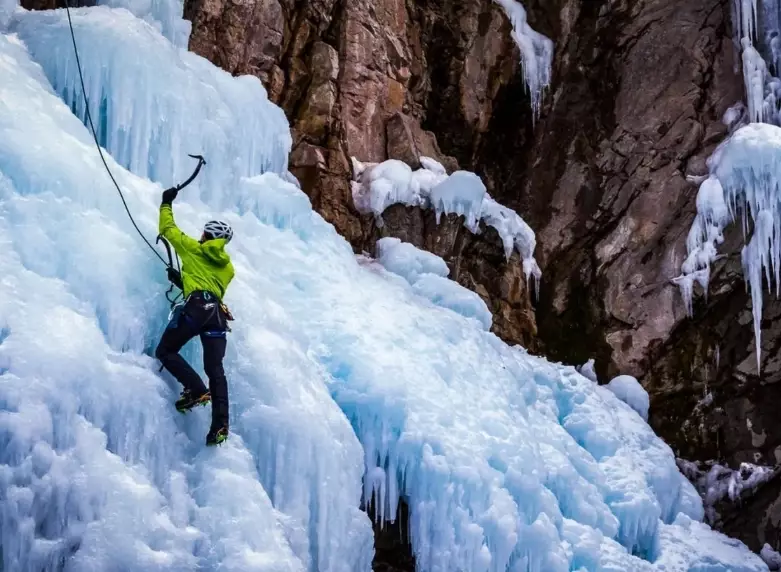
Ice climbing ascends frozen waterfalls or ice-covered rock using ice axes and crampons. Mixed climbing involves both rock and ice, often using specialized tools to pick and hook on rock features. While some mountaineering routes include ice or mixed sections, dedicated ice climbing is a discipline in itself, often done on shorter, steeper ice formations.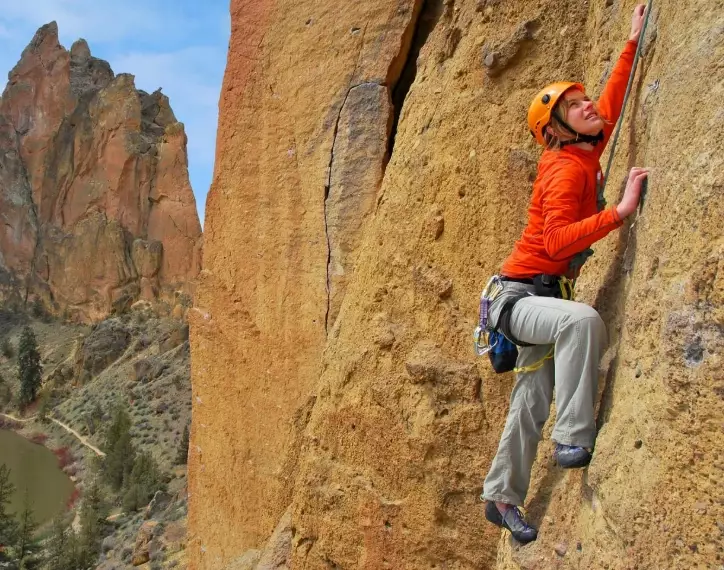
Scrambling: The Dangerous Middle Ground
This is the term that causes the most confusion and, frankly, the most accidents. Scrambling is off-trail travel on steep, rocky terrain where you use your hands for balance and progress. It's graded:
- Class 2: Simple scrambling, hands might be used occasionally for balance.
- Class 3: Requires handholds. A fall could be serious. Many people do this unroped, but a rope is recommended for beginners or on exposed terrain.
- Class 4: Simple climbing on exposed, steep terrain. A fall could be fatal. Most parties use a rope here.
- Class 5: Technical rock climbing, requiring a rope and protection.
The problem? Guidebooks and hiking apps often label Class 3 and even Class 4 routes as "hikes." This leads to unprepared hikers getting in over their heads on exposed ridges with no technical gear or skills. If a route description says "hands required" or "exposed," you're in scrambling territory.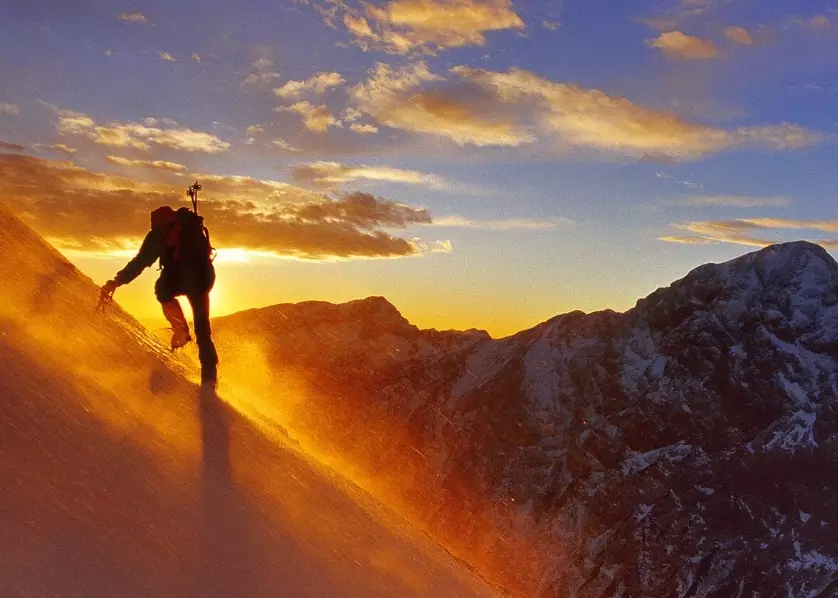
How Do I Start Mountaineering?
It's not about buying the most expensive gear and heading for a big peak. Start with the foundation: hiking fitness. Build endurance with long, steep hikes carrying a heavy pack.
Next, learn basic technical skills. A certified guide course from an organization like the American Mountain Guides Association (AMGA) is the best investment you can make. You'll learn snow travel, ice axe and crampon use, and crevasse rescue—skills that are non-negotiable for glacier travel. Many beginners also find rock climbing (especially trad) an excellent way to build rope skills and comfort with exposure.
Your first mountaineering objective should be a non-technical peak that involves snow travel and maybe some easy scrambling. Mountains like Mount St. Helens or a guided trip up a glaciated volcano are perfect introductions. The key is to go with experienced friends or hire a guide to learn the systems in a safe environment.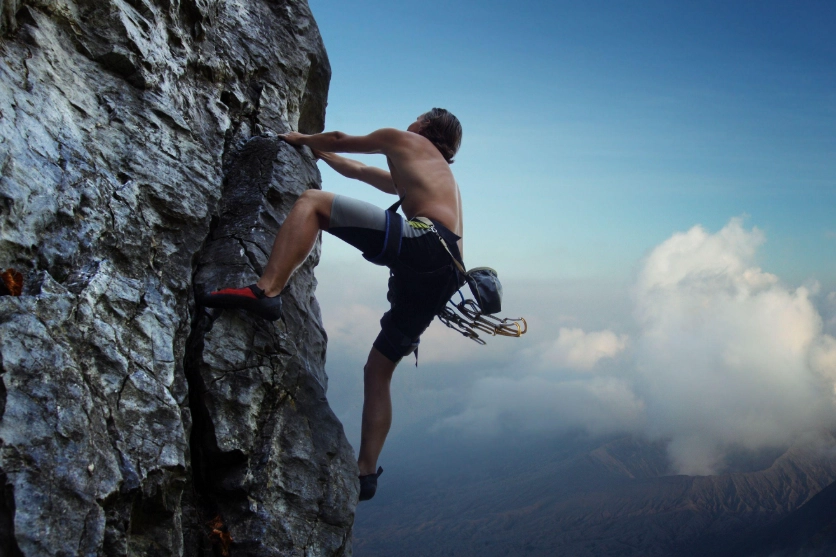
Your Burning Questions Answered
What is the most underestimated risk for a beginner transitioning from hiking to mountaineering?
The single biggest risk isn't the altitude or the cold; it's the mental shift. Hikers often think in terms of distance and time. Mountaineers think in terms of energy conservation and turn-around times. The most common mistake I see is pushing for the summit when conditions are deteriorating, simply because 'you're so close.' That mindset gets people in trouble. You must be willing to turn back at any point, even 100 meters from the top, if weather, time, or your energy levels say so. It's a brutal but necessary lesson.
What specific skill is more important than physical fitness for a first-time mountaineer?
Route-finding and navigation. Fitness gets you up the hill, but navigation gets you back down safely. In a whiteout on a glacier or a featureless ridge, your GPS and map skills are your lifeline. Many new climbers focus solely on cardio and strength, then find themselves completely lost when a cloud rolls in. Practice navigating in poor visibility on familiar trails before you ever set foot on a real climb. Knowing how to read a topo map, take a bearing, and understand contour lines is non-negotiable.
Is 'scrambling' considered real mountain climbing or just hard hiking?
Scrambling is the critical gray area where hiking ends and climbing begins. It involves using your hands for balance and progress on steep, rocky terrain. Whether it's 'climbing' depends entirely on the consequence. A low-angle scramble with little exposure might feel like an adventurous hike. But a Class 3 or 4 scramble on a narrow ridge with thousand-foot drops? That's absolutely climbing territory, even if you don't need a rope. The key distinction is the consequence of a fall. If a slip would result in serious injury or death, you're in the climbing realm and need the appropriate mindset and skills.
Can I try a real mountaineering route without a guide?
Legally, often yes. Wisely, almost never for a true first ascent. Mountaineering involves a layered skill set: glacier travel, crevasse rescue, snow/ice climbing, and complex risk assessment. Trying to learn all that from YouTube for a first attempt is a recipe for disaster. Hire a certified guide (check organizations like the American Mountain Guides Association - AMGA) for your initial climbs. They'll teach you the systems in a safe environment. After several guided trips, you can start building a competent team of peers to attempt routes independently. This apprenticeship model is how the vast majority of safe climbers are made.
The world of ascending mountains is rich with specific terms because the activities and risks are specific. Knowing whether you're going hiking, scrambling, rock climbing, or mountaineering isn't just semantics—it dictates your preparation, your gear, your team, and your mindset. It's the difference between a rewarding adventure and a dangerous epic. So next time you look at a mountain, you'll know exactly what to call the journey to its top.