You hear about them in every climbing gym, whispered at crags, and drilled into new leaders. The three golden rules of climbing. They sound simple, almost cliché. But here's the thing most articles don't tell you—most climbers know the logically what they are, but almost everyone fails at the how and the why. We treat them like a mantra to repeat, not a foundational system for decision-making when you're pumped, scared, or just having a casual day out. After years of guiding and watching countless close calls, I've realized these aren't just rules. They're a hierarchy for where your attention should be, in order, every single time you touch rock.
What You'll Learn in This Guide
Let's get one thing straight. These aren't just for beginners. I've seen experienced trad climbers mess up the order, and it nearly cost them. We'll go beyond the simple explanations and into how these rules apply to sport climbing, trad, and even bouldering. You'll see how they form a complete system for safe climbing.
Rule 1: The Climber is Safe (The Communication Loop)
This is the most misunderstood rule. "The climber is safe" doesn't mean the climber is actually safe. It's a communication protocol. Before you do anything—before you step off the ground, before you make a tricky move, or before you place crucial gear—you communicate with your partner. This rule is about building a habit of clear communication, especially in stressful situations.
Think of it as a checklist that ensures everyone is on the same page. It's simple but incredibly effective.
How to Actually Apply the "Climber is Safe" Rule
Start by establishing a clear communication system with your partner. This means agreeing on specific phrases and their meanings. For example, "Climbing" means you're starting the climb, and "On belay" means the belayer is ready. These phrases are essential for coordinating your actions and avoiding confusion.
Next, use the "Climber is safe" rule to communicate your intentions and actions. This includes letting your partner know when you're starting the climb, when you're off belay, or when you need assistance. By keeping your partner informed, you can work together more efficiently and safely.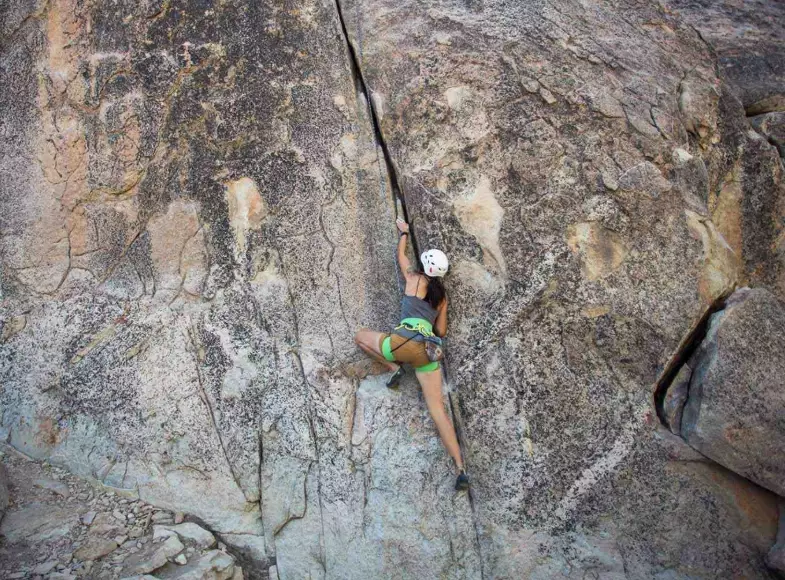
Finally, remember that communication is a two-way street. Listen to your partner and acknowledge their instructions. This ensures that everyone is on the same page and can react quickly in case of an emergency.
Common Mistakes and How to Avoid Them
One common mistake is assuming that your partner knows what you're thinking. Always communicate your intentions clearly, even if you think it's obvious. Another mistake is using vague phrases like "I'm good" instead of specific instructions like "Off belay." Be precise in your communication to avoid misunderstandings.
Rule 2: The Belayer is God (The Hierarchy of Responsibility)
This rule emphasizes the belayer's crucial role in ensuring the climber's safety. The belayer is responsible for managing the rope, providing a secure anchor, and being ready to assist in case of a fall. It's a position of great responsibility that requires constant attention and quick reflexes.
Think of the belayer as the climber's lifeline. Without a reliable belayer, even the most skilled climber is at risk. This rule highlights the importance of trust and teamwork in climbing.
Key Responsibilities of a Good Belayer
A good belayer must always pay attention to the climber, maintain a firm grip on the rope, and be ready to provide assistance when needed. They should also communicate clearly with the climber, especially during complex maneuvers or when the climber is out of sight.
By focusing on these key responsibilities, you can become a reliable and trusted climbing partner.
How to Improve Your Belaying Skills
Practice makes perfect. Start by practicing with an experienced partner who can provide feedback and help you develop good habits. Focus on maintaining a firm grip on the rope, paying attention to the climber, and communicating effectively. With time and practice, you'll become a more confident and skilled belayer.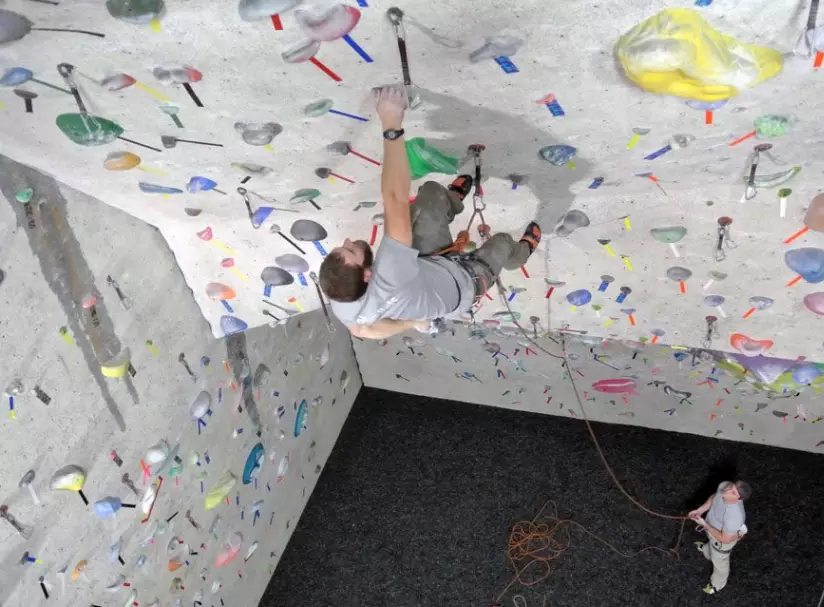
Rule 3: The Rule of Three Points of Contact (The Foundation of Movement)
This rule is about maintaining balance and stability while climbing. By keeping three points of contact with the rock, you can move more efficiently and reduce the risk of falling. It's a fundamental principle that applies to all types of climbing.
Think of it as a way to maintain control and confidence on the rock. By following this rule, you'll be able to climb more efficiently and enjoy the experience more.
How to Apply the Rule of Three Points of Contact
Start by practicing on easy terrain to build confidence. Focus on maintaining three points of contact at all times, and you'll soon develop the muscle memory needed to apply this rule automatically.
With practice, you'll be able to apply this rule automatically, making your climbing more efficient and enjoyable.