If you're new to climbing, the terms belaying and rappelling can sound like jargon. They both involve ropes, carabiners, and harnesses. But mixing them up isn't just a vocabulary error—it's a safety hazard. Belaying is about protecting someone else who is climbing up. Rappelling is about controlling your own descent down a fixed rope. The gear overlap is significant, but the mindsets and critical safety checks are worlds apart. I've spent over a decade guiding and teaching, and the confusion between these two is a constant theme in beginner classes. Let's clear it up for good.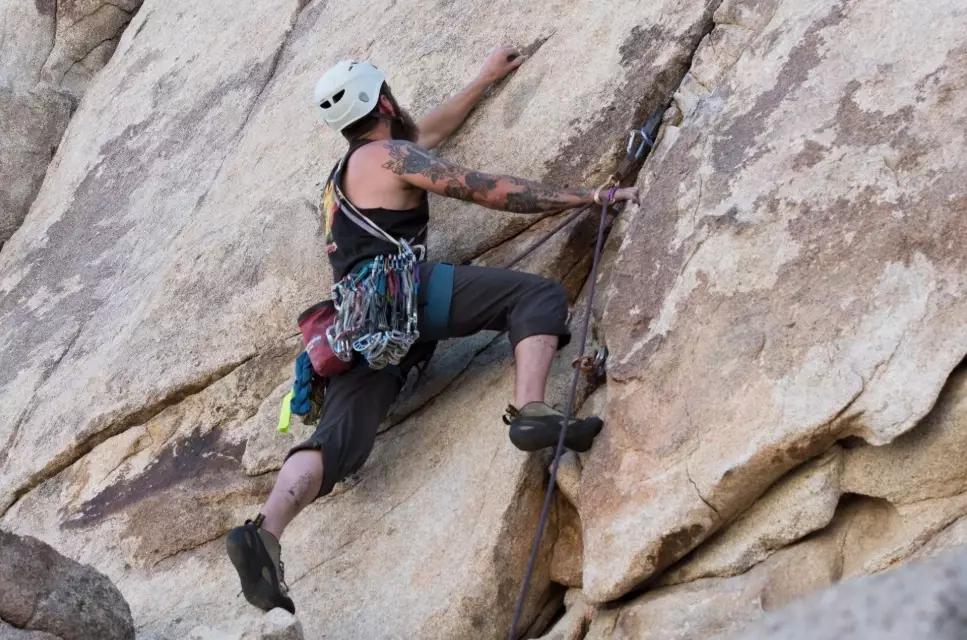
What You'll Learn in This Guide
What is Belaying? The Art of Catching a Fall
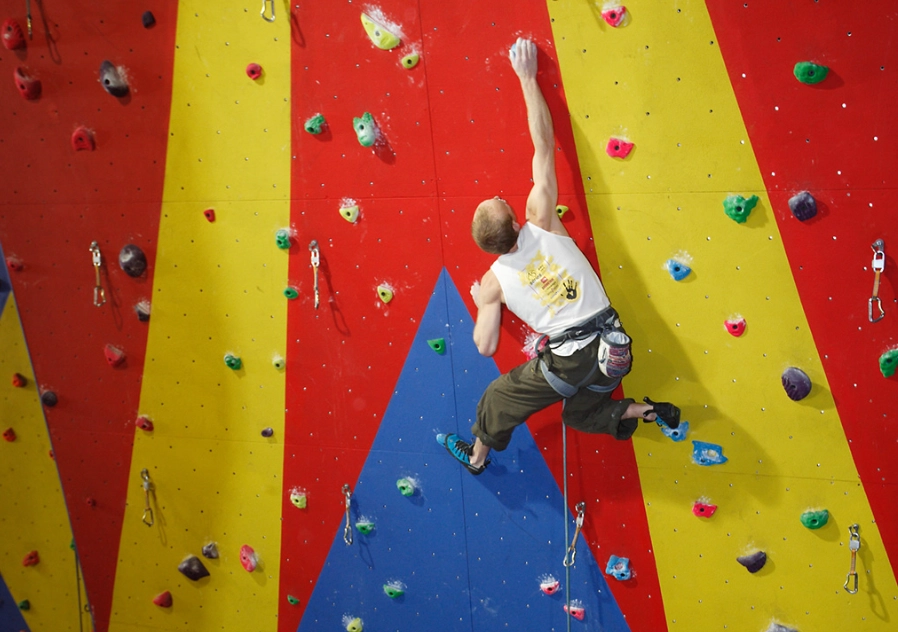
Belaying is a team activity. Your primary job is to be a human safety brake for the climber. You manage the rope so that if they slip, you can arrest their fall quickly and with minimal force. The rope runs from the climber, up through an anchor at the top, and back down to you. You use a belay device to create friction on the rope.
The Core Principle: The belayer is in control of the rope's brake end. In a fall, pulling the brake end down and back locks the system. Letting go is not an option. Ever.
How to Belay Safely: A Step-by-Step Guide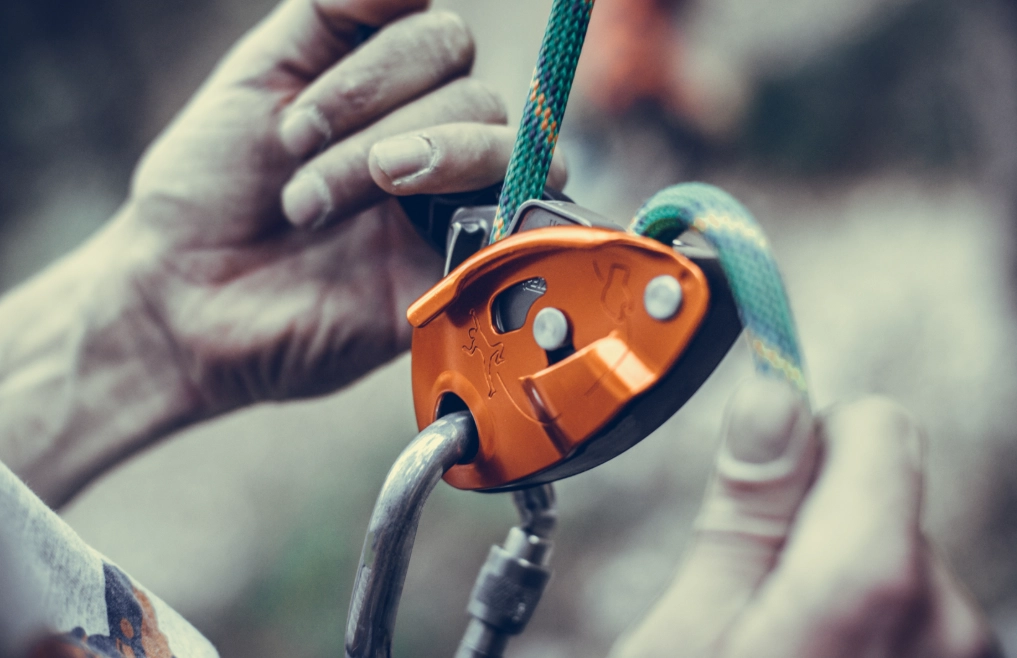
While you should always get certified instruction, here's the mental framework. It revolves around the commands and the physical cycle of Pull, Brake, Under, Slide (PBUS for short).
1. The Commands Are a Ritual: Before the climber leaves the ground, you run through a checklist. "On belay?" (Climber: "Belay on.") "Climbing?" (Belayer: "Climb on."). This isn't politeness. It confirms both parties are ready and systems are checked.
2. The PBUS Cycle in Action: As the climber moves up, you take in slack.
Pull the rope strand above the device with your guide hand.
Brake by moving your brake hand down.
Under slide your guide hand back to the brake position.
Slide the brake hand back up to the device.
Repeat. Your brake hand never leaves the rope.
3. Lowering: At the top, the climber yells "Take!" and sits back. You take in all slack, then confirm: "Lowering!" You then slowly feed rope through the device, using your brake hand to control the descent speed. A common error here is lowering too fast—it's uncomfortable and can burn the climber's hands or your own.
Think of it like this: You're belaying a friend on a 60-foot sport climbing route at the local crag. They're 30 feet up, placing quickdraws. Your entire world is the tension in the rope and their movement. You're not just holding a rope; you're actively managing their potential fall zone, keeping slack minimal but not so tight it hinders them. If they peel off, your muscle memory from a thousand PBUS cycles kicks in, and you lock the brake instantly.
What is Rappelling? The Controlled Descent
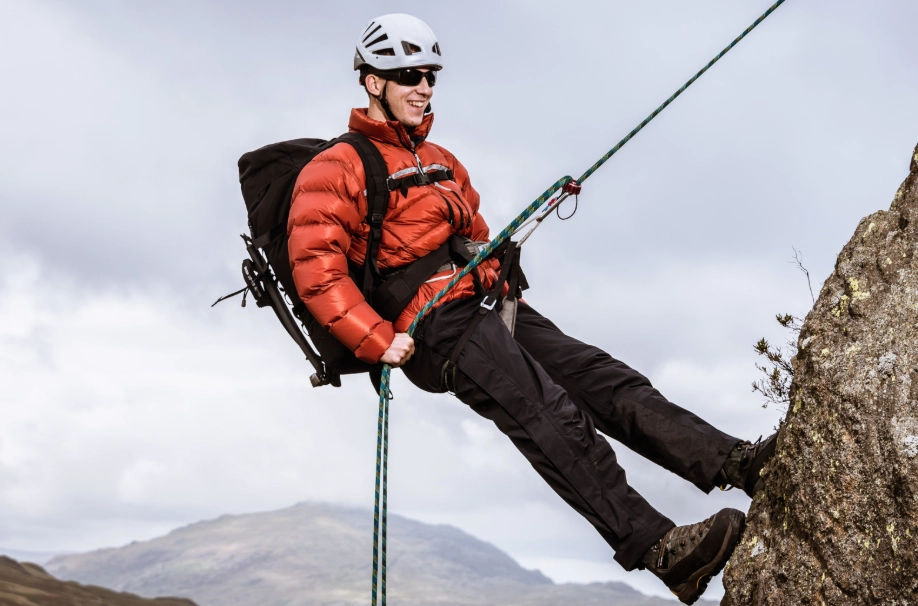
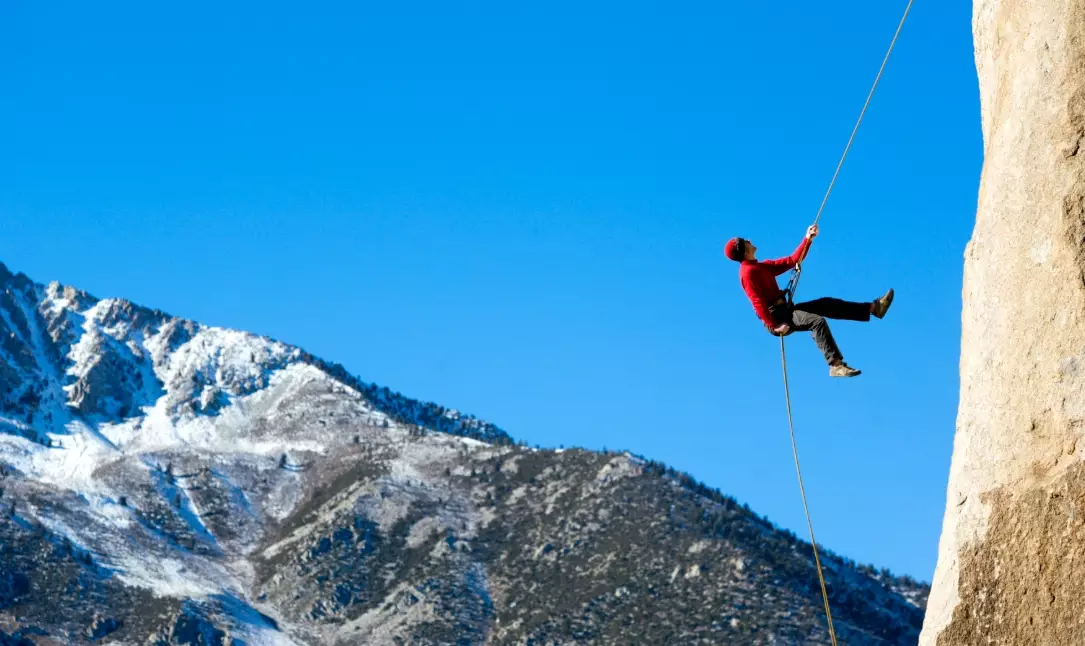
Rappelling (or abseiling) is a solo act of descending a fixed rope. You are both the climber and the brake operator. The rope is typically anchored at the top, passes through your rappel device, and hangs down to the ground or next anchor point. Your weight on the system creates the friction you control.
Here’s the thing many tutorials gloss over: rappelling is statistically one of the most dangerous activities in climbing. Why? Because the entire system relies on you not making a single critical error in setup or execution. There's no partner backup check.
The Non-Negotiable Rappel Safety Protocol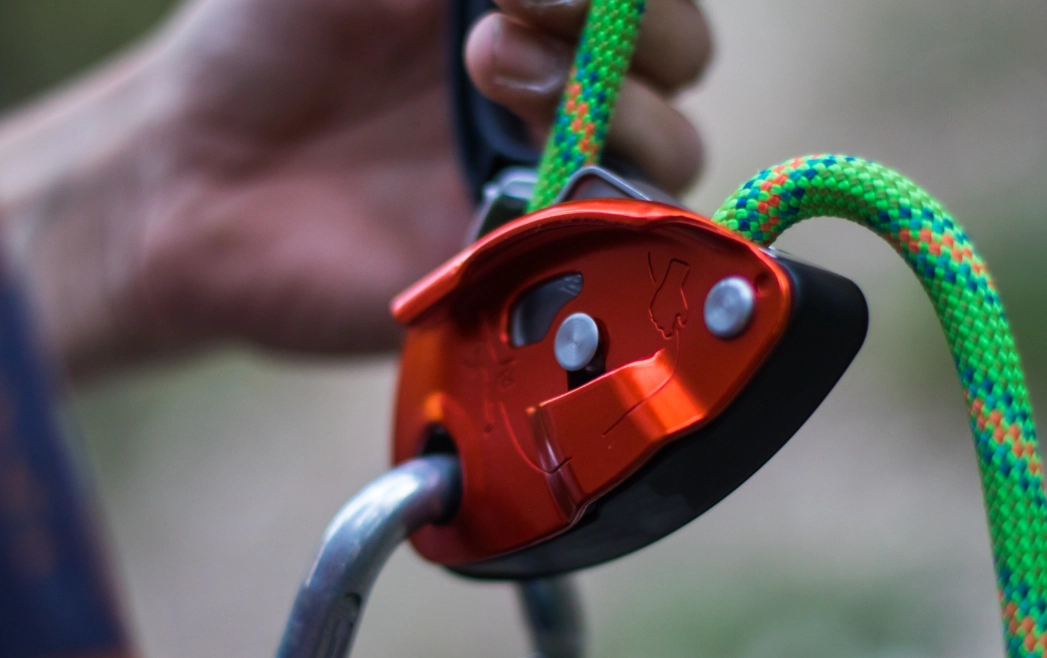
1. The Anchor Check: Before you even touch your rappel device, you must personally inspect the anchor. Is it solid? Are the slings/cords/rap rings worn? I once saw a group about to rappel off a single, sun-bleached nylon sling that was literally fraying. We stopped them. Trust no one.
2. The "Fireman's Belay" (When Possible): The safest rappel setup involves a partner at the bottom holding the ends of the ropes. If you lose control, they pull down on the ropes to lock your device. It's a fantastic backup, especially for beginners or complex rappels.
3. The Dress and Double-Check: Feeding the rope through your ATC or tube device correctly is step one. Did you get both strands? Is the rope running over the friction grooves and not the spine? Then, before you commit your weight, do a triple check: 1) Anchor. 2) Device threading. 3) Harness buckle and leg loops. I verbalize it: "Anchor good. Ropes through. Buckle locked. Going down."
4. The Descent Control: Your dominant hand is your brake hand, behind your hip. Your other hand can be a guide on the rope above. To go down, ease the brake hand open. To stop, close it. Simple in theory, but panicking and letting go is the ultimate failure. Practice over a safe, short drop first.
Belaying vs Rappelling: A Direct Side-by-Side Comparison
This table cuts to the chase. It highlights why confusing the two is a fundamental error.
| Aspect | Belaying | Rappelling |
|---|---|---|
| Primary Goal | To protect a climbing partner ascending a route. | To descend oneself on a fixed rope. |
| Direction of Travel | You are stationary; the climber moves upward. | You are moving downward. |
| Who is in Control? | The belayer controls the climber's safety. | You control your own safety. |
| Rope Movement | Rope is paid out or taken in as the climber moves. | Rope is static at the anchor; you slide down it. |
| Key Safety Focus | Maintaining a proper brake hand position, managing slack, communication. | Correct device setup, anchor integrity, backup knots (autoblock), not letting go. |
| Typical Device | Assisted-braking device (e.g., GriGri) or tube device (ATC). | Tube device (ATC) or figure-8 descender. (A GriGri can be used but is less common for pure rappelling). |
| Mental Model | Teamwork, vigilance, anticipation. | Self-reliance, meticulous procedure, calm under pressure. |
The table gives you the skeleton, but the muscle is in the nuance. For instance, the mental shift is huge. A distracted belayer can kill their partner. A distracted rappeller can only kill themselves. Both are terrible, but the source of focus is different. Belaying requires constant external attention. Rappelling requires intense internal procedural focus.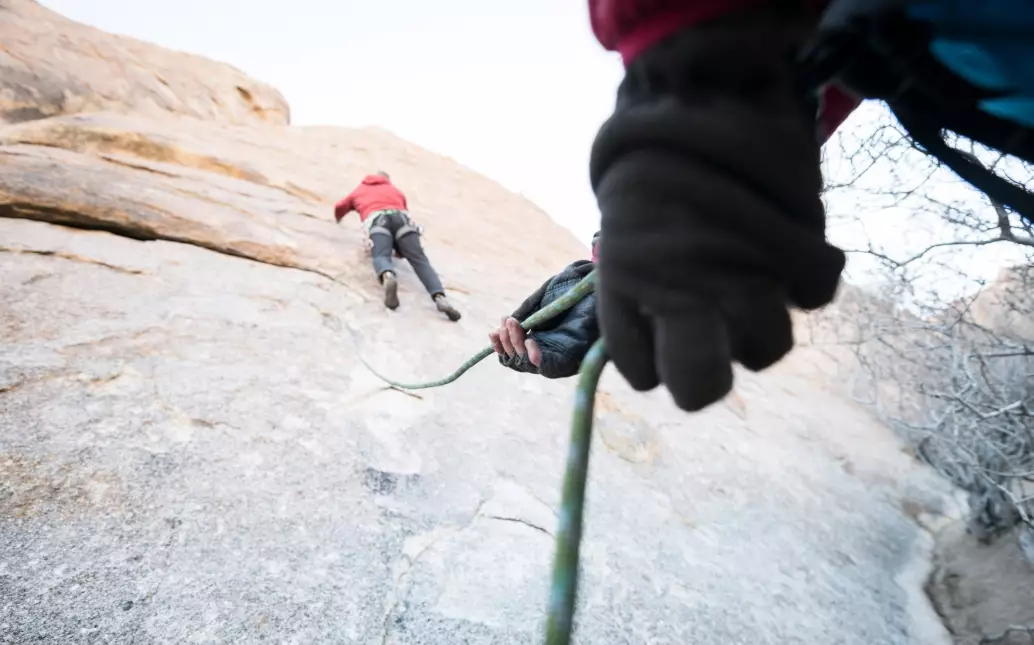
Gear Deep Dive: What You Really Need
You can use similar hardware for both, but your choice matters. Let's talk devices.
For Belaying (Especially Beginners): Get an assisted-braking device (ABD) like the Petzl GriGri or Edelrid Mega Jul. Why? They have a cam that engages during a sudden pull, adding a mechanical backup to your brake hand. If you get hit by rockfall or lose focus for a second, the device helps catch the fall. It's not auto-pilot—you still need a brake hand—but it's a massive safety net. The old-school argument that "you should learn on an ATC first" is fading. Learn good habits with the safer tool.
For Rappelling: A simple tube device like a Black Diamond ATC or Petzl Verso is the standard. It's lightweight, simple to thread, and offers smooth control. You can rappel on a GriGri, but it's slower to feed rope and can be jerky. Many guides I work with carry a dedicated tube device just for rappelling on multi-pitch routes.
The Autoblock (Prusik) Backup: This is the rappeller's best friend. It's a short loop of cord (6mm accessory cord) tied with a Prusik or Autoblock knot around both ropes below your device and clipped to your harness leg loop. If you let go of the brake strands, this knot tightens and stops you. It's not a substitute for a brake hand, but it turns a catastrophic error into a scary moment you can recover from. I won't rappel without one in any serious terrain.
Common Mistakes and How to Avoid Them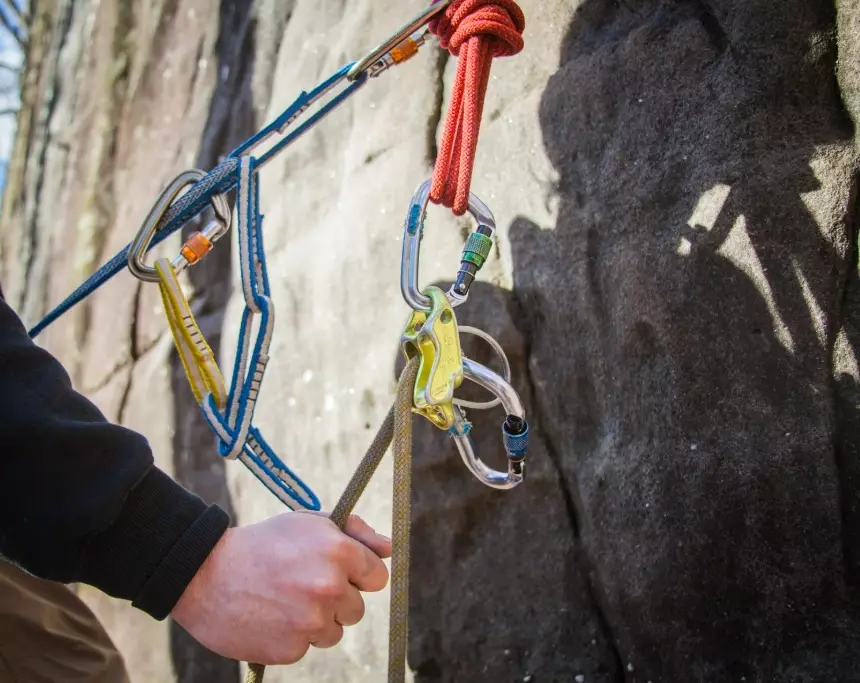
After years of teaching, these are the errors I see repeatedly.
Belaying Blunders:
"Comfort Slack": Letting out too much slack because the climber is moving fast. A longer fall generates more force and increases swing potential. Keep the rope snug, not tight.
Bad Stance: Not being braced for a fall. Stand close to the wall, slightly offset, knees bent. I've seen belayers get yanked into the wall.
Looking Away: Checking your phone, chatting with others. Your eyes should be on the climber 90% of the time.
Rappelling Risks:
Rappel Rope Ends: The classic, deadly error. You rappel off the end of the rope because you didn't check if both ends touched the ground or next anchor. Always tie stopper knots (figure-eight) in the rope ends.
Loose Clothing/Hair: A jacket drawstring or long hair can get sucked into the device, jamming it. Tuck everything in.
Mis-Threading the Device: It happens more than you think, especially when tired. The triple-check is vital.
Your Top Rope Technique Questions Answered
If you ever plan to climb outdoors on multi-pitch routes or at crags where you walk off isn't an option, then absolutely. Many outdoor climbs require rappelling to descend. Even in the gym, understanding rappelling principles makes you a more well-rounded climber and prepares you for that transition. Start by practicing the setup and motion over a padded gym floor with a top-rope backup.
This is almost always caused by the rope itself. A brand new rope, or one that's been stored coiled in the same direction, has a lot of internal twist (called "memory"). When weighted, it wants to untwist, which translates to spinning you. To mitigate it, before you rappel, try to flake the rope out straight on the ground if possible. As you descend, you can gently turn your body to unwind. It's annoying but rarely dangerous. An older, well-used rope has less of this issue.
 Can I use the same ATC device for both belaying and rappelling?
Yes, you physically can, and many climbers do. A tube-style ATC is designed for both functions. However, consider your specific needs. If you're primarily sport climbing and belaying a leader, an assisted-braking device (like a GriGri) offers superior safety for that task. You'd then use your ATC as your dedicated rappel device. Having both on your harness is common for trad or multi-pitch climbers. The ATC is lighter and simpler for rappelling, while the GriGri provides peace of mind for belaying.
Using an autoblock (Prusik) backup. Beginners often think, "I'll just be careful and not let go." Fatigue, cold hands, a sudden rock dislodging, or a moment of panic can override that intention. Tying a simple autoblock below your device takes 30 seconds and is the difference between an accident and an inconvenience. The American Mountain Guides Association (AMGA) teaches this as a standard for a reason. It's the single most effective way to mitigate human error during rappel.
You're ready when you can perform the entire sequence—anchor check, device threading, backup knot, weight test, and descent—calmly and correctly without prompting in a practice scenario. Go to a local crag with an experienced friend. Find a short, low-angle slab with a bomber anchor at the top. Practice there with a fireman's belay from below. Do it five times. If you're flustered or making mistakes on try five, you need more practice. Confidence comes from repetition, not from hoping it will go well.