Let's cut to the chase. For years, talking about bouldering gloves in a serious climber's circle would get you a side-eye. Chalk was the religion, and gloves were for gym class. But I've been climbing for over a decade, and my hands have paid the price. I've seen the scene shift. Now, a growing number of climbers—from weekend warriors to seasoned crushers—are quietly slipping on gloves for specific problems. Not to replace chalk, but to solve issues chalk can't touch. This isn't about cheating; it's about smart protection and extending your session when your skin says no. If you're dealing with sweaty palms that turn slopers into ice rinks, sensitive skin that tears on rough sandstone, or just want to protect healing flappers, the right glove can be a game-changer. But the wrong one? A total waste of money and a surefire way to ruin your grip.
What's Inside This Guide
Why Consider Gloves for Bouldering?
First, let's kill a myth. No serious climber wears gloves on a delicate face climb where fingertip sensitivity is everything. That's madness. Bouldering gloves serve niche, practical purposes.
I started using them after a trip to Bishop's sharp volcanic rock. Three days in, my fingertips were shredded. I had one more day to send my project. A buddy lent me a pair of thin leather gloves. They felt weird at first, but they let me pull on crimps without wincing. I didn't send, but I got more attempts in without turning my fingers into hamburger meat. That's the point.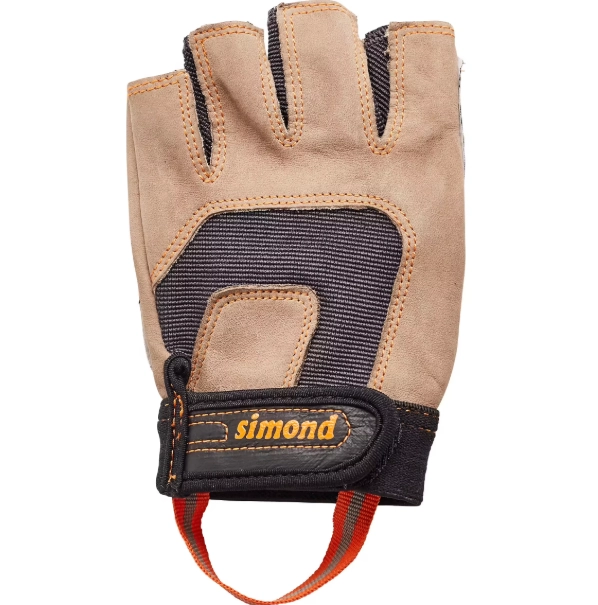
The Core Use Cases: Gloves aren't for every climb. Think of them as a tool for specific scenarios: protecting healing skin or blisters, managing excessive sweat that chalk can't control, providing extra grip on polished gym volumes or slimy outdoor slopers in damp conditions, and offering a barrier against painfully abrasive rock types (like some sandstone or sharp granite).
Another subtle point nobody talks about: temperature. Climbing in cold conditions? Your hands get stiff, blood flow drops, and skin becomes brittle and more prone to splitting. A thin glove can keep the initial warmth in, letting you warm up faster and protect that skin before you switch to pure chalk.
How to Choose Your Bouldering Gloves: The Fit & Material Guide
Getting the fit wrong is the biggest mistake. Too loose, and they'll bunch up, creating dead space that kills precision. Too tight, and you'll cut off circulation, making your hands cramp faster than you can say "crimp."
Fit is Non-Negotiable: They should feel like a second skin. No extra material at the fingertips. When you make a fist, the material should pull taut across your knuckles but not restrict movement. Pay special attention to the seams. A bulky seam running across your primary finger joints will drive you insane on any hold requiring flexion.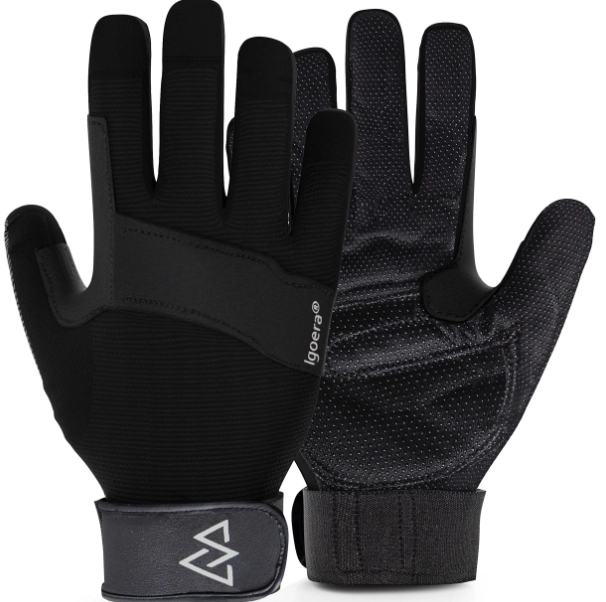
Here’s a quick checklist I use when trying a pair:
- Fingertips: Do they reach the very end of your finger without extra space?
- Palm: Is there any bunching or slack when you open your hand wide?
- Closure: Does the wrist strap or elastic hold securely without digging in?
- Grip Test: Mimic grabbing a jug and a small edge. Does the material stretch or slip?
Climbing Glove Material Breakdown: Leather vs. Synthetic
The material dictates everything: grip, durability, breathability, and feel. It's not about which is "best," but which is best for your specific need.
| Material | Best For | Grip Characteristic | Durability | Breathability | Biggest Drawback |
|---|---|---|---|---|---|
| Thin Goat or Cabretta Leather | Outdoor rough rock, maximum sensitivity, molding to hand. | Excellent on rock, improves with use as it molds. | Very High (if cared for) | Low (can get hot) | Requires break-in, poor when wet. |
| Synthetic Leather (Clarino, etc.) | Consistent gym use, sweaty hands, cost-effectiveness. | Good and consistent, but can feel slightly plasticky. | Medium-High | Medium | Less "molding" ability, can wear smooth on rough rock. |
| Breathable Mesh & Synthetic Mix | Hot climates, sweat management, lightweight protection. | Low to Medium (often more for protection than grip) | Low-Medium | Very High | Minimal abrasion protection, can lack precision. |
| Rubber-Palm Gloves | Extreme grip on volumes/slopers, competition-style problems. | Extremely High (almost too sticky) | Low (rubber wears fast) | Very Low | Zero breathability, loses feel, collects chalk/dirt. |
My take? For a first pair intended for general use, a good synthetic leather glove is the most versatile. It's ready to go out of the box, handles sweat better, and is easier to clean. Save the premium thin leather for when you know you'll be battling a specific, sharp outdoor project for multiple days.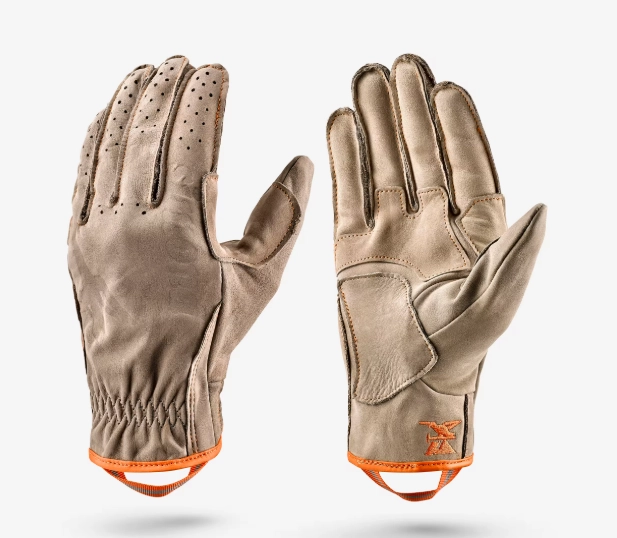
Top Bouldering Gloves Reviewed: Hands-On Impressions
I've tested a bunch over the years. Here are three that stand out for different reasons. This isn't just a spec list; it's what happened when I actually climbed in them.
1. Metolius Contact Glove
These are the workhorses. Synthetic leather palm, breathable mesh back, a simple hook-and-loop wrist closure. I've used these primarily in the gym on long training days when my skin is thin. They're surprisingly precise for a synthetic glove—you can still feel the texture of a 20mm edge. The fit is very true to size.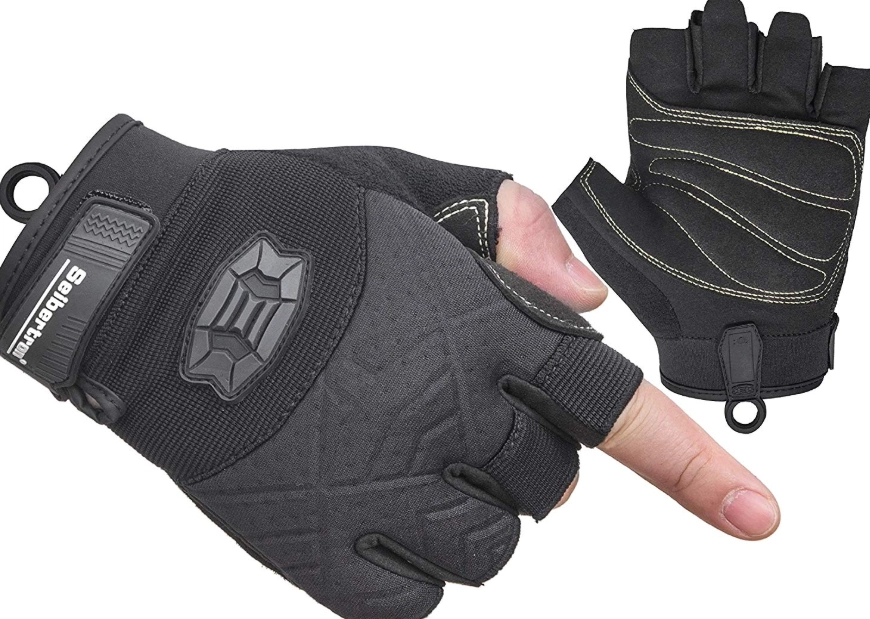
Pros: Affordable and widely available. Breathable. Easy to wash and dries quickly. Consistent grip session after session.
Cons: The synthetic palm can get a bit slick with extreme, chalk-loaded sweat. The mesh back isn't very durable if you're dragging your hands on rough texture.
2. Friction Labs Secret Sender Glove
Aimed at the performance end. Very thin, supple goat leather palm designed for maximum sensitivity. It feels almost like a second layer of skin once broken in. I used these on a sharp granite bouldering trip, and the protection was phenomenal. They conform to your hand shape over time.
Pros: Unbeatable sensitivity for a glove. Excellent durability of the leather itself. Becomes custom-fit. Superior grip on dry rock.
Cons: Pricey. Requires a careful break-in period. Useless if they get damp (the leather becomes slippery). Not for sweaty palms.
3. Mad Rock Grip Shield
These are the outliers with a rubber-palm design. The grip is absurdly high—almost like having super-powered climbing rubber on your hands. I found them incredible for one specific thing: slick, polished gym volumes and slopers where you need every bit of friction.
Pros: Maximum possible friction. Great for competition-style problems focused on volumes.
Cons: They feel very strange—you lose almost all texture feedback. They get hot and sweaty instantly. The rubber wears down noticeably on abrasive surfaces. A very niche tool.
Glove Care & Maintenance: Make Them Last
Treat them like climbing shoes, not gardening gloves.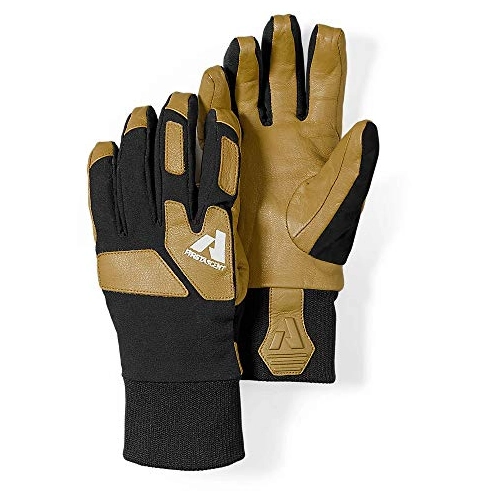
Leather Gloves: Never machine wash. Wipe down with a damp cloth after use. Let them air dry completely away from direct heat. Once fully dry, a tiny amount of leather conditioner (like for climbing shoes) rubbed into the palm can prevent cracking. Store them flat, not crumpled in a bag.
Synthetic Gloves: You can hand-wash them in lukewarm water with a mild soap. Rinse thoroughly. The key is drying—stuff them with paper towels or a dry cloth to absorb moisture and help them keep their shape as they air dry. Don't put them on a radiator.
A universal tip: Keep them in a separate, breathable bag in your climbing pack. Getting covered in chalk, dirt, and granola bar crumbs will degrade the materials and seams faster.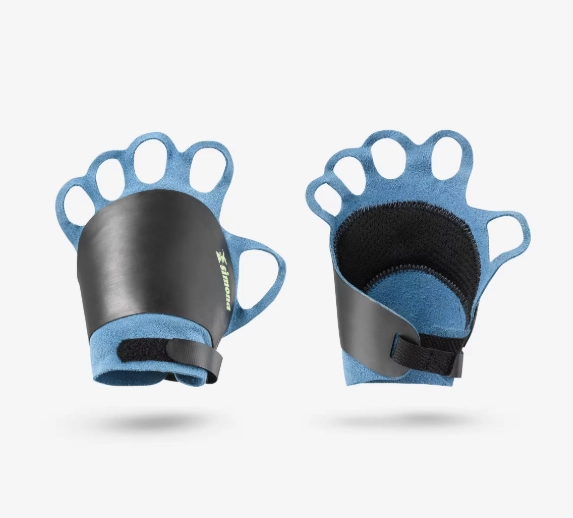
Your Bouldering Gloves Questions Answered
They change it, for sure. But "ruin" is too strong. A high-quality, well-fitted thin leather glove preserves a surprising amount of sensitivity. You're trading a small percentage of micro-texture feedback for significant skin protection. It's a calculated trade-off. For most boulder problems, the macro-feel of the hold's shape and angle is more critical than feeling every grain of sand, and a good glove preserves that.
This is the crucial question. For heavy sweaters, material choice is everything. Avoid solid leather or rubber palms. Look for synthetic leather palms paired with highly breathable (often mesh) backs and fingers. Brands like Metolius design their gloves for this. The glove acts as a sweat-wicking layer, preventing the slippery direct skin-to-rock contact that happens when your sweat overwhelms your chalk. It's not a perfect solution, but it's often better than the alternative.
You need to check the specific competition rules. Under most standard IFSC (International Federation of Sport Climbing) regulations, gloves are not explicitly banned for bouldering, as the rules focus on aids for the feet. However, local gym comps might have their own policies. The bigger issue is practicality—the loss of sensitivity and the potential for judges to question if they provide an unfair aid on friction-dependent holds means you almost never see them in high-level competition.
Prevention is key. Never put them away damp. After each session, turn them inside out if possible and let them air dry completely. For synthetic gloves, a periodic hand wash with a bit of antibacterial soap or a soak in a water-vinegar solution (1 part white vinegar to 4 parts water) for 30 minutes before a thorough rinse can kill bacteria. For leather, sunlight and fresh air are your best friends, along with specialized leather deodorizer sprays.
You can, but you'll have a bad time. I tried this early on. Work gloves are designed for abrasion protection, not precision grip. The materials are thick and stiff, the seams are bulky, and the fit is boxy. You'll lose all dexterity and feel. The palm material is often slick on polished surfaces. The few dollars you save aren't worth the frustration and compromised climbing. Purpose-built climbing gloves are engineered for a specific range of motion and contact.