Packing for a mountain climb feels like solving a puzzle where every piece is life-or-death. You stare at the gear pile, wondering if that extra pair of socks will save you or sink you. I've been there—freezing on a ridge with a blister from a boot that was "almost" right, or fumbling with a headlamp as dusk swallowed the trail. The right equipment isn't just about comfort; it's the thin line between summit success and a dangerous retreat.
This guide strips away the marketing fluff. We're talking about the gear that actually works when the wind howls and the temperature plummets. I've learned through guided trips and personal misadventures that the difference between a great climb and a survival situation often comes down to your kit. Forget generic checklists. Let's build a system that works for you.
What You'll Find in This Guide
The Layering System: Your Mobile Microclimate
Think of your clothing as a thermostat, not a winter coat. The goal is managing sweat, not just blocking cold. A damp base layer from perspiration can be more dangerous than the outside temperature. Start with a synthetic or wool base layer that wicks moisture. I've made the mistake with cotton—it holds sweat like a sponge and turns into an ice sheet.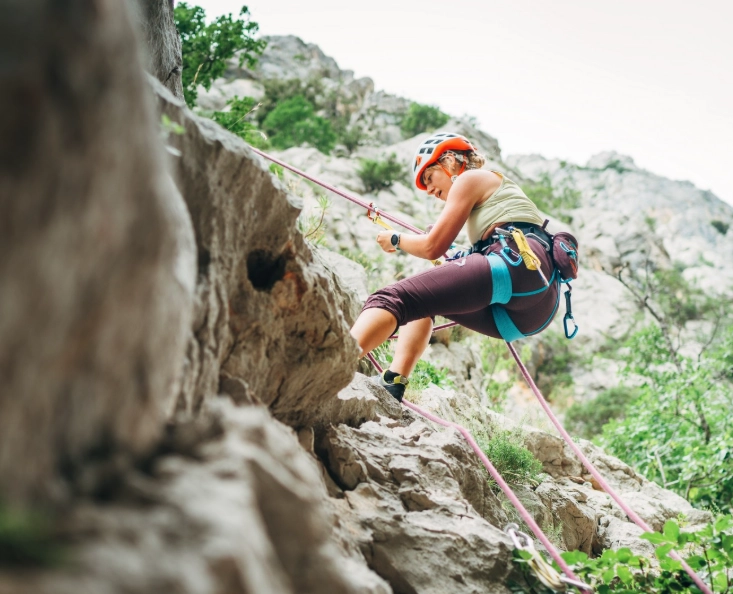
The mid-layer is for insulation. Fleece or synthetic fills trap heat. The outer shell must be both waterproof and breathable. A membrane like Gore-Tex is standard, but don't ignore the seams and zippers.
Here’s a quick reference for conditions:
| Condition | Base Layer | Mid Layer | Outer Shell |
|---|---|---|---|
| Cold & Dry | Merino Wool | Fleece / Puffy | Windproof Softshell |
| Wet & Cool | Synthetic | Fleece | Waterproof Hardshell |
| Variable / Mixed | Merino Wool | Zippered Fleece | Waterproof & Packable |
Accessories matter more than you think. A heat-escape-loss-prevention (HELP) beanie covers the head and ears. Gloves follow a similar layering principle: a thin liner under a waterproof insulated shell. For extreme cold, consider down-filled mittens, though they sacrifice dexterity.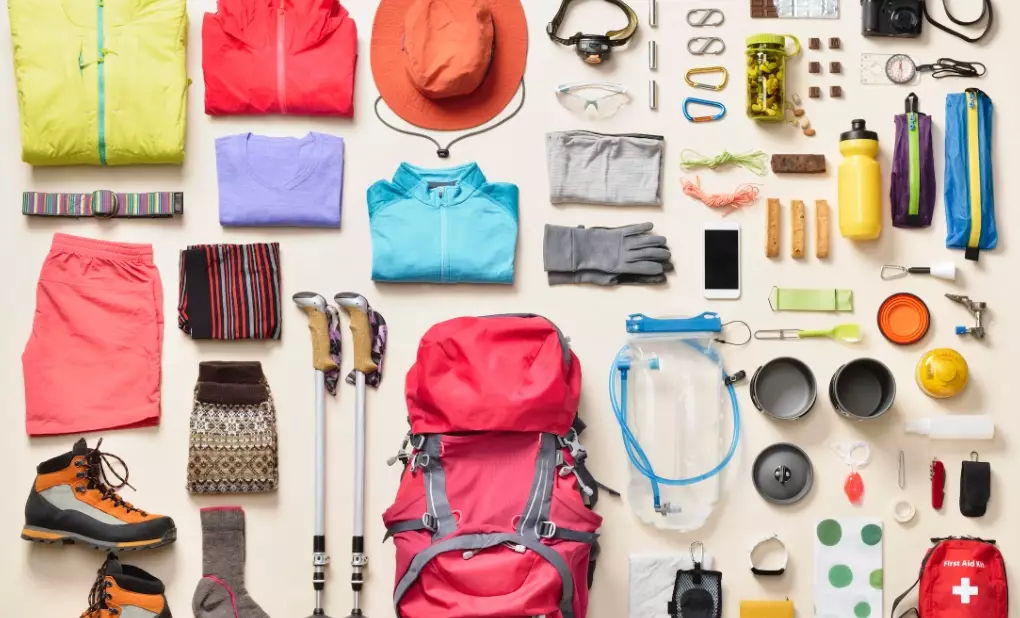
Footwear and Traction: Where You Meet the Mountain
Your boots are your foundation. Get this wrong, and everything hurts. The spectrum runs from sturdy hiking boots for trails to rigid, insulated mountaineering boots for ice and mixed terrain.
Mountaineering boots have a stiff sole (often rated B2 or B3) that accepts crampons without flexing. Flex in the wrong place reduces crampon efficiency and strains your calves. Fit is critical—your heel must be locked down to prevent blister-causing friction. A common mistake is buying boots that feel "snug" in the store without considering that feet swell at altitude. Try them on with the socks you'll actually climb in.
Crampons are not one-size-fits-all. They must match your boot's welts (those ridges on the sole).
- Strap-on Crampons: Versatile and fit almost any boot, but can be less secure and more prone to snow balling up underneath.
- Step-in / Hybrid Crampons: Require a boot with specific heel and toe welts. They offer a more secure, rigid connection, which is crucial for front-pointing on steep ice.
Microspikes are great for trail hiking on ice but are not a substitute for crampons on angled terrain.
A Non-Consensus Tip: Many climbers obsess over waterproof boots. I argue that a truly waterproof, breathable boot membrane often fails in prolonged wet conditions or from sweat. Instead, invest in high-quality, quick-drying wool or synthetic socks and focus on keeping your feet warm even if they get damp. Carry spare socks and change them at breaks. Dry feet are happy feet, even if the boot isn't perfectly dry.
Safety and Navigation: The Non-Negotiables
This category has no room for compromise. You can survive being cold, but you can't survive a fall or being lost.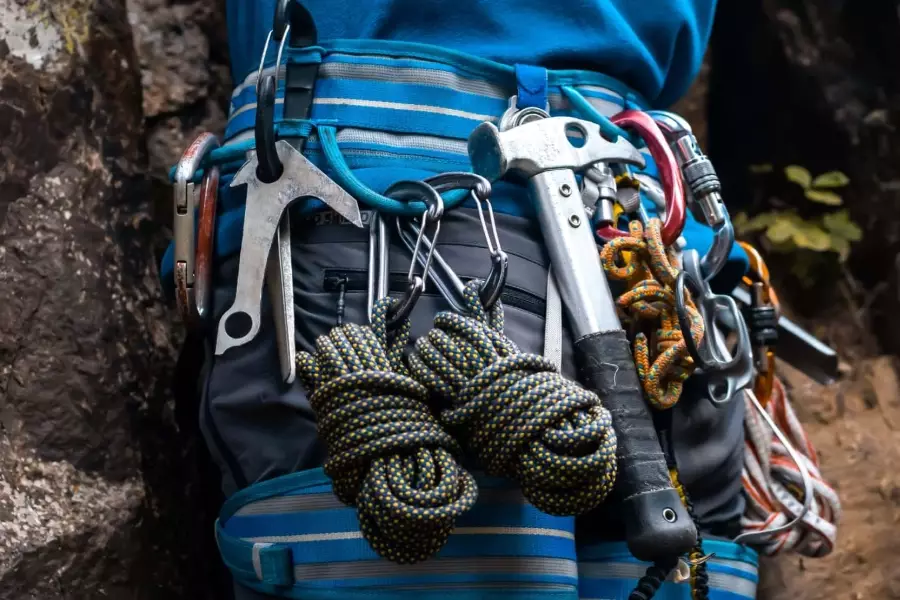
Helmet: A climbing-specific helmet, not a bike or construction helmet. It needs to protect from both falling rocks and side impacts from a fall. Look for a UIAA (International Mountaineering and Climbing Federation) safety certification.
Headlamp: Your primary light source. Minimum 300 lumens, with a red-light mode to preserve night vision. Battery life is key—test it before you go. I always pack a set of spare batteries, sealed in a plastic bag.
Navigation: A GPS device or smartphone with a pre-downloaded mapping app (like Gaia GPS or FATMAP) is a powerful tool. But it's a tool, not a crutch. It can fail. You must always, always carry a physical, detailed topographic map of the area and a baseplate compass, and—this is crucial—know how to use them together. Practice in a familiar park before you're in a whiteout.
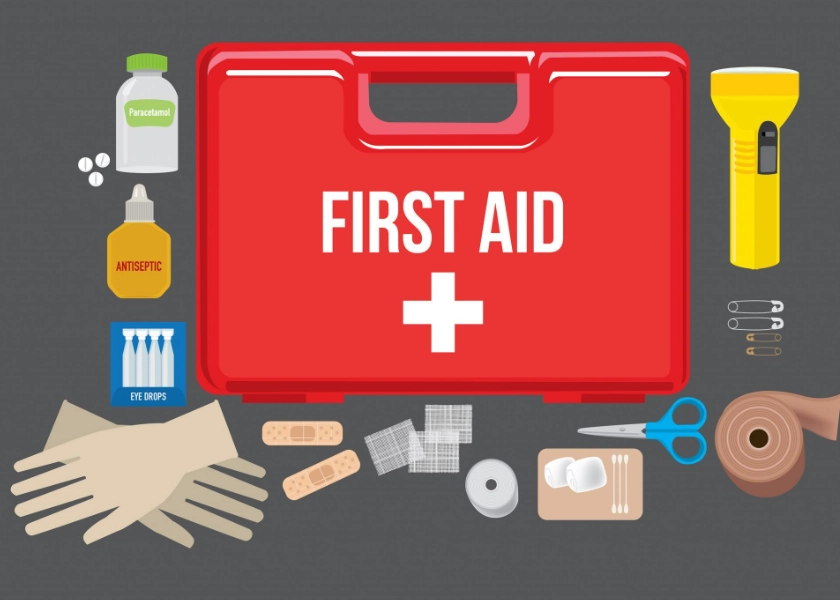
First-Aid Kit: Make it specific to climbing. It needs more than band-aids. Include items for blisters (moleskin, leukotape), trauma (hemostatic gauze, triangle bandage), and common mountain ailments. Know how to use everything in it. A kit you don't understand is just extra weight.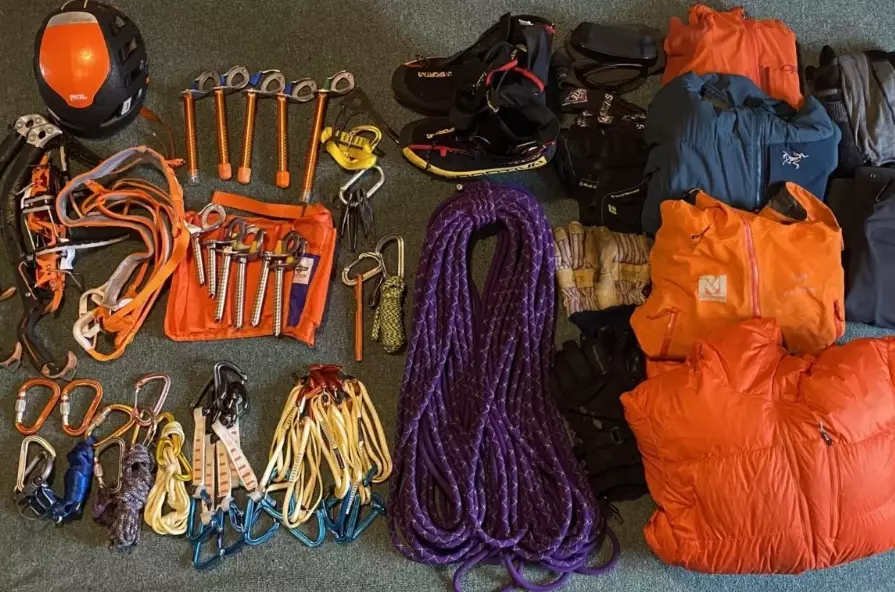
Technical Hardware: Ropes, Harnesses, and Protection
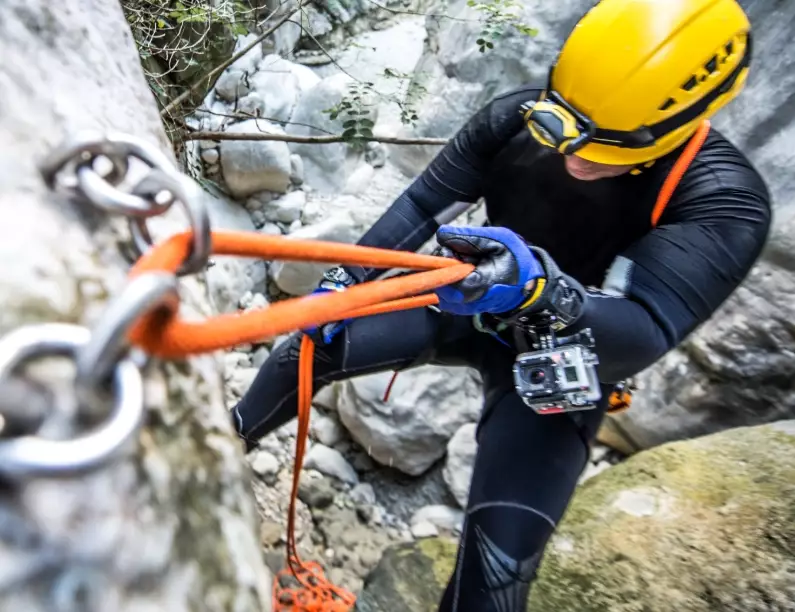
For anything beyond a simple scramble, you're entering the realm of technical climbing where your gear is your lifeline.
Harness: Comfort is secondary to safety, but a harness you can't stand to wear is a hazard. It must fit over all your layers without compromising the leg loops' security. Look for adjustable leg loops if you'll be climbing in variable conditions (light layers in summer, bulkier in spring/fall). Gear loops should be sturdy and plentiful.
Rope: A dynamic climbing rope is designed to stretch under load to absorb the energy of a fall. Diameter (e.g., 9.8mm) affects weight and durability. Dry-treated ropes resist water absorption, which is critical for ice climbing or in wet climates—a soaked rope is incredibly heavy and can freeze.
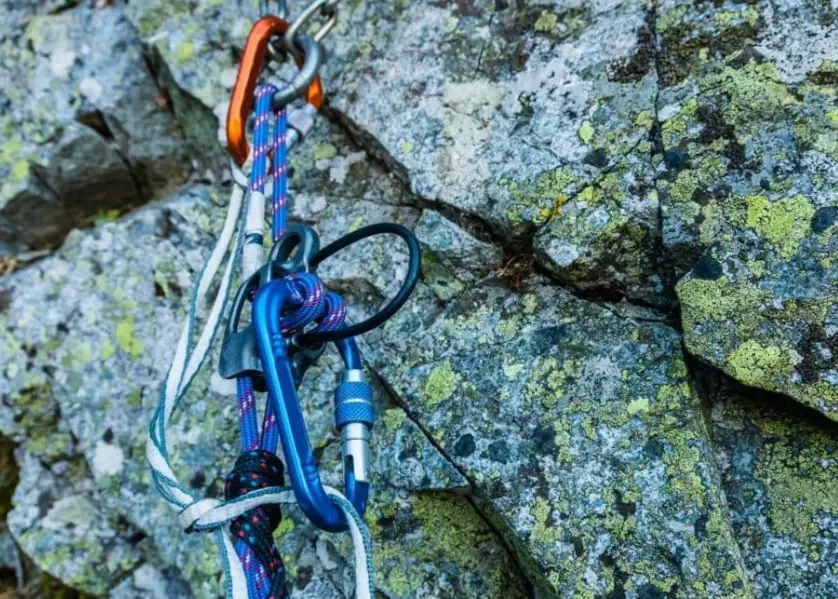
Protection: This includes cams, nuts, and ice screws—the gear you place in the rock or ice to catch a fall. Learning to place this gear reliably is a skill unto itself and requires formal instruction and practice. Don't just buy it and head out.
| Harness Type | Best For | Key Feature |
|---|---|---|
| Alpine / Mountaineering | Mixed climbing, ice climbing, general mountaineering | Adjustable leg loops, reinforced gear loops |
| Lightweight Climbing | Sport climbing, fast alpine ascents | Minimal padding, very light |
| Big Wall | Multi-day climbs | Full padding, haul loop |
I made the mistake of using a lightweight sport harness for a long alpine route once. By hour ten, the lack of padding was excruciating. Lesson learned: match the harness to the day's expected punishment.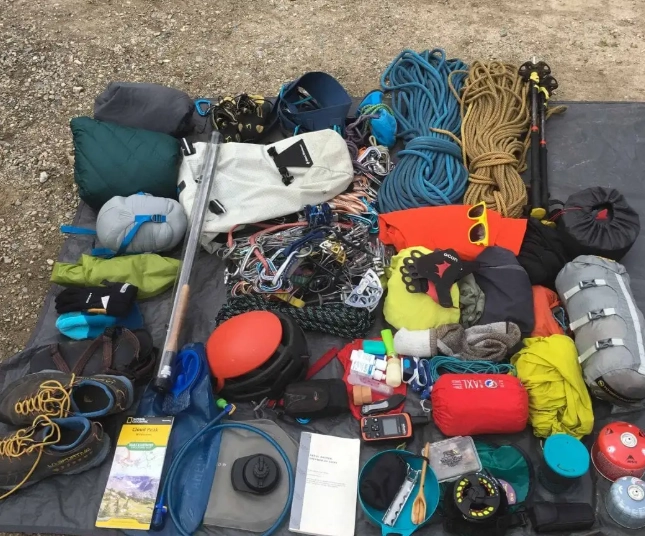
Packing and Weight Distribution: The Art of the Haul
A heavy pack throws off your balance and drains energy with every step. Organization is everything.
Pack Selection: Volume (e.g., 40L, 65L) depends on trip length. Features matter: a dedicated rope strap, ice axe loops, a hip belt that actually transfers weight to your hips (not your shoulders), and easy-access pockets for snacks and layers.
Packing Order: Think in terms of access frequency and weight distribution.
- Bottom: Sleeping bag, items not needed until camp.
- Middle/Core: Heaviest items (food, stove, water reservoir) close to your back and centered between your shoulders and hips.
- Top: Layers, puffy jacket, first-aid kit, rain shell—things you might need quickly.
- External: Use straps for the rope, sleeping pad, or wet tent fly.
A well-packed load should feel balanced side-to-side and not pull you backward. Do a test walk around your house with a loaded pack. If it feels wrong now, it'll be a nightmare at 12,000 feet.