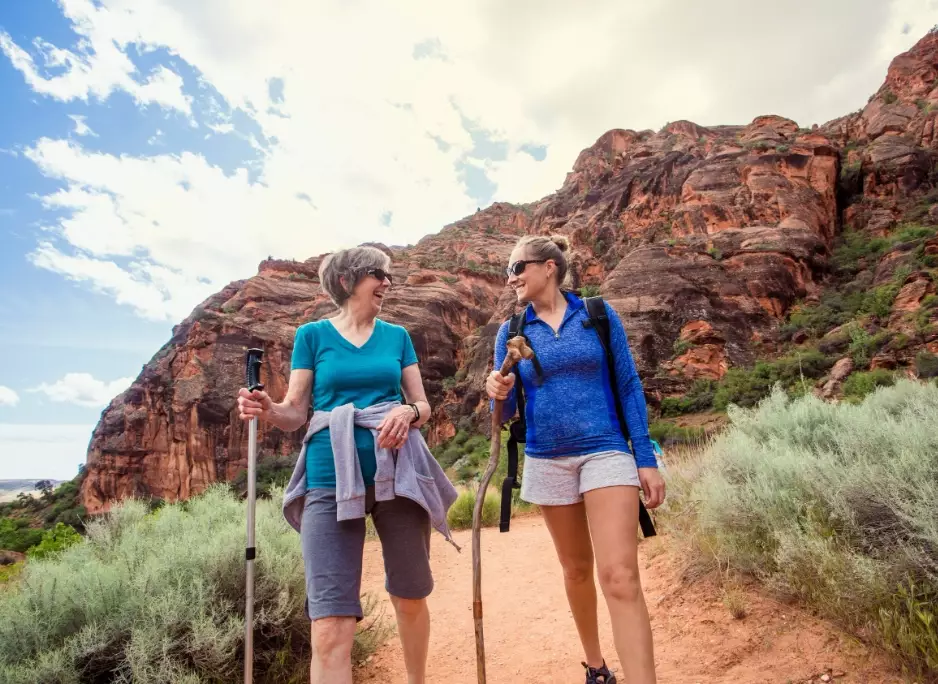
Let's be honest. Most of us spend hours researching boots, packs, and rain jackets, but treat socks as an afterthought. Big mistake. I learned this the hard way on a three-day trek in the Rockies. My boots were broken in, my pack was dialed in, but my generic cotton socks turned my feet into a blister-filled mess by day two. That trip changed my perspective completely. The right pair of hiking socks for women isn't just an accessory; it's a critical piece of safety gear that stands between you and a miserable, trip-ending injury.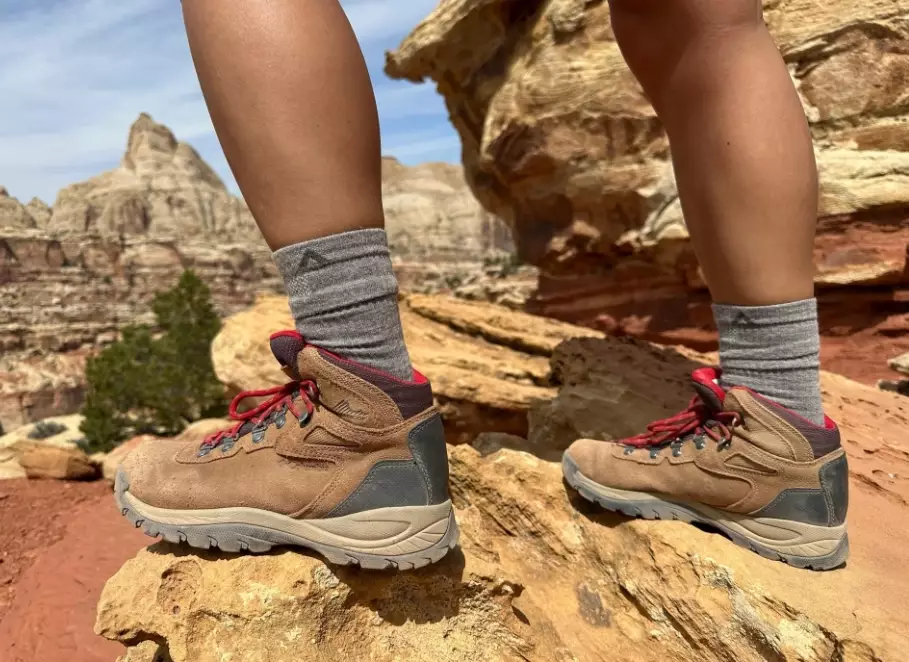
This guide cuts through the marketing fluff. We'll look at why women's feet need specific consideration, break down the materials and features that matter, compare top brands based on real use, and answer the questions you're actually searching for.
Your Quick Trail Map
Why "Just Get a Smaller Men's Size" Doesn't Work
This is the first non-consensus point. Many brands simply shrink their men's sock patterns and call it a women's line. It's not just about length; it's about proportions. Women's feet, on average, have a narrower heel relative to the forefoot and a higher instep. A sock designed for a male foot pattern will often have excess material bunching at the heel or constricting the arch, creating friction points from the very first step.
Then there's temperature regulation. Studies, like those referenced by the American Hiking Society, suggest women's core temperatures can fluctuate differently during endurance activities. Your feet are a major thermoregulation zone. A sock that doesn't manage moisture and heat effectively for your physiology will leave you with either sweaty, swampy feet or cold toes, regardless of the boot's insulation.
How to Choose the Best Hiking Socks for Women: The 4 Pillars
Forget brand names for a second. Your decision should rest on these four factors.
1. Material Breakdown: It's Not "All Wool" or "All Synthetic"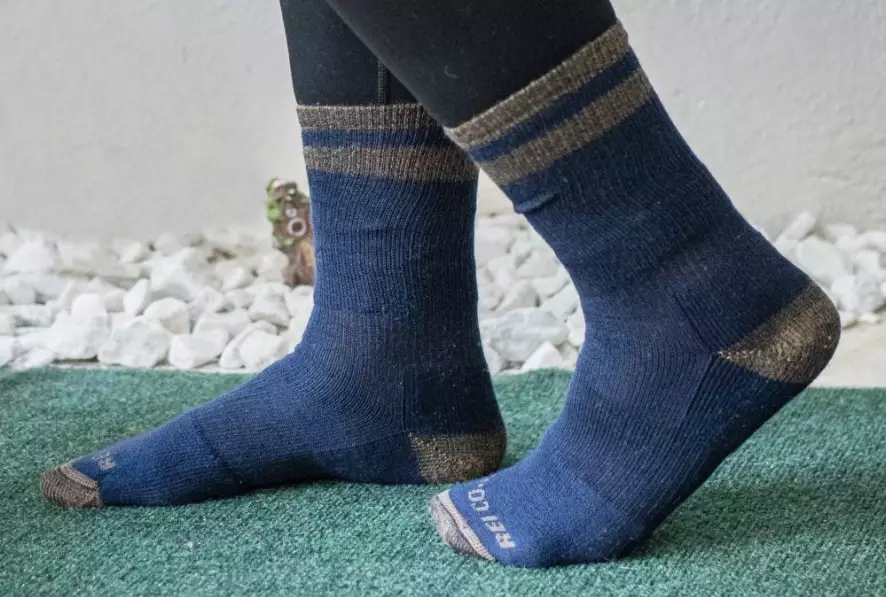
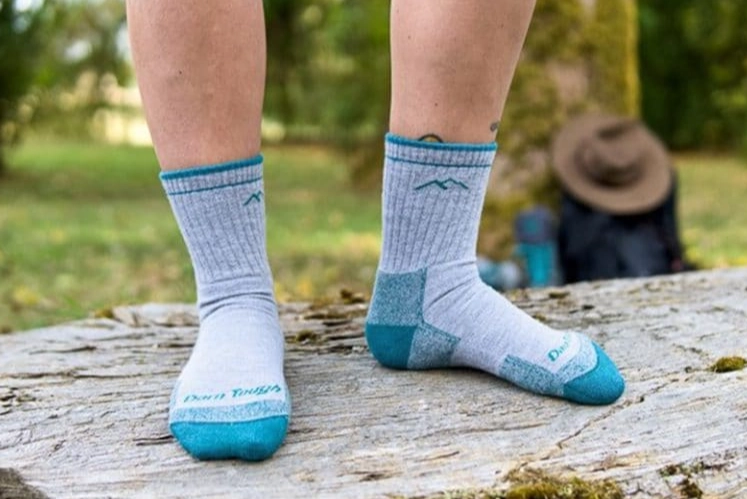
Merino Wool: The gold standard for a reason. It wicks moisture, regulates temperature (cool in heat, warm when wet), and resists odors naturally. Look for a blend. 100% merino can be less durable. A mix with 15-30% nylon or polyester (like Smartwool's or Darn Tough's blends) adds longevity without sacrificing much comfort.
Synthetic (Polyester, Nylon): Dries incredibly fast and is often more affordable. The downside? Odor resistance is poor. After a couple of days, they can stand up by themselves. Great for short trips where you can wash them nightly.
Blends: This is where most performance socks live. A merino-wool-synthetic blend aims for the best of both worlds. Some now include Tencel or recycled materials for sustainability points.
Avoid Cotton at All Costs. It absorbs moisture like a sponge and holds it next to your skin, dramatically increasing blister risk and causing feet to get cold. This is non-negotiable.
2. Cushioning & Height: Match the Trail, Not the Trend
Cushioning is strategic padding. More isn't automatically better.
- No-Show/Low-Cut: Best for trail runners or hiking shoes in warm weather. Offers minimal protection.
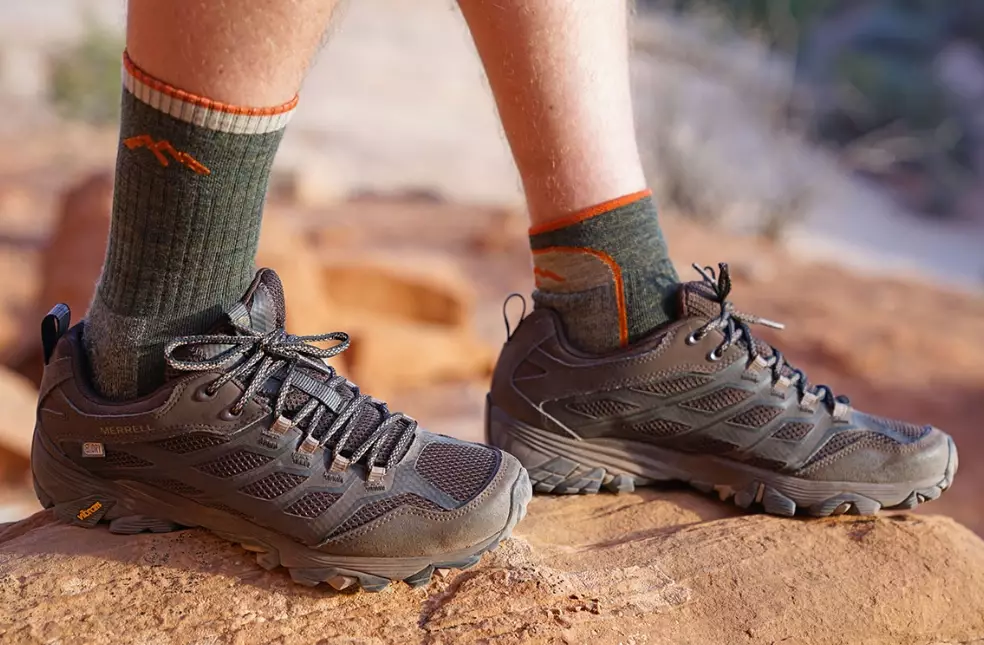
- Ankle/Crew: The classic hiking sock height. Protects from boot rub and debris. Ideal for most day hiking.
- Mid-Calf/Knee-High: Essential for bushwhacking, tall grass, or snow to protect your shins. Also provides light compression for calf muscles on long descents.
3. Fit is Everything: The Snug vs. Tight Conundrum
A hiking sock should fit like a second skin—snug without any constriction. Wrinkles and folds are blister factories. If you have to pull excess fabric away from your toes or heel, the size is wrong. Many brands (like Farm to Feet) now offer more precise sizing (e.g., S, M, L) rather than just a shoe-size range, which helps. Don't assume your shoe size maps directly to your sock size. Check each brand's chart.
4. Special Features: What's Worth It?
Left/Right Specific Socks: Some brands offer them. They provide a more anatomical fit. Nice to have, but a well-designed unisex sock often suffices.
Seamless Toes: A flat, smooth toe seam (or better yet, no seam) is critical. Run your finger inside the toe box. If you feel a prominent, raised ridge, put it back. That ridge will grind against your toenails on downhill sections.
Arch Support & Compression Zones: Light elastic panels can help keep the sock in place and reduce foot fatigue. Very useful for long-distance hikers.
Women's Hiking Sock Brands: A Side-by-Side Look
Based on years of testing and guiding, here’s how the top contenders stack up. This isn't about good vs. bad, but about which sock solves which problem.
| Brand | Best For | Material Blend (Typical) | Key Feature | Consideration |
|---|---|---|---|---|
| Darn Tough | Durability & Lifetime Guarantee | Merino Wool, Nylon, Lycra | Unbeatable warranty. They truly replace them if they wear out. | Can feel slightly thicker/less breathable in their full-cushion models. |
| Smartwool | All-Around Performance & Comfort | Merino Wool, Nylon, Elastane | Extensive range for every activity and cushion level. Reliable. | The fit can be a bit baggier in the heel compared to some. |
| Farm to Feet | Precise Fit & Sustainability | US-Sourced Merino, Nylon, Lycra | Excellent anatomical fit. Strong traceability story. | Less variety in fun patterns/colors. |
| Injinji | Toe Splay & Blister Prevention | Various (Merino, Synthetic) | Toe-sock design eliminates toe-to-toe friction completely. | Takes getting used to. Sizing is critical. |
| Balega | Plush Comfort & Moisture Management | Polyester, Nylon, Lycra | Incredibly soft, moisture-wicking liners or lightweight options. | Primarily running-focused, but many models excel for fast-paced hiking. |
My personal workhorse for multi-day trips is a mid-weight merino blend from Darn Tough. For summer day hikes, I often grab a lightweight Balega or a specific summer-weight Smartwool. I tried Injinji for a season—fantastic for blister prevention between toes, but I never loved the sensation.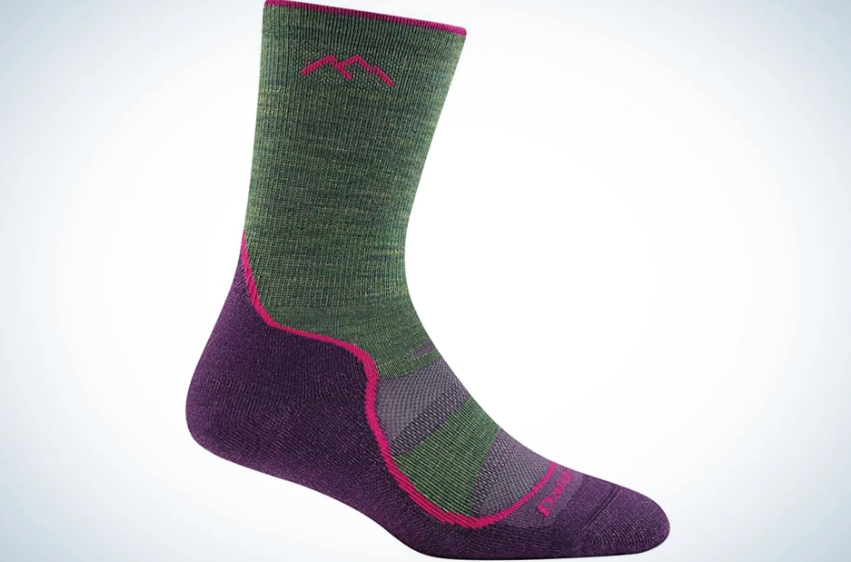
Making Your Socks Last: Care & Maintenance
Good socks deserve good care. Turn them inside out before washing to loosen dirt from the padding. Use cold water and a mild detergent. Avoid fabric softeners and bleach—they coat the fibers, destroying their wicking and odor-resistant properties. Tumble dry on low heat or air dry. High heat shrinks wool and damages elastic.
Rotate between two or three pairs on a long trip. Air them out at lunch and at camp. A quick rinse in a stream (if environmentally appropriate) and wringing them out can revive them significantly.
Your Hiking Sock Questions, Answered
 My feet sweat excessively, even in wool socks. What should I do?
The bottom line is this: your hiking socks are a direct interface with the ground. Investing in the right pair—and knowing how to choose them—is as important as any other piece of gear in your pack. Start with the activity, match the material and cushion, and prioritize fit above a flashy brand name. Your feet will thank you for miles to come.