Let's cut to the chase. The "best" climbing pants don't exist. Not as a single, universal product. What exists is the best climbing pants for you—for your body, your preferred style of climbing, and the specific problems you're trying to solve at the crag. I've seen too many climbers, especially beginners, grab the most popular or expensive pair only to find the knees bag out after six months or the waistband digs in during a high step. This guide isn't just a list. It's a framework for making a decision you won't regret, backed by years of testing gear in places like Rifle, Red Rock, and my local granite slabs.
Your Quick Route to the Right Pants
Why Climbing Pants Aren't Just Sweatpants
You can climb in jeans. I've done it. It's miserable. Proper climbing pants are engineered tools. The difference is in the details: strategic stretch panels that let you rock a high heel hook without feeling like you'll split the seam, reinforced knees and seat that laugh at granite crystals, and a fit that moves with you, not against you. A study by the Outdoor Industry Association consistently highlights freedom of movement and durability as the top purchase drivers for technical apparel. That's exactly what you're paying for.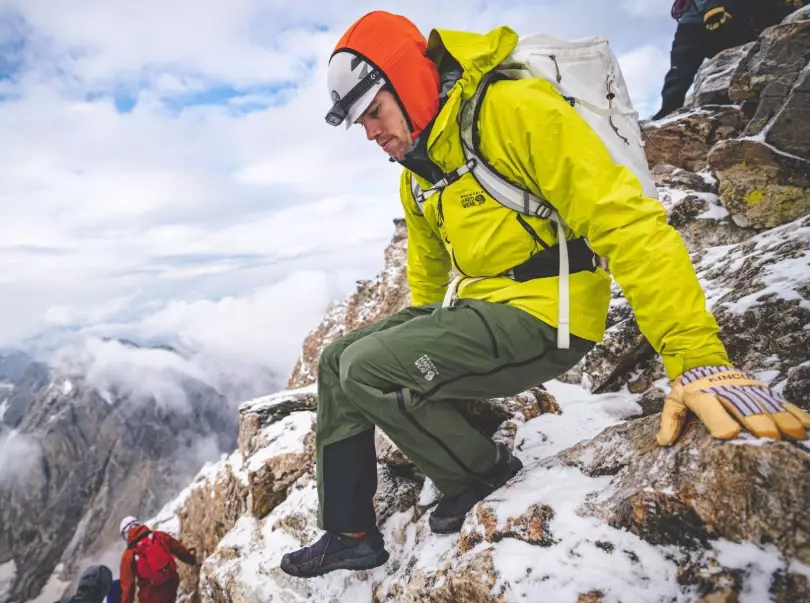
The 4 Non-Negotiables for Choosing Climbing Pants
1. Fabric: The Foundation
Forget just "cotton" or "polyester." Look for blends. A common winner is a mix of nylon (for toughness), spandex/Lycra (for 4-way stretch), and sometimes a touch of polyester for moisture-wicking. The ratio matters. More spandex (e.g., 10-15%) means more stretch but potentially less durability on rough rock. A fabric like Schoeller®-style softshell offers weather resistance but can be heavier.
My personal litmus test? I rub the knee area firmly against a rough surface (a brick wall works). If it snags immediately, it won't last a season on volcanic rock.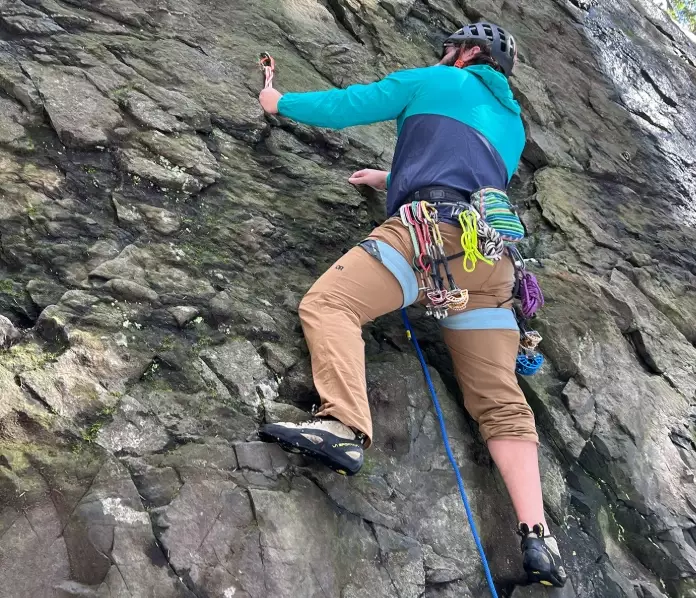
2. Fit & Cut: Where Most Brands Fail
This is the silent deal-breaker. You need room in the hips and thighs for a full range of motion, but not so much that you're swimming in fabric. The waist should stay put without a belt when you're hanging. Here's the secret most miss: the rise (distance from crotch to waistband). A low-rise pant will constantly expose your back when reaching. A mid-to-high rise is crucial for climbing.
Try this: in the fitting room, get into a deep squat, then simulate a high step onto a chair. If you feel any pinch or restriction in the groin or knee, try a different size or brand.
3. Features That Actually Help (And Gimmicks to Avoid)
Useful: Gusseted crotch (a diamond-shaped piece of fabric) for unrestricted movement. Reinforced knees, often with double-layered fabric or a tougher weave. Zippered pockets that securely hold a phone and keys. A simple, non-bulky adjustable waistband.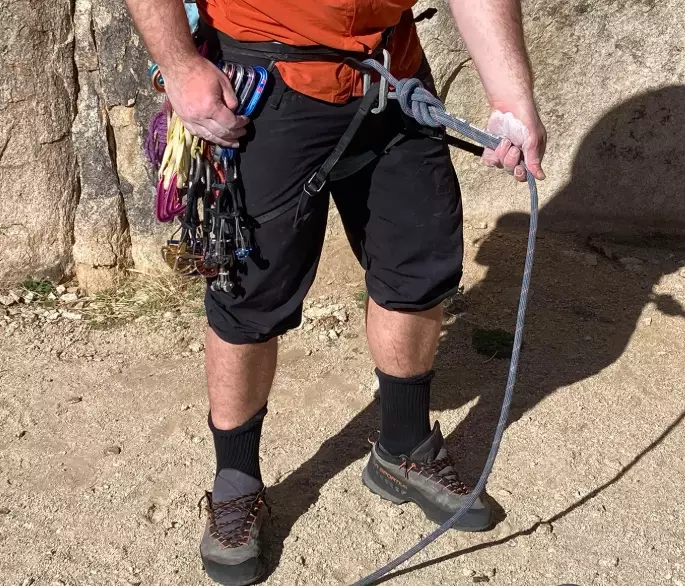
Overhyped: Dozens of tiny pockets you'll never use. Excessively heavy "burly" fabric for general gym or sport climbing. Convertible pants that zip off into shorts—the zipper often creates a pressure point.
4. Durability vs. Weight: The Trade-Off
Heavier, burlier fabrics (like 94% nylon, 6% spandex) will withstand endless knee bars and crack climbing. Lighter, more breathable fabrics (often with more polyester) are sublime for warm-weather face climbing or gym sessions. You likely need both. Don't buy one "do-it-all" pant expecting it to excel at both.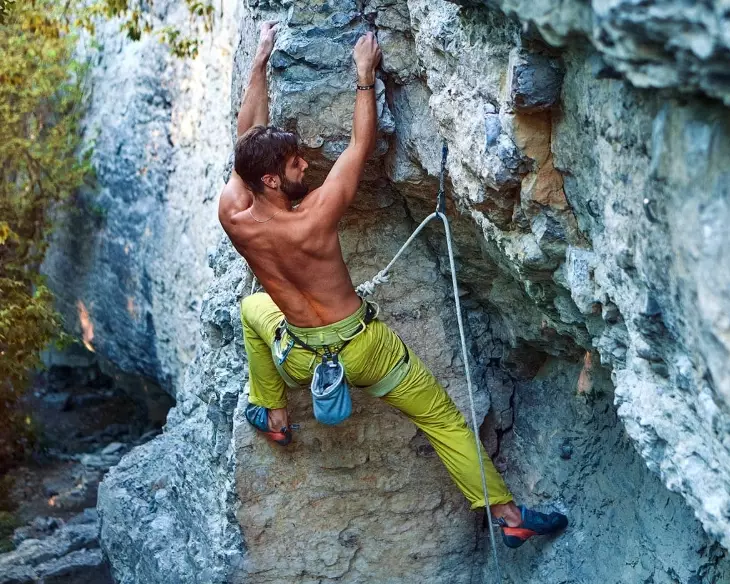
Top Picks, Matched to Your Climbing Style
Based on hundreds of days of use and feedback from climbing partners, here's how current models stack up. Remember, fit is king—these are guidelines.
| Best For / Model | Key Features & Materials | Where It Shines | Potential Drawback |
|---|---|---|---|
| All-Around Champion: Prana Stretch Zion |
97% Nylon, 3% Spandex. Gusseted crotch, durable water repellent (DWR) finish, adjustable waist. | Incredible balance. Durable enough for moderate abrasion, stretchy enough for anything. The benchmark for a reason. | The fit can be a bit "straight" for those with athletic thighs. The DWR washes out over time. |
| Bouldering & Gym: Black Diamond Notion Pants |
Lightweight, breathable fabric blend. Minimalist design, articulated knees. | Super lightweight and flexible. Feels like wearing pajamas but looks sharp. Perfect for powerful, dynamic movement. | Not for rough rock. The light fabric can be prone to snagging on sharp edges. |
| Multi-Pitch & Alpine: Arc'teryx Gamma LT Pant |
Fortius™ DW 2.0 softshell fabric. Wind-resistant, highly breathable, durable face fabric. | When the weather is uncertain or you need extra protection from wind/spray. Moves beautifully and is surprisingly tough. | Price. It's a significant investment. Less stretch than dedicated stretch-woven pants. |
| Durability King: Fjällräven Abisko Mound Pants |
Sturdy G-1000 Eco fabric (65% polyester, 35% cotton). Can be waxed for increased weather resistance. | Crack climbing, off-width, bushwhacking approaches. These things are nearly indestructible. | Stiff when new and has less inherent stretch. Requires break-in and/or waxing for optimal performance. |
| Women's Specific Fit: Patagonia Caliza Rock Pants |
4-way stretch hemp blend blend. Recycled materials. Articulated patterning for a woman's shape. | Excellent, tailored fit for women that addresses the hip-to-waist ratio. Sustainable material choice. | The hemp blend, while eco-friendly, can feel less slick and stretchy than some synthetic blends initially. |
What Most Guides Won't Tell You: Pro Tips & Common Mistakes
After a decade, here's the stuff I learned the hard way.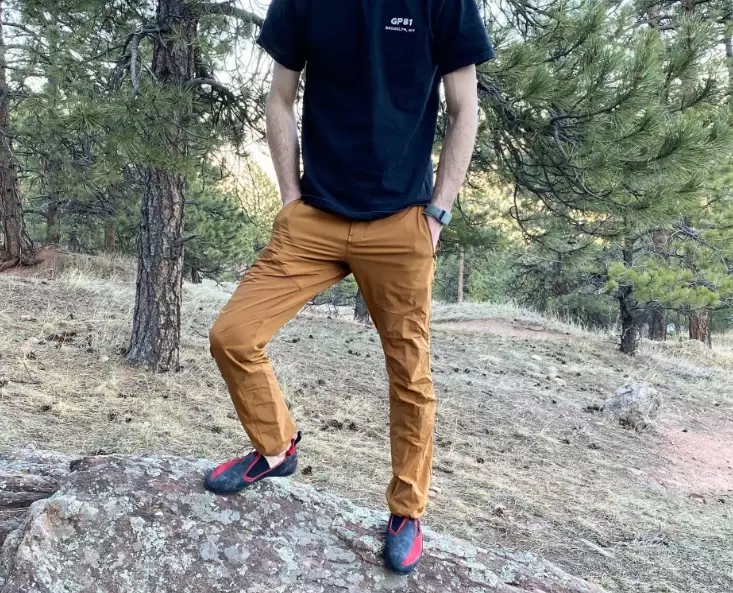
The Knee Articulation Illusion: Many pants tout "articulated knees." This is often just extra stitching. What you really want is 3D patterning—where the knee panel is actually cut and sewn to pre-form a bent shape. It's a more expensive construction method (used by brands like Arc'teryx and some models from Outdoor Research), but it eliminates bunching behind the knee completely. Look at the seams around the knee; if they look complex and curved, that's a good sign.
The Belt Loop Test: If a pant absolutely requires a belt to stay up, the fit is wrong for climbing. A belt adds bulk, can dig in when harness leg loops go over it, and is just another thing to fuss with. The ideal climbing pant has a secure, comfortable waist on its own, with adjustment tabs as a fine-tuner, not the primary closure.
Care Matters More Than You Think: Wash your climbing pants in cold water and hang them to dry. The heat from a dryer is the #1 killer of elastic fibers (spandex). It degrades them over time, leading to that dreaded loss of shape and sagging. I've made pairs last twice as long just by air-drying.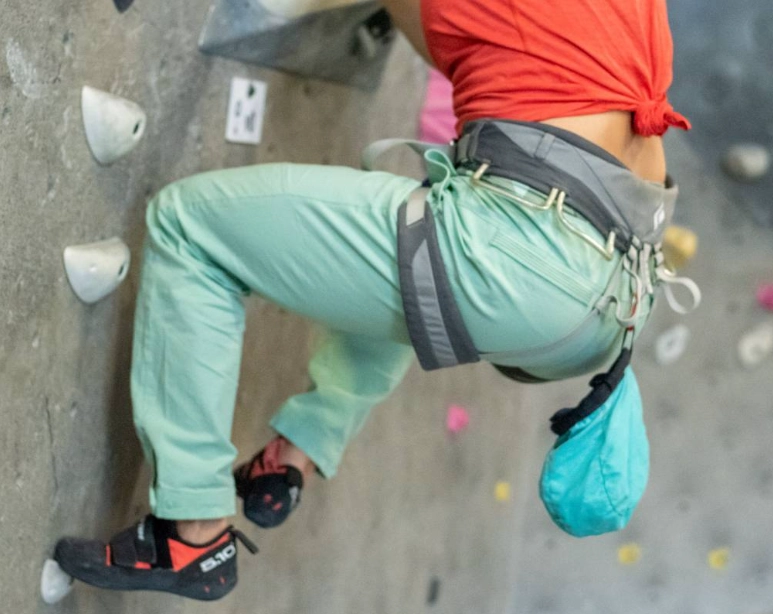
Your Burning Questions, Answered
You can get away with athletic pants, but you'll notice the difference. Gym ropes and volumes are often covered in abrasive texture that eats through thin polyester running tights. A dedicated gym pant like the Black Diamond Notion or a lightweight model from La Sportiva uses a more abrasion-resistant face fabric on the knees and seat. They also typically have a tighter, less baggy fit that prevents snagging on holds. For primarily gym use, prioritize breathability and knee durability over burly weather resistance.
The sweet spot for quality and durability is between $80 and $120. Below $70, you're often compromising significantly on fabric quality or construction, leading to shorter lifespan. Above $150, you're paying for premium materials, brand name, and often features like weather resistance or ultra-refined patterning that you may not need for everyday cragging. My first recommendation, the Prana Zion, usually sits right in that $85-95 range and represents outstanding value.
Buying for their street size, not their climbing size. If you wear 32" waist jeans, you might need a 33" or even 34" in climbing pants to accommodate the fit needed for high steps and deep lunges. They should feel slightly roomy in the thighs and hips when standing normally. The second mistake is prioritizing "softness" over durability. That buttery-soft fabric feels amazing in the store but will often pill and wear through at friction points in months. A slightly more robust, technical-feeling fabric will serve you far longer.
Yes, this area has improved dramatically. The Patagonia Caliza (mentioned above) uses recycled and hemp materials. prAna has a strong commitment to recycled nylon and bluesign® approved fabrics in many of their newer lines. Fjällräven prioritizes long-lasting materials and repair-ability. The performance gap has nearly closed. The main difference might be in the "hand feel"—recycled polyester can sometimes feel slightly different than virgin material—but in terms of stretch, durability, and function, the top sustainable options are now legitimately competitive. It's no longer just a compromise for ethics.