Ever felt that heart-stopping moment when a rope slips just a bit too fast through your belay device? Or stared at a wall of ropes in a shop, completely overwhelmed by numbers like 9.8mm, 70m, and UIAA Falls? You're not alone. Choosing and using a belay rope isn't about picking the shiniest one; it's about understanding the critical link between you, your partner, and the rock. Get it wrong, and you're flirting with disaster. Get it right, and it becomes an extension of your safety system you barely think about. After a decade of clipping bolts and placing gear from Yosemite to Chamonix, I've seen the same subtle mistakes made with ropes time and again. This guide isn't just a spec sheet. It's about the why behind the numbers and the hands-on feel that specs can't tell you.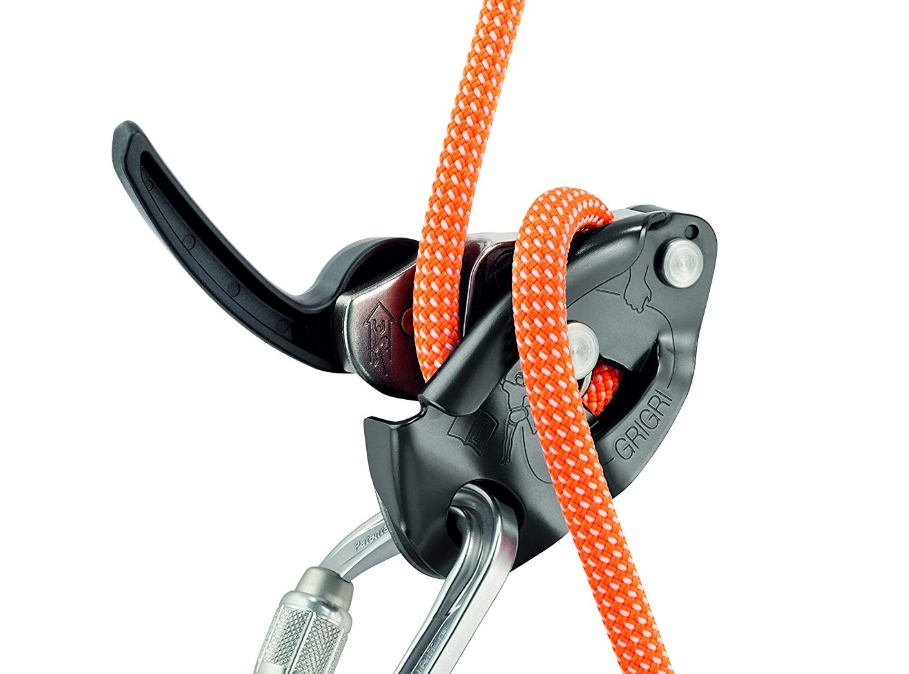
What's Inside This Guide?
- Dynamic vs. Static: The Fundamental Split You Can't Ignore
- How to Choose the Right Belay Rope Diameter and Length
- Beyond Marketing: Understanding UIAA Ratings and Construction
- From Coiling to Catching: Real-World Handling and Common Mistakes
- Rope Care, Retirement, and Knowing When to Let Go
- Expert Answers to Your Tricky Belay Rope Questions
Dynamic vs. Static: The Fundamental Split You Can't Ignore
This is the first and most critical decision. Get this wrong, and you're using a tow rope for bungee jumping.
Dynamic ropes are what 99% of climbers mean when they say "belay rope." They're designed to stretch. That stretch is a feature, not a bug. When a climber falls, the rope elongates, absorbing the kinetic energy and reducing the impact force on the climber's body, the gear, and the belayer. This is governed by strict UIAA (International Climbing and Mountaineering Federation) tests for impact force and number of falls held. All single, half, and twin ropes for lead climbing are dynamic.
I made a classic newbie mistake years ago. I used a skinny, ultra-static line for top-roping a short, overhanging route, thinking it would be more "direct." The fall was only ten feet, but with zero stretch, it felt like hitting concrete. My back was sore for a week. The rope did its job—it didn't break—but it transmitted all the force. Dynamic ropes are there to make falls survivable and less jarring.
Static ropes have minimal stretch (typically less than 5%). They're for hauling gear, ascending fixed lines in big-wall climbing, rescue scenarios, or caving. They are not for catching leader falls. Using a static rope to lead climb is extremely dangerous and would generate impact forces high enough to fail your protection or injure you severely.
How to Choose the Right Belay Rope Diameter and Length
Now, within dynamic ropes, you have a spectrum defined by thickness and length. This is where your climbing style dictates your gear.
Rope Diameter: The Weight vs. Durability Trade-Off
Diameter is measured in millimeters. It's the single biggest factor influencing weight, handling, and durability.
- 9.2mm – 9.6mm (Skinny / Lightweight): These are the sports cars. Incredibly light and fast through carabiners, reducing drag on long, wandering sport routes. The trade-off? They have a thinner sheath, so they wear out faster, especially from repeated falls on abrasive sport-climbing bolts. They can also be trickier to handle, especially for new belayers. I love a 9.4mm for long alpine rock routes where every gram counts.
- 9.7mm – 9.9mm (All-Around / Workhorse): This is the sweet spot for most climbers. It's the Toyota Tacoma of ropes—durable enough for gym use, weekend cragging, and learning, but still light enough for multi-pitch adventures. The handling is predictable, and they last a long time. If you're buying your first rope, start here. A 9.8mm rope is rarely a bad choice.
- 10.0mm+ (Burly / Durability-First): These are the tanks. Thick sheath, heavy, but incredibly durable. They're overkill for most gym and sport climbing. Their real home is big-wall climbing, where the rope gets dragged over rough rock for days, or in climbing gyms with extremely high traffic and abrasive walls. The weight penalty is significant.
Here’s a quick comparison to visualize the trade-offs:
| Diameter Range | Best For | Pros | Cons |
|---|---|---|---|
| 9.2mm - 9.6mm | Sport climbing, alpine climbing, weight-conscious climbers | Lightweight, low drag, fast handling | Less durable, higher wear, trickier belay feel |
| 9.7mm - 9.9mm | All-around cragging, trad climbing, gym use, first rope | Great balance of durability & weight, predictable handling, long lifespan | Slightly heavier than skinny ropes |
| 10.0mm+ | Big-wall climbing, high-traffic gyms, top-roping only | Extreme durability, thick sheath | Very heavy, stiff handling, bulky |
Rope Length: 60m, 70m, 80m – What Do You Actually Need?
This is geography-specific. The old standard was 60 meters. It's still common in gyms and many older climbing areas. However, the new de facto standard for outdoor climbing is 70 meters. Why? Modern route development often spaces anchors farther apart to create longer, more continuous pitches. A 70m rope gives you the flexibility to climb these modern routes and safely lower off. Many guidebooks now specify if a route requires a 70m rope.
An 80m rope is a specialty item for massive, single-pitch routes or for linking two shorter pitches on a multi-pitch climb. They are heavy and cumbersome for general use.
My advice: Check the guidebook for your local crag or intended destination. If in doubt, buy a 70m rope. The extra ten meters is cheap insurance against a terrifying moment when you're trying to lower and realize your rope is too short.
Beyond Marketing: Understanding UIAA Ratings and Construction
Those little UIAA labels sewn into the rope end aren't just logos. They certify the rope passed specific, brutal safety tests.
- UIAA Falls: This is the number of standard test falls (using an 80kg weight) the rope held before breaking. A typical single rope rating is "UIAA Falls ≥ 5." More is not necessarily "safer"—once it passes, it passes. A higher number can sometimes indicate a stiffer, less dynamic rope.
- Impact Force: Measured in kilonewtons (kN), this is the maximum force transmitted during the first UIAA test fall. Lower is better for reducing load on gear and the body. A typical range is 8-9 kN. An "ultra-low impact force" rope might be around 7.5 kN, which is gentler on marginal gear placements in trad climbing.
- Sheath Slip: This measures how much the outer sheath moves relative to the core. Too much slip is bad and indicates poor construction.
Construction matters too. Most modern ropes use a dry treatment. This isn't just for ice climbing. It repels water, dirt, and abrasion, significantly extending the rope's life even in dry climates. It's worth the extra cost.
From Coiling to Catching: Real-World Handling and Common Mistakes
Specs are useless if you can't handle the rope properly. Here's where I see the most errors.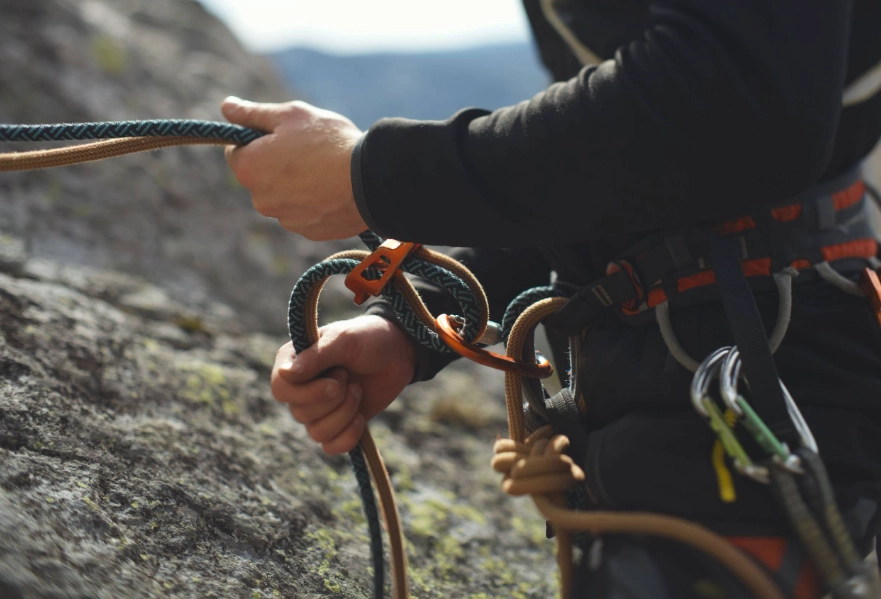
Coiling and Storage: Never store your rope tightly coiled in a stuff sack for months. This sets a memory in the kernmantle (core and sheath) structure, creating horrible kinks. Store it loose in a large mesh bag or, better yet, in a cool, dry, dark place draped loosely. My preferred method for a day out is the mountaineer's coil—it's fast, secure, and easy to deploy without tangles.
The "Feel": A rope's handling characteristic—how stiff or supple it is—is rarely in the specs. A stiff rope (often with a higher denier core) is great for durability but can be a pain to flake and clip. A soft, supple rope feels beautiful in the hands and feeds smoothly but might be less cut-resistant. There's no right answer, just preference. Try to handle a rope before you buy, or read reviews that mention "hand."
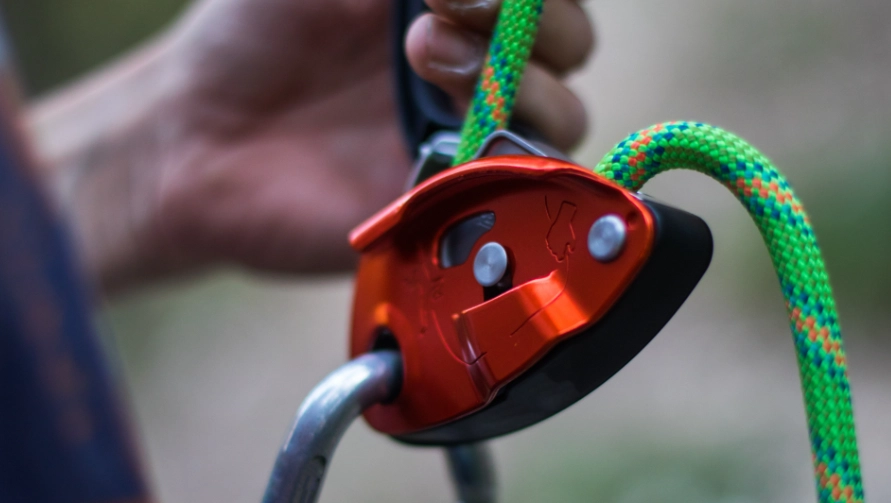
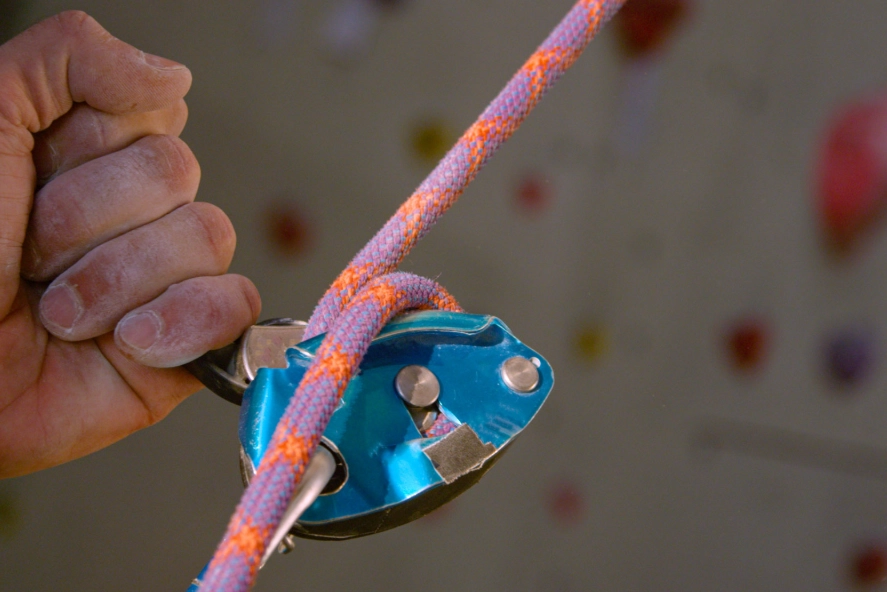
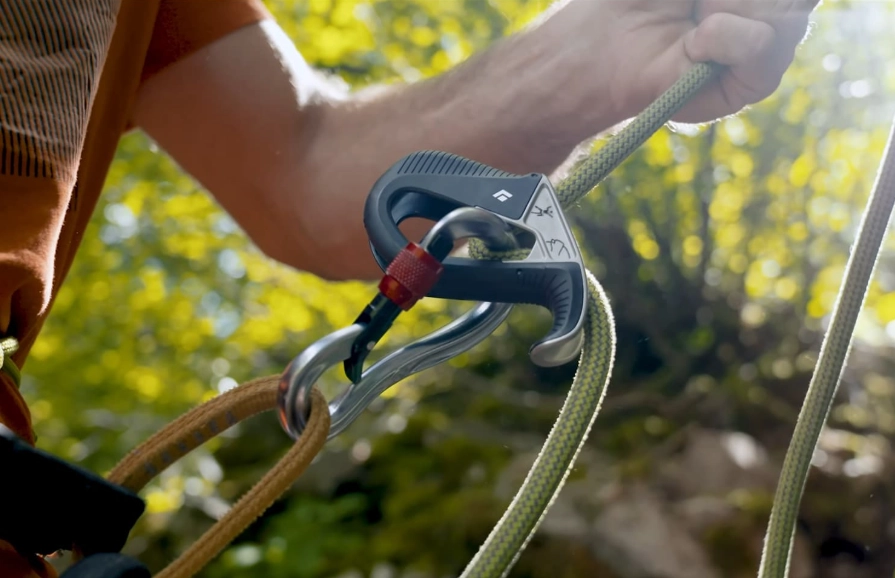
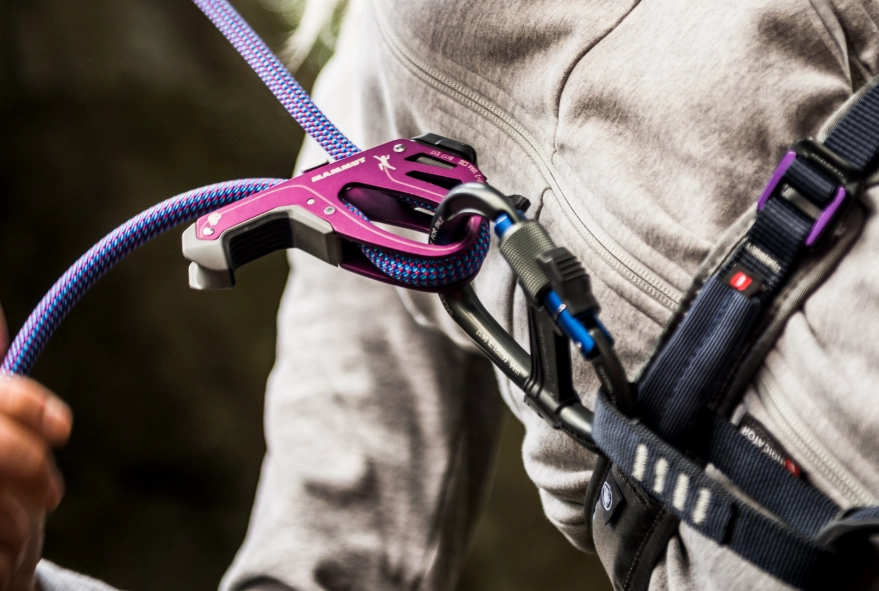
Belay Device Compatibility: Your rope diameter must work with your belay device. An assisted-braking device like a Petzl Grigri or an Edelrid Mega Jul has a specific optimal diameter range (usually 8.9mm - 10.5mm). Using a skinny 9.2mm rope in a Grigri designed for 9.4mm+ can lead to inadequate braking or the rope slipping through in panic situations. Check your device's manual.
Rope Care, Retirement, and Knowing When to Let Go
A rope doesn't have an expiration date. It has a retirement condition. Inspect it before every use.
- Feel the entire length: Run it through your hands, looking and feeling for flat spots, excessively fuzzy areas, or changes in diameter. A slightly fuzzy sheath is normal; a sheath worn so thin you can feel individual core strands is not.
- Check for core damage: Bend a short section into a tight loop. If the rope holds the shape like a slinky or you can feel lumps, the core may be damaged. A healthy rope will spring back.
- Retire it if: It has taken a massive fall with high load factors (e.g., a factor 2 fall), it has been chemically contaminated (gasoline, battery acid), it has a cut sheath exposing the core, or it feels drastically different in any section. When in doubt, retire it. A $200 rope is not worth your life.
Expert Answers to Your Tricky Belay Rope Questions
 I found a tiny, hard lump in my rope. Should I cut it out?