Let's cut to the chase. A first aid kit isn't a nice-to-have; it's a must-have. Whether you're at home, in the car, or halfway up a hiking trail, the contents of that little box or pouch can mean the difference between a quick fix and a trip to the ER. But here's the problem most people face: they buy a pre-made kit, toss it in a closet, and forget about it until they need it, only to find expired ointments and flimsy bandages.
I've spent over a decade leading outdoor trips and responding to minor (and not-so-minor) emergencies. I've seen kits fail because they were missing one critical item. This guide isn't just a list. It's a blueprint for building a first aid kit that actually works, based on the injuries you're most likely to encounter.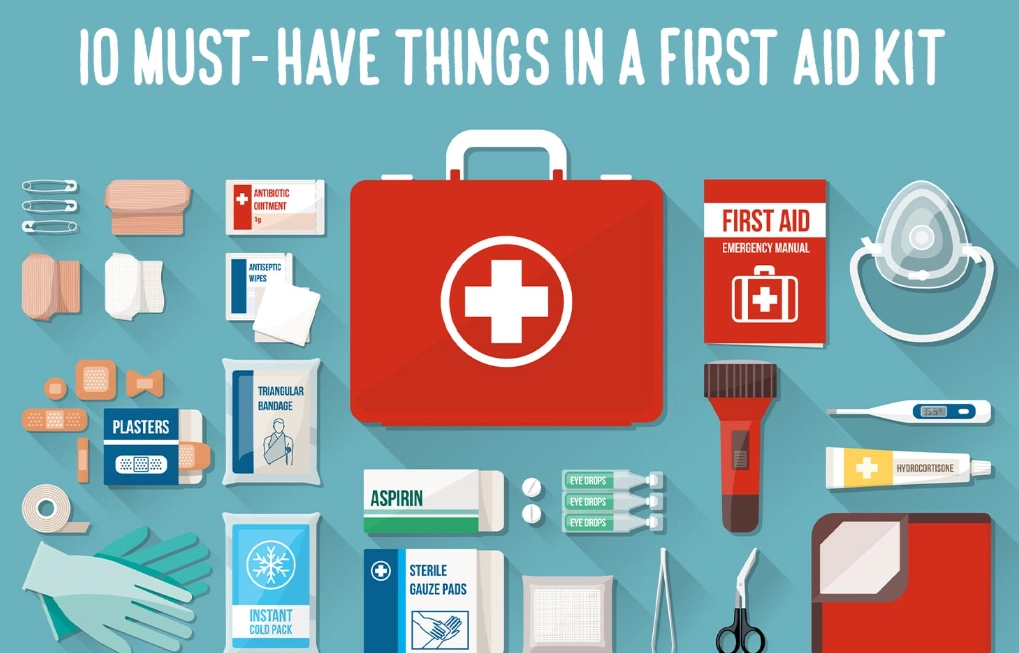
What You'll Find in This Guide
Why These Ten Items Are the Core
Forget the 50-piece kits filled with useless single-use finger splints. Effective first aid is about treating common, urgent problems: bleeding, infection, pain, and shock. The ten items outlined here address over 95% of the situations a typical person or family will face. They're multi-purpose, reliable, and have a long shelf life. Think of them as your medical toolkit's hammer, screwdriver, and wrench—the fundamentals you'll reach for again and again.
A Quick Note on Pre-Made Kits
There's nothing wrong with buying a pre-assembled kit from a reputable brand like Adventure Medical Kits or the Red Cross. In fact, it's a great starting point. But you must open it, familiarize yourself with every item, and then augment it. Most commercial kits skimp on quality gauze and often lack a good trauma pad or cohesive bandage. Treat a store-bought kit as a base model, not the finished product.
The Essential Ten: Your First Aid Kit Inventory
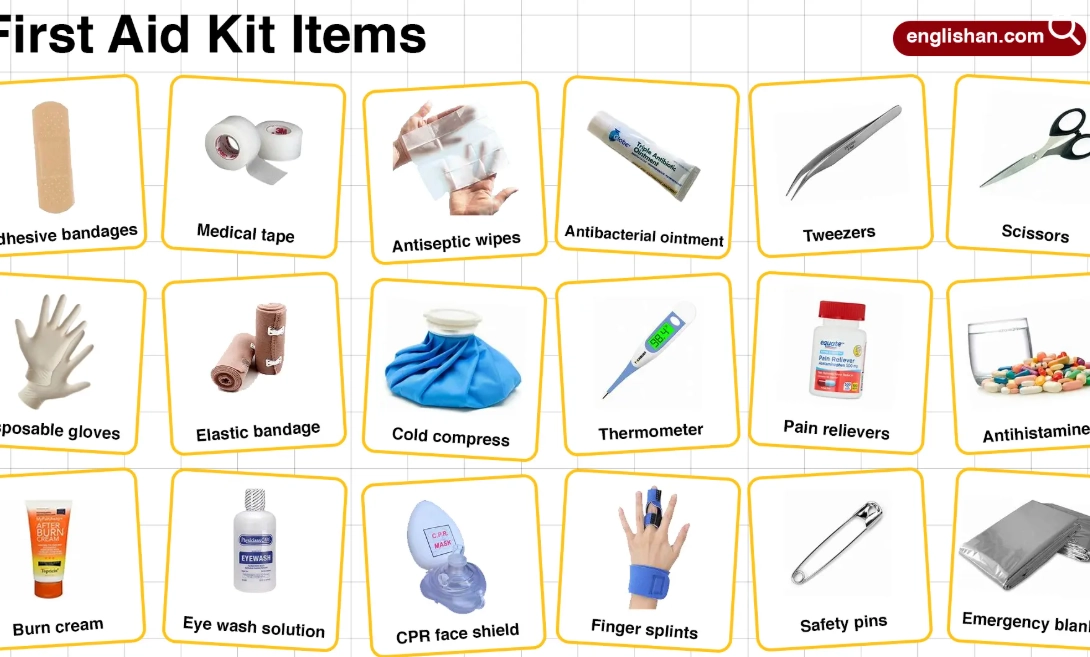
Here’s the breakdown. I've organized these not just by item, but by the primary problem they solve. This table gives you the quick overview, and the details below explain the "why" and "how."
| Item Category | Specific Items & Quantities | Primary Use | Pro Tip / Common Error |
|---|---|---|---|
| Wound Care & Bleeding Control | Adhesive Bandages (various sizes, 20+), Sterile Gauze Pads (4x4 inch, 5-10), Roller Gauze (2 rolls), Adhesive Tape (1 roll), Trauma Pad/Israeli Bandage (1) | Covering cuts, scrapes, applying pressure to stop bleeding. | Don't use cotton balls or fluffy cotton; fibers stick to wounds. |
| Cleaning & Infection Prevention | Antiseptic Wipes (10 packets), Antibiotic Ointment (3-5 single-use packets) | Cleaning wounds to prevent infection. | Wipe from the center of the wound outward. Don't blow on a wound to dry it. |
| Tools & Instruments | Sharp Scissors with Blunt Tips (1 pair), Tweezers (splinter type, 1), Disposable Gloves (nitrile, 2-3 pairs) | Cutting clothing/tape, removing debris, protecting yourself. | |
| Pain & Inflammation | Pain Relievers (Ibuprofen & Acetaminophen, small packs) | Reducing pain, fever, and inflammation. | Include both types; they work differently. Know the dosage. |
| Emergency & Support | Emergency Blanket (foil type, 1), First Aid Manual (1 concise guide) | Blanket's shiny side goes toward the body to reflect heat. Practice before you need it. |
1. Adhesive Bandages (Assorted Sizes)
Everyone has these, but most people only have the tiny, flimsy ones. You need a variety: small round ones for blisters and finger cuts, larger strips for knees and elbows, and knuckle or fingertip bandages for those awkward spots. The key is the pad material—make sure it's non-stick. I've seen people rip off a bandage and reopen a wound because it fused to the scab. Keep at least 20 in your kit. They disappear fast.
2. Sterile Gauze Pads & Roller Gauze
This is where most kits fail. Gauze pads (4x4 inches are most versatile) are for covering larger wounds after cleaning. Roller gauze holds them in place and can be used to create pressure. Don't get the cheap, see-through stuff. Get a decent quality, woven gauze that absorbs. A common mistake is applying a gauze pad, taping only the edges, and creating a soggy, contaminated pool in the middle. Use enough padding and secure it well.
3. Adhesive Tape
Not all tape is equal. Paper tape is gentle but weak. Cloth tape (like Hypafix or generic cloth tape) is strong, breathes, and tears easily. Avoid clear plastic tape for medical use—it doesn't breathe and can macerate skin. Have at least one roll of 1-inch cloth tape.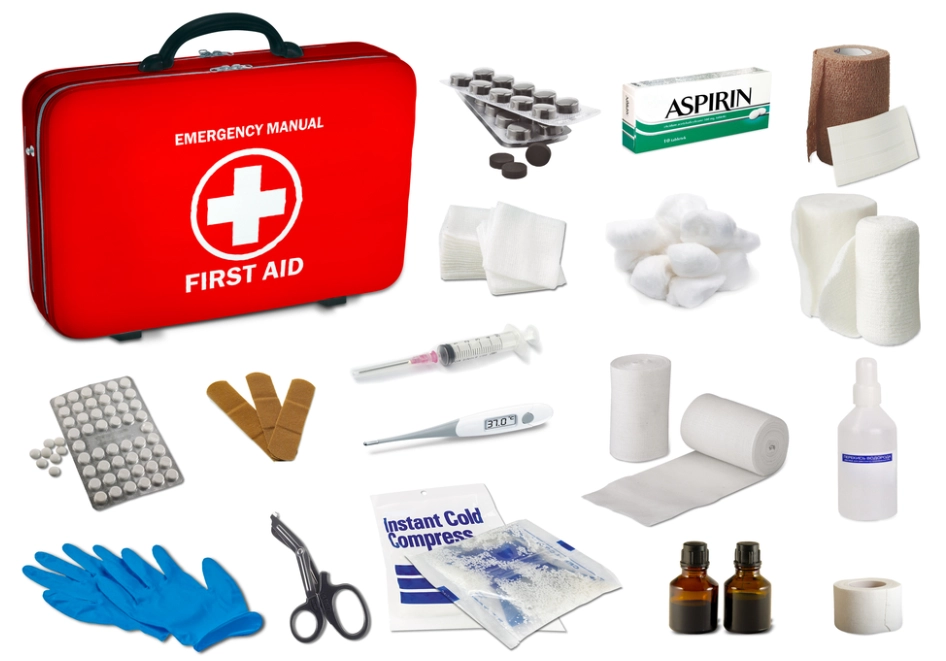
4. Trauma Pad or Israeli Bandage
This is the single most important item for serious bleeding that most personal kits lack. A trauma pad is a thick, absorbent dressing designed for heavy bleeding. An Israeli bandage combines a pad with a built-in pressure wrap. If someone has a deep cut that's bleeding heavily, a few 4x4 gauze pads will be soaked through in seconds. A trauma pad is designed to handle that. It's for the "oh crap" moments. Buy one.
5. Antiseptic Wipes & Antibiotic Ointment
Cleaning a wound is more important than covering it. Single-use alcohol or benzalkonium chloride wipes are perfect. I prefer the non-stinging BZK wipes for kids. Antibiotic ointment (like bacitracin) in single-use packets keeps the wound moist and fights infection. Tubes expire and get messy. Packets stay sterile.
6. Tools: Scissors, Tweezers, Gloves
Scissors: Must have blunt tips. You'll use them to cut clothing away from an injury, not to perform surgery. Blunt tips are safer. Tweezers: Fine-point, splinter tweezers. The cheap ones that come in kits bend and slip. A good pair can remove a tick or a deep splinter effectively. Gloves: Nitrile, not latex (allergies). At least two pairs. This is for your protection from bloodborne pathogens. It's not optional.
7. Pain Relievers (Ibuprofen & Acetaminophen)
Ibuprofen reduces inflammation (great for sprains, muscle aches). Acetaminophen reduces pain and fever but not inflammation. Having both lets you treat different problems. Keep them in their original blister packs with the dosage information. Don't dump loose pills into a baggie.
8. Emergency Blanket
That flimsy foil sheet is for treating shock, not just staying warm. A person who has lost blood or is severely injured is at risk of hypothermia, even in mild weather. The blanket reflects their body heat back to them. The common error? Putting the shiny side out. It should go toward the body. Also, they are incredibly loud. In a real emergency, that's the last thing you care about.
9. First Aid Manual or Quick-Reference Card
Under stress, people forget how to properly apply a tourniquet or treat for shock. A simple, visual guide from a source like the American Red Cross is invaluable. Don't rely on your phone having service or battery.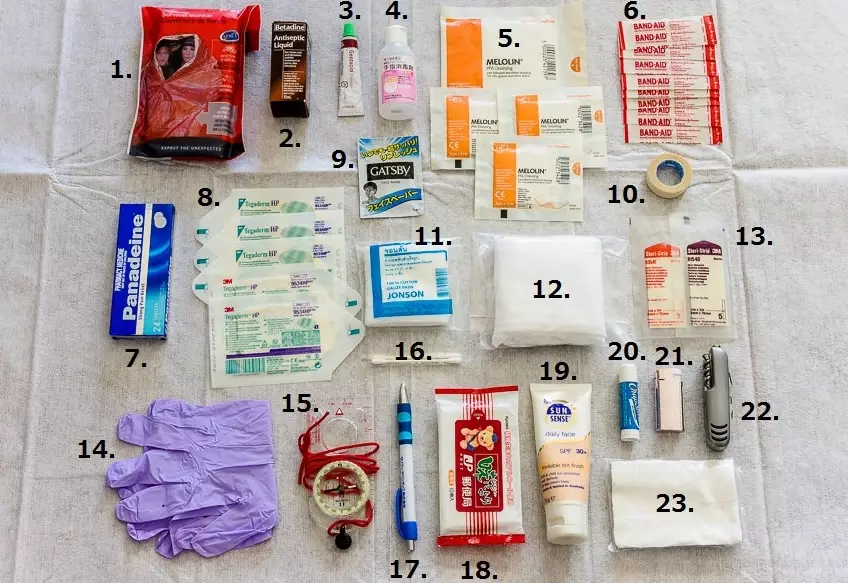
Common First Aid Kit Mistakes (And How to Avoid Them)
I've built and restocked dozens of kits. Here are the subtle errors that render them useless.
The "Set and Forget" Kit: You check the expiration date on the pills but ignore the antibiotic ointment and the antiseptic wipes. They dry out. Do a full inventory check every 6 months. Mark the date on the kit.
No Personalization: A kit for a family with young kids needs child-dose pain relievers and more fun-shaped bandages. A hiking kit needs blister-specific supplies like moleskin. Your car kit needs items that can withstand temperature extremes. Think about who uses it and where.
Poor Packaging: A loose pile of items in a plastic box is a mess when you're in a hurry. Use small ziplock bags to group items by function: "wound cleaning," "bandaging," "meds." It makes finding what you need under pressure much faster.
How to Customize Your Kit for Your Needs
Once you have the core ten, add based on your life.
For Families: Add children's liquid pain/fever reliever (check expiration frequently), a digital thermometer, and larger quantities of kid-friendly bandages.
For Hikers/Outdoor Enthusiasts: Add moleskin or blister pads, a SAM splint (a moldable splint), a signal mirror, and water purification tablets. Your first aid kit blends into your survival kit.
For the Car: Add a flashlight with extra batteries, a window breaker/seatbelt cutter tool, and a space blanket that's heavier than the basic foil one. Temperatures in a car can ruin medications, so consider a smaller med kit you bring inside in extreme weather.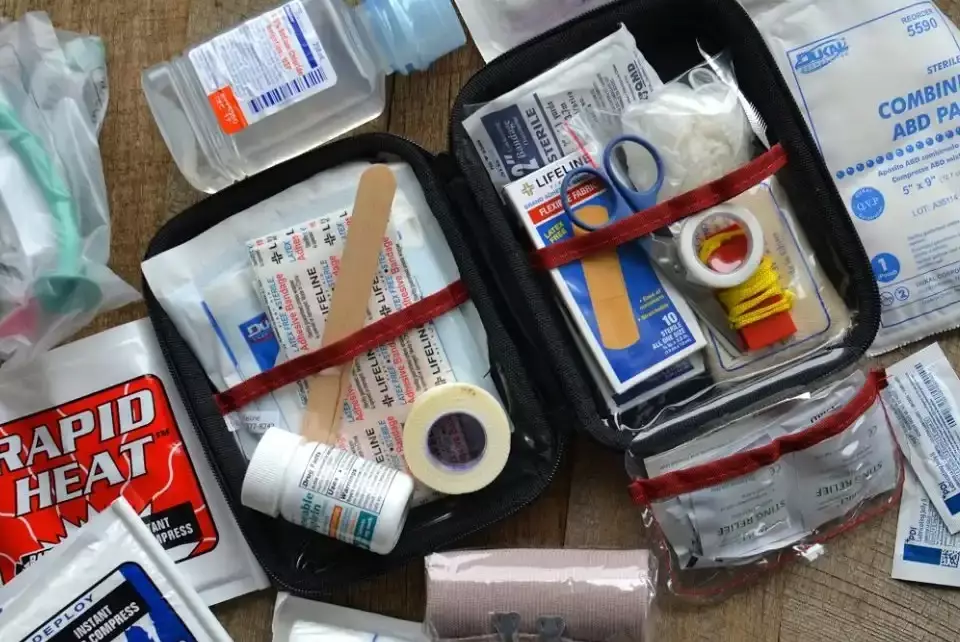
Your First Aid Questions Answered
How often should I replace items in my first aid kit?
Mark a date on your calendar every 6 months. Check all medications and ointments for expiration dates. Inspect seals on wipes and sterile packaging. Batteries for any included devices (like a flashlight) should be checked. Even if not expired, replace any item that looks damaged, discolored, or has dried out.
What's the most important thing to add to a basic store-bought kit?
A quality trauma pad or Israeli bandage. Pre-made kits are notoriously light on serious bleeding control. For less than $15, you add a critical layer of safety for a severe cut or laceration. It's the upgrade with the highest potential impact.
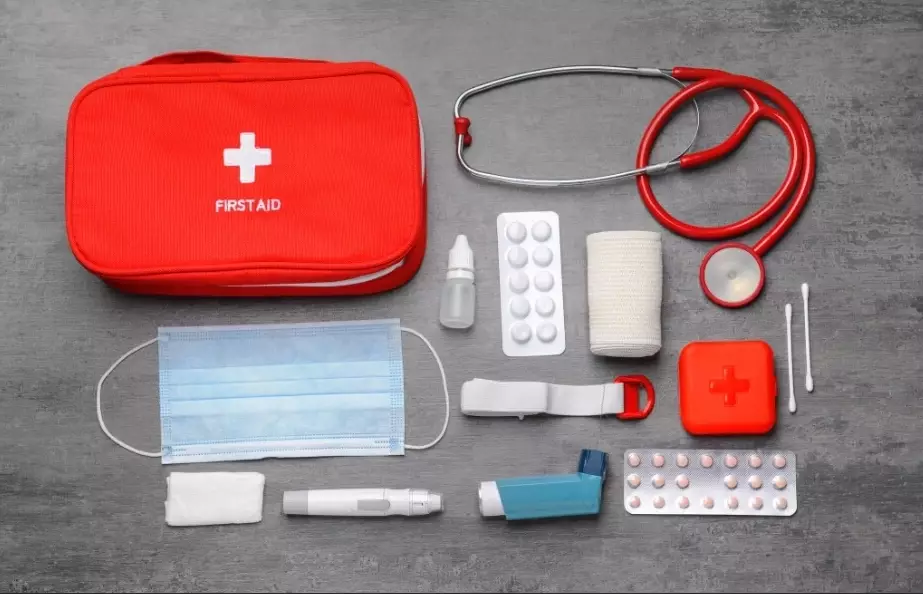 Should I include prescription medications like an EpiPen or personal inhaler?
Never include someone else's prescription medication in a general-use kit. However, for a personal kit or a family kit where a member has a known severe allergy (e.g., a child with a bee sting allergy), a prescribed EpiPen is the most important item in that kit. It should be stored according to the doctor's instructions, clearly labeled, and everyone who might need to use it should be trained.
What's a good container for a DIY first aid kit?
A durable, water-resistant container with a solid latch. Hard plastic boxes with dividers are great for home/car. For backpacks, a soft-sided, zippered pouch with multiple compartments works better. The container should be bright red or orange and clearly marked with a white cross so anyone can find it quickly.
Where is the best place to keep a first aid kit at home?
Central and accessible. The kitchen or a main hallway closet is often better than a bathroom medicine cabinet, which can get humid. Make sure every adult and older child in the house knows where it is. Consider having a smaller, identical kit in your most-used vehicle.