Let's cut to the chase. Yes, hydration packs work. They're not a gimmick. But that simple answer is like saying "a car gets you from point A to point B." It misses the nuance, the trade-offs, and the real-world experience that determines whether a hydration pack will work *for you*. I've logged thousands of miles with a tube dangling over my shoulder, from parched desert hikes to sweaty mountain bike races. I've also had a reservoir burst and soak my entire pack's contents (not fun). So, does the convenience outweigh the quirks? Let's dig in.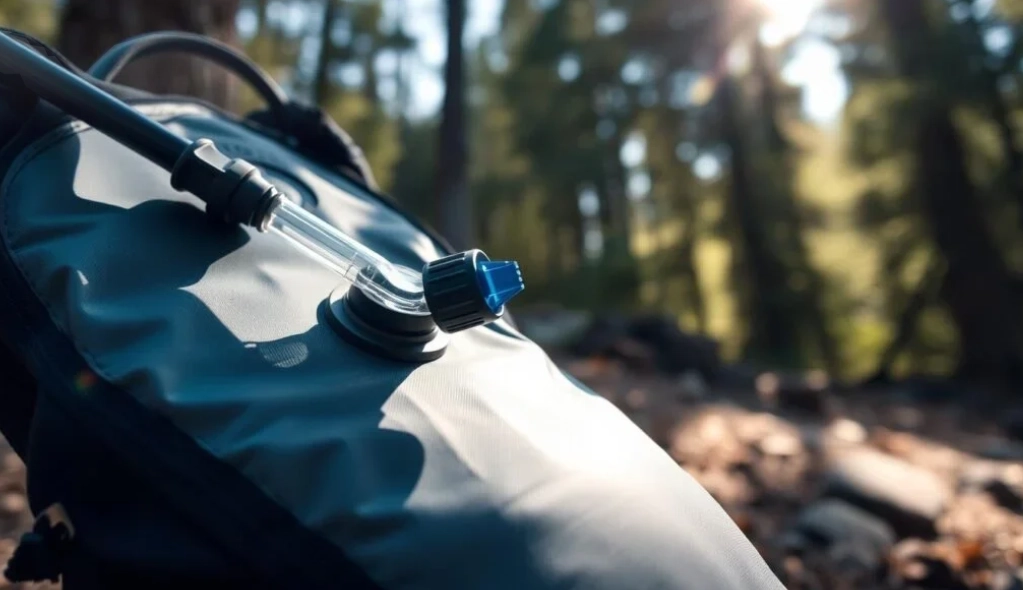
What's Inside: Your Quick Trail Guide
What Even Is a Hydration Pack?
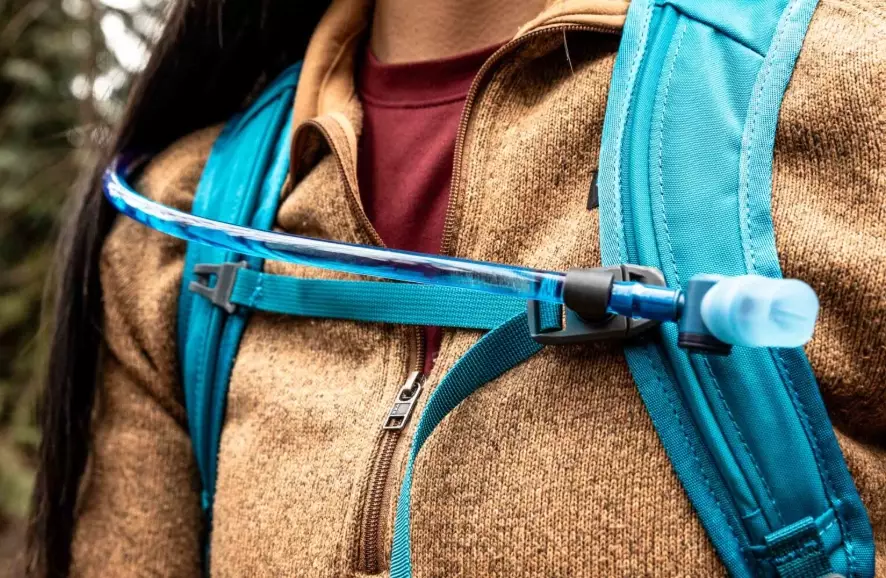
It's a backpack with a built-in, flexible water bladder (the reservoir) and a hose that clips to the shoulder strap. You sip through a bite valve without stopping or using your hands. It's different from just carrying water bottles. The core idea is hands-free hydration, keeping you sipping frequently with minimal effort.
The Real Benefits: Why They're a Game-Changer
The marketing gets this part right. The advantages are tangible.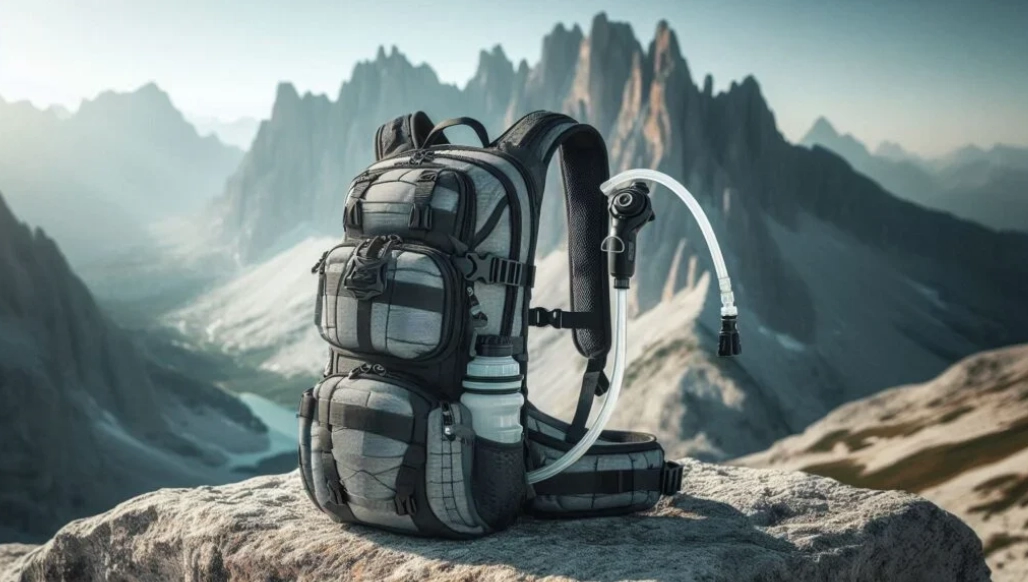
You Drink More, Without Thinking
This is the biggest win. When water is literally inches from your mouth, you take small, frequent sips. You stay ahead of thirst. Dehydration creeps up on you during activity, impacting endurance, focus, and recovery. With a bottle, you might delay drinking because it's a whole production—stop, unzip, grab, drink, stow. The pack removes that friction.
Superior Weight Distribution & Balance
A full 3-liter reservoir sits flush against your back, centered between your shoulder blades. The weight is integrated and stable. Compare that to two swinging 1-liter bottles in side pockets. For running, mountain biking, or scrambling, the balanced feel is noticeably better. It just moves with you.
Frees Up Your Hands and Pack Space
Your hands are for trekking poles, bike handlebars, or scrambling over rocks. The water is on your back, not in your hands. Internally, the bladder compartment takes up space, but it's efficient. You're not losing external pockets to bottles, which you can then use for layers, snacks, or a camera.
The Honest Drawbacks & Annoyances
Nobody talks about these enough. Here's the unfiltered truth from the trail.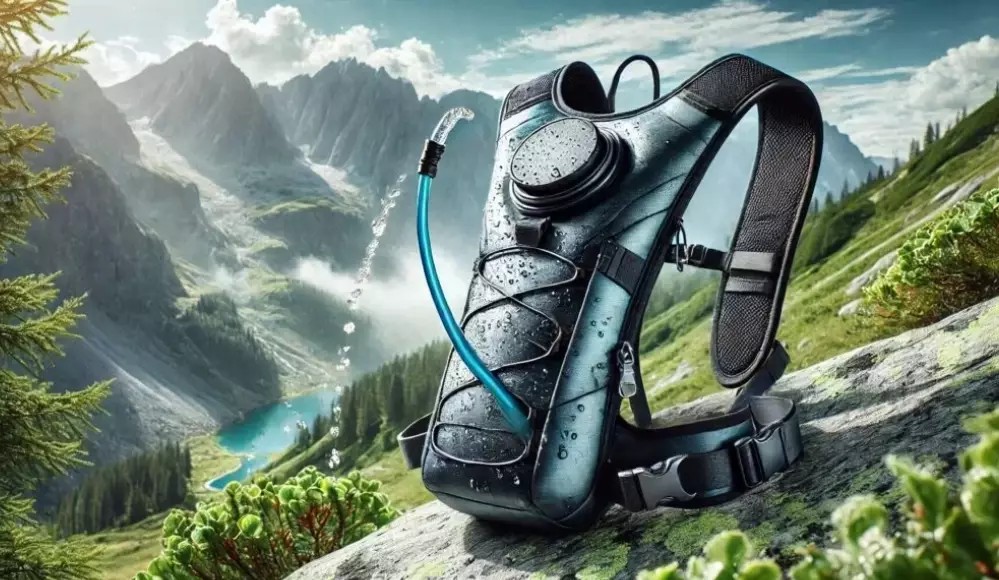
The Cleaning and Maintenance Hassle
This is the number one complaint, and it's valid. Stagnant water in a dark, damp tube and bladder is a mold and bacteria paradise. You must clean it regularly. It's more involved than rinsing a bottle. You need to dry the inside of the bladder completely, which often means hanging it open with a clothes hanger. Forget once, and you might be greeted by a funky smell next time.
You Can't See How Much You've Drank
Out of sight, out of mind. With a bottle, you get a visual gauge. With a bladder, you're guessing. Did I drink half? A quarter? You have to suck air or slosh the pack to estimate. This can lead to poor pacing—drinking too much too early or running out unexpectedly.
The Potential for Catastrophic Leaks
It's rare with quality packs, but it happens. A faulty seal on the bladder, a puncture from a sharp object inside your pack, or a bite valve that gets stuck open. When a bladder fails, it doesn't just leak a little—it can empty into the main compartment of your backpack. I once had a laptop sleeve in a commuting pack get soaked because of a slow leak I didn't notice. Trust me, it's a mess.
Cost and Complexity
A good hydration pack system costs more than a couple of durable water bottles. You're also dealing with more parts: the bladder, hose, valve, closure mechanisms, and the pack itself. More parts mean more potential points of failure.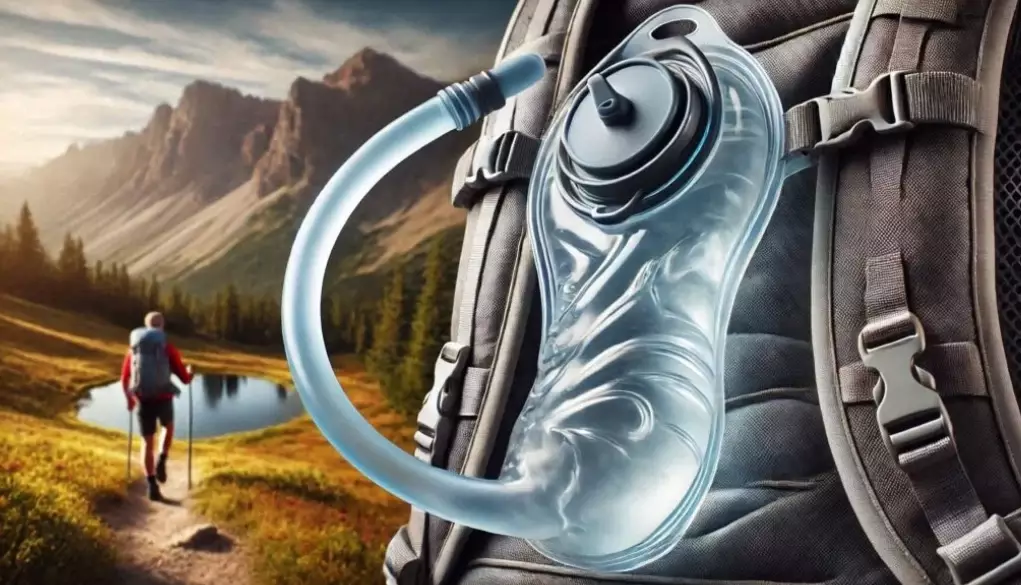
How to Choose the Right Hydration Pack
If the pros outweigh the cons for your activities, here's how to pick one. Focus on these features.
| Feature | What to Look For & Why It Matters |
|---|---|
| Reservoir Material & Taste | TPU (Thermoplastic Polyurethane) is the gold standard. It's more durable, flexible when cold, and most importantly, it's taste-free. Avoid cheaper PVC bladders; they can leave a plastic taste in your water. |
| Hose & Bite Valve Design | The hose should be insulated to prevent water from heating up in the sun. The bite valve should have a reliable on/off switch or cover to prevent accidental leaks in your pack. Look for valves that are easy to clean. |
| Pack Fit & Capacity | This is about the backpack, not the bladder. Choose a pack volume (e.g., 12L, 20L) that fits your gear needs for a typical outing. Most importantly, it must fit your torso length comfortably. An ill-fitting pack ruins the experience. |
| Ease of Refilling | A wide-mouth opening makes it easy to add water, ice cubes, or electrolyte powder. Some have a "Quick Link" system that lets you detach the hose for easy refilling without removing the bladder—a huge plus on long days. |
| Dedicated Bladder Sleeve | A suspended, internal sleeve keeps the bladder upright and protects the rest of your gear from condensation or minor leaks. It should have a hook or loop at the top to keep the bladder from sinking. |
Brands like Osprey, CamelBak, and Platypus are leaders for a reason—their designs have been refined over decades. Osprey's Hydraulics™ reservoirs, for example, have a magnetic bite valve that secures to the sternum strap, which is a brilliant little quality-of-life feature.
Pro Tips for Using Your Pack (Avoid My Mistakes)
Here's the stuff I learned the hard way, so you don't have to.
Freeze it partially for all-day cold water. The night before a hot hike, fill the bladder 2/3 full and lay it flat in the freezer. Top it off with cold water in the morning. You'll have ice-cold water for hours.
Store it properly, every single time. Immediately after use, empty it completely. Rinse with a little warm water and a drop of dish soap. Hang the bladder and hose open to dry. Never store it wet or sealed up. I use dedicated drying hangers from companies like PlatyPreserver.
Use a carabiner to manage the hose. Clip the excess hose loop to a shoulder strap or the pack's haul loop. This stops it from swinging around and getting caught on branches.
For electrolytes, use a separate bottle or a soft flask. Don't put sugary drink mixes directly into your main reservoir. The sugar residue is a nightmare to clean and will absolutely promote mold growth in the tube. Use a small, separate bottle for your sports drink.
Do a leak test before every big trip. Fill the bladder, seal it, lay it on a towel, and apply gentle pressure. Check the seams, the cap, and the hose connections. Five minutes of prevention saves a day of misery.
Your Hydration Pack Questions, Answered
Are hydration packs good for hiking in cold weather, or does the water freeze in the tube?
They can be problematic in freezing temps. The water in the exposed tube and bite valve will freeze first. The trick is to use an insulated hose cover (sold separately) and, more importantly, to blow air back into the tube after each sip. This clears the water from the tube back into the insulated pack, preventing a frozen block. Some hardcore winter hikers will keep the tube inside their jacket.
How often do I really need to clean my hydration bladder to prevent mold?
After every single use. Rinse it out. Let it dry completely. That's the baseline. For a deeper clean, maybe once a month with active use, use a specialized cleaning kit (tablets or a brush) or a weak solution of vinegar and water. The moment you see dark spots or smell mildew, you need a serious sanitizing soak. Most people fail by not ensuring the inside is bone-dry before storage.
 Can I use a hydration pack for everyday activities like commuting or walking the dog?
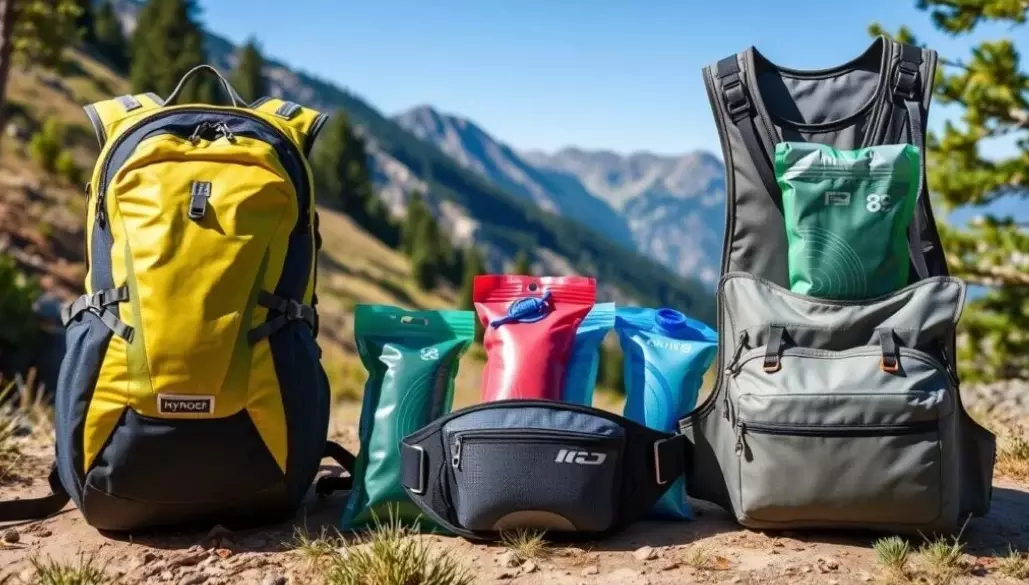
Absolutely, and it's underrated. Smaller, sleek "running vest" style packs with 1.5-2L reservoirs are perfect for this. You stay hydrated on your walk or bike commute without carrying a bottle. Just remember to clean it just as often—warm water sitting in a pack in your closet is a recipe for funk.
What's the biggest mistake a new hydration pack user makes?
Over-tightening the reservoir cap. People think it needs to be wrench-tight to prevent leaks. In reality, you just need it snug. Over-tightening can damage the threads or the rubber O-ring seal, which actually causes leaks. Hand-tight is perfect. If it leaks, the O-ring is likely damaged or dirty, not loose.
 So, do hydration packs work? For most active pursuits where your hands are busy and consistent drinking is key, they work exceptionally well. They solve the core problem of hydration on the go. But they're not maintenance-free magic. They demand a bit of care. If you're the type to meticulously clean your gear, you'll love it. If you want ultimate simplicity, a couple of smart water bottles might be a better fit. For me, on any trail longer than an hour, the tube is clipped to my shoulder, and I'm sipping away without breaking stride. That's a win that's hard to beat.