Let's get this out of the way first: you wear rock climbing shoes. Not hiking boots, not approach shoes, not your old sneakers. A dedicated pair of climbing shoes is the single most important piece of gear you'll buy, more than a harness or a rope for most beginners. Why? Because every move you make, every tiny edge you stand on, every bit of friction you need—it all comes through your feet. Get the shoes wrong, and you're fighting the wall instead of working with it.
Your Quick Climbing Shoe Cheat Sheet
The Three Main Types of Climbing Shoes
Think of these as tools for different jobs. A lot of guides overcomplicate this, but it boils down to the shoe's profile—the shape of the sole when it's not on your foot.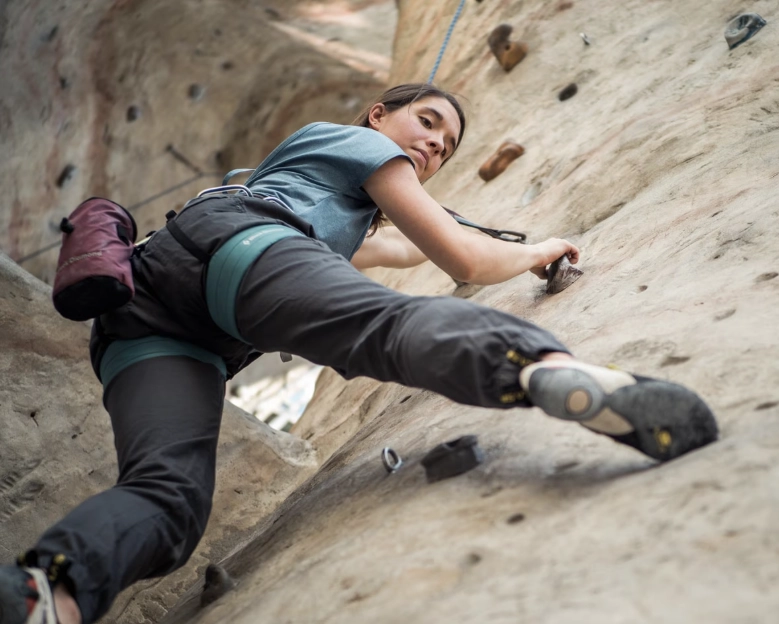
1. Neutral (Flat) Shoes: Your All-Day Comfort Pick
These shoes have a flat, relaxed profile. Your foot sits in a relatively natural position. They're like a reliable sedan: not flashy, but they'll get you where you need to go comfortably.
Who they're for: Absolute beginners, multi-pitch climbers who need to stand in their shoes for hours, or anyone focusing on slab climbing (less-than-vertical rock where balance is key). Brands like Evolv and Scarpa make excellent neutral models, such as the Evolv Defy or Scarpa Origin.
2. Moderate (Slight Downturn) Shoes: The Versatile Workhorse
Here's where the toe starts to curve downwards slightly. This "downturn" positions your toes to push into holds more powerfully. The heel is tighter and more structured for hooking.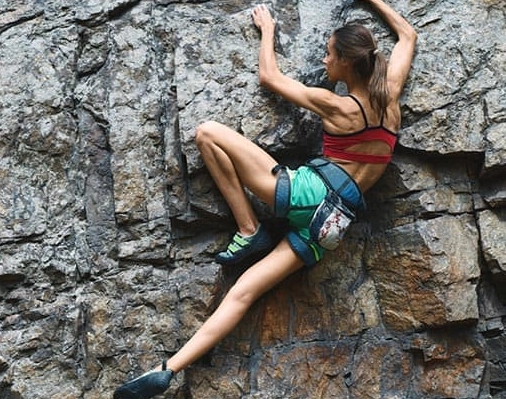
Who they're for: Intermediate climbers, gym climbers tackling a variety of angles, and outdoor climbers who want one shoe for everything from vertical faces to slightly overhanging terrain. The La Sportiva Finale or Black Diamond Momentum are classic examples. This category is arguably the most popular for good reason.
3. Aggressive (High Downturn) Shoes: The Precision Performance Tools
These look like talons. A pronounced downturn, often with a highly asymmetric last (the shoe's shape is heavily curved toward the big toe). They're designed for maximum power on small holds in overhanging terrain.
Who they're for: Advanced climbers focusing on steep sport climbing or hard bouldering. They're miserable to walk in and often painfully tight. Models like the Scarpa Instinct VS or La Sportiva Solution are icons here.
The #1 Rule: Fit is Everything (How to Get It Right)
This is where most people mess up. A perfect fit means no dead space—anywhere. Your toes should be at the end, but not painfully curled. The heel should be a locked-in cup with no gap. The width should hug your foot without causing hot spots on the sides.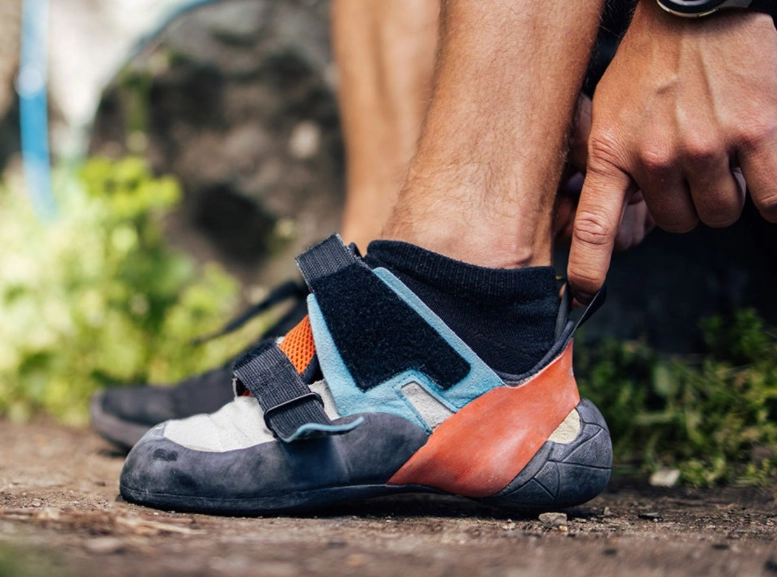
How to actually try on climbing shoes:
- Try them on at the end of the day when your feet are slightly swollen, like they will be after climbing.
- Wear the socks you intend to climb in (usually thin or none).
- Stand on a thin edge or a book spine. Can you feel the edge through the sole? Does your foot bunch up or slip?
- Don't just stand there. Get into a lunge, pretend to smear on a slab, try a toe hook on a chair leg. Move in them.
Here's a brutal truth many shops won't tell you: Climbing shoes stretch. Leather shoes can stretch a full size or more. Synthetic uppers stretch much less. When I bought my first pair of leather moderate shoes, I went a full size down from my street shoe. They were agony for three sessions, then molded into a perfect fit. If they're comfortable walking around the store, they'll be sloppy on the wall in a month.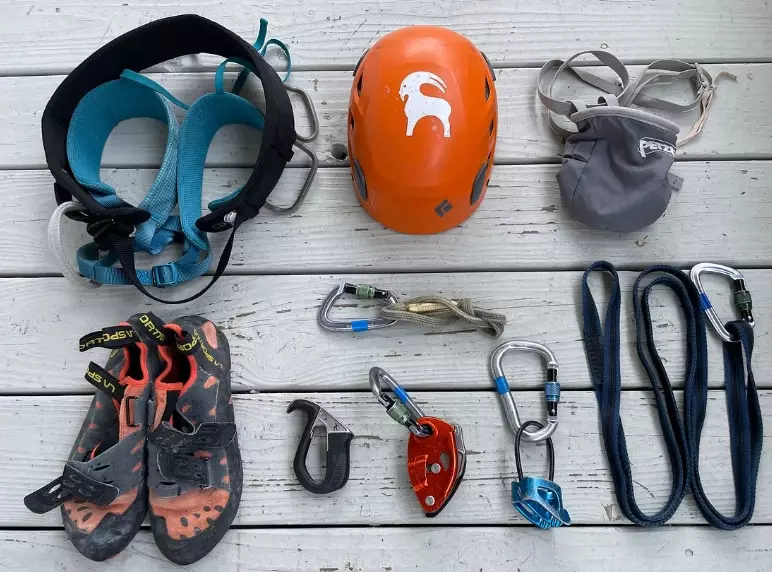
Key Features to Look For (Beyond Just "Sticky")
All modern climbing shoes use "sticky" rubber, but the compound, thickness, and design matter.
| Feature | What It Is | Why It Matters |
|---|---|---|
| Rubber Thickness | Usually 3.5mm to 5mm. | Thinner (3.5-4mm) = better sensitivity for small edges. Thicker (4.5-5mm) = more durability for gym climbing or rough rock. |
| Closure System | Lace-up, Velcro strap, or slipper. | Laces: Most adjustable fit, great for varied foot shapes. Velcro: Quick on/off, popular for bouldering. Slipper: Lightweight and sensitive, often requires a precise fit. |
| Midsole | A stiff layer between the rubber and your foot. | A stiff, full-length midsole supports your foot on small edges (good for beginners). A softer or split midsole allows more toe flexibility for smearing on slabs or wrapping on volumes. |
| Asymmetry | How much the shoe curves toward the big toe. | High asymmetry focuses power on the big toe for precision. Low asymmetry distributes pressure for more all-day comfort. |
Don't get lost in the specs. A shoe with Vibram XS Edge rubber might be stiffer and better for edging, while Vibram XS Grip2 is softer and better for smearing. Brands like Vibram and Traxion are the main players. Try to feel the difference.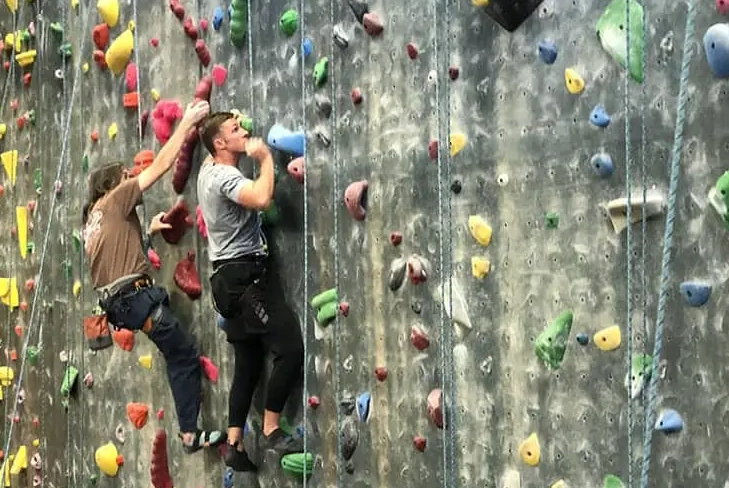
Matching Your Shoe to Your Climb
Let's get specific. What you're climbing dictates the ideal tool.
Indoor Gym & Beginner Routes (5.5-5.9): Go for a neutral or moderate shoe with a stiffer midsole. You need comfort to learn and durability for plastic holds. Fit should be snug but not painful. The Black Diamond Momentum or La Sportiva Tarantulace are staples for a reason.
Outdoor Crack Climbing: This is a special beast. You need a stiff, flat shoe that won't deform when you jam your foot into a crack. Often, a tight-fitting neutral shoe works best. Some, like the Scarpa Maestro, are specifically designed for this.
Steep Sport Climbing & Bouldering: This is where aggressive, downturned shoes shine. You need that power in your toes to pull on small holds while your body is horizontal. Sensitivity is key, so rubber is often thinner.
Multi-Pitch Adventures: You'll be standing in belays and maybe doing easy walking. A comfortable, flat-to-moderate shoe is king. Many climbers size these a half-size bigger than their performance shoes. The La Sportiva TC Pro is legendary in this category.
I have a quiver of three shoes: a comfy moderate for long days, an aggressive shoe for projecting hard boulders, and an old beaten-up pair for teaching or dirty crags. You don't need that to start. One good, versatile pair is enough.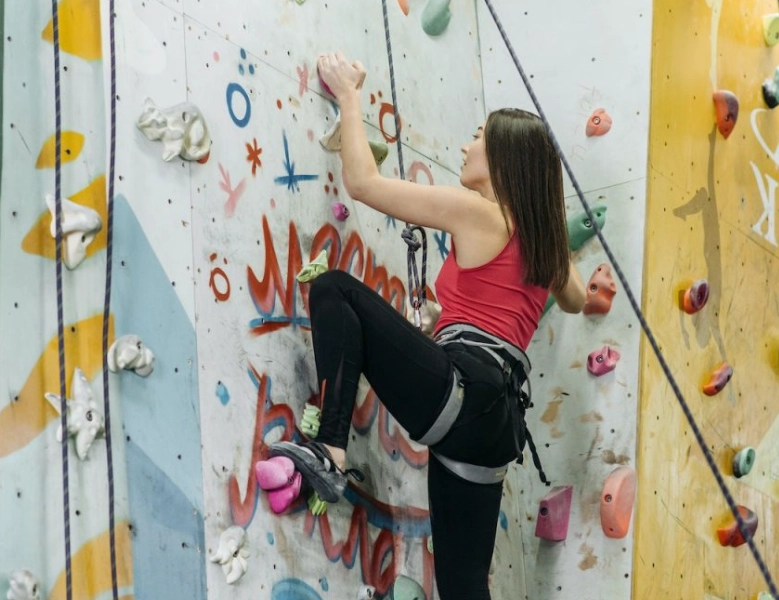
Your Climbing Shoe Questions, Answered
My climbing shoes hurt my big toe knuckle. Is that normal breaking-in pain or a bad fit?
This is a classic sign of a poor fit, often from a shoe that's too narrow or has a high-pressure point over your metatarsal. Some initial pressure is normal, but sharp, localized pain on a bony prominence usually doesn't go away with stretching. Try a brand with a wider toe box, like Evolv or some models from Butora. Don't "tough it out"—chronic pain here can lead to nerve issues.
How do I know if my shoes are too big? They feel tight, but my heel still slips when I hook.
If your heel slips during a heel hook, the shoe is almost certainly too long or the heel cup is the wrong shape for your foot. Your toes might be crammed at the front, but the volume (the space inside) is wrong. Heel fit is the hardest to get right. Look for models known for a secure heel, like the La Sportiva Miura or Scarpa Veloce, and focus on eliminating any "pocket" of air back there when your toes are curled.
Should I buy my first climbing shoes online?
I strongly advise against it unless you've tried the exact model and size before. Fit varies wildly between brands and even models within a brand. La Sportiva tends to run narrow, Scarpa is often wider in the toe, and sizes are not consistent. Go to a physical shop, try on everything, and walk on their demo wall. The staff can see how the shoe performs on a hold, which you can't do at home. The International Mountaineering and Climbing Federation (UIAA) also emphasizes proper gear fitting for safety and performance—it's worth the trip.
How long do climbing shoes last, and when should I resole them?
For a regular gym climber, maybe 6-12 months before the rubber wears thin. Outdoor climbing on granite wears them down faster. The key is to resole before you wear through the rand (the rubber that wraps around the toe). Once the rand is damaged, the resole is more expensive and less effective. Look for a small, smooth patch where the rubber is getting thin. Good resole services, like Rock and Resole or Yosemite Bum, can make your shoes feel new again for half the price.
Are expensive climbing shoes worth it for a beginner?
Not really. A $200 aggressive, downturned shoe won't make you climb harder if you're still learning where to put your feet. The rubber and construction on a $100-$130 beginner shoe are excellent. The extra money buys specialized performance features you likely can't utilize yet. Invest in a well-fitting, comfortable beginner shoe. The performance gain from a perfect fit on a basic model is far greater than an ill-fitting top-tier shoe.
The bottom line? Forget the hype and the pro climber's signature model. Start with the question: What am I climbing, and what does my foot need to do? Get a shoe that matches that, fits like a second skin (with a break-in plan), and lets you focus on the rock, not your aching toes. Your feet—and your climbing grade—will thank you.