Let's be honest. Most people buy a first aid kit because they feel they should. It sits in a closet or car trunk, its contents a mystery, until the moment you desperately need a bandage and find nothing but dried-out antiseptic wipes from 2015. The "best" first aid kit isn't the most expensive one on Amazon with 500 pieces. It's the one you've personally vetted, tailored to your life, and actually know how to use. After a decade of guiding trips and dealing with everything from splinters to sprains in the backcountry, I've seen what works and what fails miserably. This guide will help you move from passive ownership to active preparedness.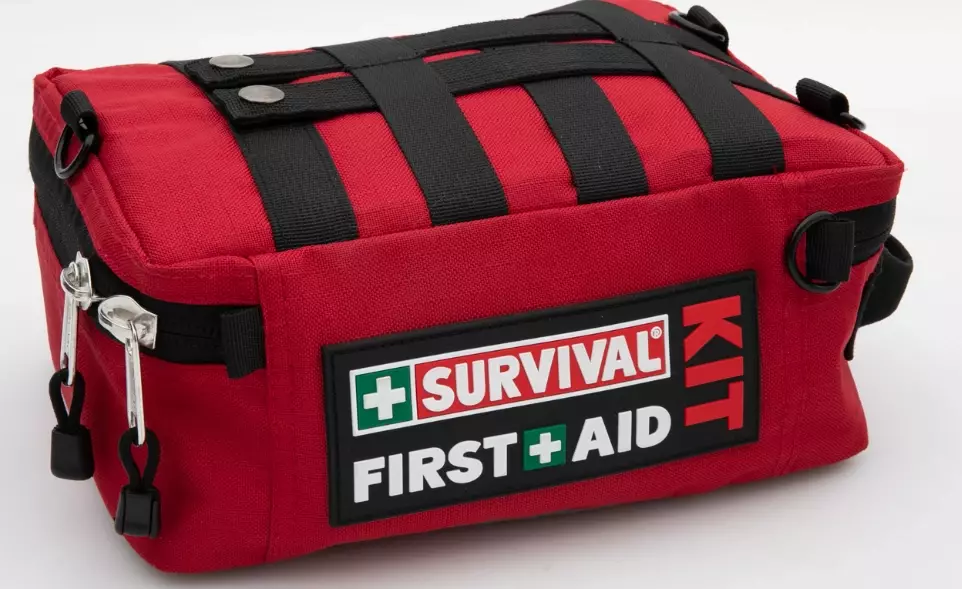
What You’ll Find in This Guide
What Makes a First Aid Kit ‘The Best’?
Forget the marketing hype. A top-tier kit checks three boxes, in this order: Relevance, Accessibility, and Usability.
Relevance means the supplies match your real risks. A kit for a family with toddlers needs different things than one for a rock climber. Accessibility means it's where you need it, when you need it—not buried in the garage. Usability is the most overlooked. Can you actually use the items under stress? If you don't know how to apply a tourniquet, having one is worse than useless; it provides false confidence.
The American Red Cross emphasizes that first aid is about immediate care. Your kit is the toolbox for that care. The best kit feels like an extension of your own capability.
How to Choose the Right First Aid Kit for Your Needs
Start by asking: "Where will this live, and what problems is it solving?" Your needs for a home kit, a car kit, and a backpacking kit are wildly different. Most people need at least two.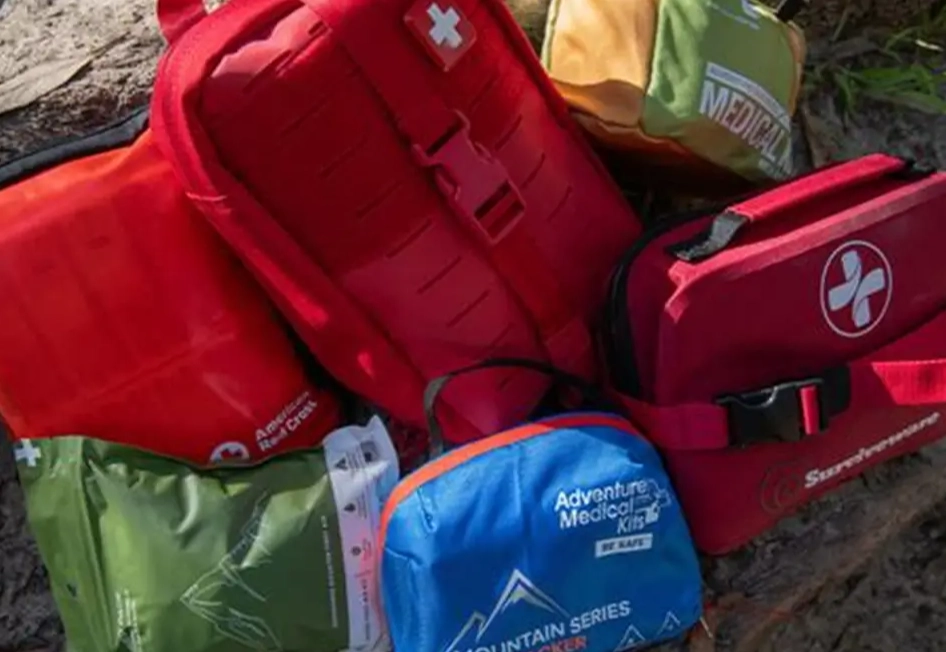
Here’s a breakdown to cut through the confusion:
| Primary Use Case | Key Considerations & Must-Haves | Recommended Kit Type |
|---|---|---|
| Home & Family (For common household injuries) |
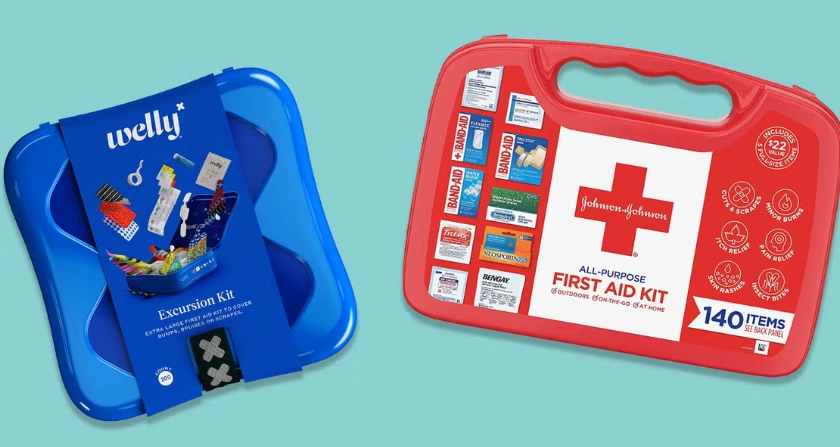
Think bumps, burns, cuts, fevers, allergic reactions. Must be comprehensive and include child-specific items (e.g., pediatric doses). Easy-to-follow guide is crucial. Store in a central, known location (kitchen/bathroom). | A large, well-organized soft-shell or hard-case kit with clear compartments. 150-300 pieces is a good range. Brands like Johnson & Johnson or First Aid Only offer solid baseline kits you can expand. |
| Vehicle & Road Trip (For breakdowns and roadside emergencies) |
This is a hybrid first aid and car survival kit. Beyond bandages, consider items for weather exposure (space blanket), light (flashlight), and tools (multi-tool, duct tape). It must withstand temperature extremes. | A durable, weather-resistant hard case. Look for kits labeled "automotive" or "roadside" that include safety items. The CDC's Car Emergency Kit list is a great reference for additional items like water and non-perishable food. |
| Hiking & Backpacking (Lightweight, for remote care) |
Every ounce counts. Focus on multi-use items and treating issues that could become serious miles from help: blisters, sprains, cuts, dehydration, allergic reactions. Waterproof packaging is non-negotiable. | A compact, lightweight soft pouch. Often best to build your own from a minimal shell. Brands like Adventure Medical Kits design theirs with backcountry realities in mind. |
| Travel & International (Portable and versatile) |
Focus on illness (diarrhea, pain/fever), minor wounds, and prescription backups. Include a copy of your prescriptions. Know local emergency numbers. Size must comply with airline carry-on rules. | A small, TSA-friendly soft kit. Prioritize medications you know work for you (anti-diarrheal, antihistamine, pain reliever). |
The Essential Components of a Well-Stocked First Aid Kit
Let's look under the lid. A good kit layers its contents from universal basics to scenario-specific items.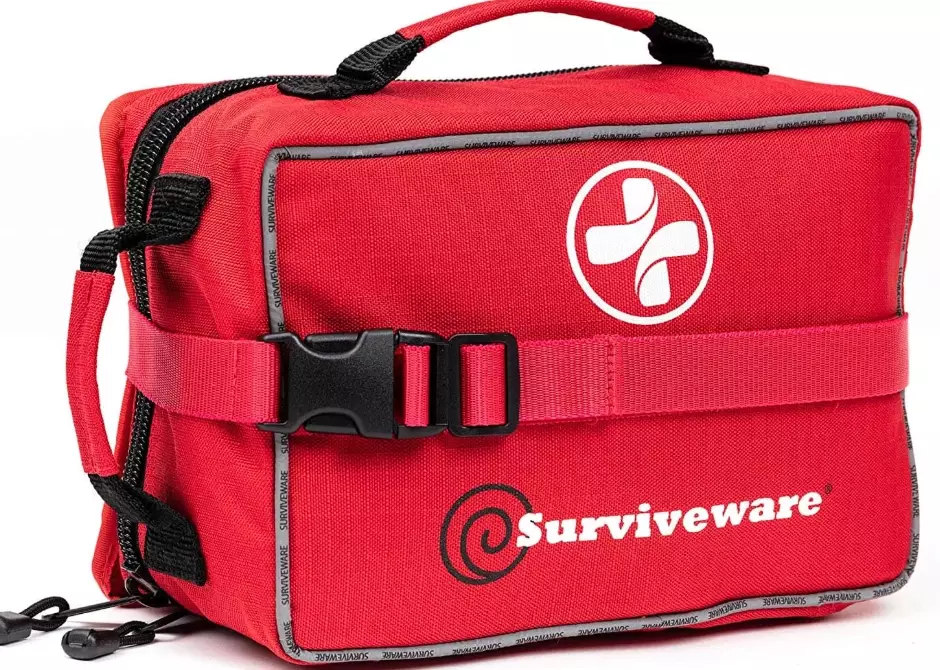
The Non-Negotiable Core
Every single kit, regardless of purpose, needs these fundamentals. Organizations like NOLS (National Outdoor Leadership School) build their renowned wilderness medicine curriculum around managing these core issues.
Wound Care: Various adhesive bandages, gauze pads (2x2 and 4x4), adhesive tape, roller gauze, antiseptic wipes, antibiotic ointment packets.
Tools & Instruments: Sharp scissors (trauma shears are best), tweezers, safety pins, nitrile gloves (multiple pairs), a CPR face shield.
Medications: Pain reliever (ibuprofen/acetaminophen), antihistamine (like diphenhydramine), aspirin (for potential heart attack symptoms).
Level-Up Items for Specific Activities
This is where your kit becomes truly yours.
For the Trail: Moleskin or blister-specific patches, elastic bandage (for sprains), SAM Splint (moldable splint), water purification tablets, a small mirror (for signaling).
For the Family Home: Digital thermometer, liquid antihistamine/children's pain reliever, extra prescription medications (e.g., inhalers, EpiPen if prescribed), instant cold packs.
For the Car: Space blanket, brighter flashlight/headlamp, duct tape, whistle, non-latex tourniquet (if trained).
The Most Important Item (It's Not a Thing)
Knowledge. A first aid manual or quick-reference guide. In a panic, you forget things. I also recommend taking a basic first aid/CPR course. The confidence it provides is worth ten times the price of any kit.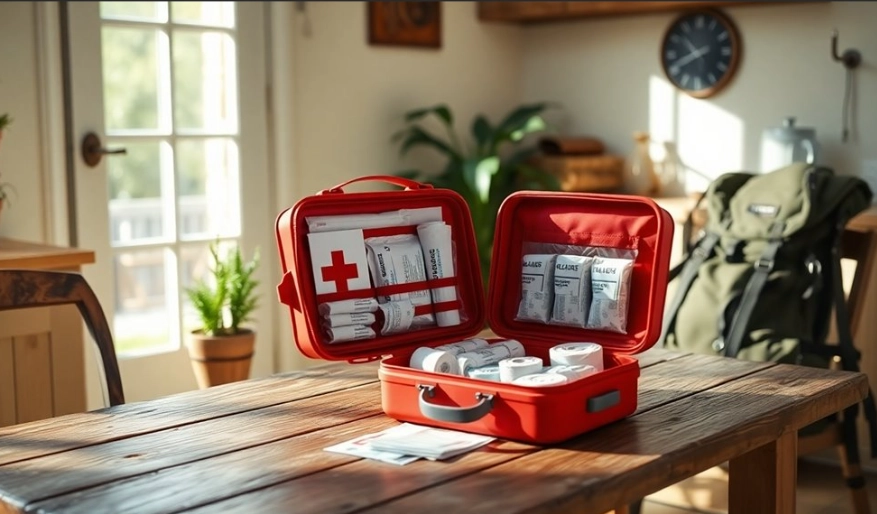
Common First Aid Kit Mistakes (And How to Avoid Them)
I've made some of these myself. Learning the hard way is, well, hard. Avoid these pitfalls.
Mistake 1: The "Set It and Forget It" Kit. You buy it, stash it, and forget it for years. Medications expire. Adhesive loses its stick. Antiseptic liquid evaporates. Fix: Mark your calendar to check kits every 6 months (when clocks change is an easy reminder). Replace used or expired items immediately.
Mistake 2: Prioritizing Quantity Over Quality. A "300-piece kit" sounds impressive, but if 200 pieces are toothpick-sized band-aids and cheap safety pins, it's a scam. Fix: Look at the itemized list. Are the core items substantial (e.g., 4x4 gauze pads, good shears) or just fluff?
Mistake 3: Wrong Kit for the Scenario. Taking a bulky home kit on a day hike. Or having only a tiny travel kit in your car for a potential roadside emergency. Fix: Use the table above. Have dedicated kits for dedicated purposes.
Mistake 4: No Personalization. Pre-made kits don't know your allergies, your medications, or your fear of bees. Fix: Always add personal meds, your doctor's contact info, and any specific items for your known risks (e.g., extra bee sting wipes if allergic).
Your Action Plan: Building or Upgrading Your Kit Today
Don't get overwhelmed. Do this in one hour.
Step 1: Audit. Grab every first aid kit you own. Dump the contents on a table. Check expiration dates. Toss anything expired or questionable. See what you actually have.
Step 2: Define. Decide which kit is for what (Home, Car, Go-Bag). If you only have one, make it your home base.
Step 3: Fill Gaps. Using the core list above, write down what's missing for each kit. A quick online order or trip to the pharmacy can fill these.
Step 4: Personalize. Add your personal medications (even just a few pills), emergency contact info, and a small notepad/pen.
Step 5: Locate & Communicate. Put the home kit where everyone can find it. Tell your household or travel buddies where it is and what's in it. The car kit goes in the passenger cabin, not the trunk.
Done. You're now more prepared than 90% of people.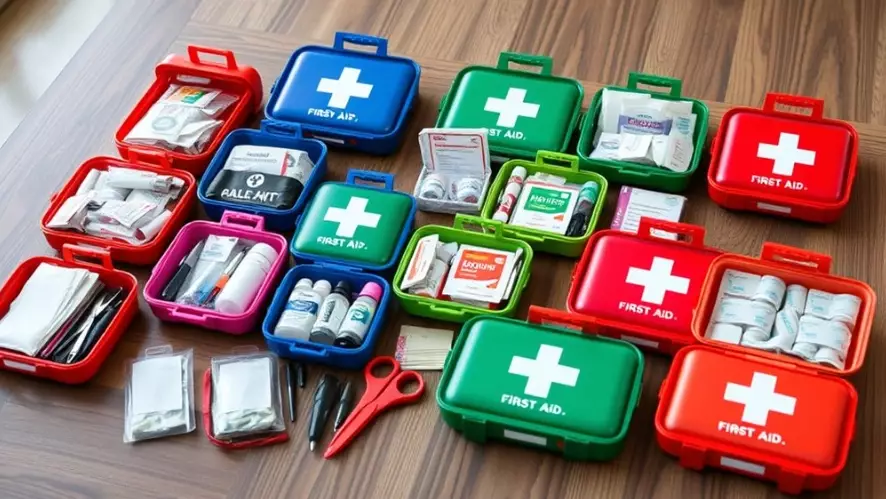
Your First Aid Kit Questions, Answered
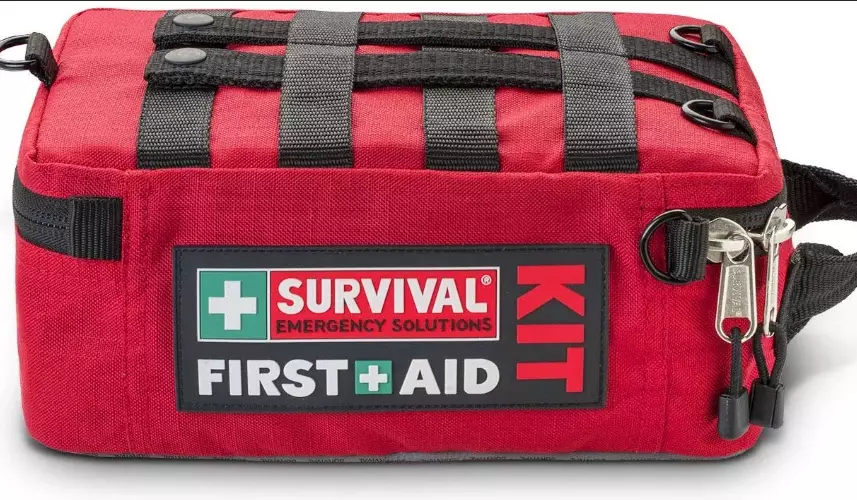
 The goal isn't to have a perfect kit. It's to have a functional one you understand. Start with what you have, fill the most critical gaps, and make a habit of checking it. That process itself—the engagement with your own safety—is what transforms a box of supplies into your best first aid kit.