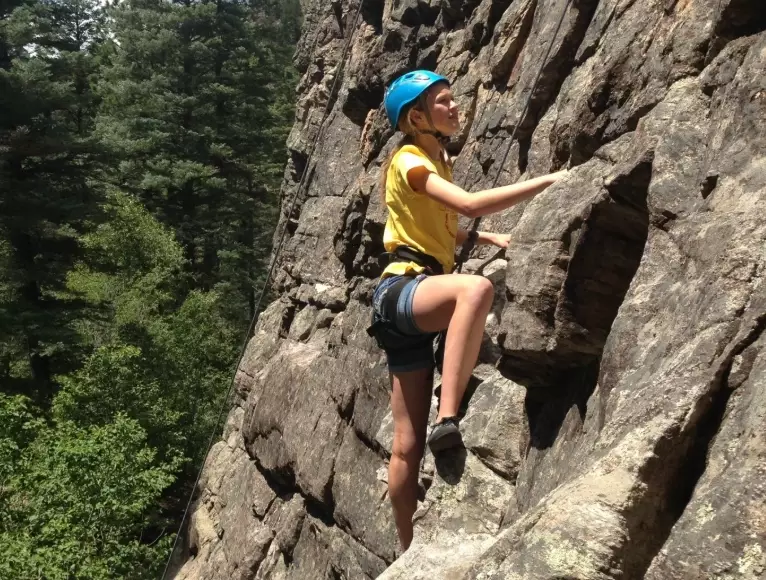
Let's be honest. Most guys grab the first pair of flexible trousers they find for climbing. I did that for years. I'd wear old track pants, cheap hiking trousers, even jeans on a cold day (a terrible idea). The moment I invested in a pair of pants actually designed for climbing, everything changed. My movement felt freer, my gear loops were finally useful, and I stopped worrying about ripping my pants on a knee bar. This isn't about buying the most expensive pair; it's about understanding what makes a climbing pant work. This guide cuts through the marketing fluff and breaks down exactly what to look for in men's climbing pants, from the fabric blend to the often-overlooked placement of a belt loop.
What You'll Learn in This Guide
Why Your Regular Pants Fail on the Wall
You can climb in anything. But you'll climb better in the right gear. Standard athletic pants lack abrasion resistance – one slide down a slabby granite face and they're shredded. Hiking pants often have too much structure and not enough multidirectional stretch, limiting your high-step or heel hook range. Denim? It's restrictive, gets heavy when sweaty or wet, and offers zero stretch.
The real issue is movement. Climbing requires a dynamic range of motion that no other activity replicates. A deep lunge, a wide stem, a toe hook that pulls fabric tight across your thigh. Off-the-rack pants aren't engineered for these vectors of force. I remember a specific crack climb where my loose-fitting track pants got bunched up behind my knee, creating a pressure point that ruined my endurance. That was the last time I wore them.
Proper climbing pants are a tool. They're designed to disappear, becoming a second skin that protects, moves, and functions without you thinking about them.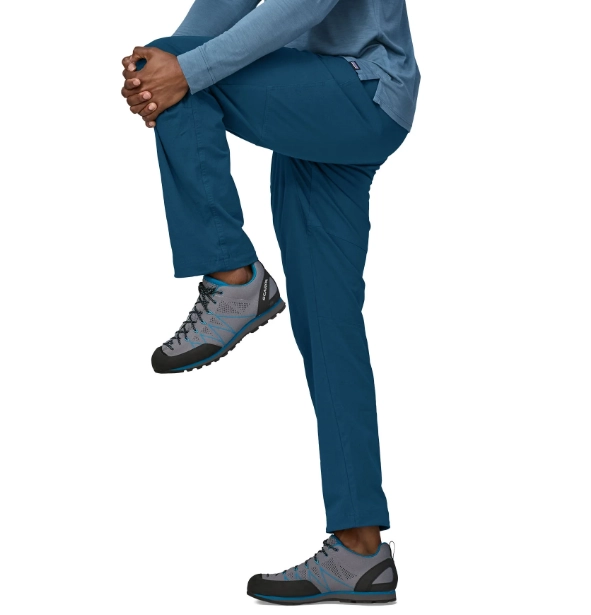
Climbing Pant Material Breakdown: Stretch vs. Durability
This is the core of any climbing pant. The fabric dictates everything: feel, durability, weather resistance, and price. It's a constant tug-of-war between stretch and toughness.
A Quick Note on "Softshell"
The term "softshell" is thrown around a lot. In climbing pants, it usually means a woven fabric with a DWR (Durable Water Repellent) finish. It's not fully waterproof but handles light drizzle and wind much better than a simple stretch-weave. Great for alpine or cooler crag days.
Let's look at the common materials you'll see on product tags:
| Fabric Type | Typical Blend | Best For | Potential Drawback |
|---|---|---|---|
| Nylon-Spandex Blend | 88% Nylon, 12% Elastane | Gym climbing, sport climbing, warm weather. Maximum stretch and comfort. | Less resistant to abrasion than polyester blends. Can "pill" over time. |
| Polyester-Spandex Blend | 92% Polyester, 8% Elastane | Trad climbing, crack climbing, abrasive rock (like sandstone). Better durability. | Can feel less "soft" than nylon. May retain odor more if not treated. |
| Cotton Blend | e.g., 98% Cotton, 2% Elastane | Casual cragging, approach wear. Breathable and natural feel. | Poor performance when wet (gets heavy, cold). Low durability. Avoid for serious climbing. |
| Recycled Synthetics | Recycled Nylon/Polyester + Elastane | All-around use. Eco-conscious choice with similar performance to virgin materials. | Sometimes a slightly higher price point. Performance is now nearly identical. |
My personal take? For most climbers, a polyester-spandex blend hits the sweet spot. The durability gain is worth the slight trade-off in ultra-softness. I've worn through the seat of a nylon-blend pant on a long slab climb, but my heavier polyester pair shows almost no wear in the same spot after twice the use.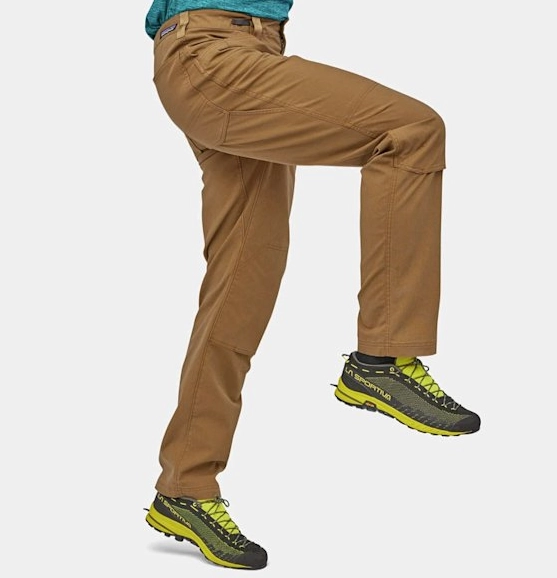
Weave and Weight Matter Too
Look beyond the blend percentages. A "ripstop" grid pattern (those little squares) significantly increases tear resistance. Fabric weight is measured in GSM (grams per square meter).
Lightweight (150-200 GSM): Your summer gym and sport climbing workhorse. Breathes incredibly well.
Midweight (200-250 GSM): The all-rounder. Good for three-season climbing, offers more protection.
Heavyweight (250+ GSM): For cold weather, alpine, or if you're particularly hard on gear. Less stretchy, more burly.
How to Find the Perfect Fit (It's Not Just Size)
Fit is more personal than material. A poorly fitting climbing pant is worse than a good-fitting regular pant. Here’s what you need to test, preferably by mimicking climbing moves in the store or at home if buying online.
The Crouch Test: Get into a deep, low crouch (simulating a rest on a small foothold). Do you feel any tightness or pulling across the hips and thighs? The fabric should accommodate you without strain.
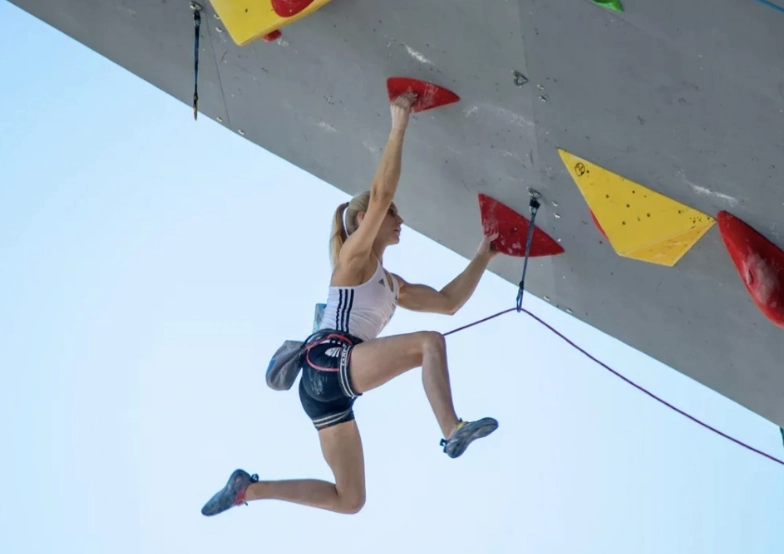
The High-Step Test: Pull your knee up towards your chest as high as you can. Does the pant leg ride down excessively, exposing your ankle? Is there tension in the thigh? This tests the knee articulation and overall leg stretch.
The Stem Test: Stand with your feet wide apart, as if stemming in a dihedral. Feel the inseam. It shouldn't be taut or restrictive.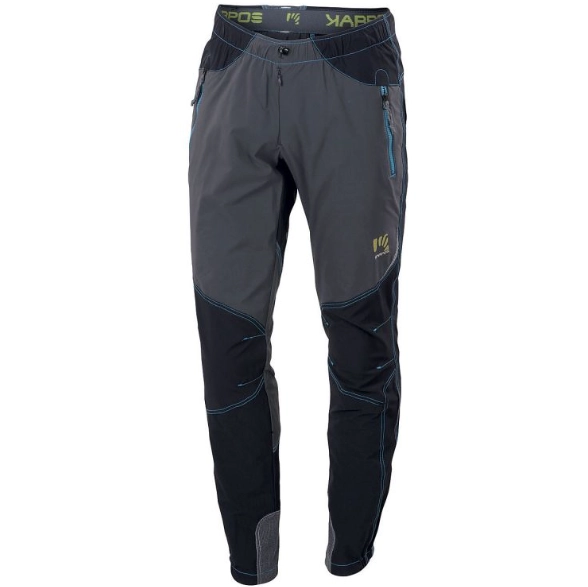
Now, let's talk cuts:
Slim/Skinny Fit: Popular for a reason. Reduces excess fabric that can snag or get in the way. But beware: if it's too tight, it will restrict blood flow and limit your range. It should be snug, not compressive.
Regular/Straight Fit: More room in the seat and thigh. Often preferred for crack climbing where you need the durability of double-layer fabric in key areas. Can feel baggy to some.
Tapered Fit: The goldilocks zone for many. Roomier in the thigh and seat but narrows from the knee to the ankle. Prevents the "bell-bottom" look while allowing full movement.
One specific, rarely mentioned tip: check the rise (the distance from the crotch to the top of the waistband). A low-rise pant will constantly slide down when you're wearing a harness over it. A mid-to-high rise stays put much better under a harness belt.
Key Features Checklist: Beyond the Basics
These are the details that transform a pair of stretchy trousers into dedicated climbing pants.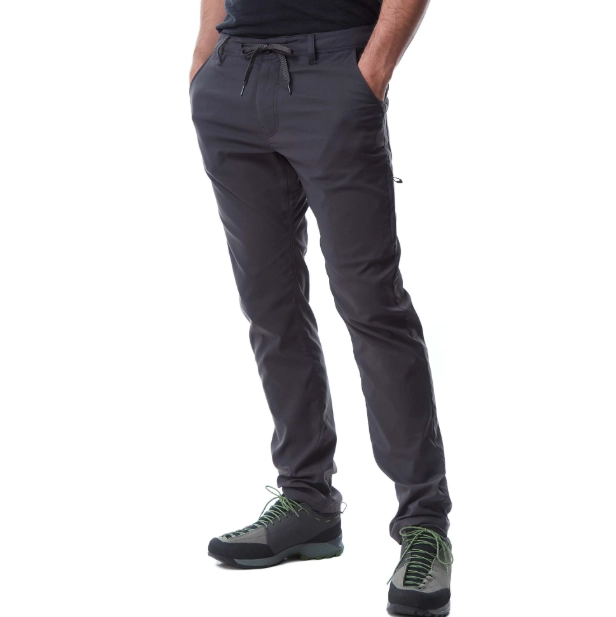
Gear Loops: Non-negotiable. You need at least two, made of durable webbing. Check their placement. They should be positioned so a carabiner clipped there hangs clear of your leg and doesn't swing into your thigh when you walk. Some brands integrate them into the belt, others sew them onto the waistband.
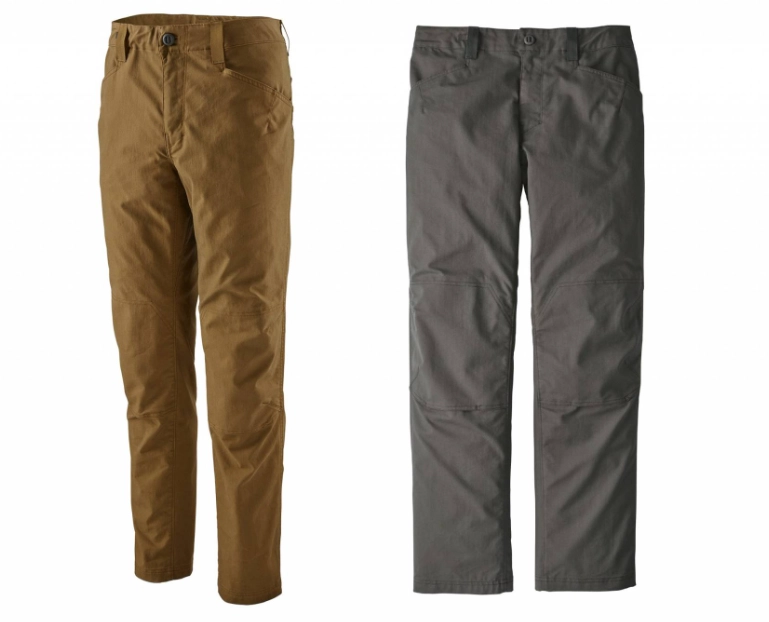
Reinforcement: Look for extra layers of fabric (often a different, more durable weave) in high-wear areas: knees, seat, and cuff. For bouldering or crack climbing, knee reinforcement is critical. Some pants have reinforced panels where the harness leg loops sit to prevent wear.
Closure: A simple button-fly or zip-fly is standard. Some have an integrated, low-profile webbing belt. I prefer pants without a bulky belt system, as it adds a layer under the harness waistbelt. A simple, secure zip with a button is less fuss.
Pockets: Zippered pockets are essential unless you enjoy scattering your phone, keys, and wallet down the mountainside. A thigh pocket is incredibly useful for a guidebook page or snacks. Check that the zipper pulls are small and won't catch on anything.
Cuff Design: How does the pant leg end? A simple hem works. A tapered cuff with a small zip or snap to adjust the width is excellent for keeping dirt out and fitting over different climbing shoes. Avoid overly long pants that bunch up around your ankles.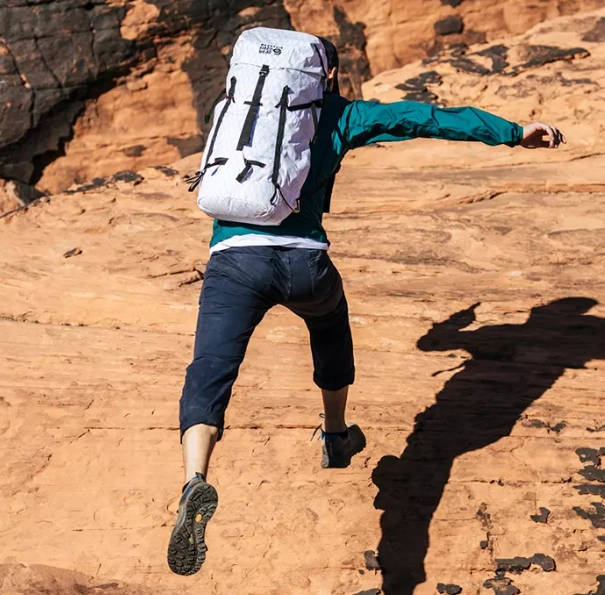
Top Men's Climbing Pant Brands Compared
Every brand has its own philosophy. Here’s a blunt, experience-based comparison of the major players. Remember, their fits vary wildly, so check their size charts.
Black Diamond Notion Pants: The benchmark. Polyester-spandex blend, great durable yet stretchy feel. The fit is athletic and tapered. Their reinforcement is smartly placed. My go-to for years. The downside? Everyone wears them, so you'll blend in at the crag.
Patagonia Altvia Alpine Pants: A more rugged, softshell-oriented option. Fantastic for cooler weather, alpine approaches, or windy ridges. The fit is straighter, giving more room for layering. The fabric is quieter and feels more like a tough hiking pant but with excellent stretch. Less ideal for hot summer sport climbing.
prAna Stretch Zion Pant II: A legend in the hiking world that crosses over. Famous for its incredible comfort and "brushed" soft feel. The fit is on the roomier side. They're incredibly versatile as a travel-and-climb pant. However, the fabric is less climbing-specific and can be less durable against sharp rock compared to dedicated climbing models from BD or Arc'teryx.
Arc'teryx Gamma Rock Pants: The premium choice. The fit is exceptional—tailored without restriction. The Fortius fabric is tough as nails and stretches beautifully. The price is steep, but the construction and attention to detail (like the laser-cut gear loops) justify it for a dedicated climber. They run slim, so size up if between sizes.
La Sportiva Mantra Pants: A sleeper hit. Designed by climbers, they often feature innovative patterns with gussets and articulation in just the right places. They tend to have a very precise, performance-oriented fit. Worth trying on if you find the mainstream brands don't suit your body shape.