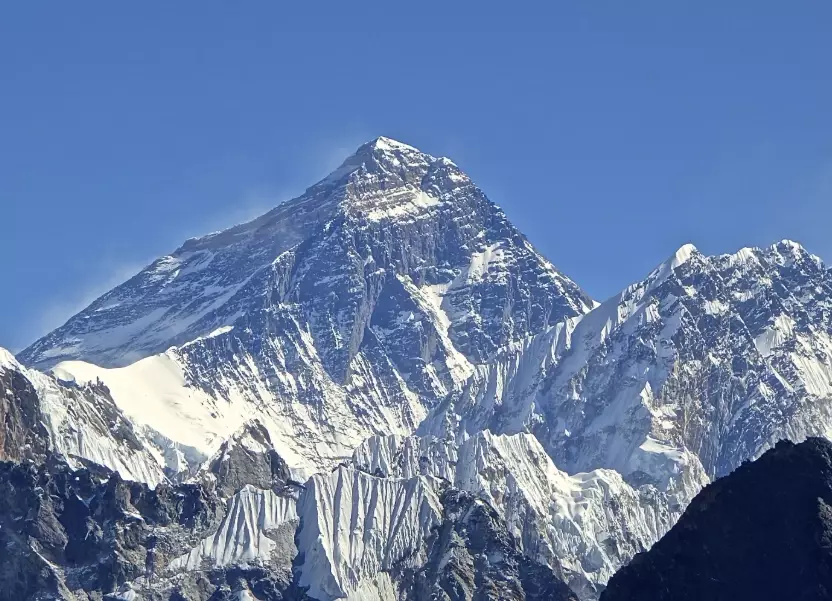
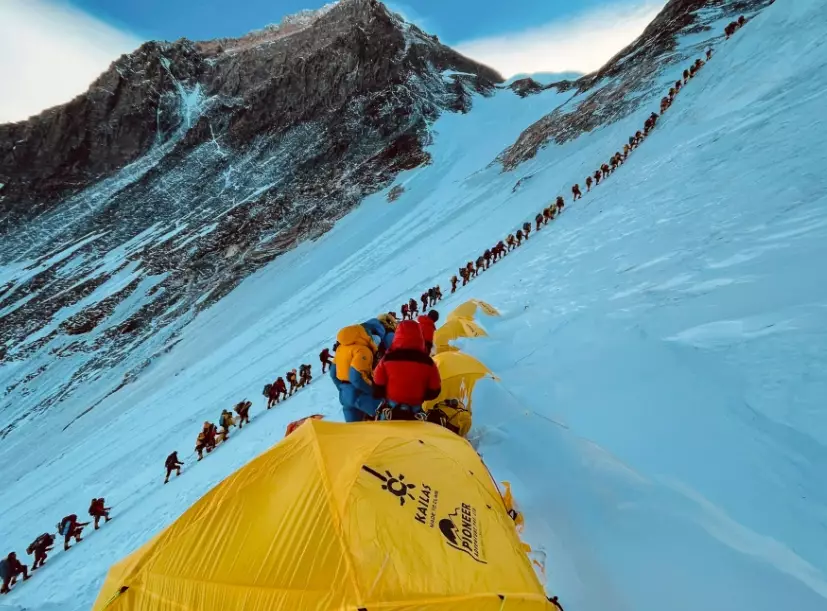
You're on a dream trek, maybe heading to Everest Base Camp or through the Andes. The views are incredible, but your head is pounding. You feel nauseous. Is this just a tough day, or something more serious? Understanding the three stages of altitude sickness isn't just trivia—it's the difference between a memorable adventure and a life-threatening emergency. I've seen too many hikers brush off early signs, thinking they can tough it out. That's a dangerous gamble with thin air.
Let's cut through the confusion. Altitude sickness progresses in three distinct stages: Acute Mountain Sickness (AMS), High Altitude Cerebral Edema (HACE), and High Altitude Pulmonary Edema (HAPE). The first is common and manageable. The latter two are severe, require immediate descent, and are often fatal if ignored. The scary part? The line between them can blur faster than you think.
Your Quick Guide to Altitude Sickness
- Stage 1: Acute Mountain Sickness (AMS) – The Warning Bell
- Stage 2: High Altitude Cerebral Edema (HACE) – The Brain in Crisis
- Stage 3: High Altitude Pulmonary Edema (HAPE) – The Lung Failure
- What to Do: Your Immediate Action Plan
- Beyond the Basics: Expert Prevention Tactics
- Your Altitude Sickness Questions, Answered
Stage 1: Acute Mountain Sickness (AMS) – The Warning Bell
Almost everyone who ascends too fast above 8,000 feet (2,500 meters) will experience some form of AMS. It's your body's normal, albeit unpleasant, protest to lower oxygen levels. The mistake? Treating it like a minor inconvenience.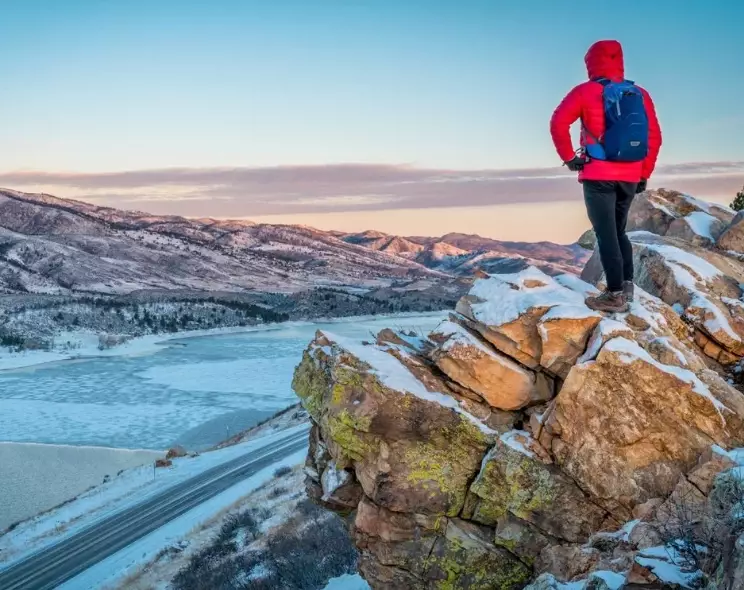
The symptoms are a classic cluster: headache (the most common), nausea, dizziness, fatigue, and loss of appetite. It feels like a bad hangover you didn't earn. The Lake Louise Score is a self-assessment tool used globally to gauge severity. If you have a headache plus one other symptom, you have AMS.
I remember a climber on the Annapurna Circuit insisting his headache was from dehydration. He drank liters of water but stayed at 4,000 meters. By morning, he was confused and stumbling. That was no longer AMS.
Managing AMS: The Right Way
Stop ascending. Full stop. Give your body 24-48 hours to acclimatize at your current elevation. Hydrate, but don't overdo it (hyponatremia is another risk). Eat light, carb-heavy foods. Medications like acetazolamide (Diamox) can help speed acclimatization, but they're a preventive aid, not a cure for established sickness. If symptoms don't improve with rest, you must descend. A drop of just 300-500 meters can make a dramatic difference.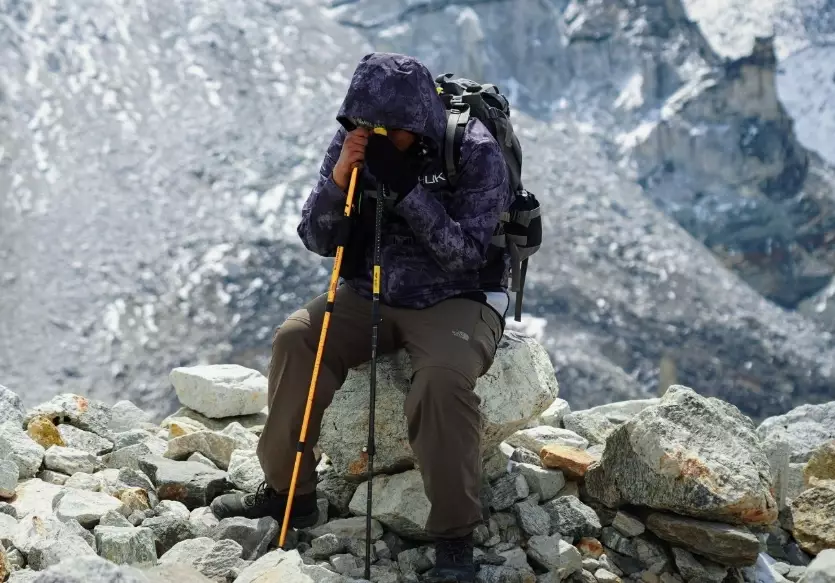
Stage 2: High Altitude Cerebral Edema (HACE) – The Brain in Crisis
This is where altitude sickness gets severe. HACE is essentially AMS that has progressed to cause swelling in the brain. It's life-threatening and requires immediate descent and medical evacuation.
The key sign that AMS has become HACE is a change in mental status and coordination. Look for these red flags:
- Severe, incapacitating headache that doesn't respond to medication.
- Ataxia: This is the big one. The person can't walk a straight line heel-to-toe, staggers, or has trouble with simple motor tasks like touching their finger to their nose. It's a clear sign of neurological impairment.
- Confusion, disorientation, or lethargy. They might act drunk, be unusually irritable, or want to sleep excessively.
- Nausea and vomiting become extreme.
- In advanced stages, seizures, coma, and death can follow rapidly.
HACE can develop in just a few hours. Time is brain tissue. The treatment is oxygen, dexamethasone (a steroid to reduce brain swelling), and getting to a lower altitude as fast as possible. A portable hyperbaric chamber (Gamow bag) can buy crucial time during evacuation.
Stage 3: High Altitude Pulmonary Edema (HAPE) – The Lung Failure
HAPE can occur alongside HACE or on its own. It involves fluid leaking into the air sacs of the lungs, preventing oxygen exchange. Think of it as drowning from the inside. It's the most common cause of death from altitude sickness.
The symptoms often start at night, 2-4 days after a rapid ascent. Watch for:
- Extreme fatigue and weakness out of proportion to activity.
- A persistent, dry cough that later produces frothy, pink-tinged sputum.
- Shortness of breath at rest. This is critical. If someone is more breathless than their companions while sitting still, it's a major warning sign.
- Tightness in the chest, gurgling sounds when breathing, and blue-tinged lips or fingernails (cyanosis).
- A rapid heart rate.
Like HACE, the treatment is immediate descent, oxygen, and specific medications like nifedipine. Resting at the same altitude is not an option; the condition will worsen.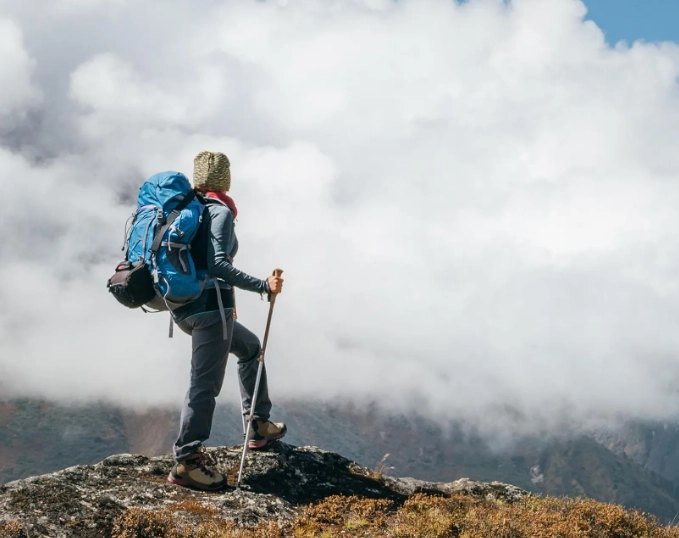
| Stage | Key Symptoms | Immediate Action | Is it an Emergency? |
|---|---|---|---|
| Acute Mountain Sickness (AMS) | Headache, nausea, dizziness, fatigue. | Stop ascent. Rest & hydrate at current altitude. | No, but a serious warning. |
| High Altitude Cerebral Edema (HACE) | Severe headache, loss of coordination (ataxia), confusion, lethargy. | IMMEDIATE DESCEND. Administer oxygen & dexamethasone if available. | YES. Life-threatening. |
| High Altitude Pulmonary Edema (HAPE) | Breathlessness at rest, fatigue, cough (with frothy sputum), chest tightness. | IMMEDIATE DESCEND. Administer oxygen & nifedipine if available. | YES. Life-threatening. |
What to Do: Your Immediate Action Plan
Seeing these stages laid out is one thing. Knowing what to do in the moment is another. Here's a simple flow for decision-making:
- Assess: Use the Lake Louise criteria. Headache + 1 other symptom = AMS.
- Stop: If AMS is present, do not gain any more altitude. Camp where you are.
- Monitor: Watch for red flags: symptoms worsening despite rest, or the onset of ataxia, confusion, or breathlessness at rest.
- Descend: If red flags appear, or if AMS symptoms do not improve after 24 hours of rest, descend immediately. Go down at least 500-1000 meters. This is the single most effective treatment.
- Seek Help: In cases of suspected HACE or HAPE, descend first, then arrange for professional medical evacuation. Don't wait for a rescue to start descending.
Beyond the Basics: Expert Prevention Tactics
Everyone knows "climb high, sleep low." But here are a few less-discussed tactics from years of guiding and personal climbs:
- Pre-acclimatize if you can. Spending a night at a moderate altitude (even 2,000 meters) before your trip can kickstart the process.
- Hydrate strategically. Sip constantly, don't chug. Your urine should be light yellow. Dark urine is a sign you're behind.
- Eat carbs, even if you're not hungry. Your body uses more glucose at altitude. Force down some crackers, oatmeal, or candy.
- Avoid alcohol and sleeping pills. They suppress your breathing, worsening hypoxia at night.
- Consider a graded ascent profile. The UK-based Altitude.org and the UIAA (International Climbing and Mountaineering Federation) offer excellent, conservative guidelines. For instance, above 3,000 meters, increase your sleeping elevation by no more than 500 meters per day, with a rest day every 3-4 days.
- Listen to your body, not just your ego or your group's schedule. If you feel off, speak up.