Let's be honest. Stopping every twenty minutes to fumble with a water bottle is a momentum killer. On a steep climb, it's annoying. On a technical descent, it's dangerous. That's where a good hydration pack comes in—it's not just a backpack with a straw, it's a fundamental piece of gear that changes how you move outdoors. I've logged thousands of miles with various systems, from desert ultras to weekend backpacking trips, and I've learned that the right hydration setup is as personal as your shoe choice. This guide cuts through the marketing to help you find the pack that fits your body and your adventure.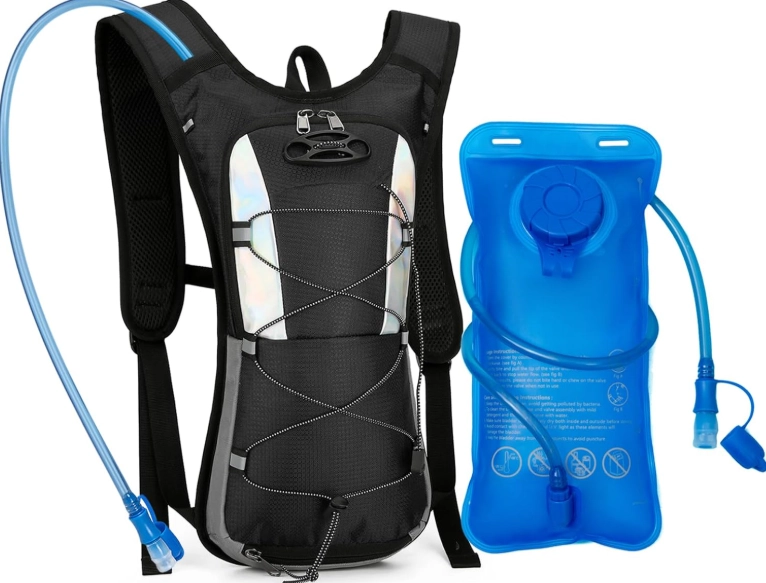
What's Inside This Guide
What Exactly Is a Hydration Pack?
At its core, a hydration pack is a wearable water reservoir system. It consists of a bladder (a flexible, sealable bag), a tube, and a bite valve you drink from. This system sits inside a dedicated compartment of a backpack or vest, allowing you to sip continuously without using your hands. The concept was popularized in the late 1980s by companies like CamelBak, originally for mountain bikers, and has since become standard for runners, hikers, and even festival-goers.
The magic isn't just in the hardware. It's in the psychology. Having the tube right there means you drink before you feel thirsty. By the time thirst hits, you're already dehydrated. For me, switching from bottles to a bladder increased my water intake on hot hikes by at least 30%. That's a huge difference in energy and cramp prevention.
How to Choose the Right Hydration Pack
Don't just buy the one with the coolest colors. Your choice should hinge on three things: your activity, your needed capacity, and how it fits.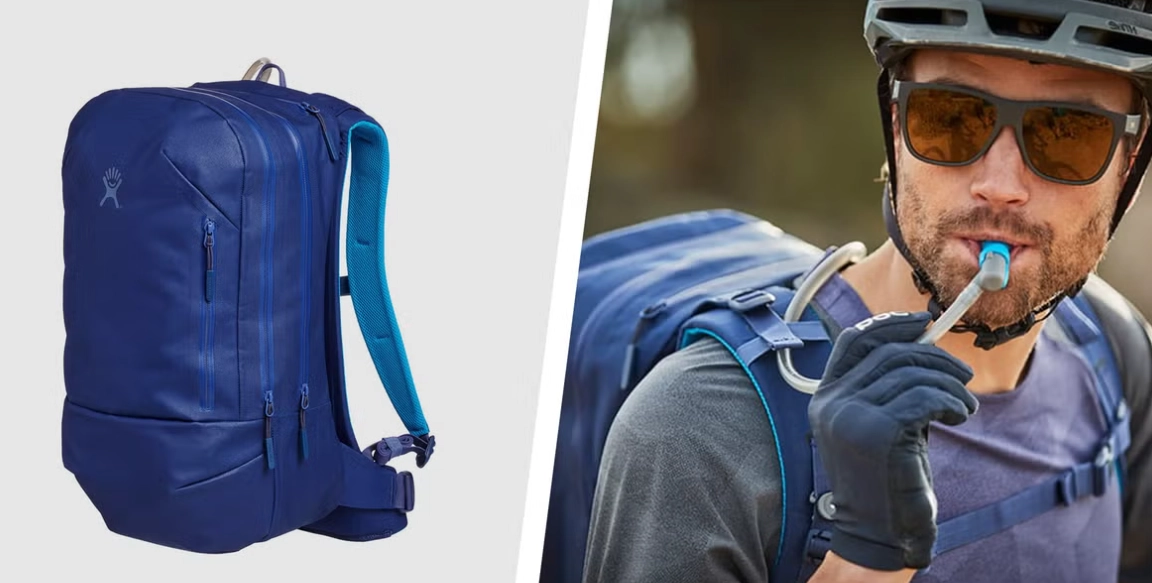
Match the Pack to Your Activity
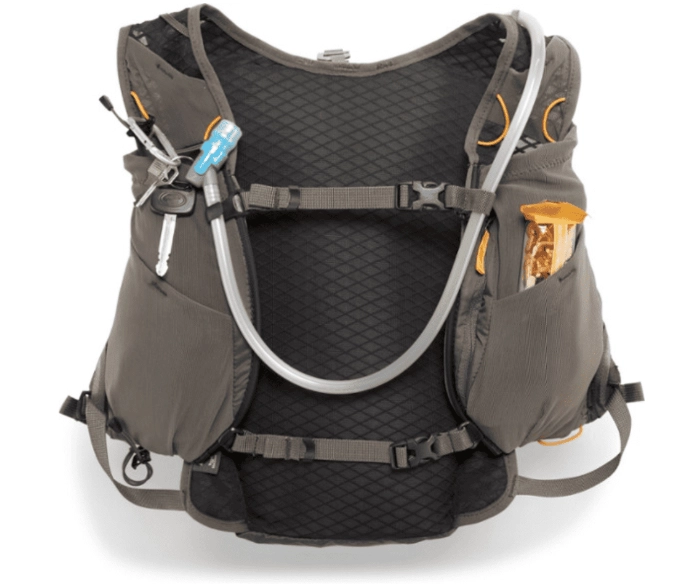
Trail Running & Fast-Packing: Look for a hydration vest. These are sleek, hug your torso, and minimize bounce. They often have multiple front pockets for gels and a phone. Brands like Salomon and Ultimate Direction dominate here. A 1.5 to 5-liter capacity is typical.
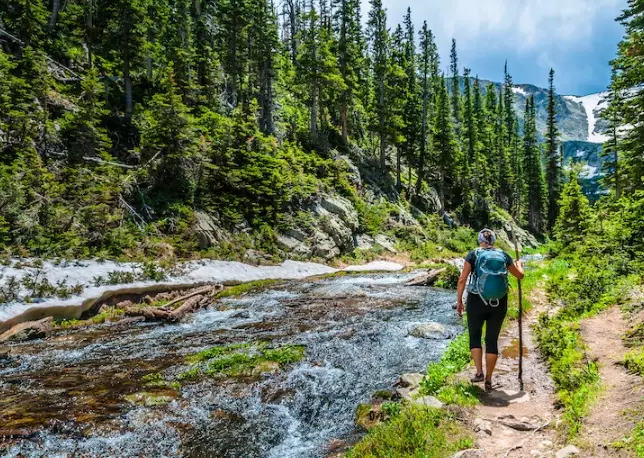
Day Hiking & Mountain Biking: This is the classic hydration backpack territory. Think brands like Osprey, Deuter, and Gregory. You want a proper backpack with a hip belt to transfer weight, plus room for layers, food, and a first-aid kit. Capacities range from 10 to 25 liters, with 2 to 3-liter bladders.
Long-Distance Backpacking: Many thru-hikers actually prefer water bottles in side pockets for ease of filtering and measuring intake. However, some use a small bladder (1-2L) in addition to bottles for convenience during long, dry stretches. The key is having a pack with a dedicated, insulated sleeve for the bladder.
Getting the Capacity Right
This is where people mess up. A 3-liter bladder sounds great until it's full and weighs over 6.6 pounds sloshing on your back. You need to balance potential need with carried weight.
My Rule of Thumb: For a moderate day hike in known terrain, plan for 0.5 liters of water per hour. A 4-hour loop? A 2-liter bladder is perfect. For unknown trails or hot climates, bump that to 0.75-1 liter per hour and choose a pack that can carry that, or one with extra space for a backup bottle.
Top Hydration Pack Features Compared
Not all bladders and packs are created equal. Here’s a breakdown of what really matters.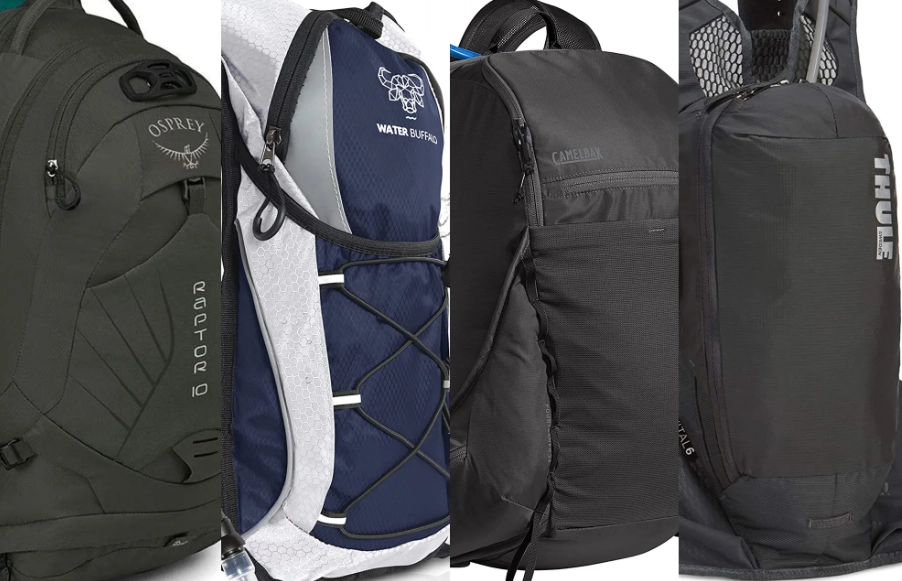
| Feature | What It Is | Why It Matters | Brand Examples (for reference) |
|---|---|---|---|
| Bladder Opening | How you fill and clean the reservoir. | A wide-mouth (zip-top or fold-over) opening is a game-changer for cleaning and adding ice. Small screw-top openings are harder to dry and clean properly. | CamelBak Crux (zip), Osprey Hydraulics (fold) |
| Tube Insulation | A sleeve around the drink tube. | In hot sun, an uninsulated tube turns your water into hot tea in minutes. Insulation keeps it cooler longer. In cold weather, it helps prevent freezing. | Standard on most mid-to-high-end packs |
| Magnetic Bite Valve Clip | A magnet on the valve that attaches to your chest strap. | This seems minor until you use it. No more swinging tube hitting your arm. The valve stays exactly where you left it, ready to drink. A huge quality-of-life upgrade. | Salomon, CamelBak (MagLink) |
| Quick-Connect Tube | A valve that lets you detach the tube from the bladder without spilling. | Makes refilling a bladder that's still in your pack much easier. Also simplifies cleaning and allows you to swap tubes between bladders. | Source Outdoor, some HydraPak models |
| Material & Taste | The plastic used for the bladder (e.g., TPU, BPA-free PE). | Cheaper plastics can impart a “plastic” taste. Look for taste-free promises. TPU is more durable and flexible than traditional PE. | HydraPak (Seeker TPU), Platypus (Big Zip) |
One personal gripe? Packs that lack a clear drainage grommet at the bottom of the bladder sleeve. If your bladder leaks or you get caught in rain, water pools in the bottom of your pack, soaking everything. A small hole to let water escape is a simple, brilliant design feature many budget packs omit.
Setup, Cleaning, and Maintenance (The Boring But Critical Stuff)
Neglect this, and you'll grow a science experiment in your tube. I've seen it, and it's not pretty.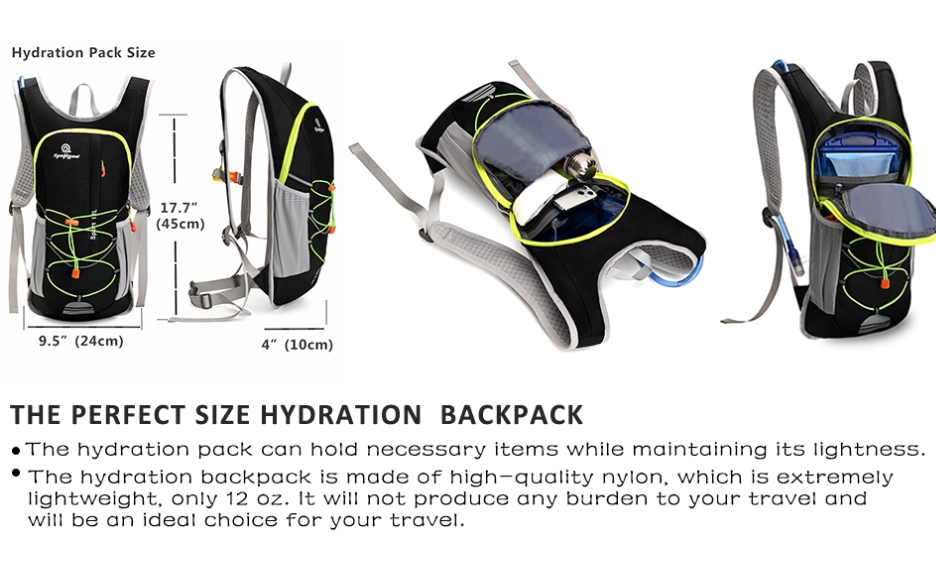
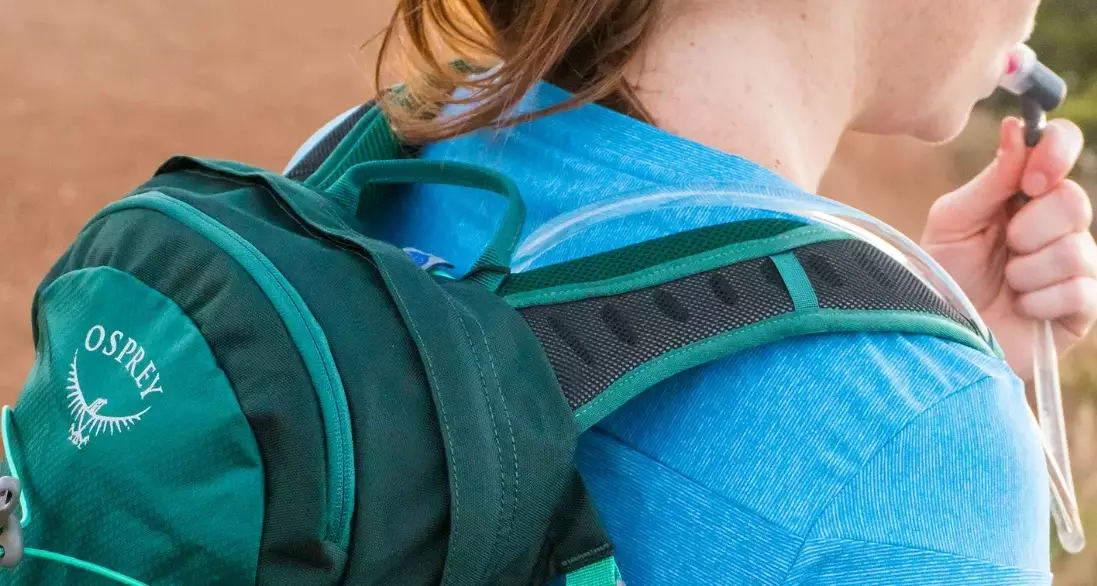
First Use & Setup: Always wash a new bladder with warm, soapy water. When routing the tube, run it over your dominant shoulder and clip the bite valve within easy reach. The tube should have a gentle curve, not a sharp kink.
The Non-Negotiable Cleaning Routine: After every use, empty all water. Rinse the bladder with hot water. Hang it open (use the included hanger or a clothes peg) and hang the tube over a door to drip dry. Never store it sealed and damp.
Every few uses, do a deep clean. Use a dedicated bladder cleaning kit (like a flexible brush) or a mix of baking soda and water. Some people use denture cleaning tablets—they work okay, but can leave a minty residue. For mold or funk, a vinegar solution (1 part white vinegar to 4 parts water) is your best friend. Soak for 30 minutes, scrub, rinse thoroughly.
Freezing: Want cold water all day? Fill the bladder ¾ full, lay it flat in the freezer. The expansion room prevents bursting. For winter use, blow air back into the tube after drinking to clear it, preventing ice blockages. Insulate the tube with the provided sleeve or a DIY foam wrap.
Common Hydration Pack Mistakes (And How to Avoid Them)
I've made most of these, so you don't have to.
Overfilling the Bladder: That extra half-liter makes the bladder bulge, harder to zip into its sleeve, and can put pressure on the seams. Fill to the line, or just shy of full.
Ignoring the Hip Belt: On a hiking pack, the hip belt should carry 80% of the weight. If your pack is bouncing or straining your shoulders, you haven't tightened the hip belt enough. A loaded hydration pack is heavy—let your hips do the work.
Forgetting About Water Treatment: That mountain stream looks clean. It probably isn't. Don't fill your bladder directly from untreated sources. Use a filter (like a Sawyer Squeeze) to fill a clean bottle or bag, then pour into your bladder. Some bladders, like those from Katadyn, have integrated filters, but they're slower.
Using Flavored Drinks and Not Cleaning Immediately: Sugar from sports drinks is a biofilm magnet. If you use them, you must clean your bladder immediately after your activity. Plain water is far more forgiving.
Your Hydration Pack Questions, Answered
My hydration pack tube tastes like plastic even after washing. What can I do?
That's usually a sign of lower-quality materials or a brand-new bladder. A long soak in a baking soda solution (a few tablespoons in warm water) can help. For a persistent taste, try soaking the entire bladder and tube in lemon juice and water for a few hours. If it doesn't go away after several uses and cleanings, consider upgrading the bladder itself to a taste-free model from HydraPak or similar.
How do I prevent my hydration bladder from freezing during winter hikes or runs?
Insulation is key, but so is technique. Use an insulated tube cover. Start with warm (not hot) water. After each sip, blow air back into the tube to push the water into the bladder—this keeps the tube clear. Store the bladder inside your pack, close to your back, using your body heat as insulation. For extreme cold, consider an insulated bladder sleeve or simply switch to wide-mouth insulated bottles, which are easier to manage when frozen.
 Is it worth getting a pack with a dedicated "reservoir sleeve" versus just putting the bladder in the main compartment?
Absolutely, if you're a serious user. The sleeve, usually a hanging system with a grommet at the bottom, keeps the bladder upright and stable. It prevents it from sloshing around or settling at the bottom of your pack under your gear. It also protects your other items from condensation on the bladder and provides that crucial drainage path in case of a leak. For running vests or minimal packs, it's less critical, but for hiking, it's a must-have feature.
Can I use a hydration bladder for drinks other than water?
You can, but you're signing up for extra work. Any drink with sugar, electrolytes, or protein will leave residue that promotes bacterial growth exponentially faster than water. If you must, use a drink mix designed for reservoirs (they often have anti-microbial properties), and you must clean the entire system thoroughly immediately after your activity. Never let a sports drink sit in your bladder. Many seasoned users dedicate one bladder to water and use separate, smaller flasks for their electrolyte drinks to avoid this hassle entirely.
How often should I replace my hydration bladder?
There's no fixed schedule, but watch for signs. Replace it if you notice persistent odors or mold you can't clean, visible cracks or punctures (especially around the seams or cap), or if the plastic becomes stiff and cloudy. With proper care, a good-quality bladder can last 3-5 years of regular use. The tube and bite valve often wear out first; luckily, these are usually sold as replacement parts.
 The right hydration pack becomes an extension of you on the trail. It removes a barrier between you and the water your body needs. Focus on fit and function over flashy features. Take care of it, and it will reliably take care of you, mile after mile. Now get out there and take a sip—hands-free.