Your rappelling rope isn't just gear; it's your primary lifeline. Get it wrong, and you're flirting with disaster. Get it right, and you unlock confidence on every descent. I've seen too many climbers—even experienced ones—make basic, costly mistakes with their ropes. This guide cuts through the noise. We'll go beyond the marketing specs and talk about what actually matters when your life is hanging by a thread.
What's Inside This Guide?
What Exactly Is a Rappelling Rope?
Let's be clear from the start. A rappelling rope is a specialized piece of equipment designed for controlled descent. It's not just any old rope. Think of it as the anchor of your entire system. While you can rappel on a climbing rope, the ideal tool is often a dedicated static rope or a low-stretch dynamic rope, chosen for specific properties like minimal elongation, high abrasion resistance, and predictable handling.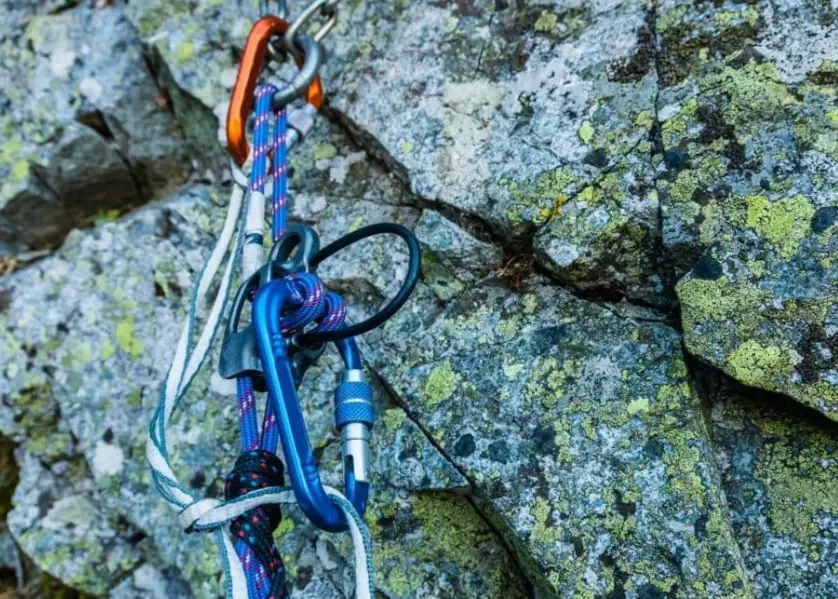
The core job is to manage friction. Your belay device, your brake hand, and the rope itself work together to turn gravitational potential energy into heat, letting you slide down at a safe speed. A rope that's too bouncy (high stretch) makes control fiddly. A rope that's too stiff can be hard to manage. It's a Goldilocks problem.
Here's a mistake I made early on: I used a skinny, well-worn dynamic rope for a long canyon descent. The stretch made me feel like I was on a bungee cord every time I weighted it, and the thin diameter heated up my belay device alarmingly fast. I switched to a dedicated 9mm static rope for the next trip, and the difference in control and peace of mind was night and day.
How to Choose a Rappelling Rope: A Step-by-Step Guide
Walking into a shop or browsing online can be overwhelming. Ignore the flashy colors at first. Focus on these three non-negotiable technical specs.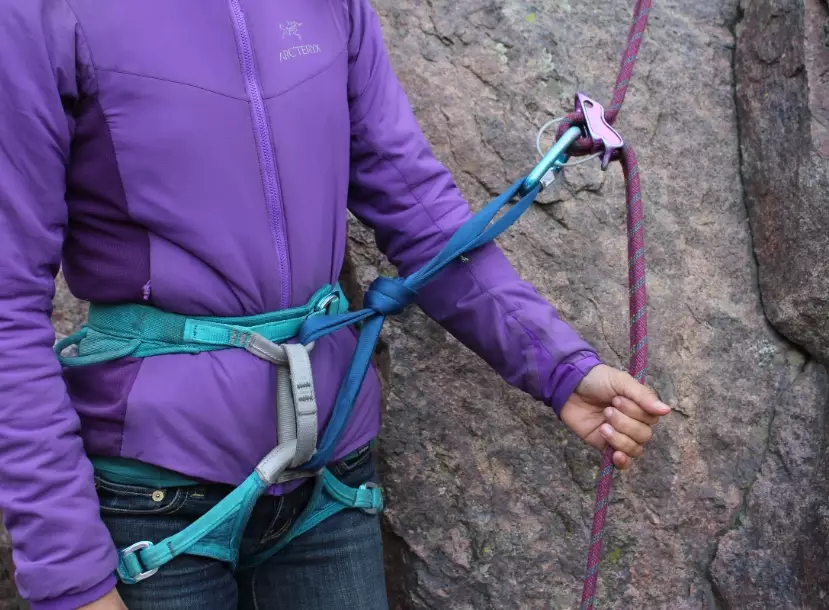
1. Rope Diameter: The Thickness Trade-Off
This is your biggest decision. Rappelling rope diameter dictates weight, durability, and handling.
| Diameter Range | Best For | Pros | Cons |
|---|---|---|---|
| 8.0mm - 8.9mm | Technical canyoneering, alpine climbs where every gram counts, experts. | Ultra-light, less bulk on harness. | Faster wear, less durable, can be tricky to handle with cold/wet hands, heats devices quickly. |
| 9.0mm - 9.9mm | The sweet spot for most rappelling. Single-pitch cragging, rescue work, general outdoor use. | Excellent balance of durability, handling, and weight. Fits most devices well. | Slightly heavier than skinny ropes. |
| 10.0mm+ | Heavy-duty industrial work, repeated rappels on abrasive rock, beginners wanting maximum durability. | Extremely durable, easy to grip, runs smoothly. | Heavy, bulky, overkill for most recreational uses. |
My go-to for 90% of my guiding and personal trips is a 9.2mm or 9.5mm static rope. It's tough enough for sharp edges, handles easily, and doesn't punish you on the hike in.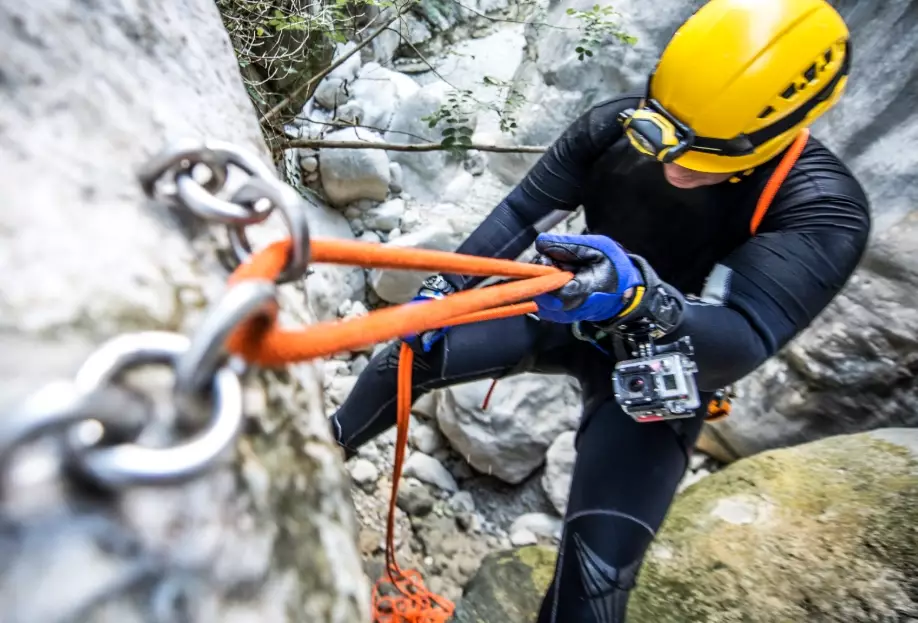
2. Dynamic vs Static Rope for Rappelling
This is a classic debate. Here’s the simple breakdown:
Static Ropes have less than 5% elongation under load. They feel firm. When you lean back on rappel, there's almost no bounce. This gives you precise control, which is why they're the default for canyoneering, rescue, and fixed-line rappels. The lack of stretch also means less energy absorption if you were to fall on it while ascending—so never lead climb on a static rope.
Dynamic Ropes (typically 8-10% elongation for single ropes) are designed to stretch to absorb the energy of a lead fall. For rappelling, this stretch can feel spongy and less direct. However, a dynamic rope is mandatory if you need one rope to both climb up and rappel down (a “single rope technique” day).
The verdict? For pure, repeated rappelling, a static or low-stretch rope (
3. UIAA Ratings and Construction
Look for the UIAA (International Climbing and Mountaineering Federation) certification. This isn't optional. For static ropes, the key rating is the UIAA Fall rating (it should withstand at least 5 falls with a test mass). Also check the Sheath Slippage rating—low slippage means a tighter, more durable sheath.
Most modern ropes use a kernmantle construction: a core (kern) of twisted nylon filaments for strength, and a woven sheath (mantle) for protection. A tighter weave (like in dry-treated ropes) sheds water and dirt better, prolonging life.
How to Inspect Your Rappelling Rope: A Pre-Climb Ritual
Inspecting your rope isn't a quick glance. It's a meditation. Do this before every use. A single damaged section can compromise the entire rope.
Step 1: The Visual Run-Through. Find a clean, well-lit area. Feed the rope slowly through your hands, about a foot at a time. Look for:
- Cuts or slices in the sheath: Any white core showing is a major red flag. Retire the rope immediately.
- Flat, hard, or glossy spots: This indicates internal damage from a heavy load or a sharp bend.
- Excessive fuzziness: Some fuzz is normal. Ropes that look like a scared cat over large sections are worn out.
- Discoloration or chemical burns: Bleach, battery acid, or other chemicals can weaken nylon fibers invisibly.
Step 2: The Tactile Check. Feel the rope as you go. You're searching for inconsistencies the eye might miss.
- Does the diameter feel uniform? A thin, mushy spot is bad news.
- Can you feel lumps or depressions under the sheath? This suggests broken core strands.
- Does the sheath slide easily over the core? Excessive movement (more than an inch or two when you pinch and slide) is a sign of wear.
Step 3: The Middle Marker Check. Most ropes have a middle mark. Has it faded or shifted? If it's gone or inaccurate, remark it with a specific rope marker (never use a regular pen).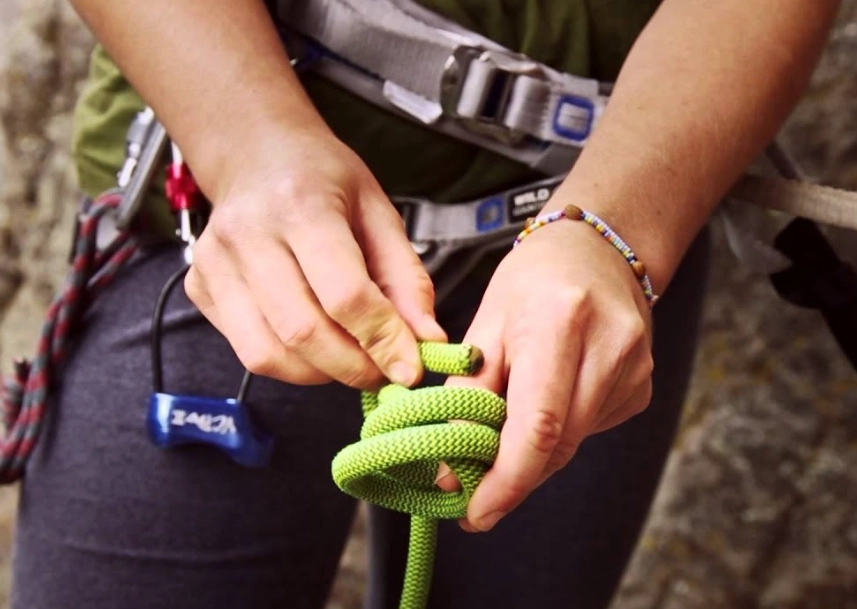
A personal rule: If I have to stop and think, "Hmm, is this damaged enough to worry about?" the answer is always yes. When in doubt, throw it out. A new rope costs a few hundred dollars. Your medical bills—or worse—cost infinitely more.
Essential Rappelling Techniques and Rope Management
Choosing and inspecting the rope is half the battle. Using it correctly is the other half.
Setting Up a Safe Rappel Anchor
Your rope is only as good as what it's tied to. Always use redundant, solid anchors—think two bombproof bolts, a sturdy tree and a solid horn of rock, or multiple cams/nuts in good rock. Extend the anchor with slings to avoid sharp edges. This is non-negotiable.
The Double-Rope Rappel (Dülfersitz Method)
For most situations, you'll rappel on a double strand. Find the rope's middle, throw both strands down the cliff (yelling "Rope!"), and feed them through your anchor point. Each strand should reach the ground or next ledge. This doubles the rope's abrasion resistance at the anchor and makes retrieval easy.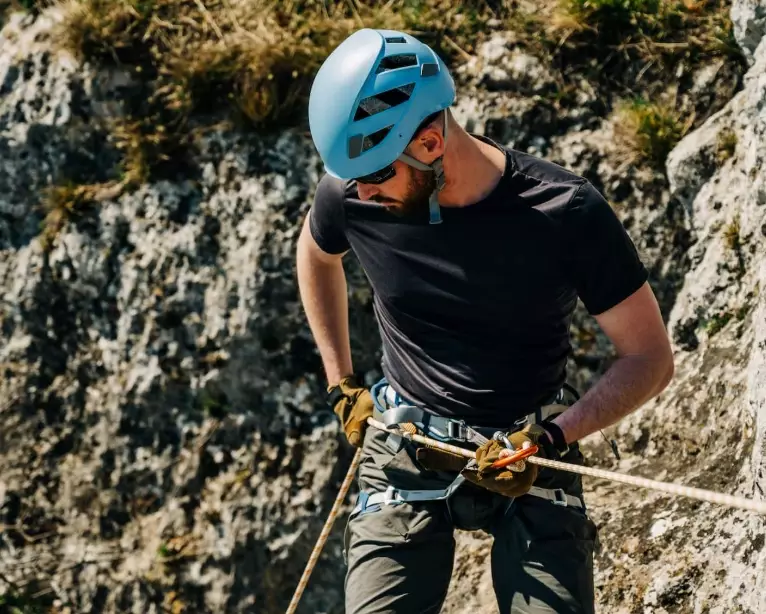
Rope Retrieval and Avoiding Stuck Ropes
The nightmare: pulling your rope and it gets stuck. To avoid it:
- Pull steadily and smoothly, not in violent jerks.
- If rappelling in a party, have the last person check that the rope isn't looped around a horn or stuck in a crack.
- For windy days or complex pulls, tie a stopper knot (like a figure-8) in the end of the rope you're pulling. It can prevent the end from whipping up and over an unseen ledge.
Remember, rope management starts on the ground. Flake it out neatly into a rope bag or pile to prevent tangles before you even start.