Let's be honest. Staring at a wall of carabiners, ropes, and weird metal widgets can make anyone feel lost. You just want a simple list that tells you what to buy, why it matters, and what you can skip (for now). I've been climbing for over a decade, from gym plastic to alpine granite, and I've made every gear mistake in the book. This isn't just a generic list. It's the distilled, practical guide I wish I had when I started, organized by what you actually need for different types of climbing.
What's in This Guide?
The Non-Negotiables: Gear for Your First Gym Session
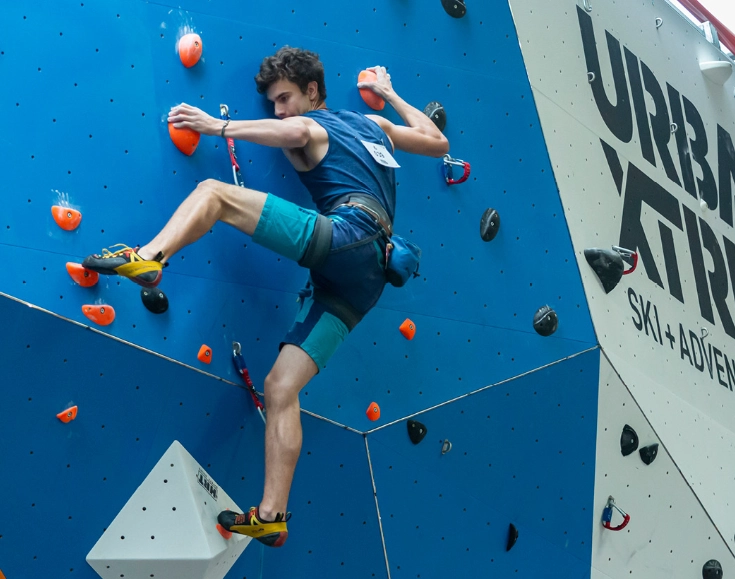
Before you think about crags and summits, you'll likely start indoors. The gym is the perfect, controlled lab. For this, you need just three things. Rent them first to figure out your preferences.
Climbing Shoes: Your Most Personal Gear
Forget everything you know about shoe fit. A performance climbing shoe should feel tight—uncomfortably so when new—but not crippling. Your toes should be at the end, maybe slightly curled, without sharp pain. A common mistake is buying shoes that are merely "snug" like street shoes. They'll stretch, and in six months, you'll be swimming in them, unable to stand on small edges.
My first pair were La Sportiva Tarantulace. They're flat, relatively comfortable, and a fantastic beginner choice for around $85. If you have narrow feet, consider something like the Scarpa Origin. Go to a store, try on at least five pairs from different brands. Walk around. Brands fit wildly differently.
Harness: Your Connection to Safety
Comfort in a hanging position is key. You're not just standing in it; you'll be sitting during belays and rests. Look for ample padding on the leg loops and waistbelt. Gear loops (those plastic rings on the waist) are handy even in the gym for carrying your chalk bag and shoes when moving around.
The Black Diamond Momentum is the industry standard for a reason—simple, adjustable, reliable, about $55. For a step up in comfort, the Petzl Corax is a great adjustable option around $70. Don't overthink your first harness. Adjustability is more important than ultra-lightweight tech.
Chalk and Chalk Bag: The Grip Saver
It's not just for looks. Chalk absorbs sweat. A simple chalk bag with a belt and basic loose chalk is all you need. Don't get pressured into liquid chalk or fancy blends yet. A block of FrictionLabs or Metolius Super Chalk, crushed up in a bag, works perfectly. Total cost: maybe $25.
Sport Climbing Setup: Moving Outdoors
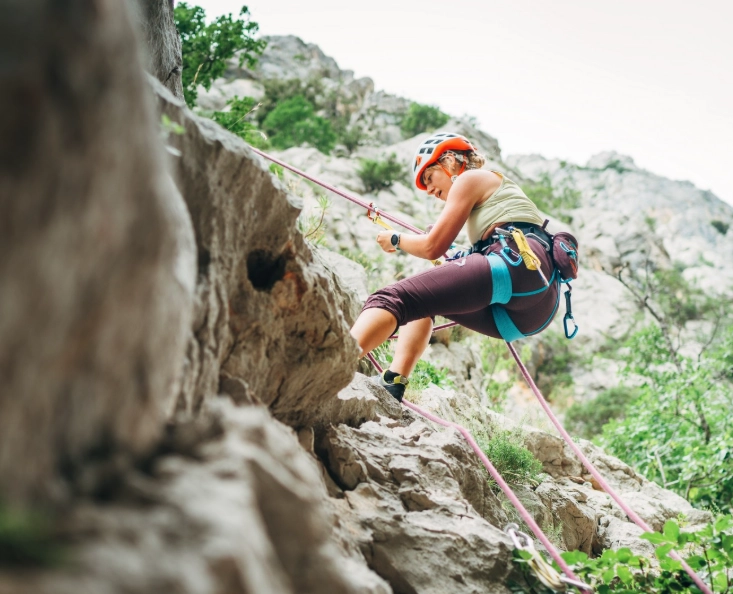
Sport climbing is about climbing pre-protected routes. Your job is to clip your rope into fixed bolts as you go. The gear list expands, and every item has a life-saving purpose. This is where you build your core rack.
| Item | Purpose & Details | Example Models & Approx. Cost |
|---|---|---|
| Dynamic Climbing Rope | Your lifeline. Stretches to absorb fall energy. For sport, a 60m or 70m, 9.8mm-10.2mm diameter is versatile. Dry treatment is worth it for longevity. | Petzl Volta 9.8mm (70m, ~$250), Edelrid Boa Eco 9.8mm (~$220) |
| Climbing Helmet | Protects from falling rocks and partner-dropped gear. Non-negotiable outdoors. Lightweight, ventilated models are comfortable. | Petzl Sirocco (~$140), Black Diamond Vapor (~$130) |
| Belay Device & Locking Carabiner | To control the rope for your partner. An assisted-braking device like a Grigri or Mega Jul is safer for beginners than a basic tube. | Petzl Grigri+ (~$100), Edelrid Mega Jul (~$45). Plus one HMS locking carabiner (~$15). |
| Quickdraws | Sets of two carabiners connected by a sling. You clip these to the bolt and your rope runs through them. Start with 12. | A mix of lightweight sport draws like Black Diamond Hotforge (~$20 each) or a pack of 12 from a brand like DMM. |
| Personal Anchor System (PAS) or Slings | To securely attach yourself to anchors at the top of a climb, for rappelling, or for rest. Don't just use a daisy chain incorrectly. | Sterling Chain Reactor PAS (~$45) or two 60cm nylon slings (~$12 each) with locking carabiners. |
| Rappel/Rope Management | A tubular device for rappelling (like an ATC), extra lockers, and a rope bag or tarp to keep your rope clean and tangle-free. | Black Diamond ATC Guide (~$25), Metolius Rope Tarp (~$40). |
See that note about the daisy chain? That's a classic subtle error. New climbers see experienced folks using them and think they're a simple personal anchor. But most daisy chains are not rated for fall forces—they're for aid climbing. Using one to tie directly into an anchor is a huge, silent risk. A dedicated PAS or a knotted sling is the correct, safe tool for the job.
Trad Climbing Arsenal: The Big Investment
Trad(itional) climbing means placing and removing all your own protection—nuts, cams, hexes—into cracks in the rock. It's a deeper game, requiring more knowledge, judgment, and gear. Don't rush into this. Take a course. Your equipment list becomes highly personal and expensive.
The core of a trad rack is a set of camming devices (cams) and passive protection (nuts/hexes).
- Cams (like Black Diamond Camalots, Wild Country Friends): Spring-loaded units that expand in a crack. They're active, meaning they hold themselves in place. You'll need a double set in common sizes (e.g., #0.3 to #3). A single set of 8-10 cams can easily cost $600-$800.
- Nuts (like DMM Wallnuts, Black Diamond Stoppers): Metal wedges on a wire. You slot them into constrictions. They're passive, lighter, cheaper, and don't have moving parts. A full set of 10-12 is around $100-$150.
- Hexes & Tricams: Less common now, but some swear by them. They're cheaper, passive alternatives for certain placements.
- Alpine Draws: Long, lightweight slings (60cm) with two carabiners. Used to extend gear placements and reduce rope drag. You'll need 10-15 of these.
- Nut Tool: A small metal pick for removing stuck gear. Essential.
- Bigger Rack & More Cordage: More locking carabiners, shoulder-length slings for carrying gear, maybe a larger backpack.
Building a trad rack is a marathon, not a sprint. Buy pieces slowly, often used from trusted sources (like Mountain Project forums). Borrow from mentors on early climbs to learn what sizes are common at your local crag. The rock type dictates your gear—granite eats up big cams, while Indian Creek sandstone demands five of the same size.
Gear Care & Maintenance (The Boring, Critical Stuff)
Gear fails from neglect, not just use. This is where that "10-year experience" voice gets stern.
Your Rope: Keep it clean. Dirt is microscopic glass that saws through sheath fibers. Use a rope bag religiously. Wash it occasionally in a front-loading washer with mild detergent, no bleach, no softener. Air dry, never direct sun or heat. Inspect it before every climb. Look for flat spots, excessive fuzz, or cuts. The UIAA and manufacturer guidelines suggest retiring a frequently used rope after about 5 years, regardless of visible wear, due to UV and chemical degradation.
Hardware (Carabiners, Cams, Devices): Rinse with fresh water after saltwater or muddy trips. Check for cracks, deep gouges, or rough, sharp edges. Gate action should be smooth. For cams, check the trigger wires for fraying and the lobes for sharp nicks. A tiny bit of lubricant on the axles (like Trident Cam Lube) once a year keeps them moving.
Harness & Soft Goods (Slings, PAS): UV light is the enemy. Don't leave them in your car's back window. Store them somewhere cool, dark, and dry. Inspect for cuts, abrasion, and discoloration. Nylon and polyester degrade. Most manufacturers recommend retiring soft goods after 10 years, even if unused.
I once found a tiny, almost invisible cut on a sling I'd used a dozen times. It was from rubbing against a sharp rock edge during a carry. If I hadn't been in the habit of running it through my fingers, I'd have missed it. That sling became a keychain reminder.