The first time I swung an ice tool into a vertical wall of blue ice in the Canadian Rockies, the sound was a deep, satisfying “thunk.” The vibration shot up my arm. My feet, encased in rigid boots and sharp crampons, felt simultaneously secure and utterly alien. This wasn't rock climbing. This was a conversation with a living, changing medium. Ice climbing is the art and sport of ascending frozen waterfalls, ice-covered rock faces, and alpine ice features using specialized tools. It's equal parts brutal physicality and delicate technique, set in some of the most stunning winter landscapes on Earth. Forget what you've seen in movies; let's talk about what it's really like, from the gear that keeps you alive to the mindset that lets you thrive.
What You'll Find in This Guide
The Non-Negotiable Gear Breakdown
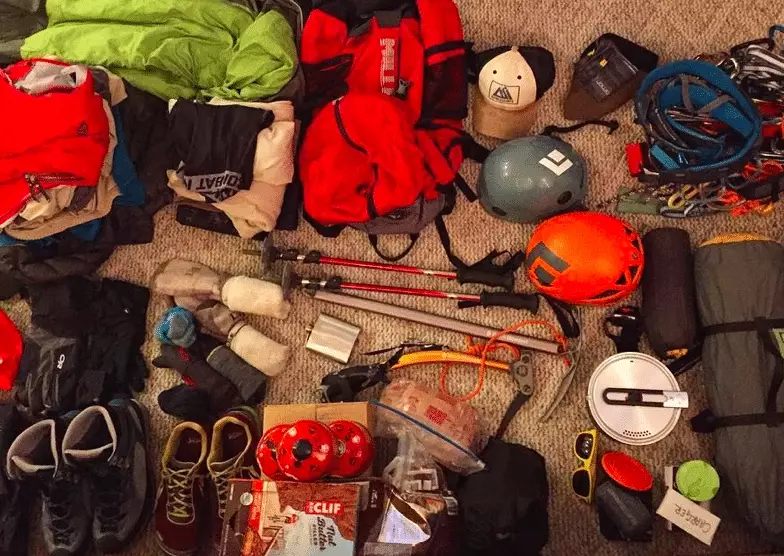
You can't half-step gear in ice climbing. Every piece is a lifeline. I've seen people try to save money on old equipment, and it's a shortcut to a very bad day. Here's what you actually need, and why.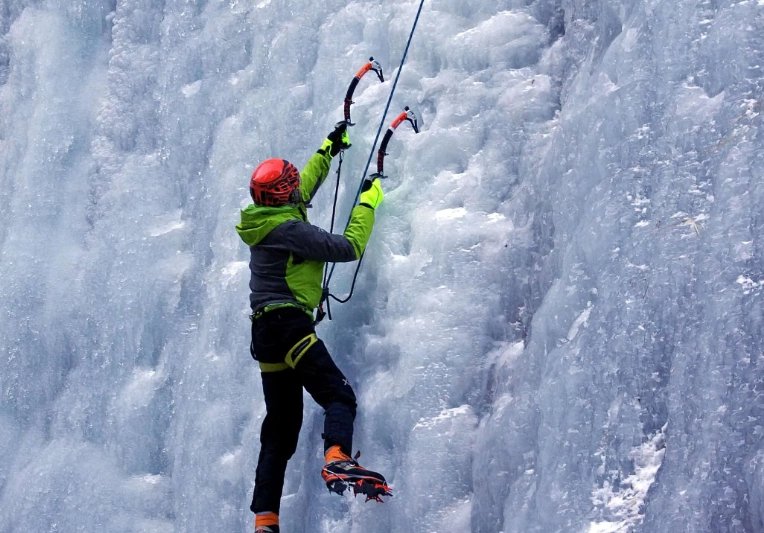
Hardware: Your Points of Contact
Ice Tools: These are your ice axes. Modern tools are curved for better clearance and have aggressive teeth for solid sticks. Beginners should look for a balanced, all-around tool like the Petzl Quark or Black Diamond Venom. The grip is everything—it should feel like an extension of your arm. A common mistake? Gripping too tightly, which wastes energy. Hold it like you're shaking someone's hand, firm but not crushing.
Crampons: These are the spikes on your feet. You need vertical front points (usually 2) for technical ice, not the horizontal points used for glacier walking. They must be compatible with your boot's sole (step-in vs. hybrid vs. strap-on). Brands like Grivel and Petzl are staples. The fit is critical. Too loose, and they'll wobble; too tight, and you'll cut off circulation. A snug fit where the boot sole sits perfectly in the frame is key.
Boots: This is where I tell you to spend your money. Double plastic boots were the old standard, but modern insulated, rigid-soled leather or synthetic boots are warmer and more precise. The sole must be completely rigid (B3 rating) to support the crampon. Brands like Scarpa (Mont Blanc Pro) and La Sportiva (G5) dominate. Your everyday hiking boots won't cut it. Not even close.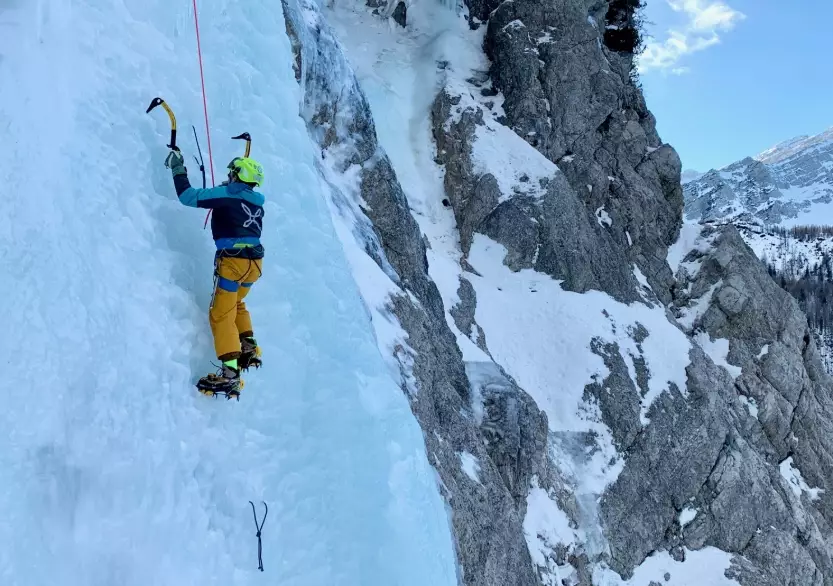
Protection & Ropes: The Safety Net
Helmet: A climbing-specific helmet is mandatory. Ice falls. Rock falls. Your partner might knock dinner-plate-sized chunks loose. A helmet like the Petzl Boreo or Black Diamond Vapor protects you from impacts and side-shots.
Harness & Ropes: A standard climbing harness works, but ensure it's comfortable for hanging belays. Your rope should be a dry-treated, single rope (typically 60m or 70m). Dry treatment prevents water absorption, which adds weight and reduces strength when frozen. A 9.8mm to 10.2mm rope offers a good balance of durability and handling.
Ice Screws & Quickdraws: These are your temporary anchors. Ice screws are hollow tubes with sharp teeth you screw into the ice. Carrying a variety of lengths (13cm to 22cm) is smart. You'll need quickdraws (about 10-12 for a pitch) to clip the rope into the screws. Practice placing screws on the ground first. It's harder than it looks when you're 30 meters up.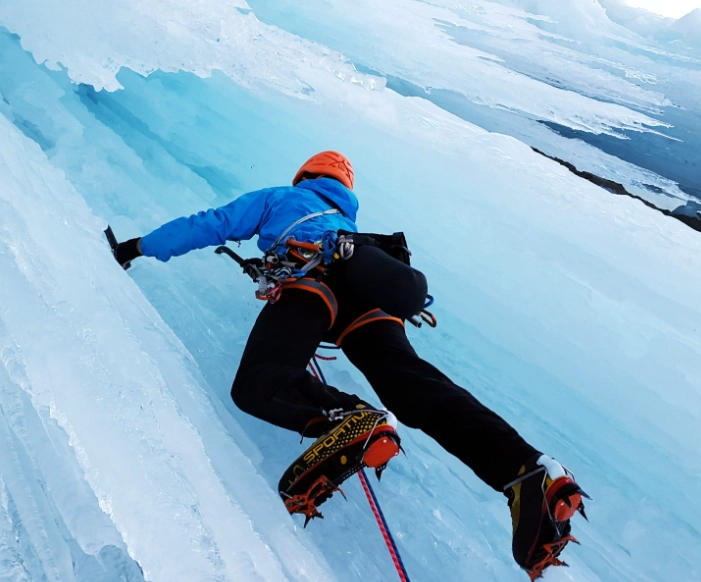
Pro Tip from a Guide Friend: “Keep your ice screws in an insulated sleeve or inside your jacket until you need them. A warm screw goes into the ice much faster and cleaner than a frozen one. Those seconds matter when you're pumped.”
Foundational Techniques: More Than Just Swinging
Good technique is efficient technique. It's the difference between climbing one pitch and being utterly spent, and climbing three pitches and still having gas in the tank.
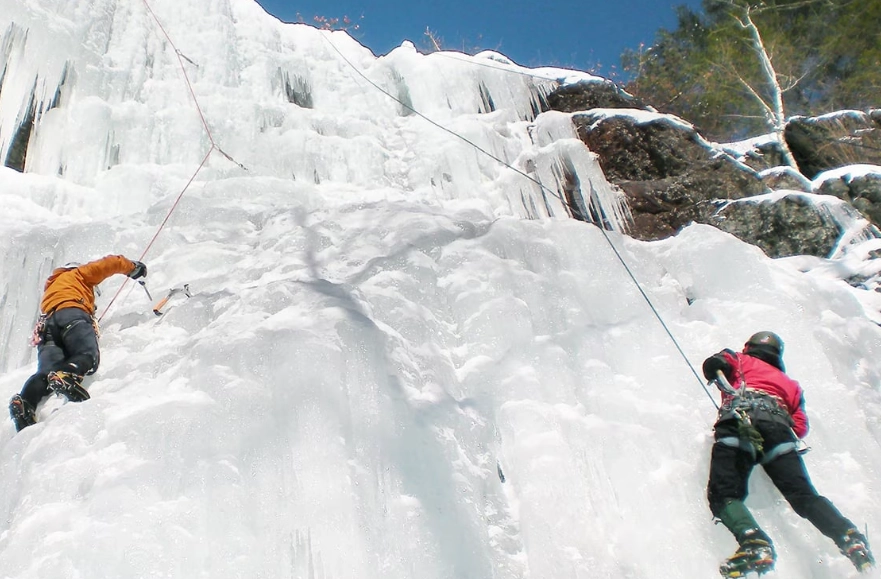
The Triangle Stance: This is your stable position. Your two feet and your two tools should form the points of a triangle. Keep your hips close to the ice, your arms relatively straight, and your weight on your feet. Most new climbers want to hug the ice or pull themselves up with their arms. Fight that instinct. Stand on your feet.
Footwork is King: In rock climbing, you smear or edge. On ice, you front-point. You kick the front points of your crampons into the ice. The motion comes from your knee and hip, not your ankle. Two solid kicks usually set them. Then trust them. Shift your weight onto that foot. The next movement is a gentle roll of your ankle to stand up on that foot, not a huge arm pull.
The Tool Swing: It's a flick of the wrist, not a baseball swing. Aim for a spot about level with your head or slightly higher. Let the weight of the tool do the work. A good stick makes a solid “thunk” and doesn't shift when you gently test it. If it sounds hollow or “tinks,” it's probably bad. Remove it and try again. Placing good screws starts with learning to evaluate the quality of your tool placements.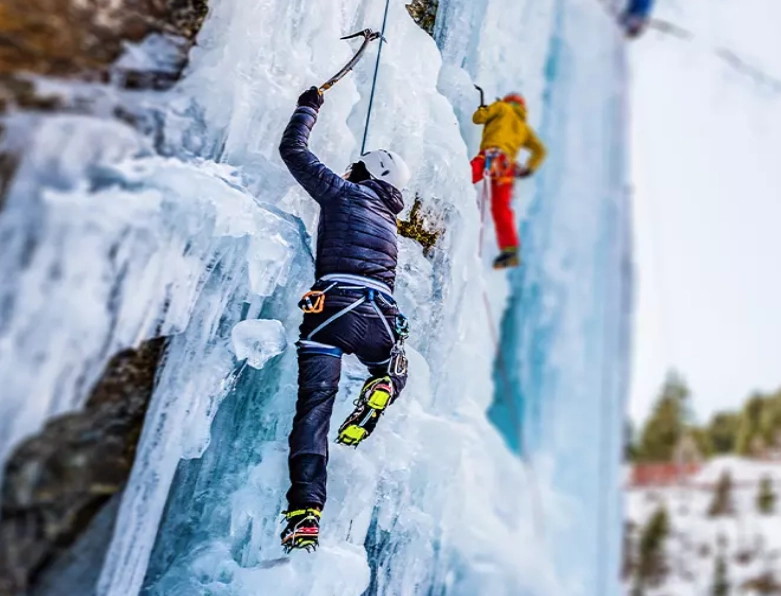
Safety First: The Ice Climber's Mantra
Ice is a dynamic medium. It changes with temperature, sun exposure, and water flow. Managing risk isn't optional; it's the core skill.
Condition Evaluation: Is the ice “in?” Is it thick enough? Is it aerated or “dinner-plating” (breaking off in sheets)? This is where experience or a guide is invaluable. A warm day after a cold night can make ice brittle and fragile. Resources like local climbing forums (Mountain Project) and guide services are essential for beta.
Belay & Communication: Belaying requires constant attention. The belayer must stand out of the fall line of ice debris. Clear, loud communication is non-negotiable. “On belay?” “Belay on!” “Climbing!” “Climb on!” Develop a system for signaling when ice is falling.
Weather & Avalanche Awareness: You're in the mountains in winter. Check the avalanche forecast (in North America, use your local avalanche center website). Understand the terrain. A climb at the bottom of a snow-filled gully is an avalanche trap. Know the forecast for temperature trends. A rapid warm-up can destabilize everything.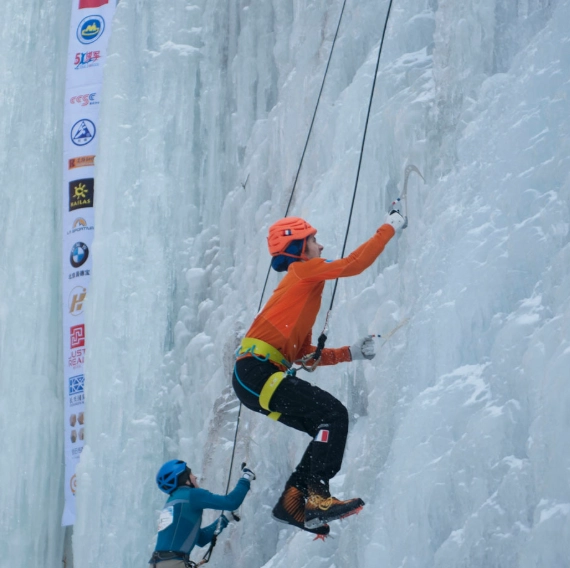
Where to Start: Top Global Ice Climbing Destinations
Ready to plan a trip? These destinations offer reliable ice, guiding infrastructure, and communities for beginners to experts.
| Destination | Region/Country | Best For | Key Info |
|---|---|---|---|
| Ouray Ice Park | Colorado, USA | Absolute Beginners & Training | Man-made park with hundreds of farmed routes. No approach hike. Guides everywhere. January festival. Check the Ouray Ice Park site for conditions. |
| Canmore/Banff | Alberta, Canada | Classic Alpine Climbing | Home to iconic climbs like The Professor's and Weeping Wall. Stunning Rockies scenery. Guides based in Canmore. Conditions vary; check with Yamnuska or other local guiding services. |
| Rjukan | Norway | Consistent Ice & Big Walls | A frozen gorge with dozens of long, classic routes. The ice forms reliably due to a hydro scheme. Short approaches. The town is a climber's hub in winter. Consider a guide from Rjukan Guiding Service. |
| Cogne | Italian Alps | Scenic Valley Climbing | Hundreds of routes in a beautiful national park (Gran Paradiso). Mix of short and multi-pitch. Family-friendly atmosphere. The ice season is generally December to March. |
My first guided trip was to Ouray. Having a park where you can top-rope 20 different routes in a day, with a cafe at the top, is the ultimate learning environment. It removes the objective hazards and lets you focus purely on movement. I can't recommend that model enough for a first timer.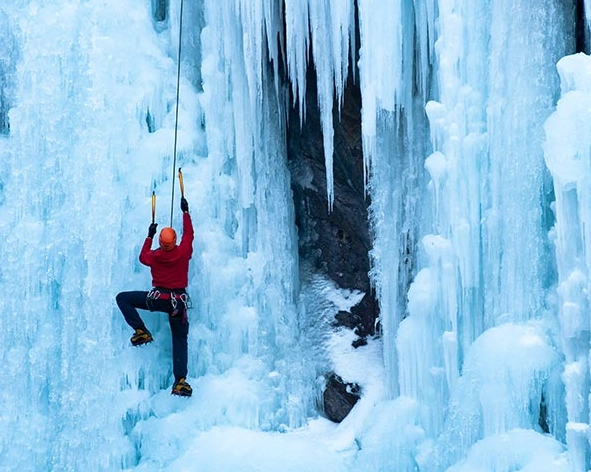
Your Burning Questions Answered
Ice climbing isn't for everyone. It's cold, demanding, and requires a serious commitment to safety. But for those who listen, learn, and respect the environment, it opens a door to a silent, crystalline world few ever get to see. It teaches focus, humility, and a profound appreciation for a fleeting form of beauty. Start with a course, invest in good boots, and remember: your legs are your engine. Now go find some ice.